
Best thermostats types and Settings
author: Bani
2025-07-25
Best Thermostats Types and Settings: Choosing the Right Model & Optimizing Your Home’s Efficiency
A well-chosen thermostat is more than just a temperature controller—it’s the brain of your home’s heating and cooling system. From keeping your space cozy in winter to cutting energy bills in summer, the right thermostat type and settings can transform your living experience. In this guide, we’ll break down the top thermostat types, share pro tips for optimal settings, explain the role of thermostat wires, and highlight trusted providers like Ocean Controls Limited.
1. Why Your Thermostat Matters: Beyond Basic Temperature Control
Before diving into types and settings, let’s clarify why a quality thermostat is non-negotiable. A reliable thermostat regulates your HVAC (heating, ventilation, and air conditioning) system, ensuring consistent comfort while preventing energy waste. The wrong model or misconfigured settings can lead to uneven temperatures, higher utility costs, and unnecessary wear on your HVAC equipment. Conversely, the right thermostat adapts to your lifestyle, saving you money and reducing environmental impact.
2. Types of Thermostats: A Breakdown
Not all thermostats are created equal. Your choice depends on budget, lifestyle, and home setup. Here are the most common types:
3. Manual Thermostats: Simple and Affordable
Manual thermostats are the most basic option. They feature a dial or slider to set a fixed temperature, with no programming or smart features. Ideal for small spaces or those on a tight budget, they’re easy to use but lack flexibility—you’ll need to adjust them manually as your needs change. While affordable, they’re less energy-efficient than modern alternatives since they can’t adapt to daily routines.
3. Programmable Thermostats: Set It and Forget It
Programmable thermostats step up convenience by letting you pre-set temperature schedules. For example, you can lower the heat overnight or raise the AC during work hours, then revert to comfortable levels when you’re home. Most offer daily or weekly programs, making them great for households with consistent routines. They balance cost and efficiency, typically costing more than manual models but less than smart versions.
3. Smart Thermostats: The Future of Home Climate Control
Smart thermostats are the most advanced option, connecting to Wi-Fi and often integrating with smart home systems (e.g., Alexa, Google Home). They learn your habits over time—for instance, adjusting the temperature when you leave for work or returning home—and can be controlled remotely via a smartphone app. Many also provide energy usage reports, helping you identify wasteful patterns. While pricier upfront, they often pay for themselves through long-term savings.
4. Thermostat Settings: Key Tips for Efficiency
Even the best thermostat won’t perform well with poor settings. Here’s how to optimize yours:
5. Temperature Zones: Avoid One-Size-Fits-All
If your home has multiple rooms (e.g., bedrooms, living areas), use a thermostat with zoning capabilities (common in smart models). Bedrooms may need cooler temperatures at night, while living rooms might stay warmer during the day. Zoning prevents overworking your HVAC system to heat or cool unused spaces.
5. Seasonal Adjustments: Match the Weather
- Winter: Aim for 68°F (20°C) during the day when you’re home; lower to 60–62°F (15–16°C) at night or when away.
- Summer: Set to 78°F (25°C) during the day; raise to 82–85°F (28–29°C) when away. Small adjustments (1–2°F) can reduce energy use by 1–3%.
5. Avoid Extreme Swings
Cranking the thermostat to 80°F (27°C) in winter to warm up quickly won’t work faster—it just wastes energy. Gradual changes keep your system running efficiently.
6. Thermostat Wires: What They Do & Why They Matter
Behind every functional thermostat is a set of wires that connect it to your HVAC system. Understanding their roles ensures proper installation and avoids malfunctions:
- R wire (Red): Carries 24V power from the HVAC system to the thermostat.
- C wire (Common): Provides a continuous power supply, critical for smart thermostats (which need constant energy for Wi-Fi and sensors).
- W wire (White): Controls the heating system (e.g., furnace).
- Y wire (Yellow): Activates the cooling system (e.g., air conditioner).
- G wire (Green): Powers the fan, allowing circulation even when heating/cooling isn’t active.
A misconnected wire can cause your thermostat to fail—for example, a loose Y wire might prevent the AC from turning on. Always consult a professional if you’re unsure, or refer to guides from trusted suppliers like Ocean Controls Limited.
Final Thoughts
Choosing the right thermostat and optimizing its settings is key to a comfortable, energy-efficient home. Whether you opt for a manual model, a programmable upgrade, or a smart system, prioritize compatibility with your HVAC setup—and don’t overlook the importance of proper wiring.
For reliable thermostat options, consider Ocean Controls Limited. They offer a range of models, from basic to smart, along with expert guidance to help you select and install the perfect fit for your home. With the right thermostat, you’ll enjoy better comfort and lower bills year-round.


Underfloor Heating Thermostat WiFi
Best Programmable Thermostats of the year
Related Article
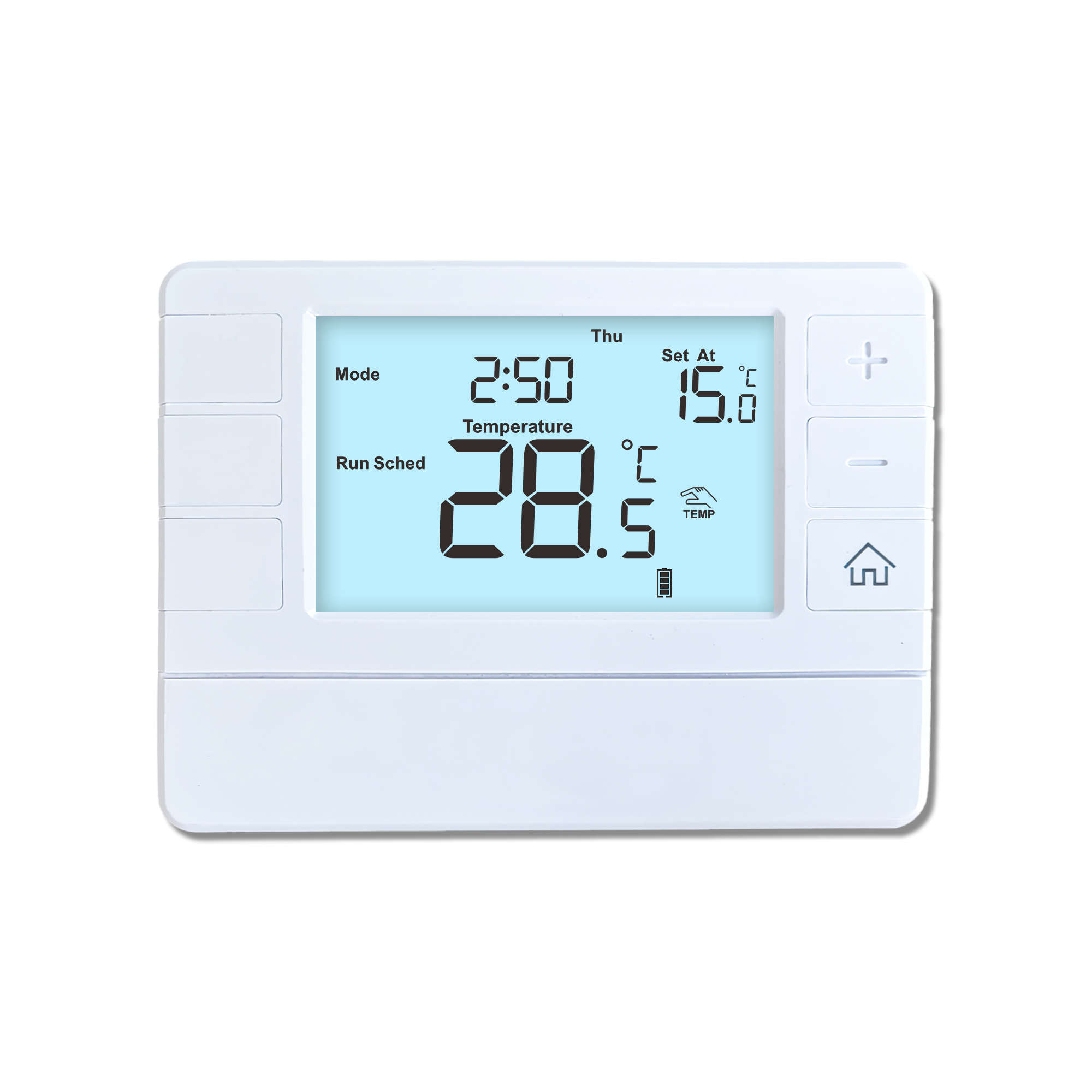
This shift has made traditional, manual thermostats obsolete, paving the way for advanced smart technologies.
Why You Need a Smart Thermostat
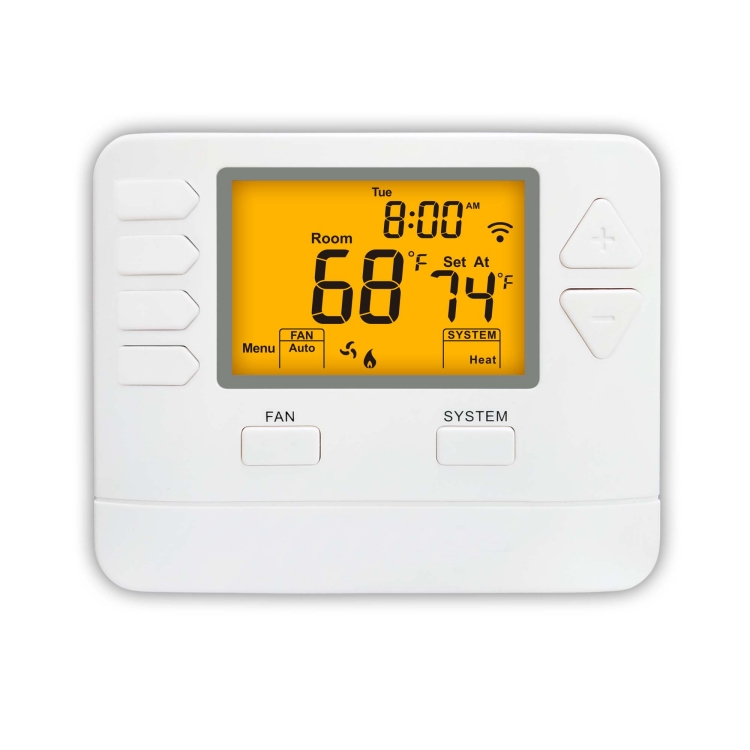
A true 7 Day programmable room thermostat offers the ultimate granular control. It allows users to program a distinct, customized heating and cooling schedule for every single day of the week.
How a 7 Day Programmable Room Thermostat Maximizes Home Comfort and Efficiency
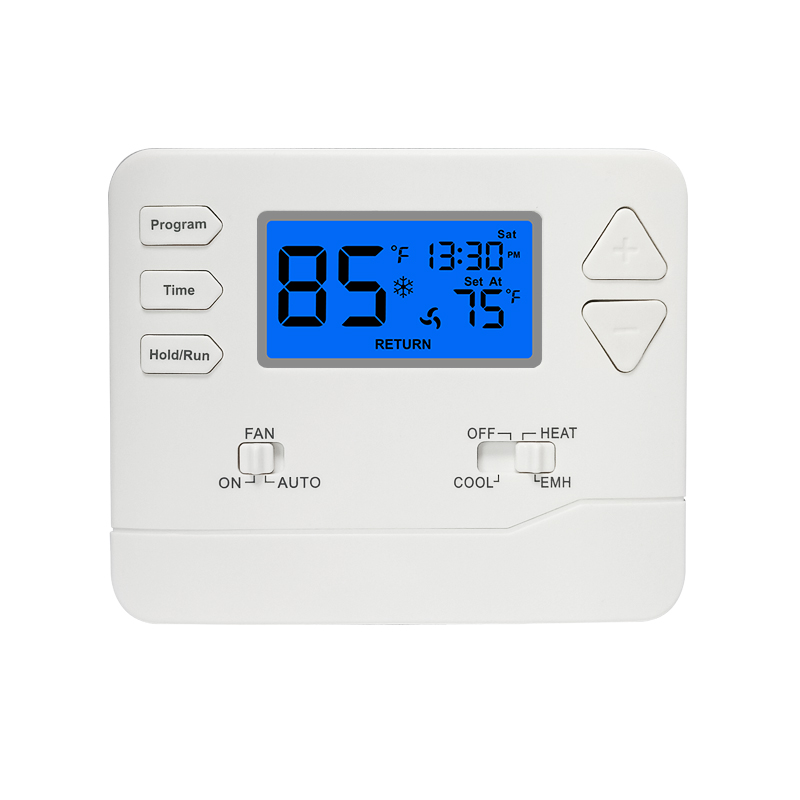
A premium Riseem thermostat is not just a digital display on your wall; it is the ultimate gatekeeper of your indoor environment.
Why a Quality Thermostat Is the Key to a More Comfortable Home
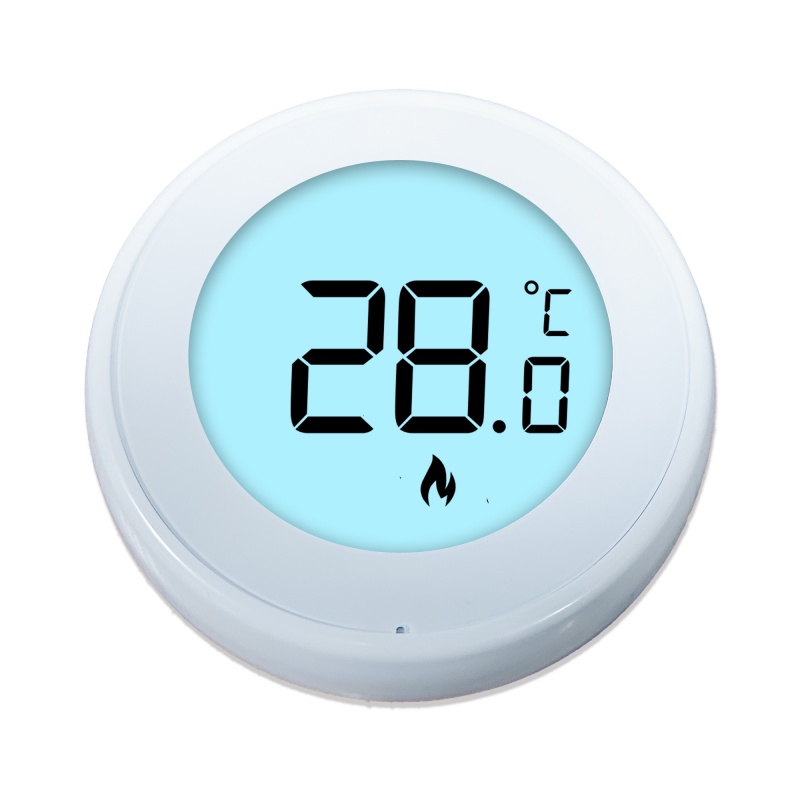
While the TUYA app provides the elegant interface, the physical thermostat remains the brain of the operation. Riseem has engineered a device that looks minimalist on your wall while delivering industrial-grade precision to your HVAC equipment.
Welcome to the Future of Home Automation The Ultimate Guide to TUYA WIFI Smart Thermostats