Cold is here. What do I set my thermostat to in USA this winter?
Cold is here. What do I set my thermostat to in USA this winter?
Expert-Recommended Thermostat Settings for Comfort, Savings & Safety
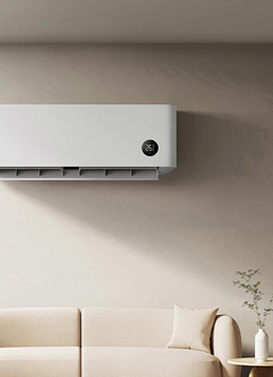
As frigid temperatures and winter storms sweep across the United States, homeowners face a pressing question: What’s the optimal thermostat setting to stay warm without breaking the bank? This winter adds urgency—natural gas prices are projected to rise 26% compared to last winter, while electricity consumption is expected to hit near-record levels (second-highest in five years). The answer isn’t one-size-fits-all, but it is science-backed. With heating accounting for 42% of U.S. household energy use (per the Energy Information Administration), mastering your thermostat can slash bills by 10–30% annually while keeping your home cozy.
1. The Golden Rule: DOE-Recommended Winter Thermostat Baseline
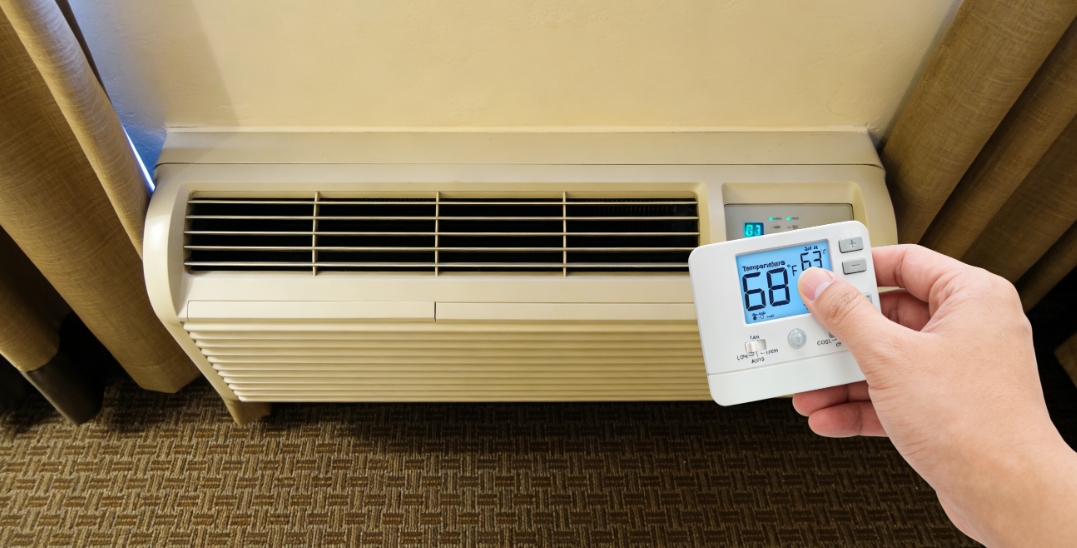
The U.S. Department of Energy (DOE) — the gold standard for energy efficiency — recommends a baseline thermostat setting of 68°F (20°C) when you’re awake and at home. This temperature balances comfort and efficiency because the smaller the gap between indoor and outdoor temperatures, the less your HVAC system works to maintain warmth.
For most families, 68°F feels comfortable with a light sweater or throw blanket—eliminating the need to crank the heat to 72–75°F (22–24°C), which wastes 10–15% more energy. “Every 1°F reduction in temperature over an 8-hour period cuts heating costs by 1%,” confirms Dr. Sarah Mitchell, HVAC Efficiency Specialist at the American Society of Heating, Refrigerating and Air-Conditioning Engineers (ASHRAE). Over a 3-month winter, this adds up to $50–$150 in savings for the average U.S. home.
2. Thermostat Settings for Every Daily Scenario
Customizing your thermostat to your schedule is the key to maximizing savings without sacrificing comfort. Here’s how to adjust settings for common situations:
2.1 Daytime (At Home & Active)
- Range: 68–72°F (20–22°C)
- Room-Specific Tweaks:
- Living rooms, kitchens, and home offices: Lean toward 70–72°F (21–22°C) for comfort during activities like working, cooking, or entertaining.
- Bedrooms (unused during the day): Maintain 68°F (20°C) to avoid wasting heat on empty spaces.
- Pro tip: Use zone heating (e.g., space heaters in frequently used rooms) to keep thermostat levels lower in less-used areas.
2.2 Nighttime (Sleeping)
- Range: 62–66°F (16–19°C)
- Why It Works: The National Sleep Foundation confirms that cooler temperatures promote deeper sleep by regulating core body temperature. This 7–10°F setback from daytime levels delivers 5–8% in monthly savings.
- Exception: If you have infants, elderly family members, or pets, keep temperatures no lower than 65°F (18°C) to ensure their comfort and safety.
2.3 Away from Home (4+ Hours)
- Range: 60–65°F (15–18°C)
- Key Benefit: Prevents unnecessary energy use while safeguarding your home from frozen pipes—a major risk in climates where temperatures drop below 32°F (0°C).
- Extended Vacations: Never set your thermostat below 60°F (15°C). This maintains enough heat to protect plumbing and HVAC systems without wasting energy.
2.4 Room-by-Room Thermostat Adjustments
For even greater efficiency, tailor settings to individual rooms:
- Bathrooms: Temporarily bump to 72–75°F (22–24°C) 15 minutes before showers to avoid post-shower chills, then revert to baseline.
- Basements/Garages: Keep at 60°F (15°C) to prevent freezing pipes and appliances (e.g., water heaters) without heating unused space.
- Home Offices: Maintain 70°F (21°C) to stay focused—studies show moderate temperatures boost productivity by 10–15%.
- Guest Bedrooms: Set to 65°F (18°C) when unoccupied, then adjust to 68°F (20°C) 1 hour before guests arrive.
3. Why a Programmable Thermostat Is Non-Negotiable for Winter

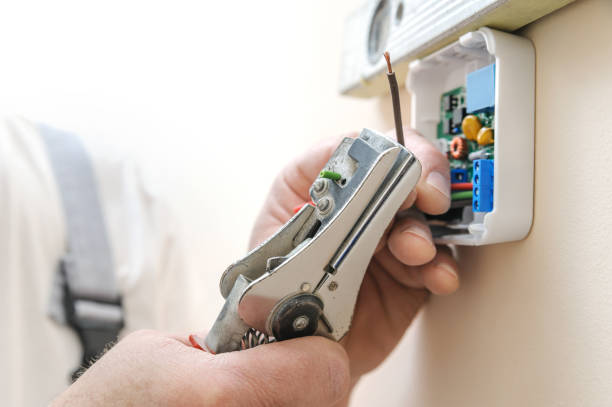
Manual thermostat adjustments are easy to forget—leading to wasted energy when you’re away or discomfort when you return. A programmable thermostat automates your ideal settings, ensuring your home is warm when you need it and efficient when you don’t.
According to Energy Star, programmable thermostats save the average household $180 annually on heating and cooling costs. They eliminate the “human error” factor: forgetting to lower the thermostat before leaving for work, or cranking it up to 75°F (24°C) to “heat faster” (a common myth we’ll debunk later).
This is where Ocean Controls Limited stands out. With over 25 years of HVAC expertise, the company designs programmable thermostats that combine simplicity, durability, and affordability—perfect for U.S. homeowners seeking stress-free winter heating.
4. Ocean Controls Limited: Your Trusted Partner for Winter Thermostat Efficiency
Ocean Controls Limited has earned a reputation for building user-friendly, energy-saving HVAC solutions that meet the unique needs of U.S. households. Here’s why their programmable thermostats are a winter essential:
4.1 User-Centric Design for Every Household
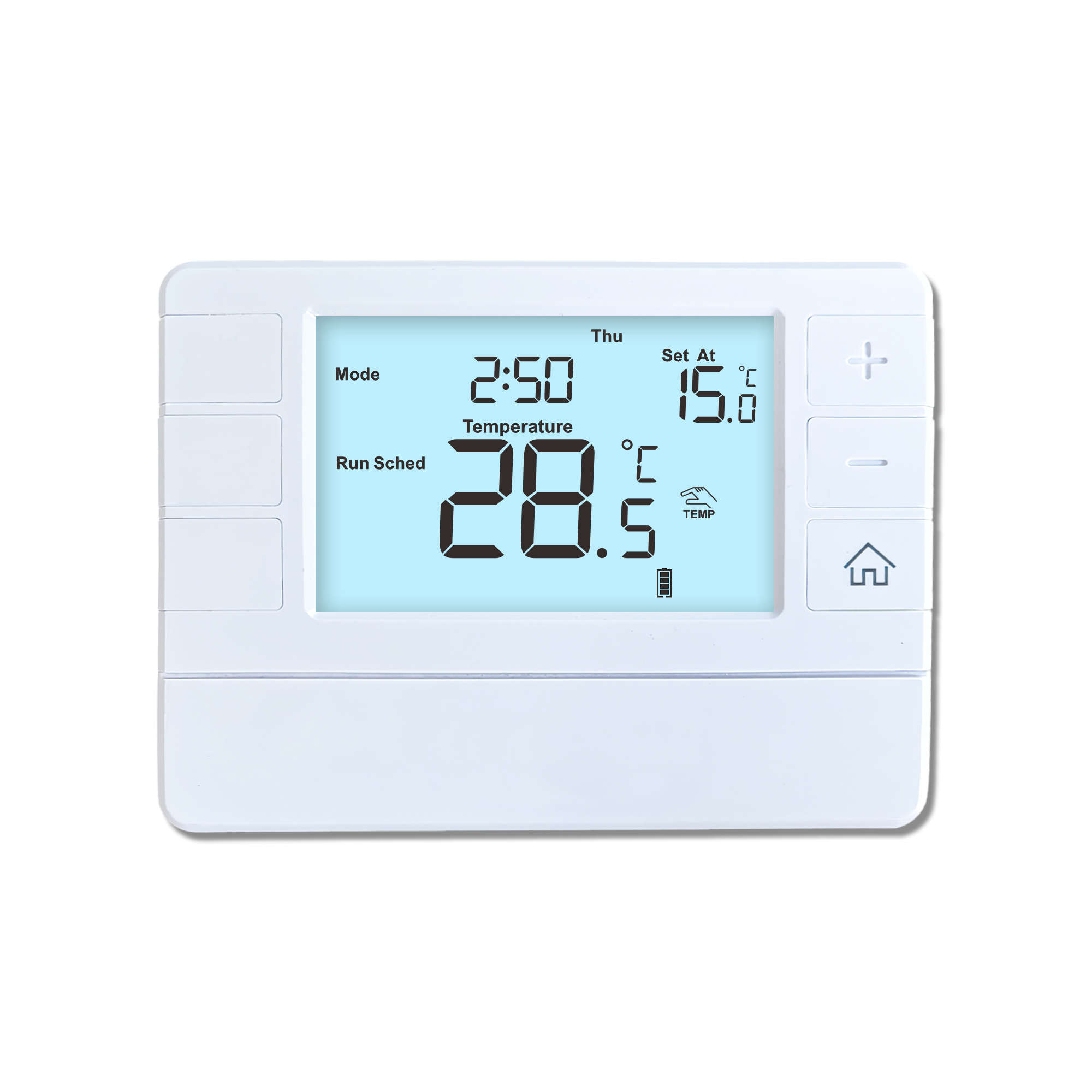
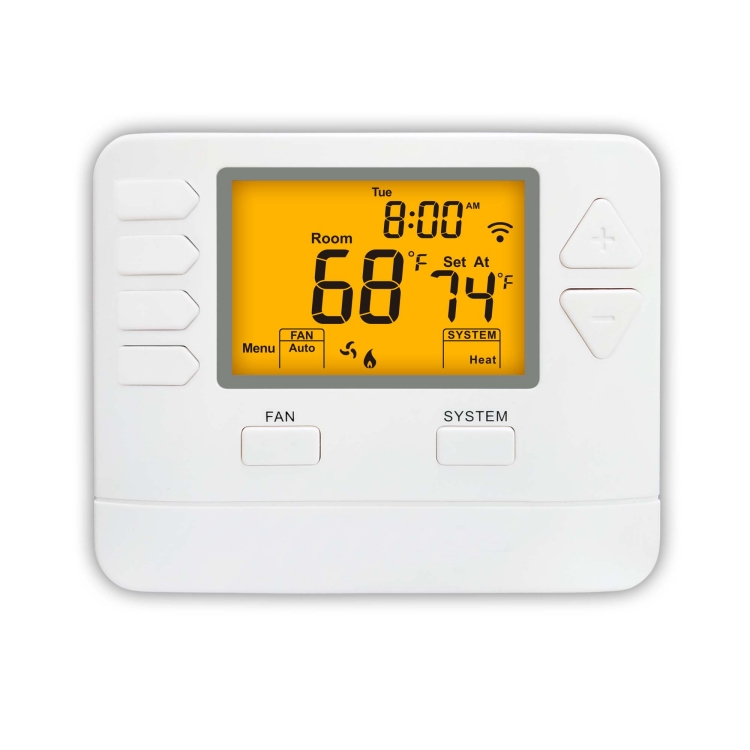
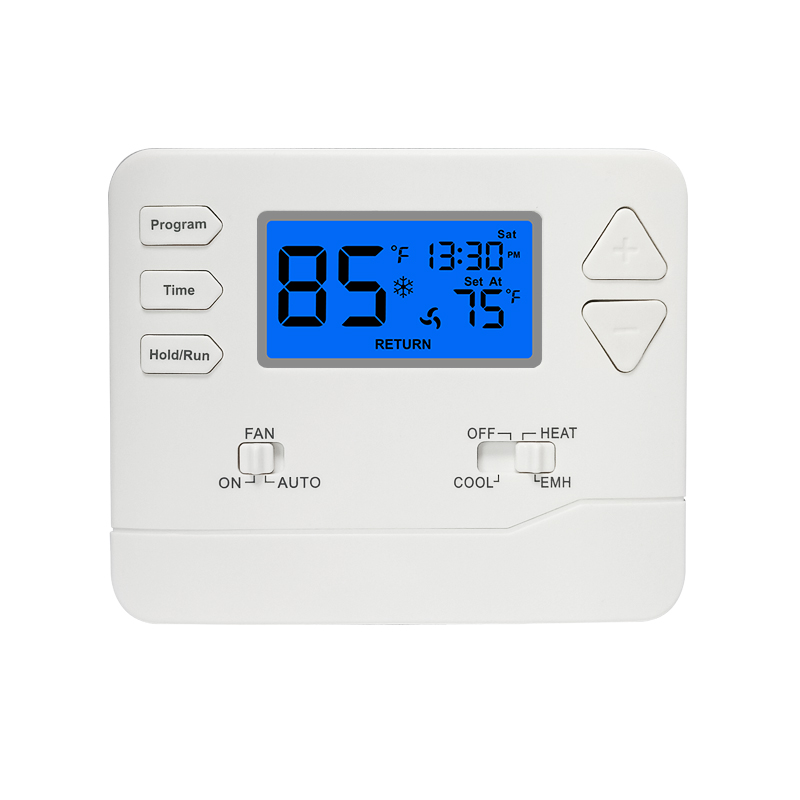
- Large, backlit LCD displays for easy reading in dim lighting (e.g., hallways, basements).
- Intuitive interfaces with plain language and step-by-step programming prompts—no manual required.
- Responsive buttons and touch controls that work even with gloves (a winter must-have!).
4.2 Durability & Compatibility for Long-Term Value
- Rugged plastic housing and dust-resistant components that resist wear and tear.
- A 5-year manufacturer warranty—proof of the company’s confidence in their products.
- Compatibility with 95% of residential HVAC systems, including gas furnaces, heat pumps, electric heaters, and boilers.
4.3 Accessible Savings & Exclusive Winter Promotions
To explore Ocean Controls Limited’s full range of programmable thermostats and find the perfect fit for your home, visit www.riseem.cn. The website offers:
- Detailed product specs and comparison charts.
- A free HVAC compatibility checker (enter your system type to confirm fit).
- Exclusive winter promotions, including discounts, free shipping, and rebate eligibility.
- Customer reviews from U.S. homeowners who’ve saved 10–30% on their heating bills.
5. Common Thermostat Myths Debunked (Don’t Let These Cost You Money!)
Misinformation about thermostat settings leads to billions in wasted energy annually. Let’s set the record straight:
5.1 Myth: Lowering the thermostat uses more energy to reheat later.
Fact: Homes lose heat at a slower rate when the thermostat is set lower. Even if you lower the temperature by 10°F for 8 hours, the energy saved during that period far exceeds the energy needed to reheat the home. The DOE confirms this: “Setback thermostats never use more energy to recover than they save.”
5.2 Myth: Heat pumps need constant high thermostat settings.
Fact: Heat pumps operate most efficiently at steady, moderate temperatures (68°F/20°C). Frequent adjustments (e.g., cranking up to 75°F) force the system into “auxiliary heat” mode, which uses 2–3x more energy. Ocean Controls Limited’s thermostats include heat pump-specific settings to optimize efficiency.
5.3 Myth: A higher thermostat setting heats the home faster.
Fact: Furnaces and heat pumps work at a fixed speed—setting the thermostat to 75°F instead of 68°F won’t heat your home any quicker. It just means the system will run longer to reach an unnecessary temperature, wasting energy and money.
5.4 Myth: Smart thermostats are better than programmable ones.
Fact: For most homeowners, programmable thermostats offer the same savings as smart models—without the high price tag or connectivity issues. Ocean Controls Limited’s programmable thermostats cost 30–50% less than smart alternatives while delivering identical efficiency benefits.
6. Final Tips for Winter Thermostat Success (Maximize Savings & Comfort)

- Pair your thermostat with weatherstripping and door sweeps: Sealing air leaks reduces heat loss by 10–20%, allowing you to keep thermostat settings lower without feeling cold.
- Use a humidifier: Humidity levels between 30–40% make air feel 2–4°F warmer. This lets you lower your thermostat by 2°F and save 4–8% on heating costs.
- Layer clothing and use blankets: Sweaters, throws, and heated blankets are cheaper than energy—they let you stay comfortable at 66°F instead of 68°F.
- Schedule HVAC maintenance: A well-tuned furnace or heat pump runs 15% more efficiently. Combine maintenance with an Ocean Controls Limited thermostat for maximum savings.
- Monitor your energy use: Track bills monthly to see how your thermostat settings impact savings. Ocean Controls Limited’s thermostats include energy usage logs to help you adjust habits.
7. Conclusion
Winter in the USA doesn’t have to be a choice between a cozy home and affordable bills. With the right thermostat settings (68°F baseline, scenario-based adjustments) and a reliable programmable thermostat from Ocean Controls Limited, you can have both.
Ocean Controls Limited’s 15+ years of HVAC expertise, user-friendly design, and 5-year warranty make their thermostats a smart investment for any U.S. homeowner. Whether you’re a busy professional, a retiree, or a family with kids and pets, their devices take the guesswork out of winter heating.
Ready to beat the cold without overspending? Visit www.riseem.cn today to explore Ocean Controls Limited’s programmable thermostats, check compatibility with your HVAC system, and take advantage of exclusive winter promotions. This winter, stay warm, save smart, and enjoy the season—all thanks to the perfect thermostat settings and a trusted device from Ocean Controls Limited.


What’s the Best Thermostat for Your Home Layout? We Break It Down
Home Energy Savings Start With Your Thermostat: Cut Bills Without Sacrificing Comfort
Related Article