
How does an electronic thermostat work
author: Bani
2025-03-08
How does an electronic thermostat work?
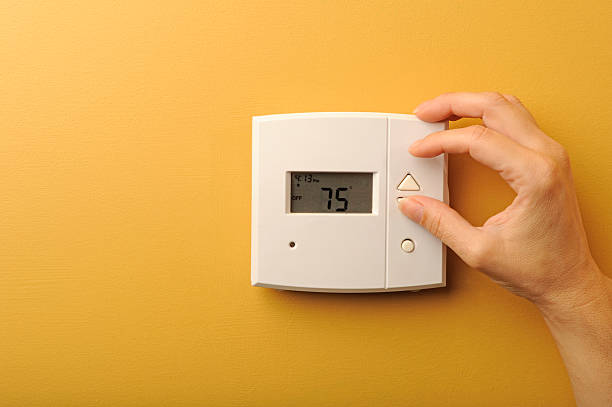
In the modern world of home comfort, the electronic thermostat plays a crucial role. It's a device that many of us rely on daily without fully understanding how it operates. Let's delve into the inner workings of an electronic thermostat.
1. The Basics of an Electronic Thermostat
An electronic thermostat is a key component of your home's heating, ventilation, and air - conditioning (HVAC) system. Unlike traditional mechanical thermostats, it uses electronic sensors and circuits to regulate the temperature. Brands like Ocean Controls Limited have been at the forefront of developing high - quality electronic thermostats that offer precision and reliability.
2. Temperature Sensing
The Sensor
At the heart of an electronic thermostat is a temperature sensor. This sensor is designed to detect the ambient temperature in the room where the thermostat is installed. Commonly, a thermistor is used as the sensor. A thermistor is a type of resistor whose resistance changes with temperature. As the temperature in the room goes up or down, the resistance of the thermistor changes accordingly.
Measuring the Temperature
The thermostat's internal circuitry measures the change in resistance of the thermistor. It then converts this resistance value into a temperature reading. This reading is what you see displayed on the thermostat's screen. Ocean Controls Limited's thermostats are equipped with highly accurate sensors, ensuring that the temperature reading is as precise as possible.
3. Comparing the Set and Measured Temperatures
The Setpoint
You set the desired temperature on the thermostat, known as the setpoint. This is the temperature you want your room to be maintained at. For example, you might set it to 22°C (72°F) during the winter for a comfortable living environment.
The Comparison Process
Once the thermostat has measured the current room temperature, it compares this value with the setpoint. If the measured temperature is lower than the setpoint, the thermostat knows that the room needs to be heated. Conversely, if the measured temperature is higher than the setpoint, it indicates that the room needs to be cooled.
4. Sending Signals to the HVAC System
The Relay
Based on the comparison result, the thermostat sends a signal to the HVAC system. It does this through a relay, which is an electrically - controlled switch. When the thermostat determines that heating or cooling is required, it activates the relay.
System Activation
The activated relay then closes an electrical circuit, sending power to the appropriate part of the HVAC system. If heating is needed, it sends a signal to the furnace or heater to turn on. If cooling is required, it signals the air conditioner to start operating. Ocean Controls Limited's thermostats are designed to send clear and reliable signals to ensure efficient operation of the HVAC system.

5. Maintaining the Desired Temperature
Continuous Monitoring
The electronic thermostat doesn't stop working once it has turned on the HVAC system. It continuously monitors the room temperature. As the temperature approaches the setpoint, the thermostat adjusts its signals to the HVAC system.
Cycling On and Off
To maintain the desired temperature, the thermostat will cycle the HVAC system on and off. For example, if the furnace has heated the room to just below the setpoint, the thermostat will turn off the furnace. As the room temperature starts to drop again, it will turn the furnace back on. This cycling process helps to keep the temperature within a narrow range around the setpoint.
6. Advanced Features
Programmability
Many electronic thermostats, including those from Ocean Controls Limited, offer programmable features. You can set different temperature schedules for different times of the day or days of the week. For example, you can program the thermostat to lower the temperature at night when you're sleeping or when you're away from home, which can save energy.
Connectivity
Some modern electronic thermostats are Wi - Fi enabled. This allows you to control the thermostat remotely using a smartphone app. You can adjust the temperature settings even when you're not at home, providing added convenience and flexibility.
In conclusion, an electronic thermostat is a sophisticated device that uses electronic sensors, comparison circuits, and relays to regulate the temperature in your home. With the advanced features offered by brands like Ocean Controls Limited, it provides not only comfort but also energy efficiency and convenience.


Smart Thermostats: Revolutionize Your Home Heating Efficiency
Is smart thermostat really worth it
Related Article
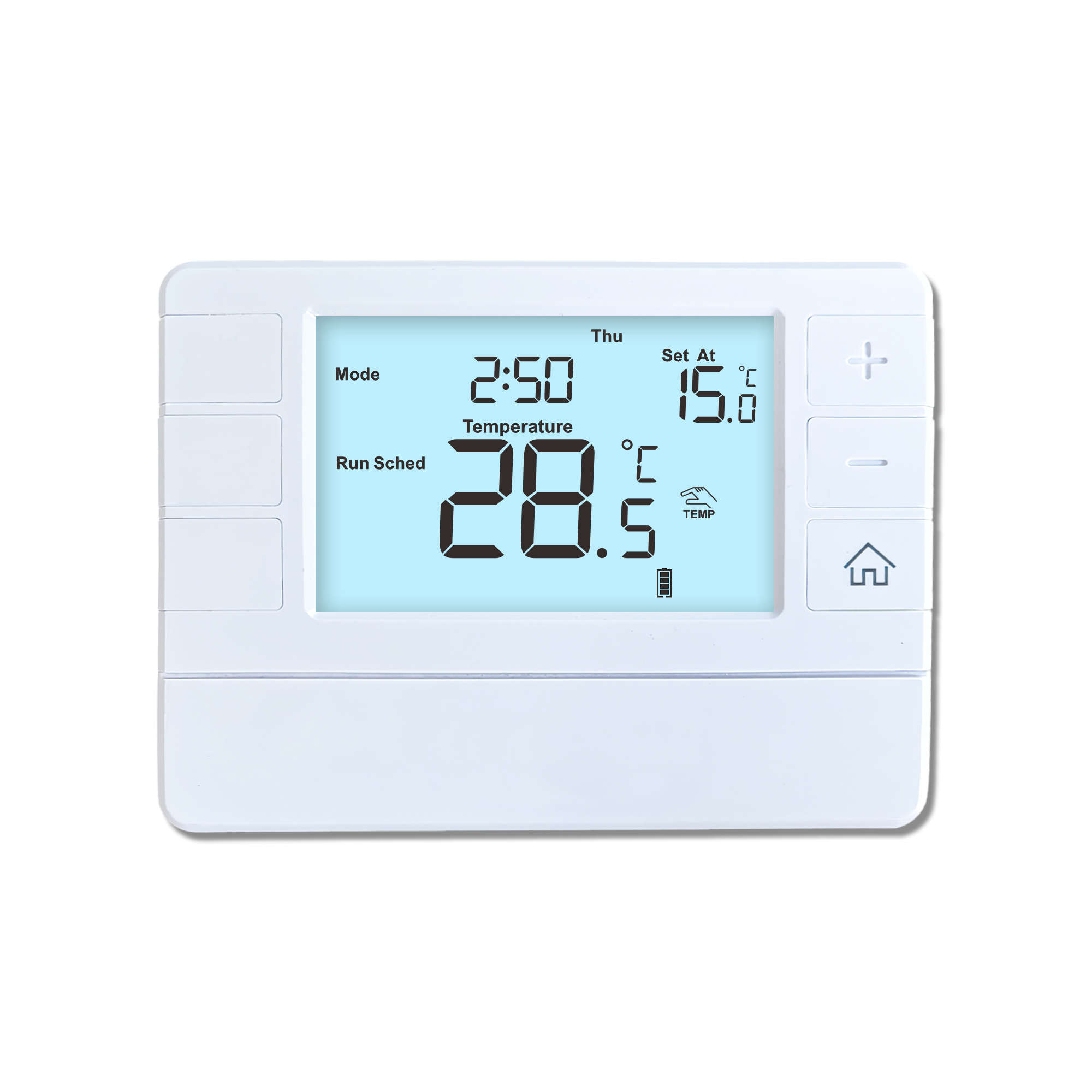
This shift has made traditional, manual thermostats obsolete, paving the way for advanced smart technologies.
Why You Need a Smart Thermostat
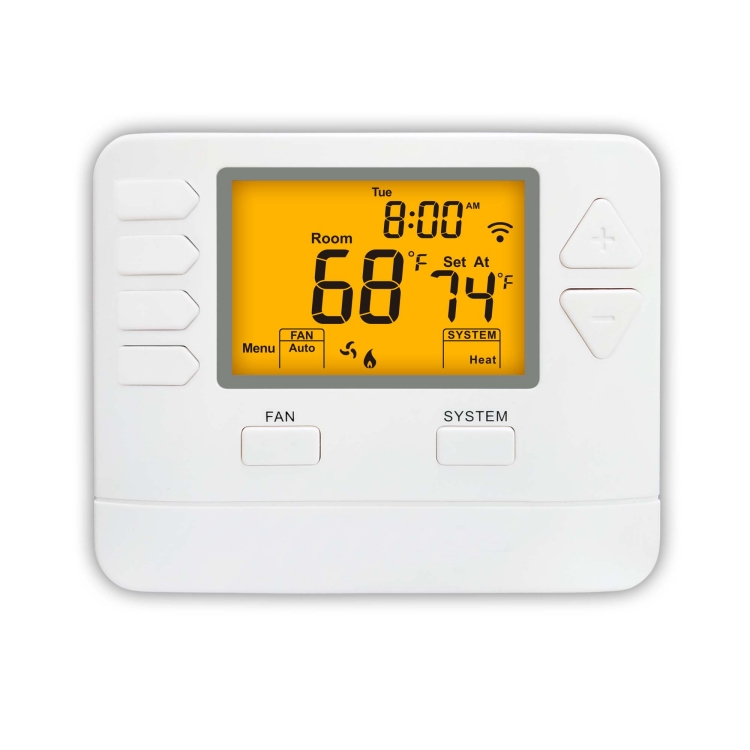
A true 7 Day programmable room thermostat offers the ultimate granular control. It allows users to program a distinct, customized heating and cooling schedule for every single day of the week.
How a 7 Day Programmable Room Thermostat Maximizes Home Comfort and Efficiency
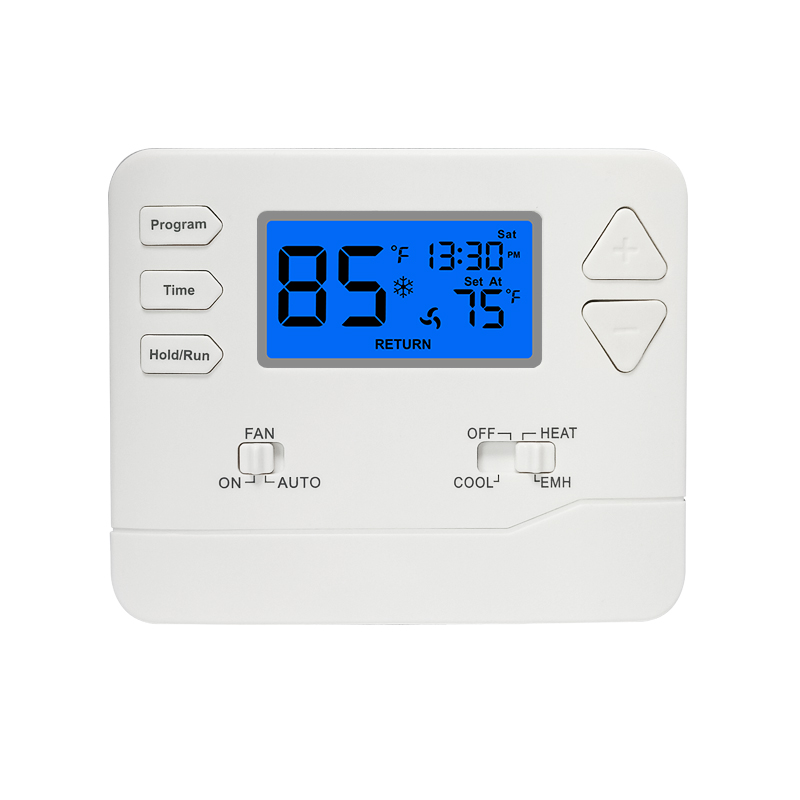
A premium Riseem thermostat is not just a digital display on your wall; it is the ultimate gatekeeper of your indoor environment.
Why a Quality Thermostat Is the Key to a More Comfortable Home
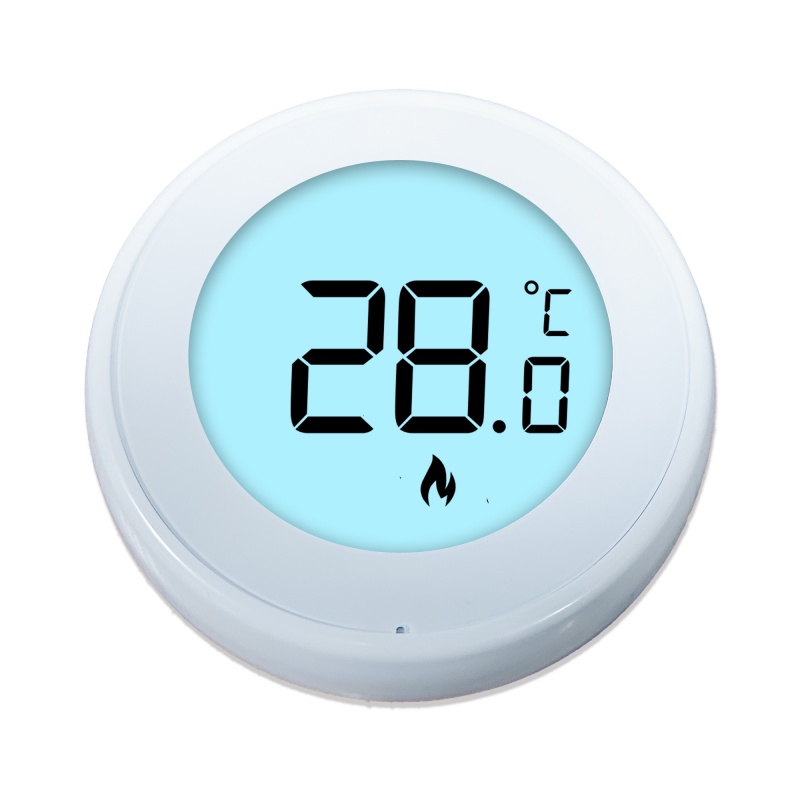
While the TUYA app provides the elegant interface, the physical thermostat remains the brain of the operation. Riseem has engineered a device that looks minimalist on your wall while delivering industrial-grade precision to your HVAC equipment.
Welcome to the Future of Home Automation The Ultimate Guide to TUYA WIFI Smart Thermostats