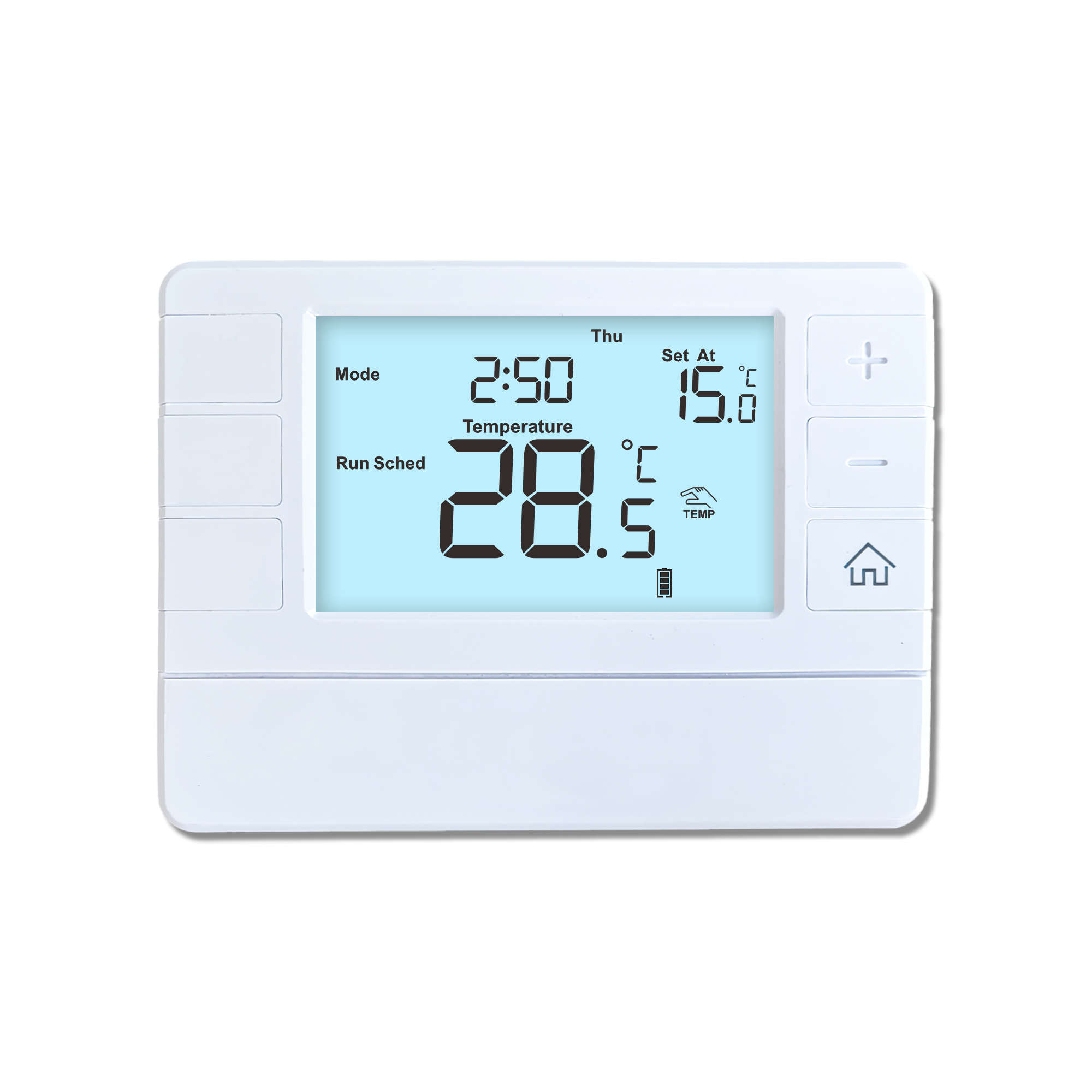
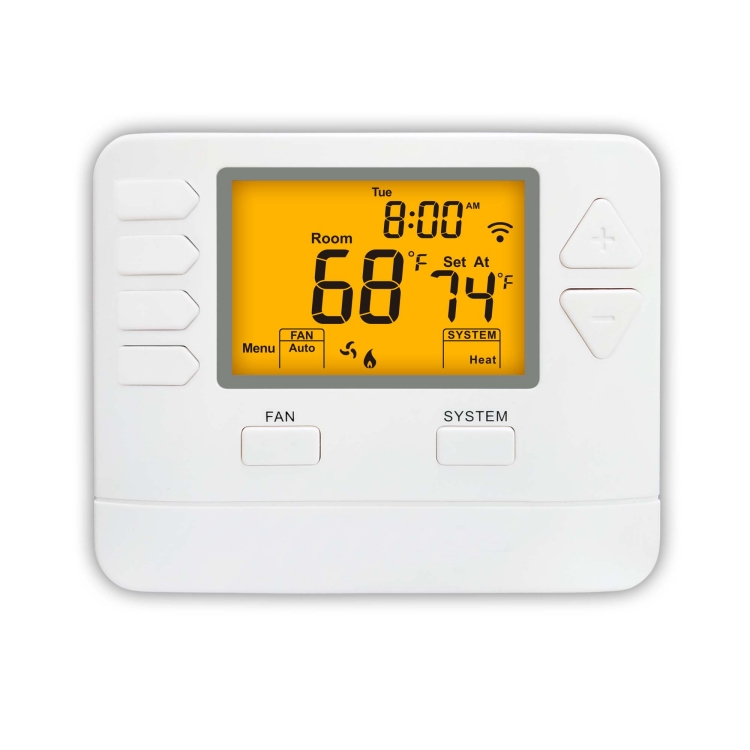
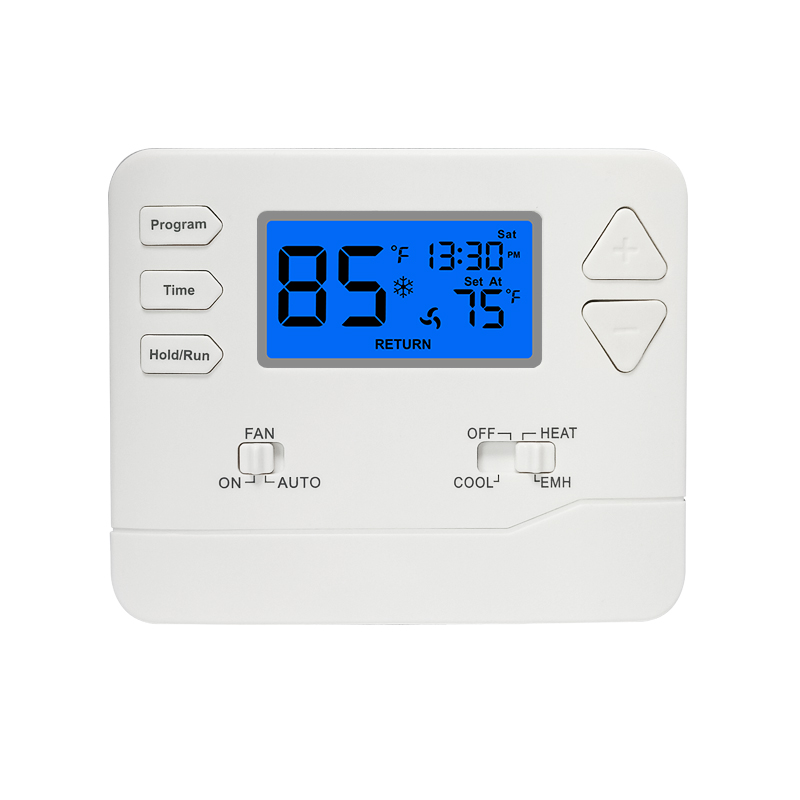
2H 1C Heat Pump Thermostat With Emergency Heat vs Conventional HVAC
2H 1C Heat Pump Thermostat With Emergency Heat vs Conventional HVAC: Which is Right for You?

Introduction: Unraveling the Heating and Cooling Dilemma
Choosing the right heating and cooling system for your home is a decision that impacts comfort, energy bills, and long-term maintenance costs. Two popular options on the market are the 2H 1C heat pump with emergency heat and the conventional HVAC system. Each has unique strengths, weaknesses, and ideal use cases—but the key to maximizing either system’s performance lies in a reliable thermostat and expert support. In this blog, we’ll break down how each system works, compare their efficiency and cost, and highlight how Ocean Controls Limited—a leader in climate control solutions—can help you make the most of your investment. Whether you’re building a new home or upgrading an outdated system, this guide will help you choose the right option for your needs. For more resources and product details, visit www.riseem.cn.
What is a 2H 1C Heat Pump with Emergency Heat?
A 2H 1C heat pump is a versatile heating and cooling system designed to handle most climate conditions while prioritizing energy efficiency. Let’s break down its key components and functionality:
Core Components
- Heat Pump Unit: The primary heating and cooling component that transfers heat between indoor and outdoor air (instead of generating heat directly).
- Emergency Heat (Auxiliary Heat): A backup heating source (usually electric resistance coils or a gas furnace) that activates when temperatures drop too low for the heat pump to operate efficiently (typically below 25–30°F).
- Air Handler: Distributes heated or cooled air throughout your home via ductwork.

How It Works
In cooling mode, the heat pump acts like a traditional air conditioner, removing heat from your home and expelling it outside. In heating mode, it reverses the process—absorbing heat from outdoor air (even in cold weather) and transferring it indoors. The "2H" (2 Heating) designation means the system uses two heating stages: the heat pump (primary, energy-efficient) and emergency heat (secondary, for extreme cold). The "1C" (1 Cooling) stage refers to a single cooling setting, which is sufficient for most homes.
Emergency heat kicks in automatically when the heat pump can’t keep up with the set temperature (detected via the thermostat) or can be activated manually for situations like heat pump maintenance. This dual-heating design makes the system reliable in both mild and cold climates.
How Does a Conventional HVAC System Work?
A conventional HVAC (Heating, Ventilation, and Air Conditioning) system is a separate heating and cooling setup that relies on distinct components for each function. Here’s a breakdown of its operation:
Core Components
- Heating Unit: Typically a gas furnace, oil furnace, or electric resistance heater that generates heat by burning fuel or using electricity.
- Air Conditioner: A standalone cooling unit that removes heat from indoor air and releases it outside.
- Ductwork & Ventilation: Distributes conditioned air and maintains indoor air quality via vents and returns.

How It Works
Heating mode: The furnace ignites fuel (or activates electric coils) to generate heat, which is then blown through ductwork by a blower fan. Cooling mode: The air conditioner’s compressor circulates refrigerant to absorb heat from indoor air, cooling it before distribution. Unlike a heat pump, a conventional system doesn’t transfer heat—it generates it directly for heating and removes it for cooling.
This separation means the system is straightforward to maintain and repair, but it often uses more energy than a heat pump in mild to moderate climates. Conventional HVAC is most common in regions with extreme cold (where heat pumps struggle) or in older homes with existing furnace infrastructure.
The Role of the Thermostat in Both Systems
No heating or cooling system works effectively without a high-quality thermostat—the "brain" that controls temperature, mode selection, and component activation. The right thermostat ensures both systems operate efficiently, reliably, and in line with your comfort preferences.
The Brain of the Operation: Thermostat in 2H 1C Heat Pumps
For a 2H 1C heat pump, the thermostat has specialized functionality to manage the dual-heating stages and cooling mode:
- Mode Selection: Lets you switch between heating, cooling, fan-only, and emergency heat modes.
- Stage Activation: Automatically triggers the heat pump first (energy-efficient) and switches to emergency heat only when needed. The thermostat monitors outdoor and indoor temperatures to make this call, preventing unnecessary energy use.
- Temperature Calibration: Ensures accurate temperature readings to avoid overworking the system. Advanced models (like those from Ocean Controls Limited) offer precise calibration for consistent comfort.
- Programming: Smart thermostats allow you to set schedules for heating/cooling, optimizing energy use when you’re away or asleep.
Without a compatible thermostat, a 2H 1C heat pump may fail to switch between stages properly—leading to inefficient operation, cold spots, or high energy bills. Ocean Controls Limited offers smart thermostats specifically designed for heat pump systems, ensuring seamless integration and maximum performance.

Thermostat Functionality in Conventional HVAC
In a conventional HVAC system, the thermostat focuses on simple, reliable control of separate heating and cooling components:
- Mode Switching: Lets you toggle between heating (furnace) and cooling (AC) modes, with a fan-only option for ventilation.
- Temperature Control: Signals the furnace or AC to turn on/off when the indoor temperature deviates from the setpoint. For example, if the thermostat detects the temperature is 5°F below the setpoint, it activates the furnace until the desired temperature is reached.
- Fan Speed Adjustment: Controls the blower fan speed to adjust air flow and comfort levels.
- Compatibility: Conventional systems work with most standard thermostats, but smart models add programming and remote control features for better energy management.
While the thermostat functionality is simpler for conventional HVAC, it’s still critical to choose a model that matches your system’s fuel type (gas, electric) and voltage. Ocean Controls Limited’s thermostats are compatible with both conventional and heat pump systems, offering flexibility for homeowners who may upgrade later.
Energy Efficiency and Cost Comparison
Energy efficiency and cost are two of the most important factors when choosing between a 2H 1C heat pump and conventional HVAC. Let’s compare them side by side:
Energy Consumption
2H 1C Heat Pump:
Heat pumps are highly efficient in mild to moderate climates (temperatures above 25°F) because they transfer heat rather than generate it. They can produce 2–3 units of heat for every 1 unit of electricity used (a COP, or Coefficient of Performance, of 2–3). However, efficiency drops in extreme cold, and emergency heat (which has a COP of ~1) may be used more frequently, increasing energy use. Overall, heat pumps can reduce heating costs by 30–50% compared to electric resistance heating in moderate climates.
Conventional HVAC:
Gas furnaces have high efficiency ratings (AFUE, Annual Fuel Utilization Efficiency, of 80–98%), meaning they convert most fuel into heat. However, gas is a fossil fuel, and furnaces still generate more greenhouse gas emissions than heat pumps. Electric furnaces are less efficient (COP ~1) and often more expensive to operate than heat pumps in mild weather. Air conditioners in conventional systems have similar efficiency to heat pump cooling modes (SEER ratings of 14–21).

Installation and Maintenance Costs
2H 1C Heat Pump:
Installation costs are typically higher ($4,000–$8,000) than conventional HVAC because of the heat pump unit and emergency heat components. However, many regions offer rebates or tax incentives for heat pump installations, offsetting upfront costs. Maintenance is moderate: annual checkups for the heat pump coil, refrigerant levels, and thermostat calibration cost $100–$200/year.
Conventional HVAC:
Installation costs vary by fuel type: gas furnace + AC systems cost $5,000–$10,000 (higher than heat pumps in some cases), while electric furnace + AC setups are $3,000–$6,000. Maintenance is fuel-dependent: gas furnaces require annual inspections ($80–$150) for safety (e.g., gas line checks), while AC units need coil cleaning and refrigerant checks ($100–$150/year). Over time, gas furnace parts (e.g., burners) may need replacement, adding to long-term costs.
Ocean Controls Limited: Your Partner in Heating and Cooling Solutions
Whether you choose a 2H 1C heat pump or conventional HVAC system, Ocean Controls Limited has the expertise and products to ensure optimal performance. With over 15 years in the industry, the company specializes in climate control solutions that balance efficiency, reliability, and user-friendliness.
Expertise in System Integration
Ocean Controls Limited doesn’t just sell products—they provide end-to-end support, from system selection to installation. Their team of certified technicians can:
- Assess your home’s size, climate, and ductwork to recommend the right system (2H 1C heat pump or conventional HVAC).
- Ensure seamless integration with a compatible thermostat (critical for heat pump stage control).
- Offer energy audits to help you maximize efficiency and reduce utility bills.
Visit www.riseem.cn to schedule a free consultation.
Recommended Products for Both Systems
For 2H 1C Heat Pumps:
The Ocean Controls Smart Heat Pump Thermostat is designed to manage dual heating stages and emergency heat. Features include auto-stage switching, outdoor temperature sensing, and Wi-Fi connectivity for remote control via the Riseem app.
For Conventional HVAC:
The Ocean Controls Universal Comfort Thermostat works with gas, electric, and oil furnaces, plus AC units. It offers programmable scheduling, fan speed control, and compatibility with most legacy systems.
Both thermostats are backed by a 1-year warranty and 24/7 customer support. Explore the full product line at www.riseem.cn.

Conclusion: Making an Informed Decision
Choosing between a 2H 1C heat pump with emergency heat and a conventional HVAC system depends on your climate, budget, and long-term goals:
- Choose a 2H 1C heat pump if you live in a mild to moderately cold climate, prioritize energy efficiency, and want a single system for heating and cooling. The higher upfront cost is offset by lower utility bills over time, especially with a smart thermostat from Ocean Controls Limited.
- Choose a conventional HVAC system if you live in an extremely cold region (where heat pumps struggle), already have a gas furnace, or prefer the simplicity of separate heating and cooling components.
No matter which system you choose, a high-quality thermostat is essential for efficiency and comfort. Ocean Controls Limited’s expertise and products ensure your system performs at its best for years to come. Visit www.riseem.cn today to explore solutions tailored to your home.
Riseem 2 Heat 2 Cool Programmable Room Air Conditioning Thermostat
Riseem STN701 Non-Programmable Thermostats for Home 1 Heat/1 Cool Conventional Single-Stage Systems
Related Article