Cut Winter Heating Costs by Setting Your Thermostat to This Temperature
Cut Winter Heating Costs by Setting Your Thermostat to This Temperature
The Optimal Thermostat Temperature for Saving on Winter Heating Bills and How Ocean Controls Limited Can Help

1. Introduction
Winter brings cozy nights by the fire, holiday gatherings, and unfortunately—sky-high heating bills. For most homeowners, heating accounts for 40-60% of winter energy costs, leaving many searching for ways to save without sacrificing comfort. The solution? It all starts with your thermostat. Setting your thermostat to the right temperature is one of the simplest, most effective ways to cut heating expenses—no expensive upgrades or lifestyle changes required. In this blog, we’ll reveal the optimal winter temperature for savings, explain why it works, and show how Ocean Controls Limited’s smart thermostats can supercharge your efficiency. Ready to keep warm and keep more money in your pocket? Let’s dive in.
2. The Impact of Thermostat Temperature on Heating Costs
Your thermostat is the command center for your home’s heating system—and even small adjustments can lead to big savings. Research from the U.S. Department of Energy (DOE) shows that for every 1°F you lower your thermostat (for 8 hours or more), you can reduce heating costs by 1-3%. Over a typical winter (3-4 months), this adds up to 10-30% in total savings—enough to cover holiday gifts or a winter getaway.
The science is simple: Heating systems work harder to maintain higher temperatures, especially when the outdoor temperature drops. If your thermostat is set to 72°F instead of 68°F, your furnace or heat pump has to work overtime to bridge the gap between indoor and outdoor temperatures. This extra effort translates directly to higher energy use and bigger bills. The reverse is also true: Lowering the temperature reduces the workload for your heating system, cutting energy consumption without noticeable discomfort for most households.

3. The Magic Temperature for Cost-Cutting
After decades of research, energy experts and organizations like the DOE have pinpointed the "sweet spot" for winter thermostat settings—a temperature that balances comfort and efficiency perfectly.
3.1 What is the ideal temperature?
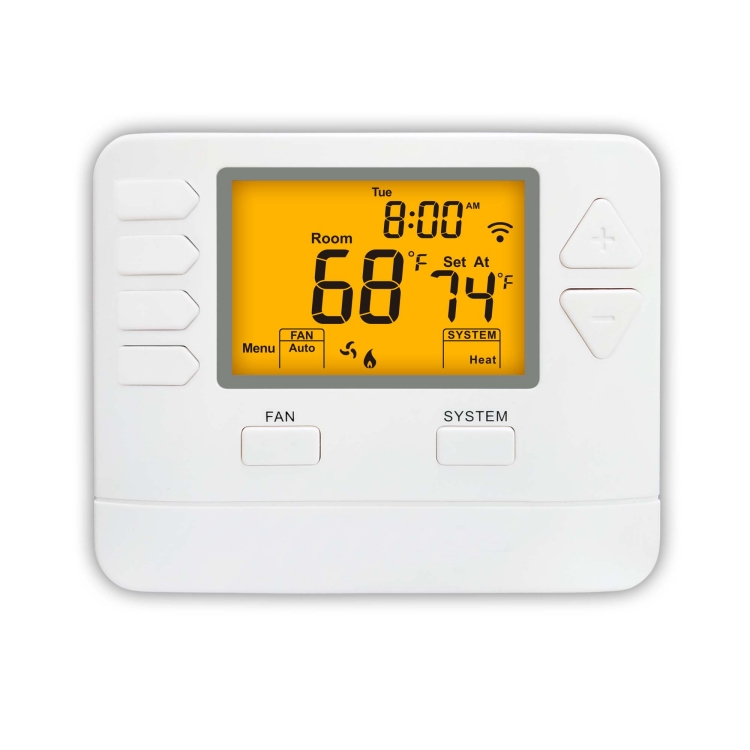
The optimal winter temperature for saving money on heating is 68°F (20°C). This temperature is comfortable for most people during waking hours, and it’s low enough to reduce your heating system’s workload significantly. The DOE confirms that setting your thermostat to 68°F while you’re home and active can cut heating costs by 10-20% compared to higher settings (e.g., 72-74°F).
For even greater savings, lower the temperature further when you’re away or asleep. The DOE recommends setting it to 60-62°F during these times—you won’t notice the difference while you’re bundled up in bed or out of the house, but your wallet will. Over a winter season, this simple adjustment can add up to hundreds of dollars in savings.
3.2 How does it work?
Why is 68°F so effective? It all comes down to heat loss. Heat naturally flows from warmer areas to cooler areas, so the larger the difference between your indoor and outdoor temperature, the faster heat escapes your home. By keeping your indoor temperature at 68°F, you minimize this temperature gap, reducing the amount of heat your system needs to generate to maintain comfort.
For example, if the outdoor temperature is 30°F, a 68°F indoor setting creates a 38°F difference. If you raise the thermostat to 74°F, that difference jumps to 44°F—your heating system has to work 15-20% harder to compensate for the extra heat loss. At 68°F, your system runs less frequently, uses less energy, and lasts longer (reducing maintenance costs too).
Comfort is subjective, but 68°F works for most people because our bodies adapt to moderate temperatures. Adding a sweater, throw blanket, or area rug can make the space feel warmer without adjusting the thermostat—a small trade-off for big savings.

4. Ocean Controls Limited: Your Partner in Energy-Efficient Heating
Setting your thermostat to 68°F is a great start, but to maximize savings, you need a thermostat that works as hard as you do. That’s where Ocean Controls Limited comes in. For over 15 years, Ocean Controls Limited has been designing smart, reliable thermostats that make energy efficiency easy. Their products are engineered to help homeowners save money while staying comfortable—and they’re backed by a commitment to quality and innovation.
What sets Ocean Controls Limited’s thermostats apart? Here are the key features that enhance winter savings:
- Programmable Schedules: Set your thermostat to 68°F during the day, 60°F at night, and 62°F when you’re at work—all automatically. No more forgetting to adjust the temperature before leaving home.
- Remote Access: Control your thermostat from anywhere via the Ocean Controls app (compatible with iOS and Android). If you’re stuck at work late or decide to take a weekend trip, lower the temperature with a tap on your phone.
- Adaptive Learning: Advanced models learn your habits over time, suggesting optimal temperature settings to maximize savings. For example, if you usually turn down the thermostat at 10 PM, the thermostat will start doing it automatically.
- Energy Usage Reports: Track how much energy you’re using and how much you’re saving with monthly reports. The app highlights trends and offers tips to cut costs even further.
All Ocean Controls Limited thermostats are compatible with most heating systems (furnaces, heat pumps, boilers) and are easy to install—no electrician required. To explore their full range of energy-efficient thermostats and find the perfect fit for your home, visit www.riseem.cn.
5. Tips for Using Your Thermostat Effectively
Setting your thermostat to 68°F is just the beginning. Here are additional tips to get the most out of your thermostat and boost winter savings:
- Avoid frequent adjustments: Constantly raising and lowering the temperature causes your heating system to short-cycle (turn on and off frequently), which wastes energy. Set a schedule and stick to it.
- Use "Away" mode: If you’re leaving home for more than a few hours, activate "Away" mode on your smart thermostat. Most models lower the temperature to 60-62°F automatically.
- Pair with insulation: A well-insulated home retains heat better, so your thermostat doesn’t have to work as hard. Seal drafty windows, insulate attics, and use door sweeps to keep cold air out.
- Don’t heat empty rooms: If you have guest bedrooms or unused spaces, close the doors and lower the temperature in those rooms (if you have a zoned system). There’s no need to heat areas no one is using.
- Test and adjust: Everyone’s comfort level is different. If 68°F feels too cool, try 69-70°F—you’ll still save more than keeping it at 72°F. Experiment to find your personal balance of comfort and savings.
6. Conclusion
Winter heating costs don’t have to break the bank. By setting your thermostat to 68°F during waking hours and lowering it when you’re away or asleep, you can cut heating bills by 10-30%—all without sacrificing comfort. This simple adjustment, combined with a smart thermostat from Ocean Controls Limited, makes energy efficiency effortless.
Ocean Controls Limited’s thermostats take the guesswork out of saving money, with programmable schedules, remote access, and adaptive learning that ensure you’re always using the optimal temperature. To explore their products and start your winter savings journey, visit www.riseem.cn today.
This winter, stay warm, stay comfortable, and keep more money in your pocket. Your thermostat holds the key—start with 68°F, and let the savings begin.
Reliable WiFi thermostats for convenient smart home control
The hidden advantages of energy-saving thermostats double the comfort of the entire house.
Related Article