
a/c thermostat settings
author: Lily
2025-05-19
A/C Thermostat Settings
The settings of an A/C thermostat play a vital role in ensuring indoor comfort while also impacting your energy bills. Here, we'll answer some frequently asked questions about A/C thermostat settings in a clear Q&A format to help you make the most of your air - conditioning system.

Q: What are the fundamental principles of A/C thermostat settings?
A: The main job of an A/C thermostat is to control the temperature. It constantly monitors the room's temperature. When the ambient temperature exceeds the value you've set on the thermostat, it sends a signal to activate the air conditioning unit, which starts cooling the air. Once the room reaches the desired temperature, the thermostat turns off the A/C to maintain that level. This operation is based on the concept of thermal equilibrium. Although different thermostats might have extra features like fan - only modes or the ability to be programmed, the core function of regulating temperature remains unchanged.

Q: What is the best A/C thermostat setting for daily comfort?
A: For most people during the summer, a setting between 72°F and 78°F (22°C - 26°C) strikes a good balance for daily comfort. This temperature range keeps the air cool enough to feel pleasant without overworking the A/C system, which can lead to higher energy consumption. However, personal preferences vary widely. Some individuals might prefer a cooler setting closer to 72°F, while others find 78°F more comfortable. Additionally, factors like humidity levels, the number of people in the room, and the amount of sunlight coming into the space can all affect how comfortable you feel and, consequently, the ideal temperature setting. Higher humidity, more occupants, or intense sunlight can make you feel warmer, potentially causing you to lower the thermostat setting slightly.
Q: How should I adjust my A/C thermostat settings when I'm away from home?
A: When you're going to be away from home for an extended period, it's a smart move to raise the thermostat setting. Increasing the temperature by 5 - 8°F can lead to significant energy savings without allowing your home to become uncomfortably hot. Smart thermostats are extremely useful in this situation. You can use a smartphone app to program the thermostat to raise the temperature a few hours before you leave and then lower it again shortly before you return. This way, you'll come back to a comfortable home while saving energy in the meantime. Even if you don't have a smart thermostat, simply adjusting the temperature manually before you leave can still make a noticeable difference in reducing your energy usage and cutting down on your electricity bill.
Q: Are there specific A/C thermostat settings for saving energy?
A: Yes, there are several effective strategies. If your thermostat has programmable features, take full advantage of them. Set higher temperatures during the day when no one is at home and lower temperatures only during the hours when people are present and need the cooling. Use the fan - only mode sparingly because running the fan continuously uses electricity and isn't always necessary. Instead, opt for the auto - fan setting, which ensures the fan runs only when the A/C unit is actively cooling. Also, avoid setting the thermostat at an extremely low temperature in an attempt to cool the room faster. The A/C unit operates at a fixed cooling capacity, and setting a much lower temperature than needed will only waste energy and increase your utility costs without actually cooling the room any quicker.
Q: How do I change the settings on a programmable A/C thermostat?
A: The process differs depending on the specific model of your thermostat. Generally, you first need to access the programming menu, usually by pressing a button labeled “Program” or “Settings.” Once you're in the menu, use the arrow keys or other control buttons to navigate through the options. You can then set different temperatures for various time periods, such as morning, afternoon, evening, and night. Some thermostats even allow you to create separate schedules for weekdays and weekends. After making all the changes you want, don't forget to save the settings, typically by pressing a “Save” or “Done” button. If you're not sure about the exact steps, referring to the user manual that came with your thermostat will provide detailed and specific instructions.
In conclusion
understanding A/C thermostat settings is essential for achieving both comfort and energy efficiency. By knowing the answers to these common questions and making appropriate adjustments based on different circumstances, you can enjoy a pleasant indoor environment while keeping your energy costs under control.


thermostat stopped working
can a hvac thermostat go bad
Related Article
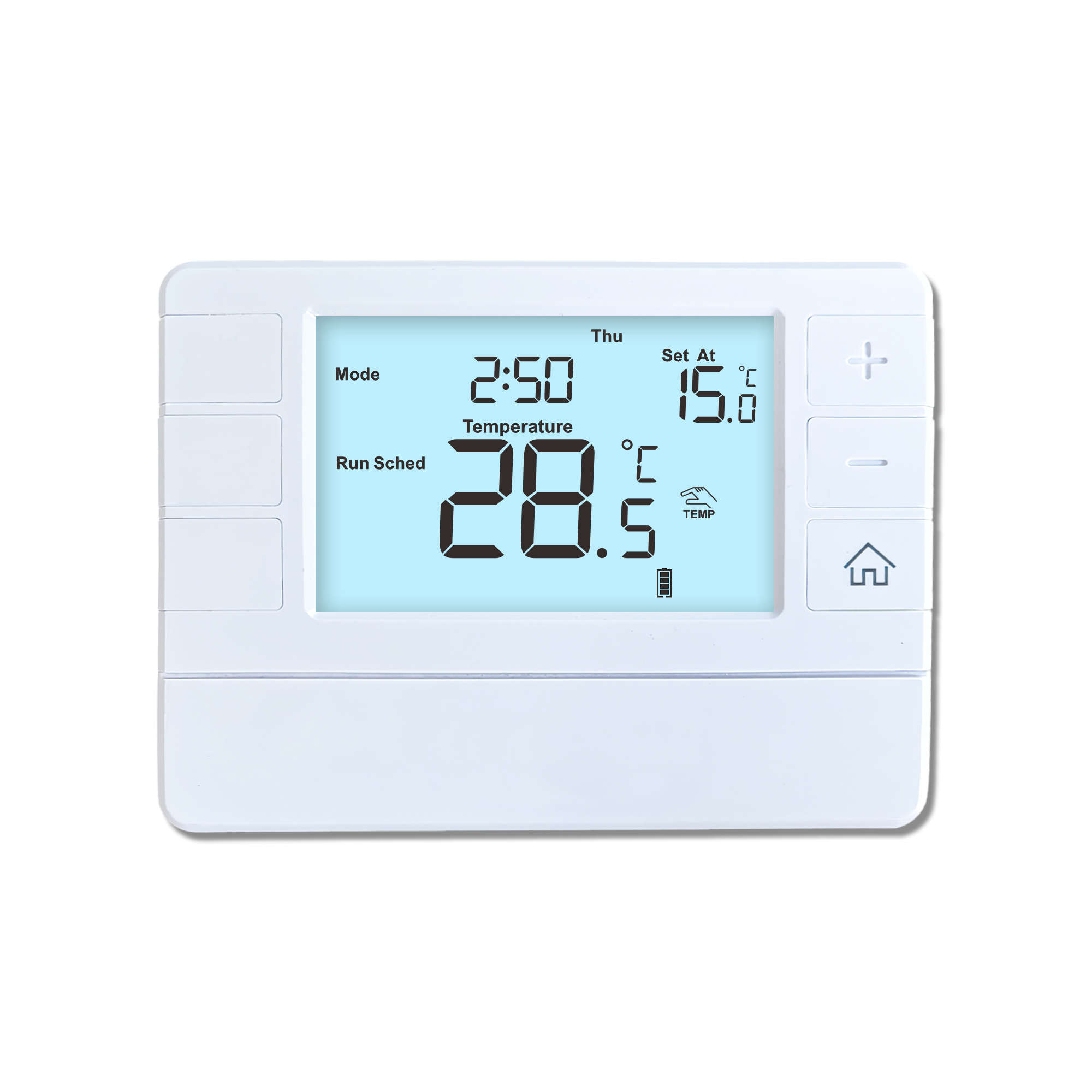
This shift has made traditional, manual thermostats obsolete, paving the way for advanced smart technologies.
Why You Need a Smart Thermostat
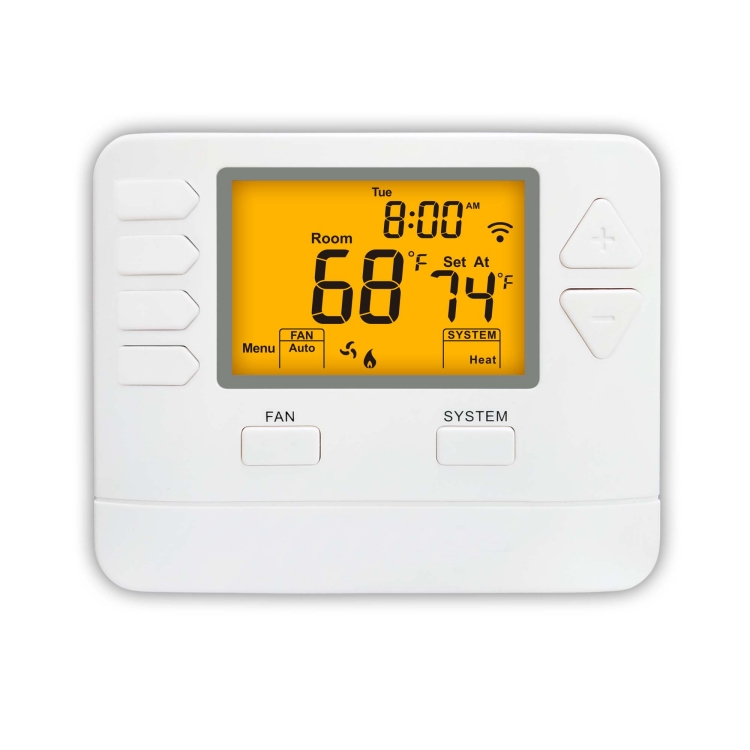
A true 7 Day programmable room thermostat offers the ultimate granular control. It allows users to program a distinct, customized heating and cooling schedule for every single day of the week.
How a 7 Day Programmable Room Thermostat Maximizes Home Comfort and Efficiency
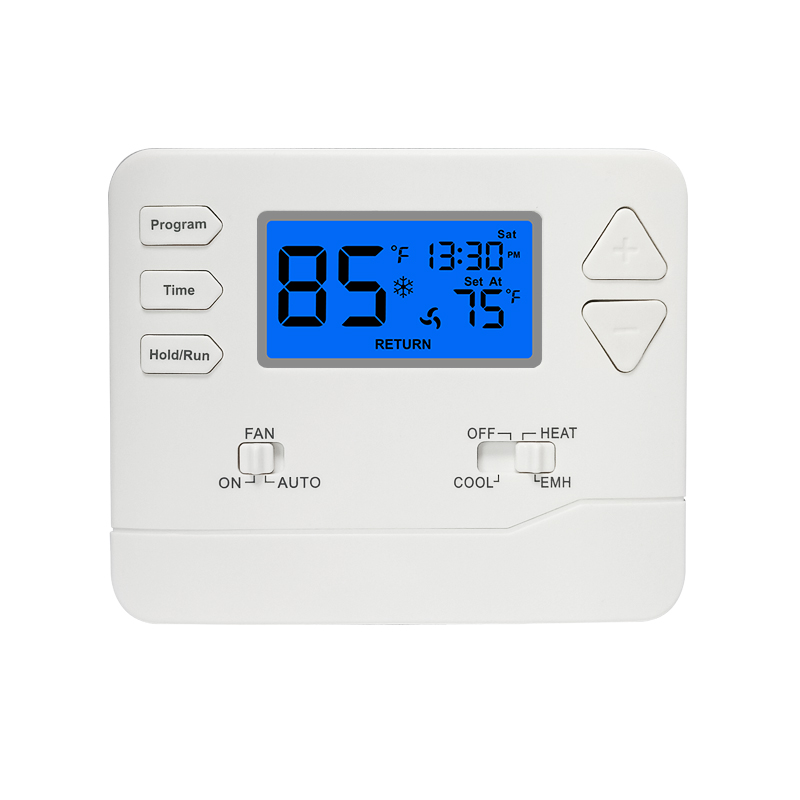
A premium Riseem thermostat is not just a digital display on your wall; it is the ultimate gatekeeper of your indoor environment.
Why a Quality Thermostat Is the Key to a More Comfortable Home
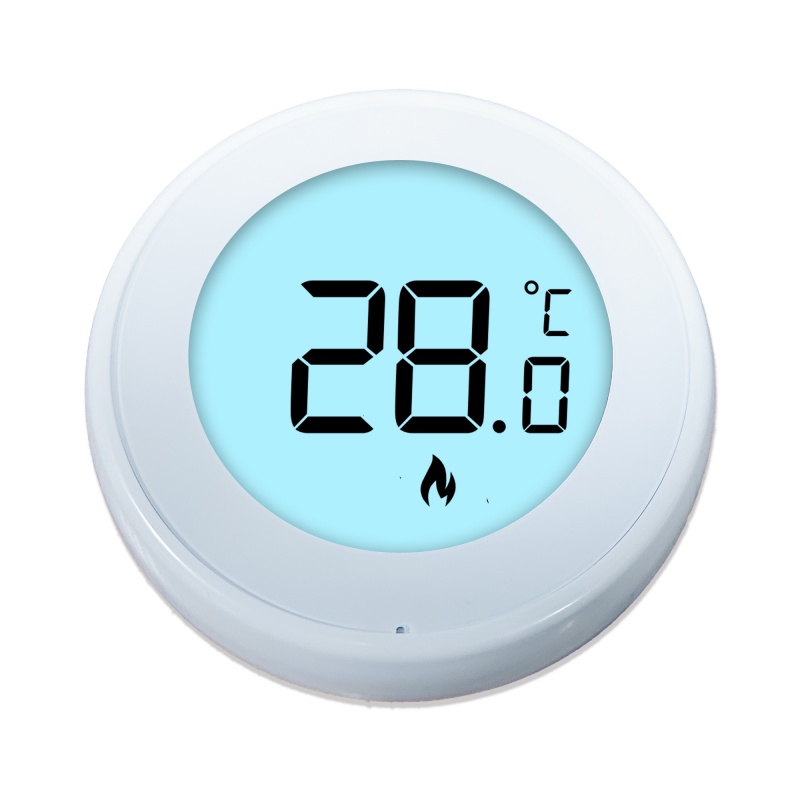
While the TUYA app provides the elegant interface, the physical thermostat remains the brain of the operation. Riseem has engineered a device that looks minimalist on your wall while delivering industrial-grade precision to your HVAC equipment.
Welcome to the Future of Home Automation The Ultimate Guide to TUYA WIFI Smart Thermostats