
Air conditioning LCD 2 stage thermostat
author: Bani
2025-09-01
Air Conditioning LCD 2 Stage Thermostat: Precision Control for Efficient, Comfortable Cooling
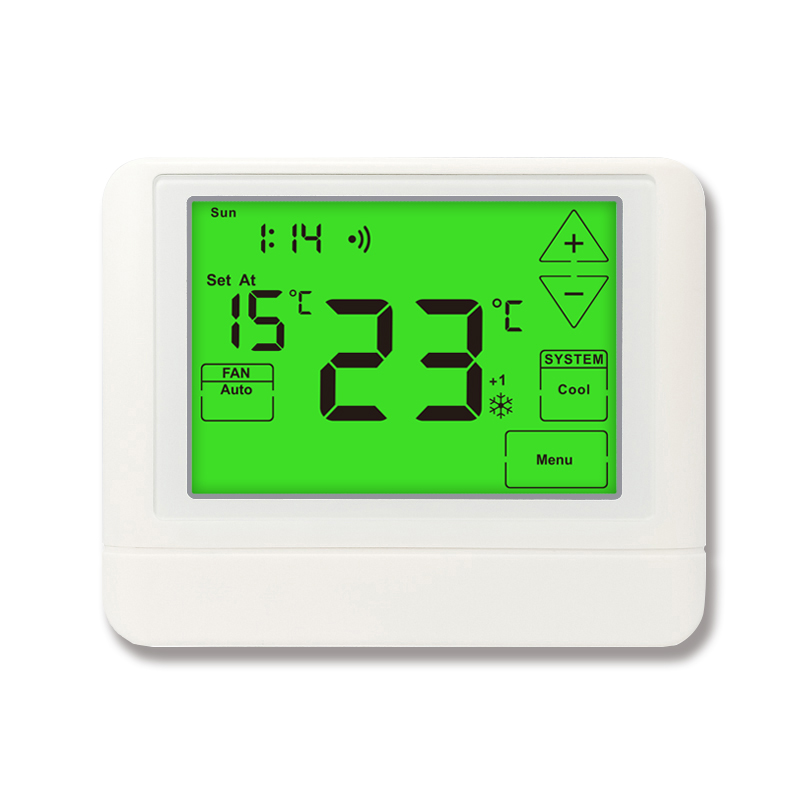
For homes with 2-stage air conditioning systems—units that run on low speed for mild cooling and high speed for intense heat—the right thermostat is make-or-break for comfort and efficiency. The Air Conditioning LCD 2 Stage Thermostat is purpose-built for this setup, using an easy-to-read LCD display and smart stage-switching logic to optimize cooling performance. In this blog, we’ll explore how these thermostats work, their key benefits, and why Ocean Controls Limited’s offerings—available at www.riseem.cn—are a top choice for homeowners with 2-stage AC systems.
What Is an Air Conditioning LCD 2 Stage Thermostat?
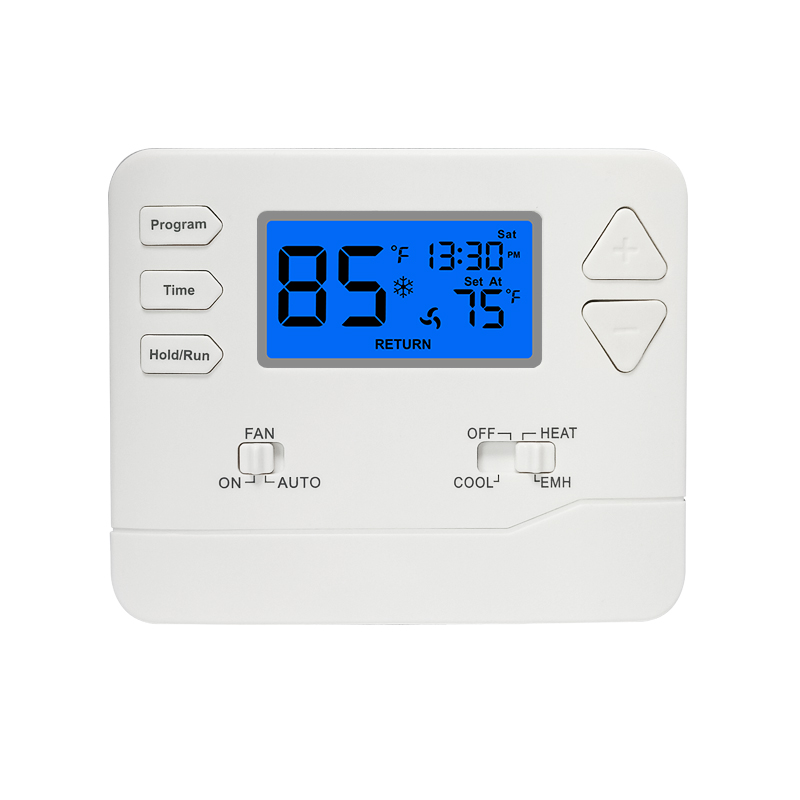
An Air Conditioning LCD 2 Stage Thermostat is a specialized control device designed exclusively for 2-stage air conditioning systems. Unlike single-stage thermostats (which only turn AC on/off at full power), this thermostat can activate either the AC’s low stage (for mild cooling needs) or high stage (for extreme heat), based on how much the room temperature deviates from your setpoint. The LCD display provides clear, real-time feedback: current temperature, set temperature, AC stage (low/high), and fan status—so you always know how your system is operating. It operates on low voltage (typically 24V) for safety and compatibility with most 2-stage AC units, making it a must-have upgrade for homes with this advanced cooling system.
How 2 Stage Thermostats Optimize Air Conditioning Performance
2-stage AC systems are more efficient than single-stage models, but they rely on the thermostat to switch stages correctly. Here’s a breakdown of how the Air Conditioning LCD 2 Stage Thermostat maximizes performance:
- Stage Detection Logic: The thermostat uses a built-in sensor to measure the gap between the current room temperature and your setpoint:
-
- Low Stage Activation: If the temperature is 1–2°F above your setpoint (mild heat), the thermostat triggers the AC’s low stage. Low stage runs quieter, uses less energy, and maintains steady comfort without frequent on/off cycling.
-
- High Stage Activation: If the temperature is 3°F+ above your setpoint (extreme heat, e.g., a hot afternoon), the thermostat activates high stage. This delivers maximum cooling power to quickly bring the room to your desired temperature.
- Smooth Stage Transitions: Unlike generic thermostats that may delay stage switches (causing discomfort), this model transitions between low and high stage seamlessly. Once the temperature nears the setpoint, it automatically drops back to low stage to maintain comfort without overcooling.
- LCD Display Clarity: The LCD screen shows which stage the AC is running on, so you can verify the system is operating efficiently. For example, if it’s a mild day and the AC is on high stage, you’ll know to check if the thermostat needs calibration.
Ocean Controls Limited optimizes their thermostats with adjustable stage thresholds (e.g., set high stage to activate at 2°F vs. 3°F) to match your comfort preferences.
Key Benefits of an Air Conditioning LCD 2 Stage Thermostat
1. Lower Energy Bills
By using low stage for most cooling needs, the thermostat reduces AC energy consumption. Ocean Controls Limited reports that homeowners with 2-stage ACs and compatible thermostats save 15–20% on monthly cooling bills compared to using a single-stage thermostat (which forces the AC to run on high stage unnecessarily). Low stage uses up to 50% less energy than high stage, making it ideal for mild weather (which accounts for 70% of cooling days in most regions).
2. Steadier Comfort, Less Cycling
Single-stage ACs cycle on/off frequently to maintain temperature, causing hot/cold swings and noise. The 2-stage thermostat keeps the AC running on low stage for longer periods, which:
- Eliminates temperature fluctuations (usually ±0.5°F vs. ±1.5°F with single-stage).
- Reduces noise (low stage is significantly quieter than high stage).
- Extends AC lifespan (fewer on/off cycles mean less wear on the compressor).
3. Intuitive LCD Display
The LCD screen is a standout feature, offering:
- Large, backlit numbers for easy reading in dim rooms (e.g., hallways at night).
- Clear indicators for AC stage (low/high), fan mode (auto/on), and battery life (for battery-powered models).
- Simple navigation buttons (“Temp Up/Down,” “Mode,” “Fan”) to adjust settings without confusion.
Unlike analog thermostats, there’s no guesswork—you always know exactly what your AC is doing.
4. Compatibility with Advanced AC Features
Many 2-stage ACs include extra features like variable-speed fans or humidity control, and the Air Conditioning LCD 2 Stage Thermostat supports these. For example, it can sync with a variable-speed fan to adjust airflow based on the AC stage (lower airflow for low stage, higher for high stage), improving humidity removal and comfort.
Ocean Controls Limited’s Air Conditioning LCD 2 Stage Thermostats
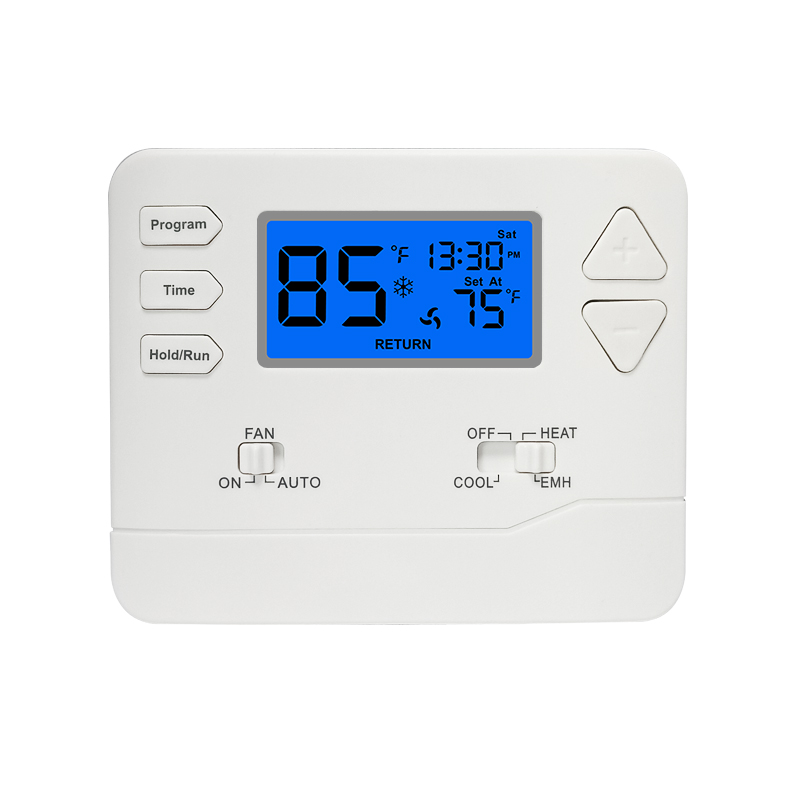
Ocean Controls Limited specializes in HVAC controls for advanced systems, and their Air Conditioning LCD 2 Stage Thermostats are engineered for reliability and user-friendliness. Their models stand out for:
- Universal 2-Stage Compatibility: Works with 95% of 2-stage AC brands (Carrier, Trane, Daikin, Mitsubishi) and both single-speed and variable-speed fans. Ocean Controls provides a compatibility checklist on www.riseem.cn to help you confirm fit for your AC.
- Customizable Stage Settings: Let you adjust when low/high stage activates (e.g., set high stage to trigger at 2°F above setpoint for faster cooling, or 3°F for more energy savings). This flexibility ensures the thermostat matches your comfort preferences.
- Durable Build Quality: Constructed with scratch-resistant plastic and corrosion-resistant terminals, these thermostats withstand humid environments (e.g., basements, Florida homes) and daily use. The LCD screen is rated to last 10+ years without fading.
- Dual Power Options: Choose between hardwired (24V) or battery-powered (2 AA batteries) models. Hardwired models never need battery replacements, while battery-powered ones are easier to install (no wiring needed for homes with existing 2-stage ACs).
To explore their full range—including non-programmable (basic control) and programmable (scheduled settings) options—visit www.riseem.cn’s “2-Stage Thermostats” section. Ocean Controls also offers free wiring diagrams and installation videos on the site to simplify setup.
Who Should Choose This Type of Thermostat?
An Air Conditioning LCD 2 Stage Thermostat is essential for anyone with a 2-stage AC system, but it’s especially beneficial for:
1. Homeowners in Mild-to-Warm Climates
If you live in a region with frequent mild weather (e.g., the Pacific Northwest, Northeast), the thermostat will use low stage most of the time—maximizing energy savings and comfort. Even in hot climates (e.g., Texas, Arizona), it reduces high stage use during mornings and evenings.
2. Users Who Prioritize Quiet Operation
Low stage is significantly quieter than high stage—ideal for bedrooms, home offices, or anyone sensitive to AC noise. The thermostat ensures the AC only uses high stage when absolutely necessary, keeping your home peaceful.
3. Those Looking to Extend AC Lifespan
Frequent on/off cycling is the #1 cause of AC compressor failure. By keeping the AC running on low stage for longer, the 2-stage thermostat reduces cycling, extending your AC’s lifespan by 3–5 years (per Ocean Controls’ HVAC technician surveys).
4. Homeowners with Variable-Speed Fans
If your 2-stage AC has a variable-speed fan, the thermostat syncs with it to optimize airflow—improving humidity removal and comfort. Generic thermostats often can’t support variable-speed fans, wasting this valuable feature.
How to Choose the Right Air Conditioning LCD 2 Stage Thermostat
Selecting the right thermostat ensures your 2-stage AC runs at peak efficiency. Follow these steps:
Step 1: Confirm AC Compatibility
First, verify your AC is a true 2-stage system (not a single-stage with a “fan-only” mode). Check your AC’s user manual or contact the manufacturer to confirm it has 2-stage cooling capabilities. Then use Ocean Controls’ compatibility tool on www.riseem.cn to find thermostats that work with your AC brand/model.
Step 2: Decide Between Non-Programmable and Programmable
- Non-Programmable: Ideal for homeowners with consistent routines (e.g., stay-at-home parents) or those who prefer manual control. More affordable and simple to use—great for basic 2-stage AC setups.
- Programmable: Lets you set custom schedules (e.g., raise the setpoint to 78°F when you’re at work, lower to 72°F before you return). Saves additional energy by avoiding unnecessary cooling during empty hours. Ocean Controls’ programmable models offer 4 daily periods (wake, away, home, sleep) for flexibility.
Step 3: Choose Power Type (Hardwired vs. Battery)
- Hardwired: Best for new AC installations or homes with existing 24V wiring. Never needs battery replacements and provides constant power to the LCD display.
- Battery-Powered: Perfect for retrofits (upgrading from a single-stage thermostat to 2-stage). Easy to install (no wiring needed) and uses 2 AA batteries that last 1–2 years (the LCD displays a low-battery alert when replacements are needed).
Step 4: Prioritize Extra Features
- Humidity Control: Some models (like Ocean Controls’ Model AC-LCD-H) include a humidity sensor and can adjust AC run time to reduce moisture—ideal for humid climates.
- Fan Speed Control: Lets you set the fan to “auto” (runs only when AC is on) or “on” (runs continuously for better air circulation).
- Child Lock: Prevents kids from accidentally changing settings—a useful feature for families.
Installation Tips for Air Conditioning LCD 2 Stage Thermostats
Installing this thermostat is straightforward, but proper wiring is critical for 2-stage functionality. Follow these guidelines:
1. Hire a 2-Stage HVAC Technician (Recommended)
While basic installation is DIY-friendly, 2-stage ACs have extra wiring (e.g., “Y1” for low stage, “Y2” for high stage) that differs from single-stage systems. A technician familiar with 2-stage setups will:
- Turn off power to the AC at the circuit breaker.
- Label existing wires (e.g., “R” for power, “Y1” for low stage, “Y2” for high stage, “G” for fan) to avoid misconnection.
- Follow Ocean Controls’ wiring diagram (downloadable at www.riseem.cn) to connect the thermostat correctly.
2. Mount the Thermostat in the Right Location
Install the thermostat on an interior wall, away from:
- Direct sunlight, heat vents, or radiators (skew temperature readings).
- Drafts from windows, doors, or fans (cause false stage triggers).
- Appliances that generate heat (e.g., refrigerators, lamps).
This ensures accurate temperature monitoring and proper stage switching.
3. Test the System Post-Installation
After installation:
- Set the thermostat 2°F above room temperature to confirm low stage activates.
- Set it 4°F above room temperature to check high stage activation.
- Verify the LCD display correctly shows “Low” or “High” stage indicators.
If the AC doesn’t switch stages, double-check the wiring (or contact Ocean Controls’ support for help).
Maintenance Tips for Long-Term Performance
To keep your Air Conditioning LCD 2 Stage Thermostat working optimally:
- Clean the Sensor Monthly: Wipe the thermostat’s temperature sensor with a soft, dry cloth to remove dust. Dust can cause inaccurate readings, leading to incorrect stage switching (e.g., activating high stage when low stage is sufficient).
- Check Wiring Annually: For hardwired models, turn off power and inspect wire terminals for tightness and corrosion. Loose wires can cause intermittent stage failures (e.g., AC stays on low stage even in extreme heat).
- Replace Batteries Promptly (Battery-Powered Models): When the LCD displays a low-battery alert, replace batteries with alkaline ones. Dead batteries can cause the thermostat to lose settings or stop working entirely.
- Calibrate the Thermostat Annually: Use a portable thermometer to compare the thermostat’s reading to the actual room temperature. If there’s a 1°F+ difference, use the thermostat’s calibration feature (in settings) to adjust—Ocean Controls’ guide on www.riseem.cn walks you through this.
Conclusion: 2-Stage Thermostats Unlock Your AC’s Full Potential
An Air Conditioning LCD 2 Stage Thermostat is the only way to get the most out of your 2-stage air conditioning system. It delivers lower energy bills, steadier comfort, and quieter operation—all while extending your AC’s lifespan. Ocean Controls Limited’s models—available at www.riseem.cn—combine universal compatibility, customizable settings, and an intuitive LCD display, making them the perfect choice for homeowners with 2-stage ACs. Whether you’re upgrading from a single-stage thermostat or installing a new 2-stage AC, this thermostat ensures your cooling system works smarter, not harder.


What Is an ABS HVAC Thermostat
How to chang a good wiring room thermostat
Related Article
This shift has made traditional, manual thermostats obsolete, paving the way for advanced smart technologies.
Why You Need a Smart Thermostat
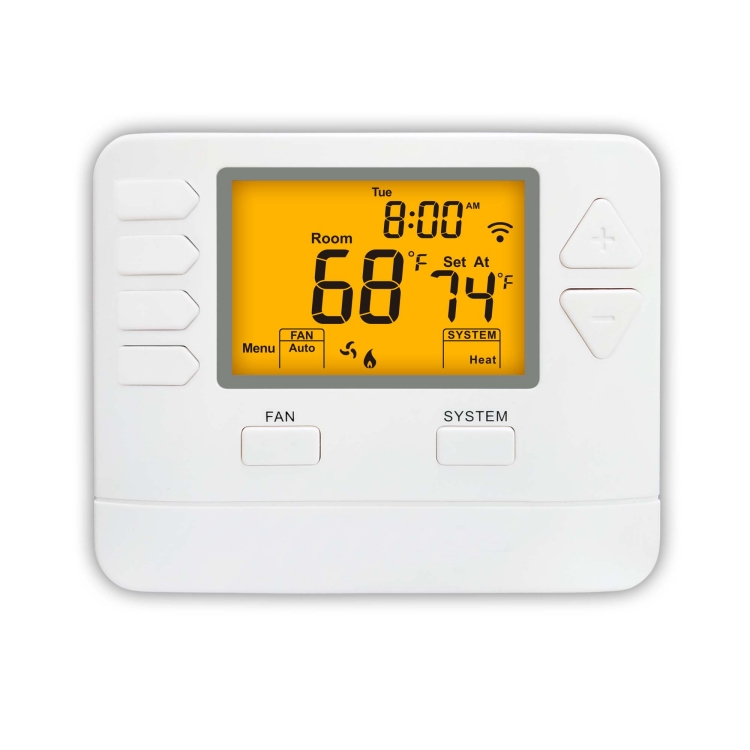
A true 7 Day programmable room thermostat offers the ultimate granular control. It allows users to program a distinct, customized heating and cooling schedule for every single day of the week.
How a 7 Day Programmable Room Thermostat Maximizes Home Comfort and Efficiency
A premium Riseem thermostat is not just a digital display on your wall; it is the ultimate gatekeeper of your indoor environment.
Why a Quality Thermostat Is the Key to a More Comfortable Home
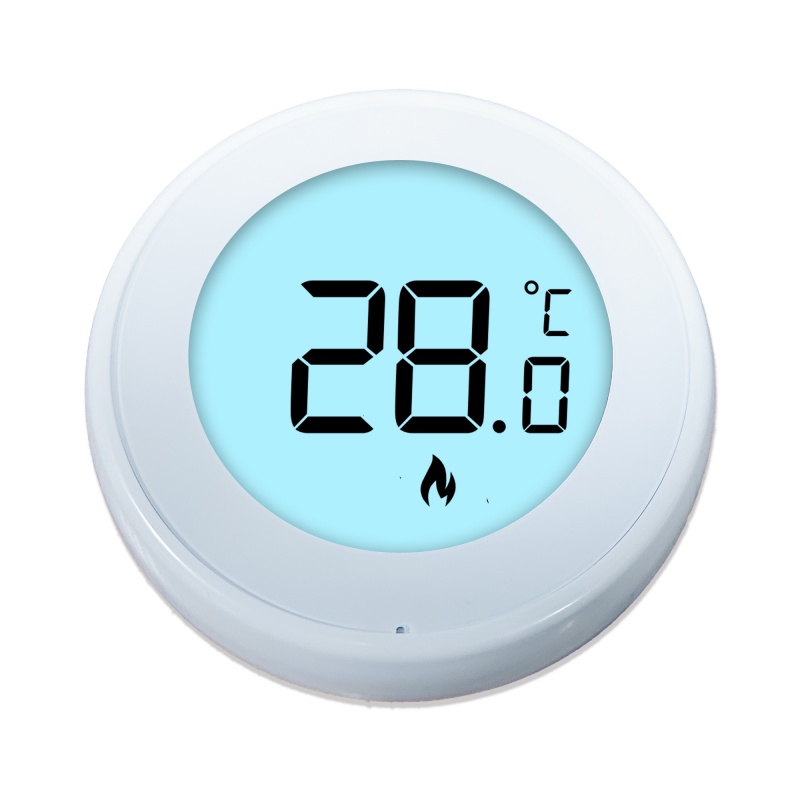
While the TUYA app provides the elegant interface, the physical thermostat remains the brain of the operation. Riseem has engineered a device that looks minimalist on your wall while delivering industrial-grade precision to your HVAC equipment.
Welcome to the Future of Home Automation The Ultimate Guide to TUYA WIFI Smart Thermostats