
What's the use of a home digital thermostat
author: LIly
2025-03-07
The Digital Thermostat: A Modern Marvel for Home Climate Control

In the pursuit of creating a comfortable living environment, modern technology has introduced a game - changing device: the home digital thermostat. This unassuming yet powerful appliance has become an essential part of many households, revolutionizing the way we manage indoor temperatures.
Understanding the Basics

A home digital thermostat is a device designed to regulate the temperature within a home. Unlike traditional analog thermostats, which use a simple dial or switch to set the temperature, digital thermostats offer a more precise and convenient way to control the climate. They typically feature an LCD or LED display that clearly shows the current room temperature, as well as the set temperature. Users can adjust the temperature settings using buttons, a touch - screen interface, or even through a mobile app in the case of smart thermostats.
How Does It Work?

At its core, a digital thermostat functions by monitoring the ambient temperature in the room. It uses a built - in temperature sensor, often a thermistor or a thermocouple, to detect changes in the air temperature. When the actual temperature deviates from the set temperature, the thermostat sends signals to the heating, ventilation, and air - conditioning (HVAC) system.
For example, if the set temperature is 22°C and the sensor detects that the room temperature has dropped to 20°C, the thermostat will send a signal to the heating system to turn on. Once the temperature reaches 22°C again, the thermostat will signal the heating system to turn off. This cycle of monitoring and controlling helps maintain a consistent temperature within the home.
Key Features of Digital Thermostats

1. Programmable Settings
One of the most significant advantages of digital thermostats is their programmability. Users can set different temperatures for different times of the day or days of the week. For instance, you can program the thermostat to lower the temperature at night when you're sleeping, reducing energy consumption without sacrificing comfort. During the day when you're at work, you can set the temperature to a more energy - efficient level. On weekends, you can adjust the schedule according to your home - based activities. This ability to customize the temperature settings based on your lifestyle not only enhances comfort but also leads to significant energy savings.
2. Precise Temperature Control
Digital thermostats offer a much higher level of temperature accuracy compared to analog models. While analog thermostats may have a margin of error of up to a few degrees, digital thermostats can often maintain the temperature within a fraction of a degree. This precision ensures that the indoor environment remains consistently comfortable, whether it's a hot summer day or a cold winter night.
3. Energy Efficiency
By allowing users to program optimal temperatures for different times, digital thermostats contribute to energy conservation. According to Consumer Reports, switching to a programmable digital thermostat can cut heating and cooling costs by up to $180 annually. When the HVAC system doesn't have to work as hard to maintain extreme temperatures during unoccupied periods, it consumes less energy, leading to lower utility bills and a reduced carbon footprint.
4. Smart Connectivity
Many modern digital thermostats are equipped with Wi - Fi or Bluetooth connectivity. This feature enables users to control the thermostat remotely using a smartphone, tablet, or other smart devices. With a compatible mobile app, you can adjust the temperature settings of your home even when you're away. For example, you can turn on the heat before you arrive home on a cold winter day, ensuring a warm welcome. Some smart thermostats can also integrate with other home automation systems, such as voice - activated assistants like Amazon Alexa or Google Assistant, allowing for hands - free control.
5. Additional Features
Some digital thermostats come with extra features to enhance functionality. These may include humidity monitoring, which is useful for maintaining a healthy indoor environment. A few models can also notify you when it's time to replace the air filter in your HVAC system, helping to keep the system running efficiently. Additionally, some thermostats have a vacation mode, which sets the temperature to an energy - saving level while you're away for an extended period.
Types of Digital Thermostats
1. Programmable Thermostats
These are the most common type of digital thermostats. They allow users to set a schedule for temperature changes throughout the day. As mentioned earlier, you can program different temperatures for morning, afternoon, evening, and night. Programmable thermostats are available in various models, some with basic functionality and others with more advanced features like 7 - day programming or the ability to divide the program into different seasons.
2. Smart Thermostats
Smart thermostats take programmability a step further. They not only allow for remote control via a mobile app but also have learning capabilities. Some smart thermostats can learn your temperature preferences over time and automatically adjust the settings accordingly. For example, the Google Nest Thermostat learns your daily routine and adjusts the temperature to save energy when you're away and make the home comfortable when you're due to return. Smart thermostats can also receive software updates, adding new features and improving performance over time.
3. Non - Programmable Digital Thermostats
While not as feature - rich as programmable or smart thermostats, non - programmable digital thermostats still offer the advantage of digital temperature display and more precise temperature control compared to analog models. They are a simple and cost - effective option for those who don't need the advanced scheduling or smart features but want a more accurate way to control the temperature in their home.
Choosing the Right Digital Thermostat for Your Home
When selecting a digital thermostat, several factors need to be considered.
1. Compatibility with Your HVAC System
The thermostat you choose must be compatible with your home's heating and cooling system. Different HVAC systems, such as central air conditioning, forced - air furnaces, heat pumps, or radiant heating systems, may require specific types of thermostats. Make sure to check the manufacturer's specifications to ensure a proper fit.
2. Ease of Installation and Use
If you plan to install the thermostat yourself, look for a model that comes with clear installation instructions and is easy to set up. The user interface should also be intuitive, so that even non - tech - savvy individuals can operate it without difficulty. Some thermostats come with large, easy - to - read displays and simple button controls, while others offer touch - screen interfaces.
3. Features That Matter to You
Consider which features are most important for your lifestyle. If you're often away from home and want the convenience of remote control, a smart thermostat with Wi - Fi connectivity is a great option. If you're mainly concerned with saving energy and have a regular daily routine, a programmable thermostat with a flexible scheduling system may be sufficient. Additionally, features like humidity monitoring or filter change reminders can be valuable depending on your specific needs.
4. Budget
Digital thermostats come in a wide price range. Non - programmable models are generally the most affordable, while smart thermostats with advanced features can be more expensive. Determine your budget before starting your search, and look for a thermostat that offers the best combination of features and quality within your price range.
Conclusion
The home digital thermostat has emerged as a must - have device for modern homeowners. Its ability to provide precise temperature control, energy savings, and convenience through programmability and smart connectivity makes it an invaluable addition to any home. Whether you opt for a basic programmable thermostat or a high - tech smart thermostat, the benefits of this device in enhancing the comfort and efficiency of your living environment are undeniable. By choosing the right digital thermostat for your home, you can enjoy a more comfortable, energy - efficient, and cost - effective living experience.


What is btter a programmable or non programmable thermostat
What is the difference between a smart thermostat and a Wi-Fi thermostat
Related Article
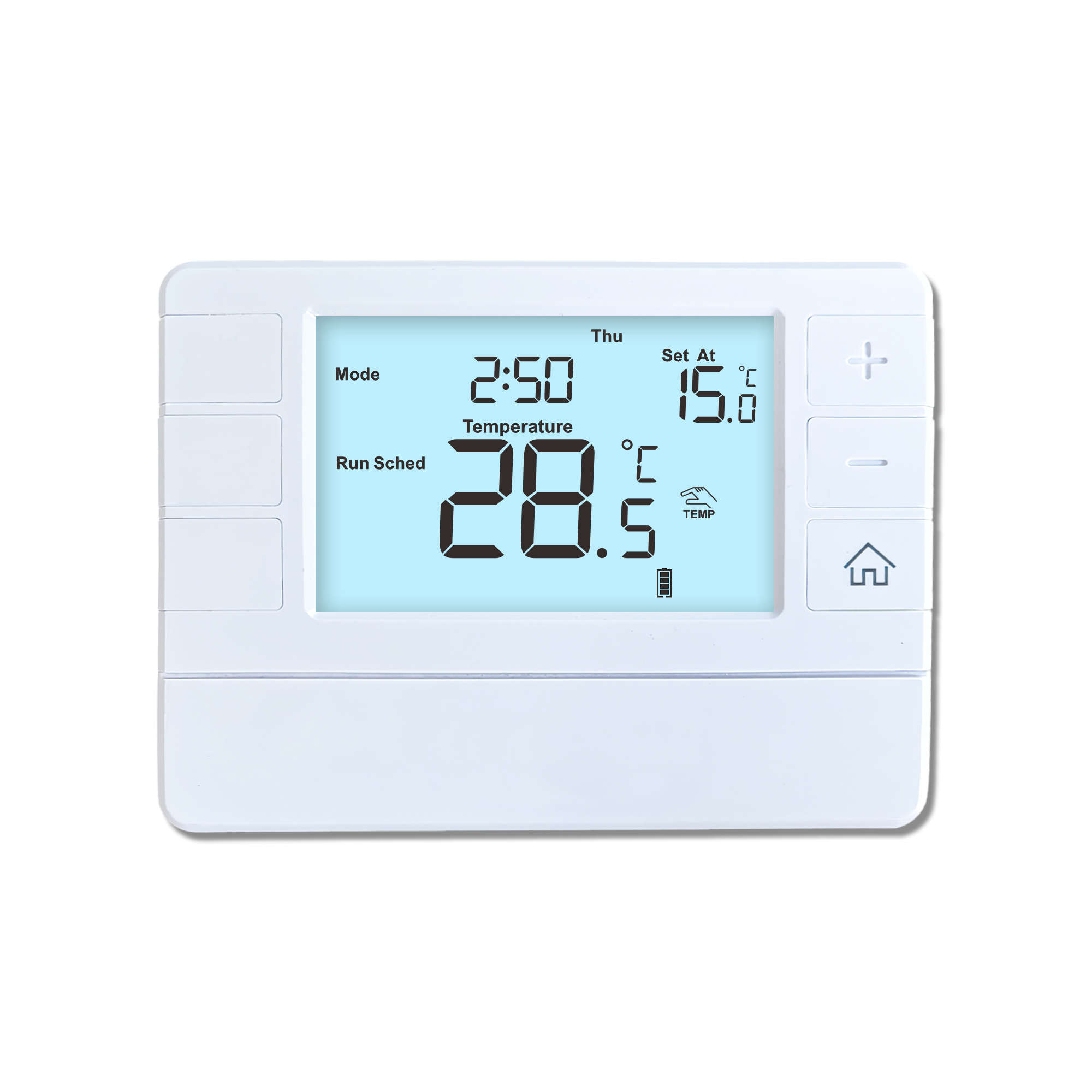
This shift has made traditional, manual thermostats obsolete, paving the way for advanced smart technologies.
Why You Need a Smart Thermostat
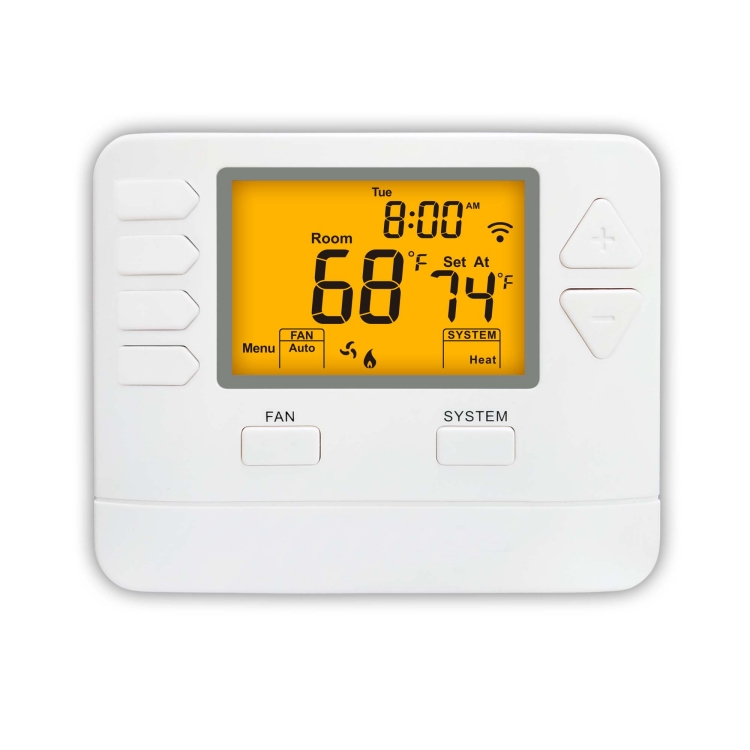
A true 7 Day programmable room thermostat offers the ultimate granular control. It allows users to program a distinct, customized heating and cooling schedule for every single day of the week.
How a 7 Day Programmable Room Thermostat Maximizes Home Comfort and Efficiency
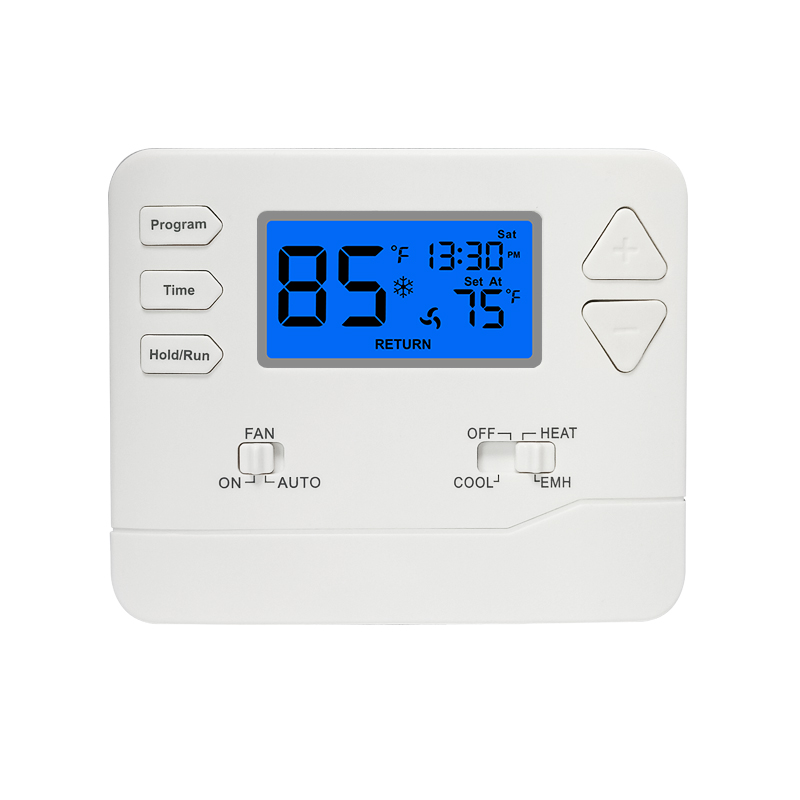
A premium Riseem thermostat is not just a digital display on your wall; it is the ultimate gatekeeper of your indoor environment.
Why a Quality Thermostat Is the Key to a More Comfortable Home
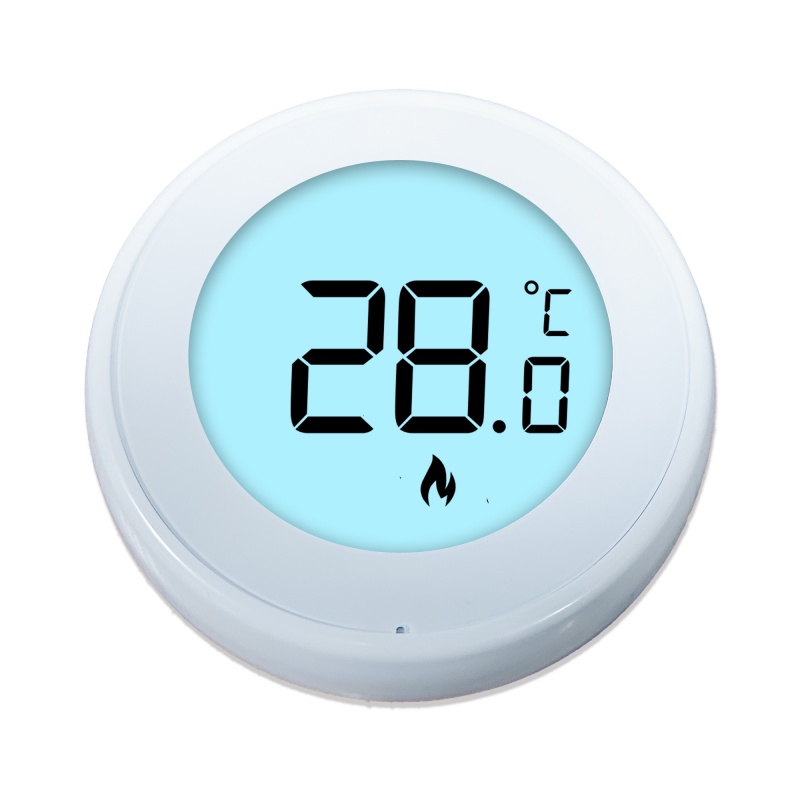
While the TUYA app provides the elegant interface, the physical thermostat remains the brain of the operation. Riseem has engineered a device that looks minimalist on your wall while delivering industrial-grade precision to your HVAC equipment.
Welcome to the Future of Home Automation The Ultimate Guide to TUYA WIFI Smart Thermostats