
Smart Thermostats: Revolutionize Your Home Heating Efficiency
author: LIly
2025-03-08
Smart Thermostats: Revolutionize Your Home Heating Efficiency

In the age of rapid technological evolution, smart thermostats have emerged as a revolutionary force in the domain of home heating. These innovative devices are not merely incremental improvements over traditional thermostats; they are a paradigm shift in how we manage and optimize the temperature within our living spaces, heralding a new era of enhanced home heating efficiency.
How Smart Thermostats Work
Smart thermostats are engineered with a complex array of sensors and advanced connectivity features. At their core, temperature sensors play a pivotal role, accurately gauging the ambient temperature within the room. Additionally, many models incorporate humidity sensors, as humidity levels can significantly impact our perception of comfort. For example, in a room with high humidity, the air can feel warmer than the actual temperature, and vice versa in a low - humidity environment.
Connectivity is where smart thermostats truly shine. Leveraging Wi - Fi or other wireless protocols like ZigBee or Z - Wave, they establish a seamless connection to the internet. This connection unlocks a world of possibilities for users. Through dedicated smartphone apps, available for both iOS and Android platforms, homeowners gain the power to control their thermostats remotely. Whether you're at work, on vacation, or simply out running errands, you can adjust the temperature settings, set schedules, and even monitor energy usage in real - time. The integration with voice - controlled assistants such as Amazon Alexa or Google Assistant adds an extra layer of convenience. A simple voice command like “Hey Google, set the temperature to 21°C” can instantly change the thermostat settings, making temperature control a hands - free and effortless task.
Some of the more advanced smart thermostat models possess remarkable learning capabilities. These devices utilize sophisticated algorithms to analyze the heating patterns of a household over an extended period. Consider a family that typically arrives home from work around 6 p.m. and immediately sets the temperature to 22°C. Over time, the smart thermostat will detect this recurring pattern. As a result, on subsequent days, it will automatically adjust the temperature to 22°C a few minutes before 6 p.m., ensuring the house is warm and inviting by the time the family walks through the door. This not only offers unparalleled convenience but also plays a crucial role in energy conservation. By not heating an empty house during the day or over - heating an occupied one, the heating system operates at peak efficiency, reducing unnecessary energy consumption.
The Benefits of Smart Thermostats for Heating Efficiency
Energy Savings
One of the most compelling and tangible benefits of smart thermostats is their significant energy - saving potential. Traditional thermostats, with their one - size - fits - all approach, are often set to maintain a constant temperature around the clock, regardless of whether the house is occupied or not. This outdated method is highly inefficient, leading to a substantial amount of wasted energy.
In contrast, smart thermostats offer a dynamic and customizable solution. They can be programmed with great precision to adapt to the daily routines of the household. For instance, during working hours when the house is empty, the thermostat can be set to lower the temperature by a few degrees. A reduction to around 15 - 18°C during these unoccupied periods can lead to substantial energy savings without sacrificing comfort upon return. Similarly, when the family is away on an extended vacation, the thermostat can be programmed to keep the house at an even lower temperature, just enough to prevent pipes from freezing in colder climates.
According to comprehensive research by the U.S. Department of Energy, households that make proper use of smart thermostats can expect to see savings of up to 10% on their heating and cooling bills. To put this into perspective, for a typical American household that spends around
2,000peryearonheatingandcooling,thiscouldtranslatetoanannualsavingsof
200. These savings not only directly benefit the homeowner's wallet but also contribute to a more sustainable future by reducing the overall demand for energy and, in turn, lowering carbon emissions associated with energy production.
Precise Temperature Control
Smart thermostats offer a level of precision in temperature control that is far superior to traditional thermostats. Traditional thermostats often have a relatively wide margin of error, typically around 1 - 2°C. This means that the actual temperature in the room can deviate significantly from the set temperature, leading to discomfort for the occupants.
In contrast, smart thermostats are designed to maintain the set temperature within an extremely narrow margin, often as little as 0.5°C. This precision is achieved through a combination of advanced sensors and intelligent control algorithms. For example, if the set temperature is 20°C, the smart thermostat will continuously monitor the room temperature and adjust the heating system's output accordingly. If the temperature starts to drop below 19.75°C, the thermostat will activate the heating system, and once the temperature reaches 20.25°C, it will turn off the system. This precise regulation ensures that the room remains at a consistently comfortable temperature, eliminating the annoying temperature swings that are common with traditional thermostats.
This level of precision also has a positive impact on the efficiency of the heating system. When the temperature is maintained within a narrow range, the heating system doesn't have to work as hard to compensate for large temperature fluctuations. As a result, the system operates more efficiently, consuming less energy while still providing optimal comfort.
Zoned Heating
Another revolutionary aspect of smart thermostats is their support for zoned heating, a concept that has transformed the way we heat large homes or multi - story buildings. In a traditional heating setup, the entire house is heated as a single unit, regardless of whether all areas are occupied or require the same level of warmth. This often leads to over - heating in some areas and under - heating in others, resulting in energy waste.
With zoned heating enabled by smart thermostats, different areas or zones within the house can be treated as independent entities, each with its own temperature settings. For example, in a two - story house, the upstairs bedrooms may be set to a cooler temperature at night for better sleep, perhaps around 18 - 20°C, while the downstairs living areas can be kept at a more comfortable 22 - 23°C during the day when the family is active. Similarly, in a large home with a home office, the office zone can be maintained at a temperature suitable for concentration, while other less - frequently used areas like the guest room can be kept at a lower temperature.
By heating only the areas that are in use and at the appropriate temperature levels, zoned heating with smart thermostats can lead to substantial energy savings. Estimates suggest that homes with zoned heating systems can save up to 30% on their heating costs compared to non - zoned systems. This not only makes the home more energy - efficient but also provides a more tailored and comfortable living environment for the occupants.
Impact on User Experience
Beyond the realm of energy efficiency, smart thermostats have a profound impact on the overall user experience. The ability to control the thermostat remotely is a game - changer in terms of convenience. Imagine coming home from a long, cold day at work. Instead of walking into a cold house and waiting for the heating system to warm up, you can use your smartphone to turn on the heat while you're still on your way home. By the time you arrive, the house is warm and cozy, creating an inviting atmosphere.
In addition, the data analytics features of many smart thermostats provide homeowners with valuable insights into their energy consumption patterns. These thermostats can track and record data such as how much energy is being consumed at different times of the day, which days of the week have the highest energy usage, and how different temperature settings affect overall energy consumption. Armed with this information, users can make more informed decisions about their heating habits. For example, if the data shows that the heating system is consuming a large amount of energy in the early morning hours, the homeowner can adjust the schedule to lower the temperature during that time or investigate if there are any insulation issues contributing to the high energy use.
In conclusion, smart thermostats are not just another home gadget; they are a fundamental shift in how we approach home heating. Their advanced features, significant energy - saving potential, and enhanced user experience make them an essential addition to any modern home. As technology continues to evolve, we can anticipate even more innovative features and improvements in smart thermostat technology, further revolutionizing the way we heat our homes and making our living spaces more comfortable, efficient, and sustainable.


How to operate the thermostat
How does an electronic thermostat work
Related Article
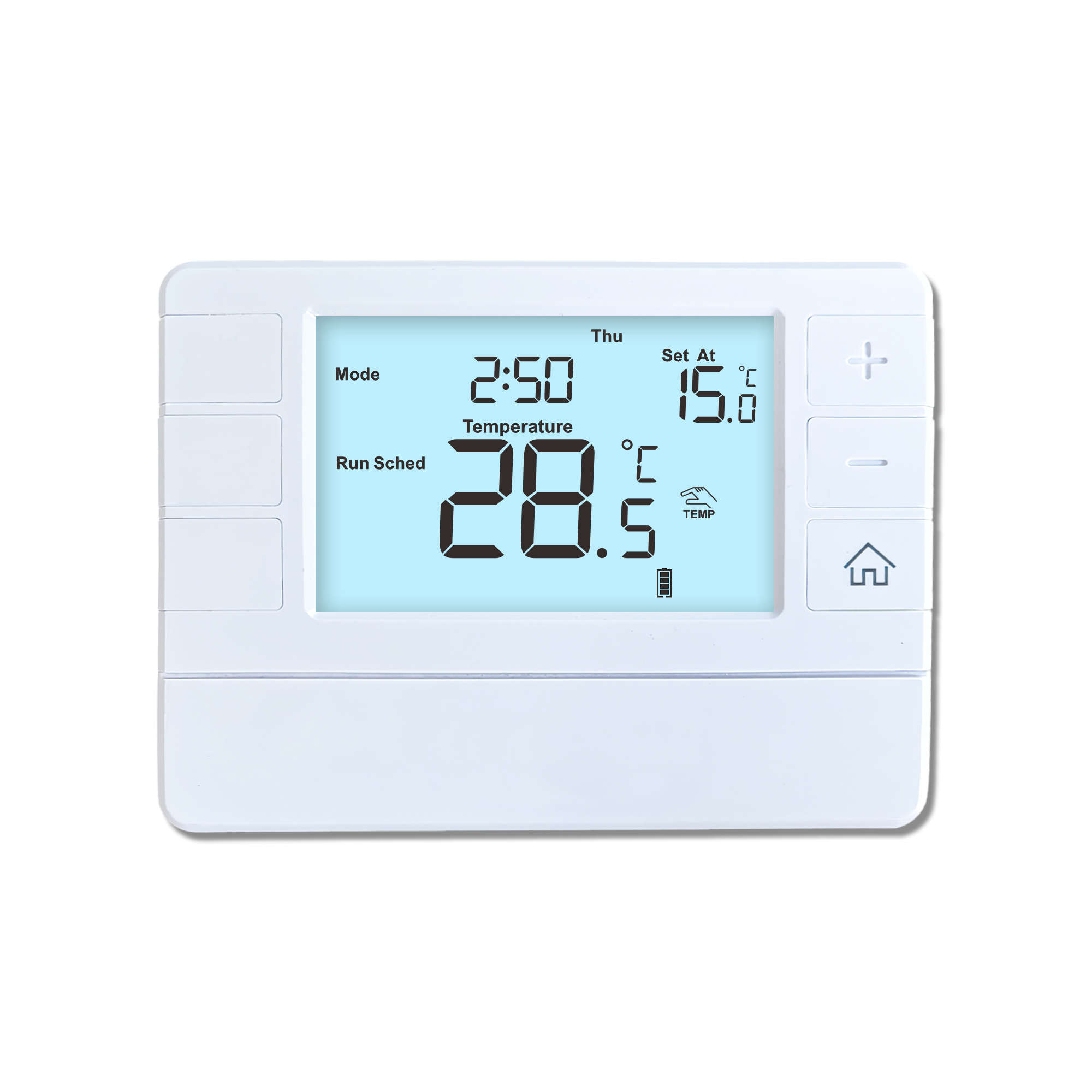
This shift has made traditional, manual thermostats obsolete, paving the way for advanced smart technologies.
Why You Need a Smart Thermostat
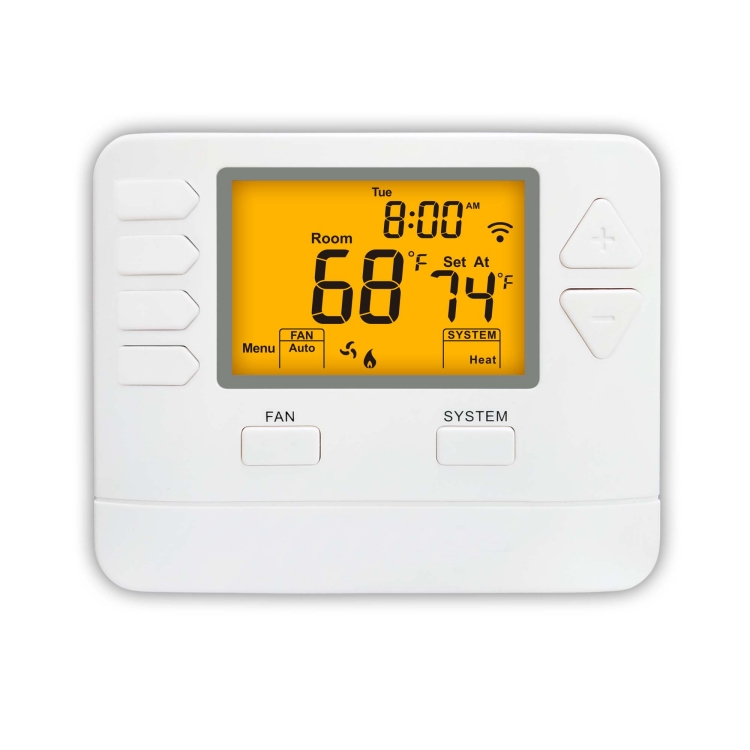
A true 7 Day programmable room thermostat offers the ultimate granular control. It allows users to program a distinct, customized heating and cooling schedule for every single day of the week.
How a 7 Day Programmable Room Thermostat Maximizes Home Comfort and Efficiency
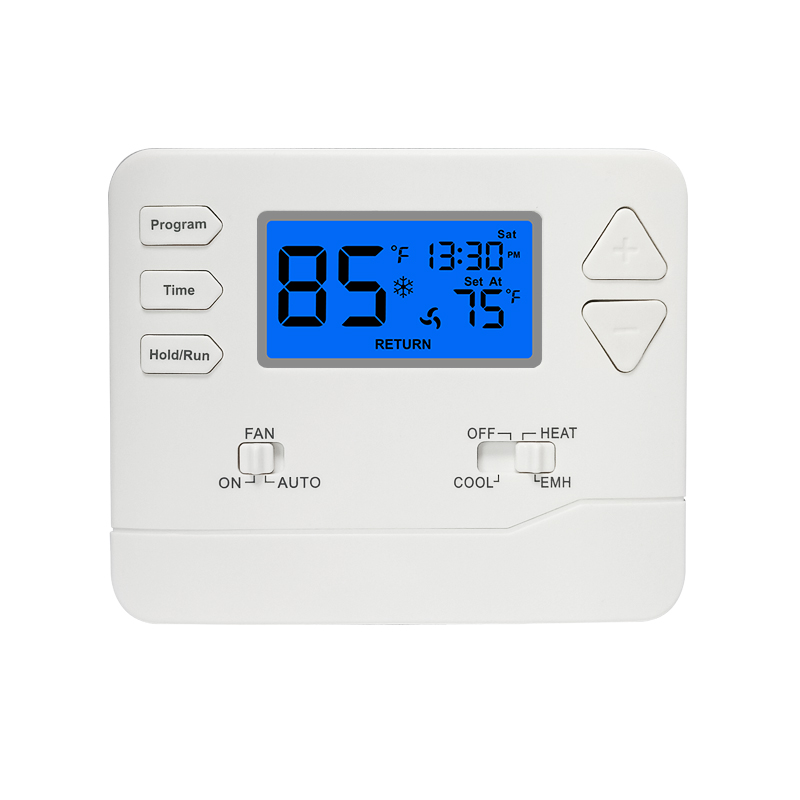
A premium Riseem thermostat is not just a digital display on your wall; it is the ultimate gatekeeper of your indoor environment.
Why a Quality Thermostat Is the Key to a More Comfortable Home
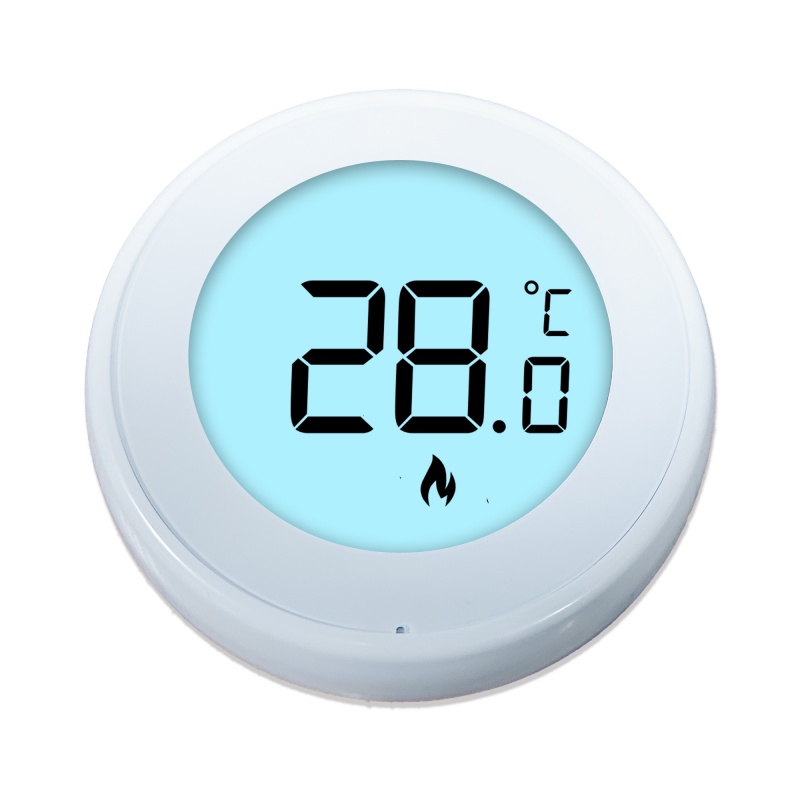
While the TUYA app provides the elegant interface, the physical thermostat remains the brain of the operation. Riseem has engineered a device that looks minimalist on your wall while delivering industrial-grade precision to your HVAC equipment.
Welcome to the Future of Home Automation The Ultimate Guide to TUYA WIFI Smart Thermostats