
Best time of adjust the thermostat in summer
author: Bani
2025-07-26
Best Time to Adjust the Thermostat in Summer: Maximizing Comfort & Savings with Strategic Temperature Tweaks

Summer heat can turn your home into a sauna—or a costly energy drain if your thermostat is set haphazardly. The key to staying cool without skyrocketing bills lies in when you adjust your thermostat, not just how much. In this guide, we’ll break down the optimal times to tweak your thermostat in summer, explain why timing matters, demystify the role of thermostat wires, and highlight how Ocean Controls Limited can help you master your home’s climate.
1. Why Timing Matters: The Science of Summer Thermostat Adjustments
Your home’s temperature fluctuates with the sun, outdoor heat, and daily routines. A thermostat that’s set to a single temperature all day forces your AC to work overtime during peak heat, wasting energy and straining your system. By adjusting your thermostat at specific times, you align it with outdoor conditions and your daily schedule, keeping rooms comfortable while cutting energy use by up to 10% (according to the U.S. Department of Energy). It’s not just about saving money—it’s about making your AC last longer, too.
2. Morning: Start Early to Beat the Heat
The first adjustment of the day sets the tone for comfort and efficiency. Here’s why morning is critical:
3. 6–7 AM: Lower the Temperature Before the Sun Peaks
By 6–7 AM, outdoor temperatures are still relatively cool, so your AC doesn’t have to work hard to cool your home. Set your thermostat to 72–74°F (22–23°C) to start the day comfortably. This preps your home for the rising heat—by the time the sun hits its peak (around 10 AM–3 PM), your space will stay cooler longer, reducing the need for your AC to overwork later.
3. Avoid Over-Cooling
Resist the urge to crank the thermostat below 70°F (21°C) in the morning. Over-cooling makes your AC run longer, and the cool air will quickly be offset by midday heat, wasting energy.

4. Daytime: Adjust When You’re Away (or Busy)
Midday is when outdoor temperatures spike, but it’s also when smart thermostat adjustments save the most energy—especially if you’re not home.
5. 8–9 AM: Raise the Temperature When Leaving Home
If you head to work or run errands, set your thermostat to 78–80°F (25–27°C) around 8–9 AM. Your home will warm gradually, but since no one is there to notice, the AC runs less. This small tweak can cut daily energy use by 5–15%—a significant savings over a summer.
5. 2–3 PM: Prep for Your Return
If you’re coming home in the evening, lower the thermostat by 4–6°F (2–3°C) 1–2 hours before arrival (e.g., 2–3 PM for a 5 PM return). This gives your AC time to cool the space back to a comfortable 74–76°F (23–24°C) without overexerting itself during the hottest part of the day.
6. Evening: Balance Coolth and Sleep
As the sun sets, outdoor temperatures drop, but your home may still hold heat. Evening adjustments focus on comfort for relaxing and sleeping.
6. 7–8 PM: Fine-Tune for Evening Activities
After dinner or while watching TV, keep your thermostat at 74–76°F (23–24°C). This is cool enough to stay comfortable without making the space feel chilly—ideal for unwinding.
6. 10–11 PM: Adjust for Sleep
Your body naturally cools down during sleep, so a slightly warmer thermostat setting works here. Aim for 76–78°F (24–25°C) at bedtime. This reduces AC runtime overnight while keeping you cozy under sheets.

7. The Role of Thermostat Wires: Keeping Your System Responsive
None of these adjustments matter if your thermostat can’t communicate with your AC—and that’s where thermostat wires come in. These wires act as the “nervous system” connecting your thermostat to your HVAC unit, ensuring commands (like raising or lowering the temperature) are executed quickly.
Key wires include:
- R wire: Carries power to the thermostat.
- Y wire: Signals the AC to turn on.
- C wire: Provides a steady power supply (critical for smart thermostats that connect to Wi-Fi).
- G wire: Controls the fan, helping circulate cool air.
A faulty wire (e.g., a loose Y wire) can delay or block temperature adjustments, making your thermostat ineffective. For reliable wiring checks or replacements, trusted suppliers like Ocean Controls Limited offer expert guidance—they even stock compatible wires and thermostat models designed for summer efficiency.
Final Thoughts: Summer Thermostat Success
The best time to adjust your thermostat in summer aligns with your daily routine and the sun’s schedule: cool in the morning, warmer when away, and balanced in the evening. Pair these timing tips with a well-maintained system—including functional wires—and you’ll stay comfortable while keeping bills low.
For help choosing a thermostat that simplifies these adjustments (think programmable or smart models), turn to Ocean Controls Limited. Their range of reliable thermostats and expert support ensures your summer stays cool, efficient, and stress-free.


Heat Pump Room Thermostats
underfloor heating thermostat wifi
Related Article
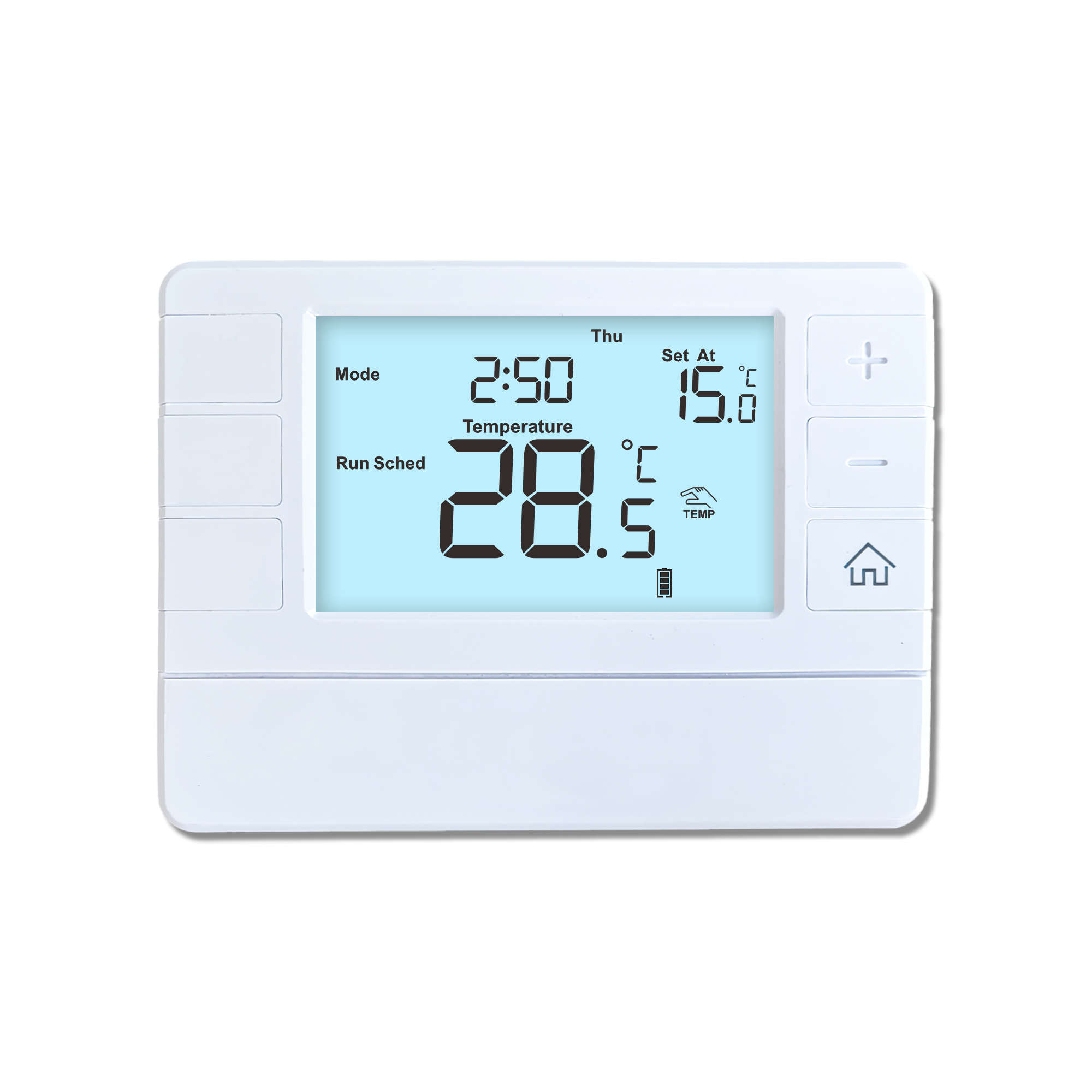
This shift has made traditional, manual thermostats obsolete, paving the way for advanced smart technologies.
Why You Need a Smart Thermostat
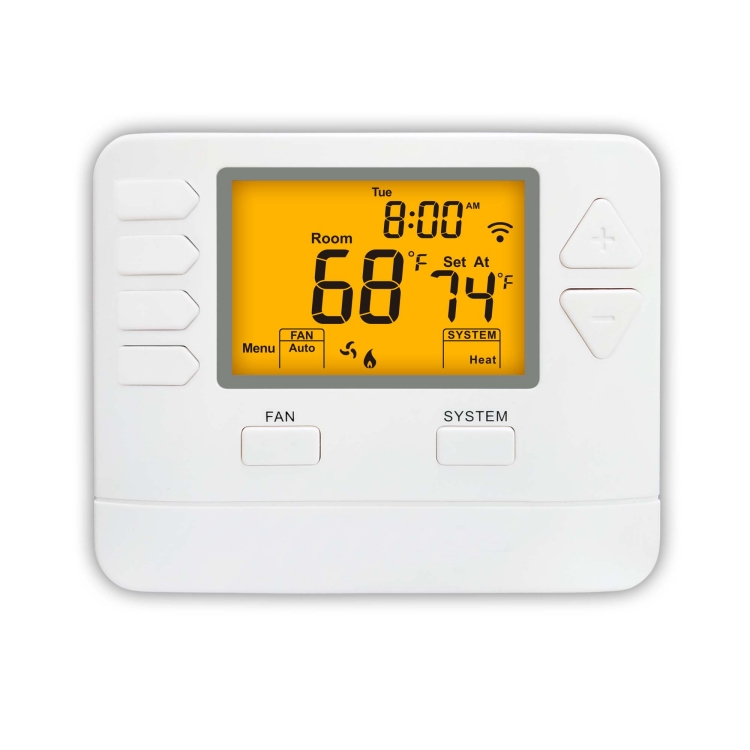
A true 7 Day programmable room thermostat offers the ultimate granular control. It allows users to program a distinct, customized heating and cooling schedule for every single day of the week.
How a 7 Day Programmable Room Thermostat Maximizes Home Comfort and Efficiency
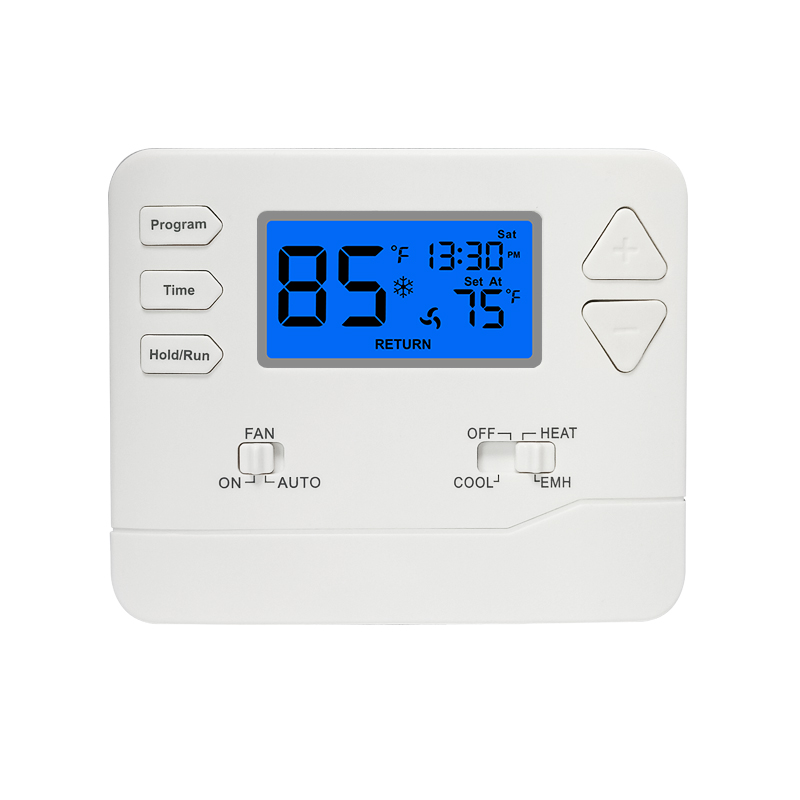
A premium Riseem thermostat is not just a digital display on your wall; it is the ultimate gatekeeper of your indoor environment.
Why a Quality Thermostat Is the Key to a More Comfortable Home
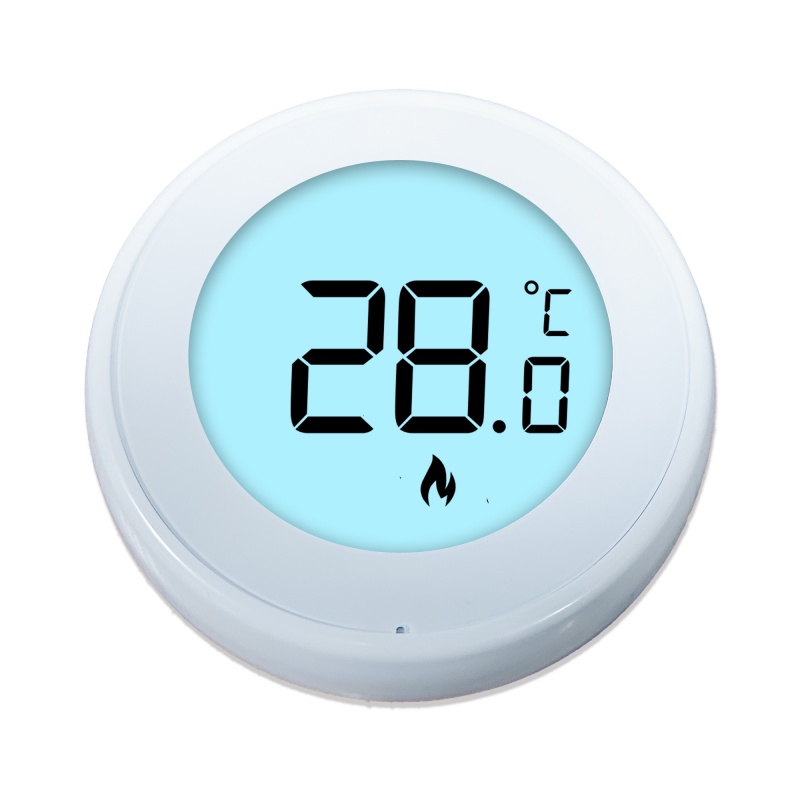
While the TUYA app provides the elegant interface, the physical thermostat remains the brain of the operation. Riseem has engineered a device that looks minimalist on your wall while delivering industrial-grade precision to your HVAC equipment.
Welcome to the Future of Home Automation The Ultimate Guide to TUYA WIFI Smart Thermostats