
can a hvac thermostat go bad
author: Lily
2025-05-19
Can a HVAC Thermostat Go Bad?
The HVAC system is the backbone of a comfortable indoor environment, controlling the temperature, humidity, and air quality. At the core of this system is the thermostat, a device that we rely on to maintain our desired temperature settings. But, a common question that
pop up in many homeowners' minds is: Can a HVAC thermostat go bad? The straightforward answer is yes, and here's a detailed look at why and what you can do about it.

What are the tell - tale signs that a HVAC thermostat has gone bad?
One of the most obvious signs is when your home doesn't reach the temperature you set on the thermostat. For example, you set it to 68°F in the winter, but the rooms feel much colder, or in the summer, you set it to 72°F, yet it feels like a sauna. Another clear indication is an unresponsive or malfunctioning display. If the screen is blank, the numbers are distorted, or the buttons don't work when you try to adjust the settings, it's a strong sign that the thermostat is faulty. Additionally, if your HVAC system starts and stops more often than normal, known as short cycling, it could be because the thermostat is sending incorrect signals to the system.
What causes a HVAC thermostat to malfunction?
Several factors can contribute to a thermostat going bad. Age is a significant factor. Older thermostats, especially those with mechanical components, are more likely to experience wear and tear over time. The internal parts, such as the contacts and switches, can become corroded or break down, leading to improper functioning. Electrical problems also play a role. Power surges, whether from lightning strikes, electrical grid issues, or faulty wiring in your home, can damage the delicate electronic components of the thermostat. Incorrect installation is another common cause. If the thermostat is not wired correctly or placed in an inappropriate location (like near a heat source or in a drafty area), it can give inaccurate readings and cause the system to malfunction. Moreover, exposure to moisture, especially in areas with high humidity or where the thermostat is installed in basements or bathrooms, can lead to internal corrosion and failure.
How can I check if my HVAC thermostat is the problem?
First, start by checking the power source. If it's a battery - operated thermostat, replace the batteries to see if that resolves the issue. For hard - wired thermostats, make sure the circuit breaker hasn't tripped. Next, inspect the wiring. Turn off the power to the HVAC system at the circuit breaker and carefully examine the wires connected to the thermostat. Look for any signs of fraying, loose connections, or discoloration. You can use a multimeter to test the continuity of the wires, which can help identify if there's an electrical problem. If the wiring seems okay, try resetting the thermostat. Many thermostats have a reset button or a specific sequence of button presses to restore the factory settings. After resetting, set a new temperature and observe if the HVAC system responds as it should.
What should I do if my HVAC thermostat is bad?
If you've determined that the thermostat is indeed faulty, there are a few options. For simple issues like dead batteries, replacing them might fix the problem. However, if the thermostat is old or severely damaged, it's usually best to replace it. When choosing a replacement, you might consider upgrading to a smart thermostat. Smart thermostats offer advanced features like remote control via a smartphone app, learning your temperature preferences over time, and providing energy - usage reports, which can help you save on your energy bills. If you're not confident in your DIY skills, it's highly recommended to hire a professional HVAC technician. They have the expertise and tools to install the new thermostat correctly and ensure that your HVAC system operates efficiently.
In conclusion
A HVAC thermostat can go bad due to various reasons. By being aware of the signs of a malfunctioning thermostat, understanding the causes, and knowing how to diagnose and fix the problem, you can keep your home comfortable and avoid costly repairs down the line.s


a/c thermostat settings
hvac thermostat replacement
Related Article
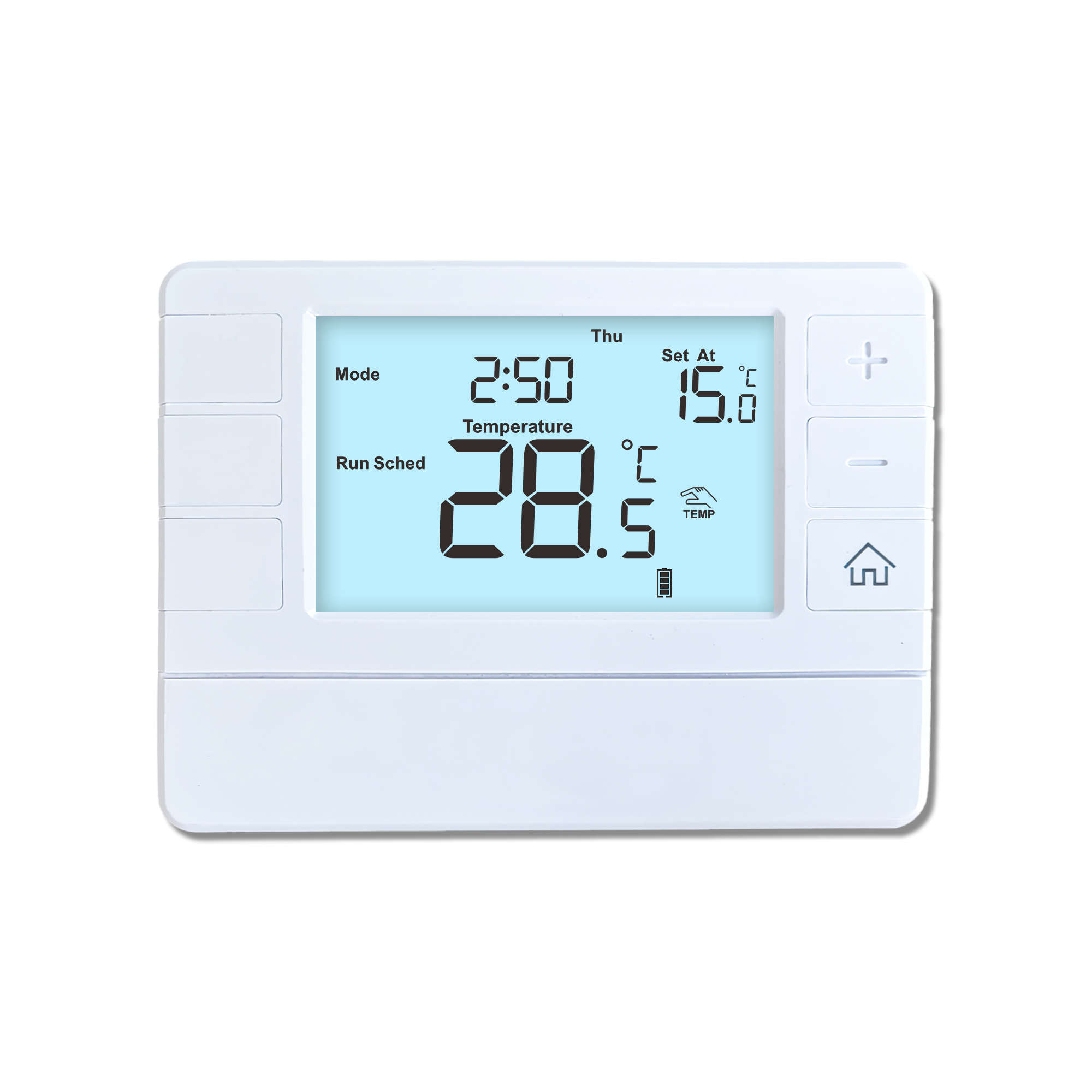
This shift has made traditional, manual thermostats obsolete, paving the way for advanced smart technologies.
Why You Need a Smart Thermostat
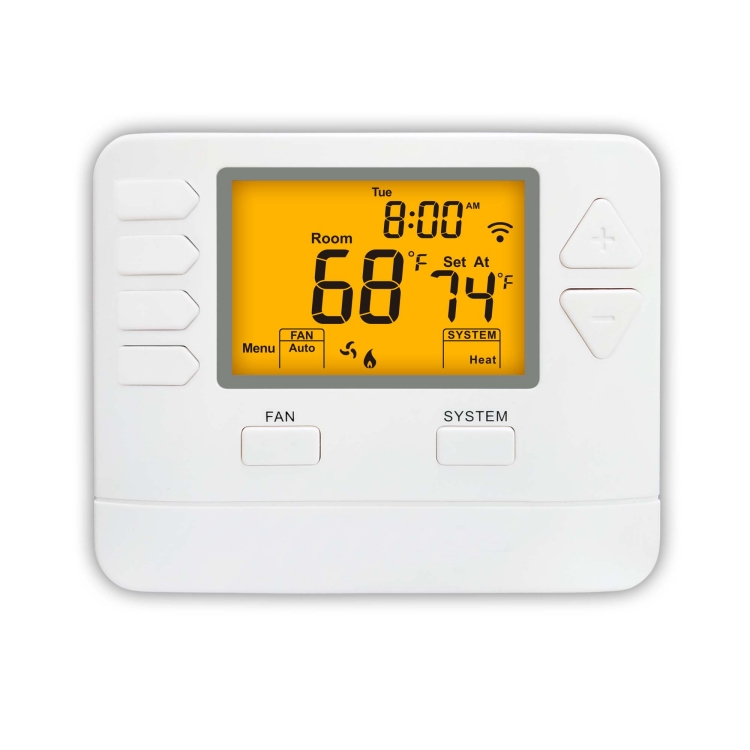
A true 7 Day programmable room thermostat offers the ultimate granular control. It allows users to program a distinct, customized heating and cooling schedule for every single day of the week.
How a 7 Day Programmable Room Thermostat Maximizes Home Comfort and Efficiency
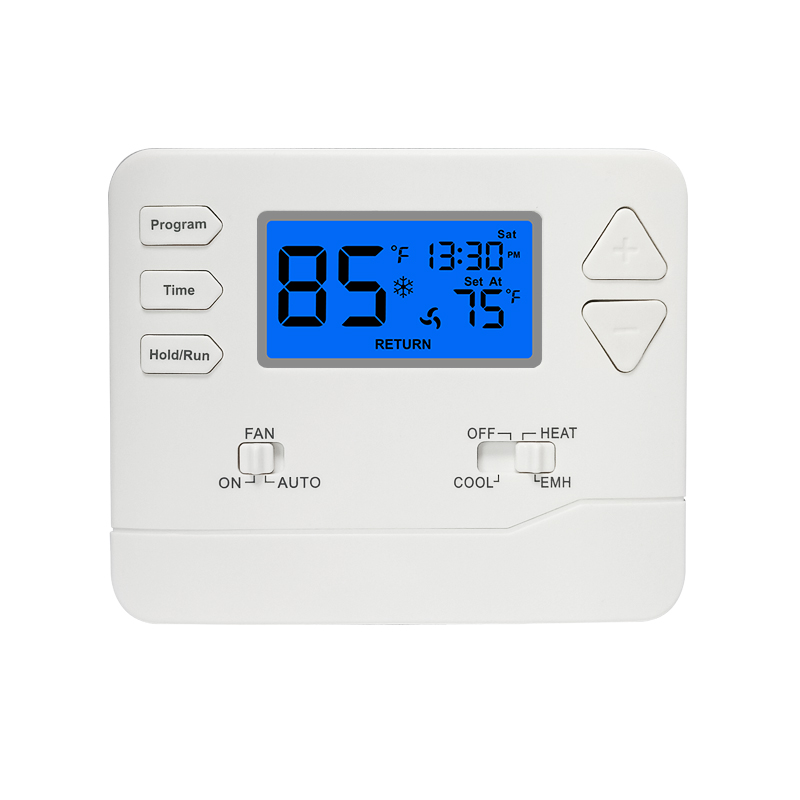
A premium Riseem thermostat is not just a digital display on your wall; it is the ultimate gatekeeper of your indoor environment.
Why a Quality Thermostat Is the Key to a More Comfortable Home
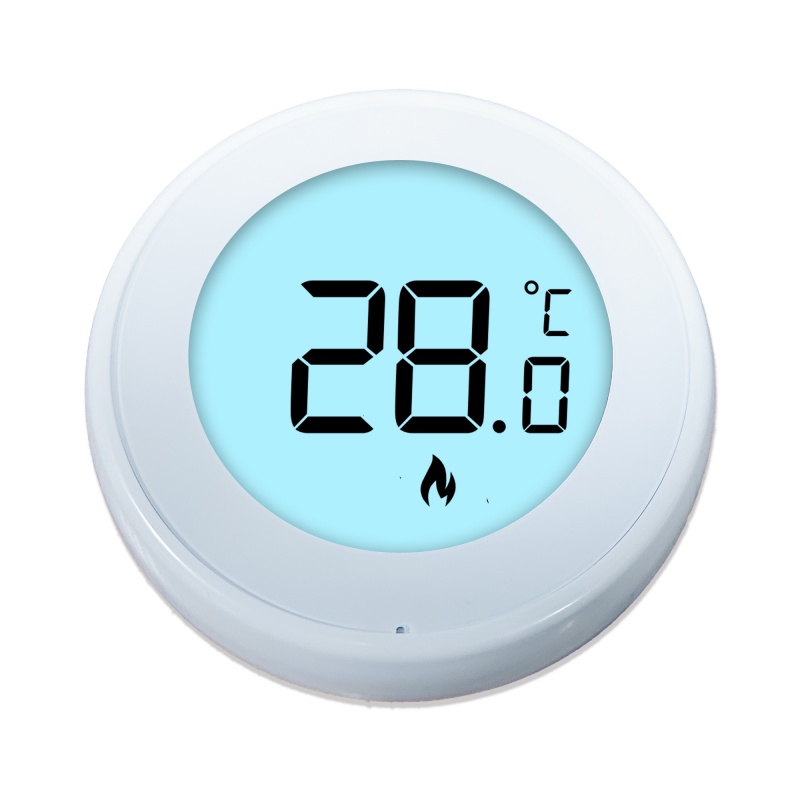
While the TUYA app provides the elegant interface, the physical thermostat remains the brain of the operation. Riseem has engineered a device that looks minimalist on your wall while delivering industrial-grade precision to your HVAC equipment.
Welcome to the Future of Home Automation The Ultimate Guide to TUYA WIFI Smart Thermostats