
can a thermostat blow a fuse
author: Lily
2025-04-30
Can a Thermostat Blow a Fuse?
Introduction
In our daily lives, we rely on heating and cooling systems to maintain a comfortable indoor environment. These systems are often controlled by thermostats, which seem like simple devices at first glance. However, a common and somewhat puzzling issue that homeowners may encounter is a blown fuse in relation to their thermostat. This raises the question: can a thermostat actually blow a fuse? To understand this, we need to delve into the inner workings of thermostats and how they interact with the electrical systems in our homes.
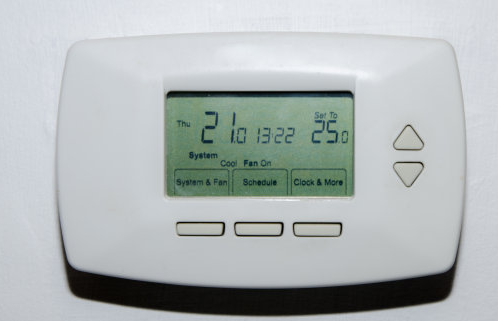
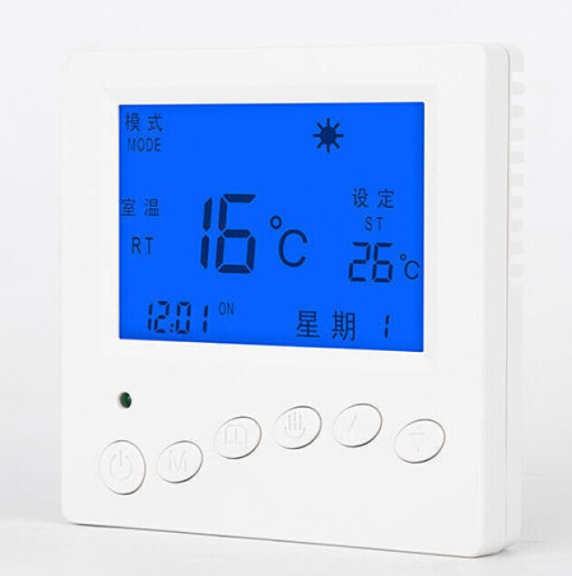
The Basics of Thermostats
Thermostats are essentially the brains of heating, ventilatio
n, ad air - conditioning (HVAC) systems. Their primary function is to monitor the indoor temperature and send signals to the HVAC unit to either turn on or off to maintain the desired temperature. They do this by using a combination of electrical components. Inside a thermostat, there are sensors that detect temperature changes. When the temperature deviates from the set point, the thermostat activates switches or relays. These switches and relays then complete or break an electrical circuit, which in turn controls the operation of the HVAC system's compressor, blower, or heating elements.
How a Thermostat Could Blow a Fuse
Wiring Issues
One of the most prevalent reasons a thermostat might cause a fuse to blow is due to wiring problems. Over time, the wires connected to the thermostat can experience wear and tear. For instance, if the thermostat is located in an area with high humidity, the wires may corrode. Corroded wires can develop breaks in their insulation, which can lead to a short circuit. A short circuit occurs when an electrical current finds an unintended path with low resistance. In the case of thermostat wiring, if a bare wire touches another wire or a grounded metal part of the thermostat or the HVAC system, a large amount of current will flow through this short - circuit path. Since fuses are designed to protect electrical circuits from excessive current, when this high - current situation occurs, the fuse will blow.
Component Malfunctions
Thermostats are equipped with various components, such as relays and capacitors. A relay is a switch that is controlled by an electrical signal. In a thermostat, relays are used to switch the power on and off to the HVAC system. If a relay malfunctions, for example, if it gets stuck in the closed position, it can cause a continuous flow of current to the HVAC unit. This constant current draw can exceed the capacity of the fuse, resulting in it blowing. Similarly, a faulty capacitor in the thermostat can disrupt the electrical current flow. Capacitors are used to store and release electrical energy at specific times in the electrical circuit. When a capacitor fails, it can cause voltage spikes or abnormal current draws, which can also lead to a blown fuse.
Power Surges
Power surges can also be a factor in a thermostat blowing a fuse. Power surges can happen for many reasons. Lightning strikes near the house can induce a large voltage spike in the electrical lines. In addition, when large electrical appliances in the home, like refrigerators or washing machines, turn on or off suddenly, they can cause a power surge in the household electrical system. If the thermostat is not properly protected against these power surges, the sudden increase in voltage can damage the thermostat's components. This damage can then lead to a short circuit or abnormal current flow within the thermostat, causing the fuse to blow.
What to Do If You Suspect a Thermostat - Related Blown Fuse
If you find that the fuse in your HVAC system has blown and suspect the thermostat might be the cause, the first step is to ensure your safety. Turn off the power to the HVAC system at the main electrical panel. This will prevent any risk of electric shock while you are inspecting the thermostat. Next, visually examine the thermostat. Look for any signs of physical damage, such as burn marks on the housing or wires, loose connections, or a discolored display. If you notice any of these signs, it is highly recommended that you call a professional HVAC technician. They have the expertise and tools to safely diagnose and repair the problem.
If the thermostat appears to be in good physical condition, you can try replacing the fuse. However, it is crucial to use a fuse with the correct amperage rating. Using a fuse with a higher rating than recommended can be dangerous as it may not blow when there is an excessive current, potentially leading to damage to the HVAC system or even a fire. After replacing the fuse, turn the power back on to the HVAC system and see if the thermostat and the system start working properly. If the fuse blows again immediately, this indicates that there is likely a more serious underlying issue. In this case, it is best to have a professional conduct a more in - depth inspection of the thermostat, its wiring, and the entire HVAC system to identify and fix the root cause of the excessive current draw.
Conclusion
In summary, a thermostat can indeed be the cause of a blown fuse. Wiring problems, component malfunctions, and power surges are all potential culprits. Understanding these causes and knowing how to respond when you suspect a thermostat - related blown fuse is essential for maintaining the proper functioning of your HVAC system. If you are uncertain about any aspect of diagnosing or fixing the problem, it is always wise to seek professional help to avoid further damage and ensure your safety.n


can i change my own ac thermostat
how to connect thermostat wires to ac unit
Related Article
This shift has made traditional, manual thermostats obsolete, paving the way for advanced smart technologies.
Why You Need a Smart Thermostat
A true 7 Day programmable room thermostat offers the ultimate granular control. It allows users to program a distinct, customized heating and cooling schedule for every single day of the week.
How a 7 Day Programmable Room Thermostat Maximizes Home Comfort and Efficiency
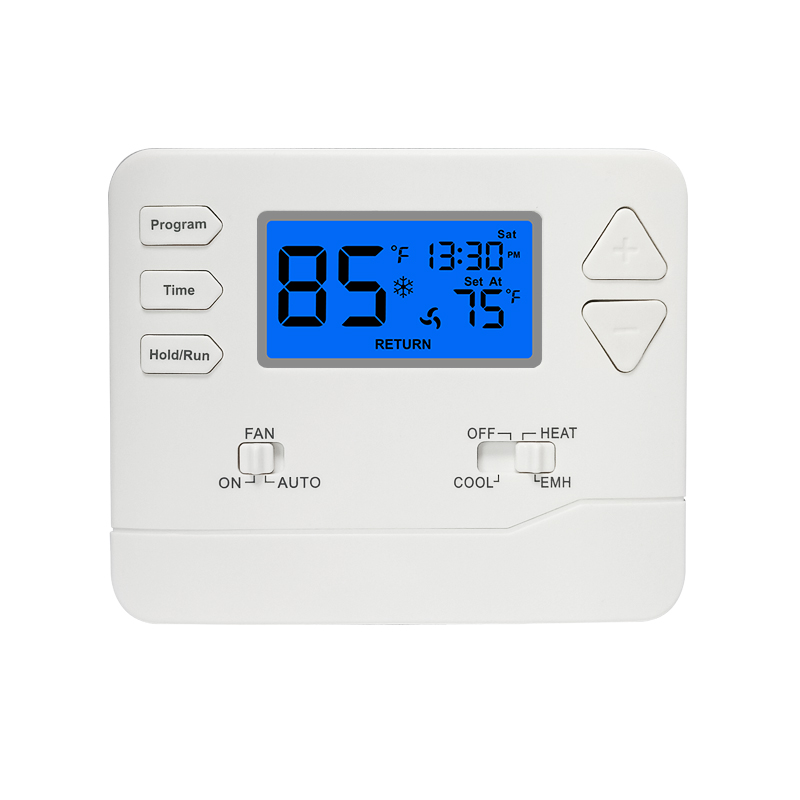
A premium Riseem thermostat is not just a digital display on your wall; it is the ultimate gatekeeper of your indoor environment.
Why a Quality Thermostat Is the Key to a More Comfortable Home
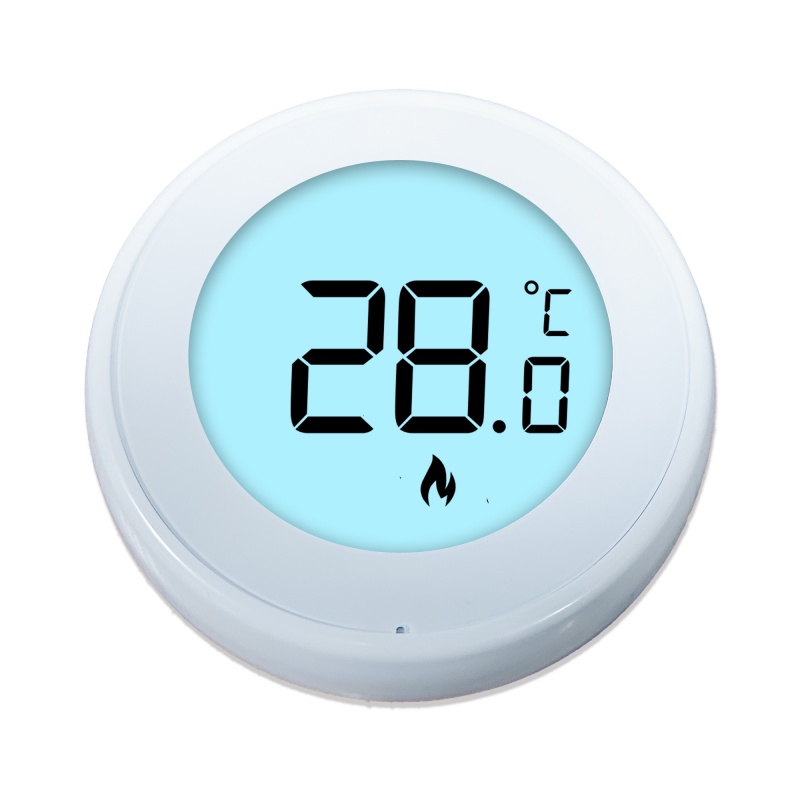
While the TUYA app provides the elegant interface, the physical thermostat remains the brain of the operation. Riseem has engineered a device that looks minimalist on your wall while delivering industrial-grade precision to your HVAC equipment.
Welcome to the Future of Home Automation The Ultimate Guide to TUYA WIFI Smart Thermostats