
can i change my own ac thermostat
author: Lily
2025-04-30
Can I Change My Own AC Thermostat?
Introduction
The thermostat is a crucial part of your air - conditioning (AC) system. It controls the temperature in your home, making your living environment comfortable. Over time, you might find that your old thermostat is not functioning properly, or you may want to upgrade to a more advanced, energy - efficient model. This leads to the question: can you change your own AC thermostat? The answer is, in many cases, yes. However, there are several factors to consider before you start the project.


Assessing Your Skills and Comfort Level
Before attempting to change your AC thermostat, it's important to assess your own skills and comfort with basic electrical work. If you have experience with simple DIY electrical projects, such as replacing a light switch or outlet, changing a thermostat may be well within your capabilities. Thermostat replacement generally involves working with low - voltage wiring, which is less dangerous than high - voltage household current. But if you're completely new to electrical work and feel intimidated by the thought of handling wires, it might be best to call in a professional.
Gathering the Necessary Tools and Materials
To change your AC thermostat, you'll need a few basic tools. A screwdriver (both flat - head and Phillips - head) is essential for removing the old thermostat from the wall and securing the new one. You'll also need a voltage tester to ensure that the power is off before you start working on the wiring. This is a crucial safety step. In terms of materials, obviously, you'll need a new thermostat. Make sure to choose a thermostat that is compatible with your AC system. There are different types of thermostats available, including manual, programmable, and smart thermostats. Consider your needs and the features you want in a thermostat before making a purchase.
Step - by - Step Guide to Changing the Thermostat
- Turn off the Power: Locate the circuit breaker that controls the power to your AC system and switch it off. This is a critical safety measure to prevent the risk of electric shock while working on the thermostat.
- Remove the Old Thermostat: Use your screwdriver to carefully remove the screws that hold the old thermostat to the wall. Gently pull the thermostat away from the wall. You'll see a set of wires connected to the back of the thermostat. Take note of which wire is connected to which terminal. Some thermostats may have color - coded wires, while others may have labels on the terminals. If you're unsure, take a picture of the wiring configuration for reference.
- Disconnect the Wires: One by one, loosen the terminal screws and remove the wires from the old thermostat. Be careful not to pull too hard on the wires, as this could damage them.
- Prepare the New Thermostat: Read the instructions that came with your new thermostat carefully. Some thermostats may require you to install batteries or connect additional components before mounting it on the wall.
- Connect the Wires to the New Thermostat: Match the wires from the wall to the corresponding terminals on the new thermostat according to the wiring diagram in the instructions or the picture you took earlier. Tighten the terminal screws firmly to ensure a good electrical connection.
- Mount the New Thermostat: Hold the new thermostat in place on the wall and use the screwdriver to secure it with the provided screws.
- Turn on the Power: Go back to the circuit breaker and switch the power back on. Your new thermostat should now be powered up.
- Program the Thermostat: Follow the instructions to set the desired temperature, schedule, and other settings on your new thermostat.
Safety Precautions and Potential Pitfalls
Throughout the process, safety should be your top priority. Always double - check that the power is off before handling the wires. If you encounter any difficulties during the installation, such as wires that seem damaged or a wiring configuration that doesn't match the new thermostat's instructions, stop and consult a professional. Incorrect wiring can not only prevent the thermostat from working properly but also cause damage to your AC system or pose a safety hazard.
Conclusion
Changing your own AC thermostat can be a rewarding DIY project that can improve the functionality and energy - efficiency of your home's climate control system. By assessing your skills, gathering the right tools and materials, following the proper steps, and taking safety precautions, you can successfully replace your thermostat. However, if at any point you feel unsure or uncomfortable, don't hesitate to call in a professional HVAC technician to ensure the job is done safely and correctly.


what is aux heat on thermostat
can a thermostat blow a fuse
Related Article
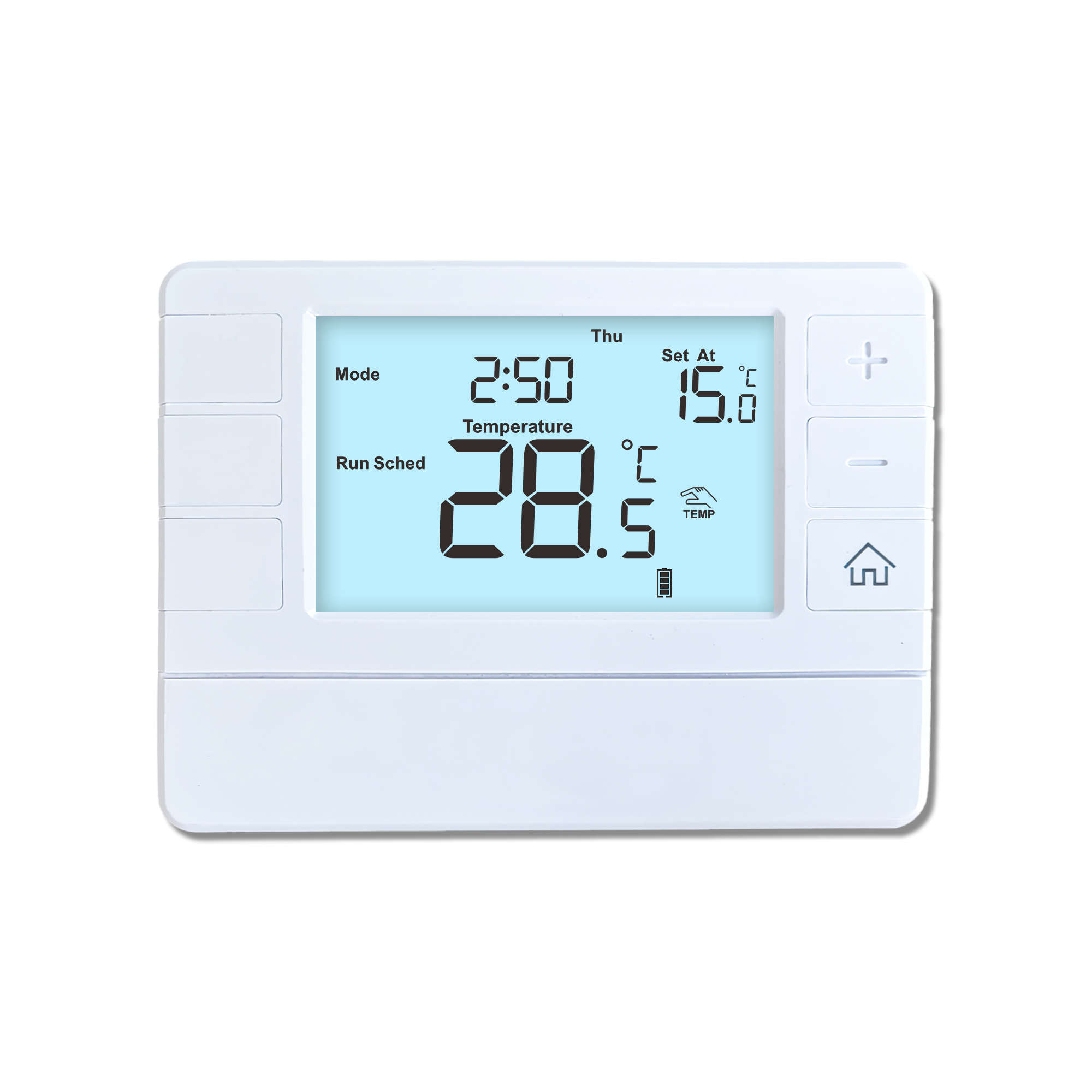
This shift has made traditional, manual thermostats obsolete, paving the way for advanced smart technologies.
Why You Need a Smart Thermostat
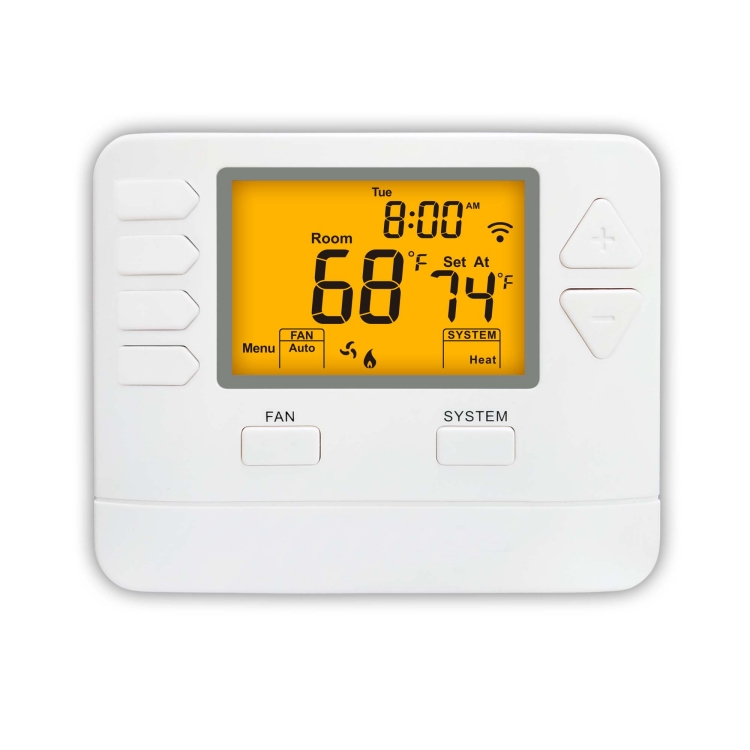
A true 7 Day programmable room thermostat offers the ultimate granular control. It allows users to program a distinct, customized heating and cooling schedule for every single day of the week.
How a 7 Day Programmable Room Thermostat Maximizes Home Comfort and Efficiency
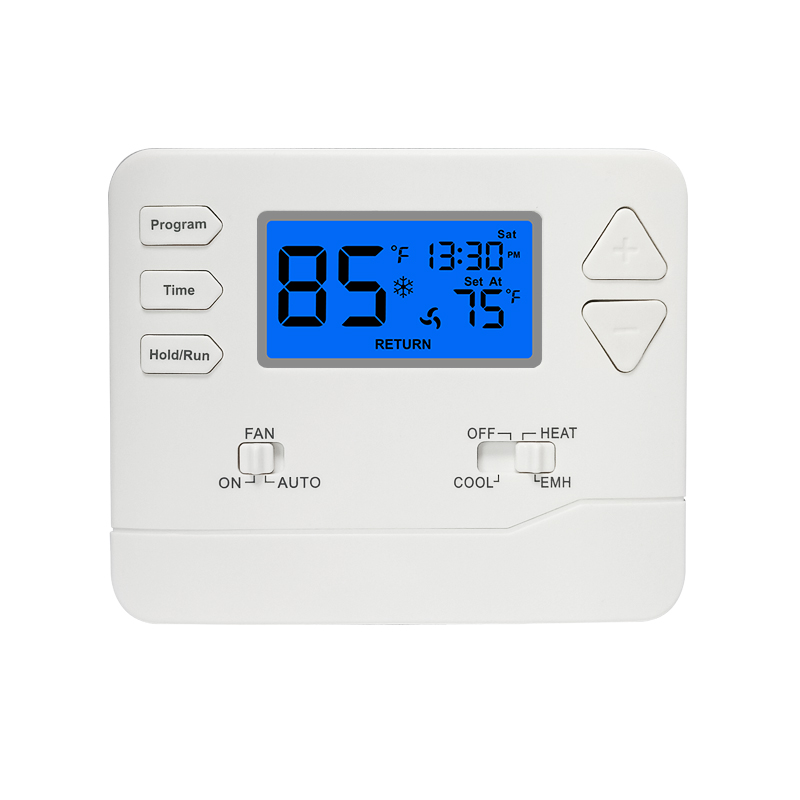
A premium Riseem thermostat is not just a digital display on your wall; it is the ultimate gatekeeper of your indoor environment.
Why a Quality Thermostat Is the Key to a More Comfortable Home
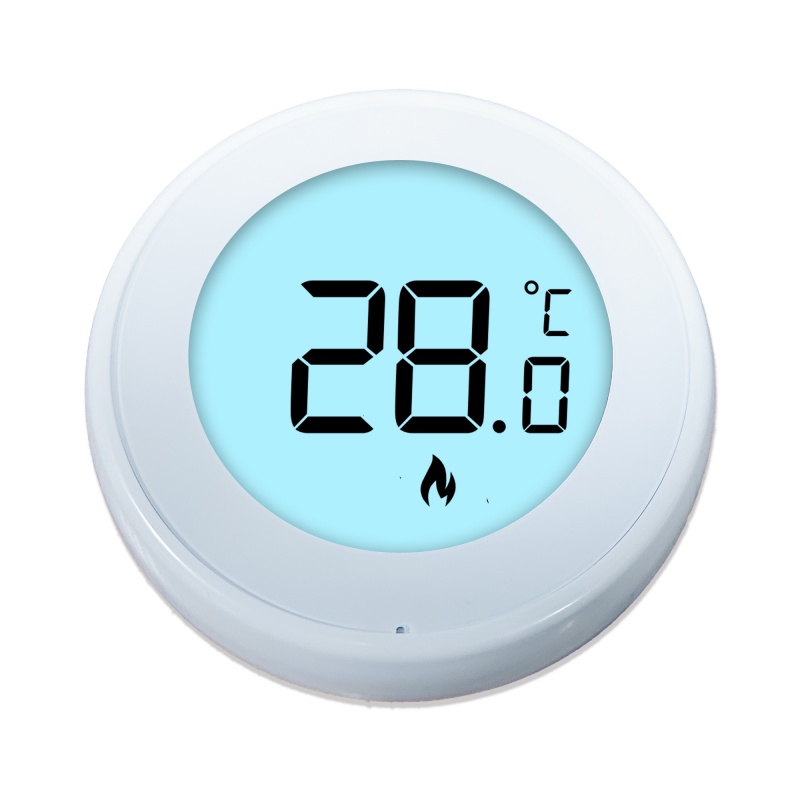
While the TUYA app provides the elegant interface, the physical thermostat remains the brain of the operation. Riseem has engineered a device that looks minimalist on your wall while delivering industrial-grade precision to your HVAC equipment.
Welcome to the Future of Home Automation The Ultimate Guide to TUYA WIFI Smart Thermostats