
Can You Move A Thermostat To Another Room
author: Iris
2025-08-02
Can You Move A Thermostat To Another Room? A Complete Guide
If you’ve ever felt like your home’s temperature isn’t quite right—maybe one room is too hot while another is too cold—you might have wondered about relocating your thermostat. After all, this small device plays a big role in how your heating and cooling system works. But is moving a thermostat to another room a good idea? And if so, how do you do it properly? Let’s break it down.
Should You Move Your Thermostat? Key Considerations
Before grabbing a screwdriver, it’s important to ask: Why do I want to move my thermostat? The most common reason is poor temperature accuracy. Thermostats work best when they’re placed in a central, frequently used room—think a living room or hallway—where they can “read” the average temperature of your home. If yours is in a drafty corner, near a window, or next to a heat source (like a lamp or TV), it might give false readings, making your system run inefficiently.
But moving a thermostat isn’t always necessary. Sometimes, simple fixes—like adjusting its position slightly or blocking direct sunlight—can solve the problem. If those don’t work, though, relocation might be the way to go.
Why Relocate Your Thermostat? Common Scenarios


Here are a few situations where moving your thermostat makes sense:
- Uneven heating/cooling: If one area of your home is always uncomfortable, your thermostat might be in a “hot spot” or “cold spot” that doesn’t reflect the rest of the house.
- Renovations: Remodeling a room (like turning a closet into a home office) could leave your thermostat in an awkward or unused space.
- New HVAC system: Upgrading to a more efficient heating/cooling system might require a thermostat in a better location to maximize performance.
Is Moving a Thermostat DIY-Friendly? Pros and Cons
The short answer: It depends on your skill level and the type of thermostat you have.
- Pros of DIY: If you’re handy with tools and have a basic understanding of wiring, moving a battery-powered or low-voltage thermostat (common in most homes) can be a weekend project. It saves money on professional installation.
- Cons of DIY: Mistakes with wiring can damage your HVAC system or create safety hazards (like electrical shocks). Hardwired thermostats or smart models with complex features are best left to professionals.
If you’re unsure, it’s wise to consult experts. Companies like riseem specialize in HVAC and thermostat solutions, offering guidance on everything from placement to installation.
Tools and Steps for Moving a Thermostat
If you decide to tackle the project yourself, here’s what you’ll need:
- Screwdrivers (flathead and Phillips)
- Wire cutters/strippers
- Electrical tape
- A new mounting plate (if the new location requires it)
- A level (to keep the thermostat straight)
Steps to follow:
- Turn off power: Shut off the electricity to your HVAC system at the circuit breaker to avoid shocks.
- Remove the old thermostat: Unscrew it from the wall and gently pull it away to expose the wires. Take a photo of the wiring setup—this will help when reconnecting later!
- Disconnect wires: Label each wire (using tape or markers) to match their terminals (e.g., “R” for red, “W” for white). Disconnect them carefully.
- Run wires to the new location: If the new room is nearby, you might be able to fish the wires through the wall. For longer distances, you may need to add new wiring (this is where DIY gets tricky—consider riseem for help if unsure).
- Mount the new plate: Attach the mounting plate to the wall in the new location, ensuring it’s level.
- Reconnect wires: Match the labeled wires to their corresponding terminals on the new plate. Secure them with screws.
- Attach the thermostat: Snap or screw the thermostat onto the mounting plate.
- Test it out: Turn the power back on and check if the thermostat works. Adjust the temperature to see if your HVAC system responds.
Final Tips: Avoid Mistakes and Use Reliable Resources
- Choose the right new location: The ideal spot is 52–60 inches above the floor, away from windows, doors, vents, and heat sources. It should be in a room you use daily.
- Don’t skimp on wiring: Using the wrong gauge wire can cause your thermostat to malfunction. Check your HVAC manual for specifications.
- Get help if needed: If you’re uncomfortable with wiring or unsure about placement, reach out to professionals. riseem offers expert advice and services—visit www.riseem.cn for guides, product recommendations, and contact info.
Moving a thermostat can improve your home’s comfort and energy efficiency, but it’s not a project to rush. With careful planning and the right resources, you can get your thermostat in the perfect spot—ensuring every room stays just the way you like it.
Battery Thermostats
Wireless Thermostat And Receiver
Related Article
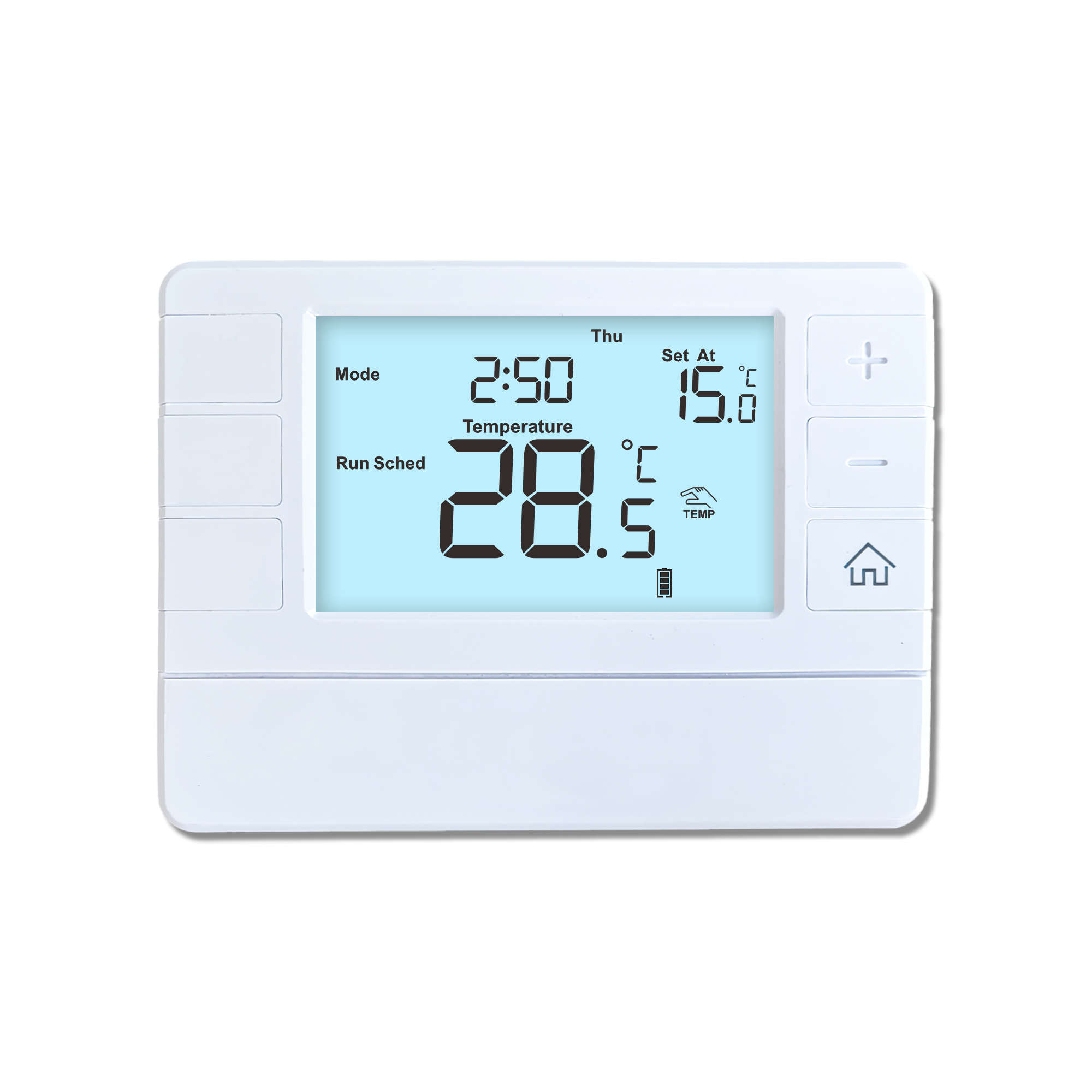
This shift has made traditional, manual thermostats obsolete, paving the way for advanced smart technologies.
Why You Need a Smart Thermostat
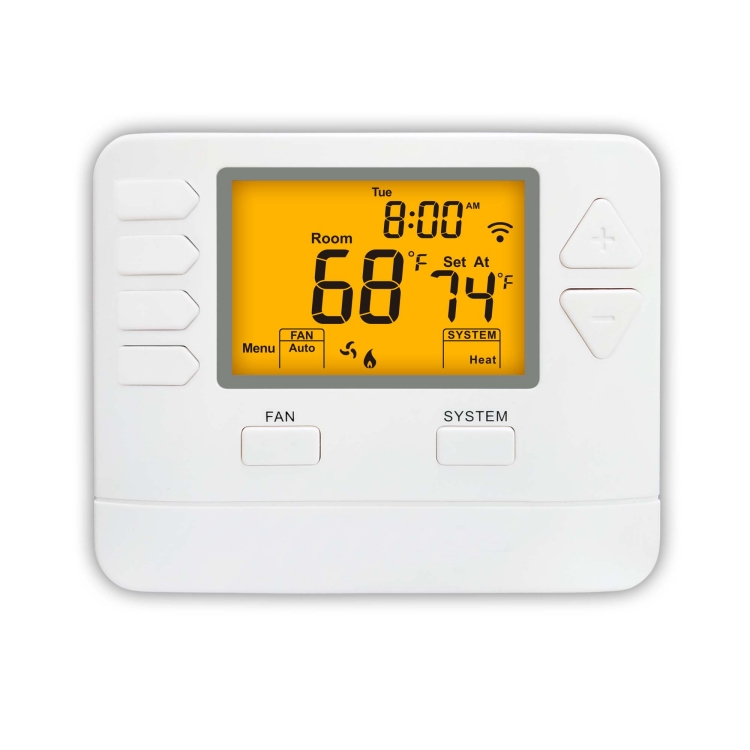
A true 7 Day programmable room thermostat offers the ultimate granular control. It allows users to program a distinct, customized heating and cooling schedule for every single day of the week.
How a 7 Day Programmable Room Thermostat Maximizes Home Comfort and Efficiency
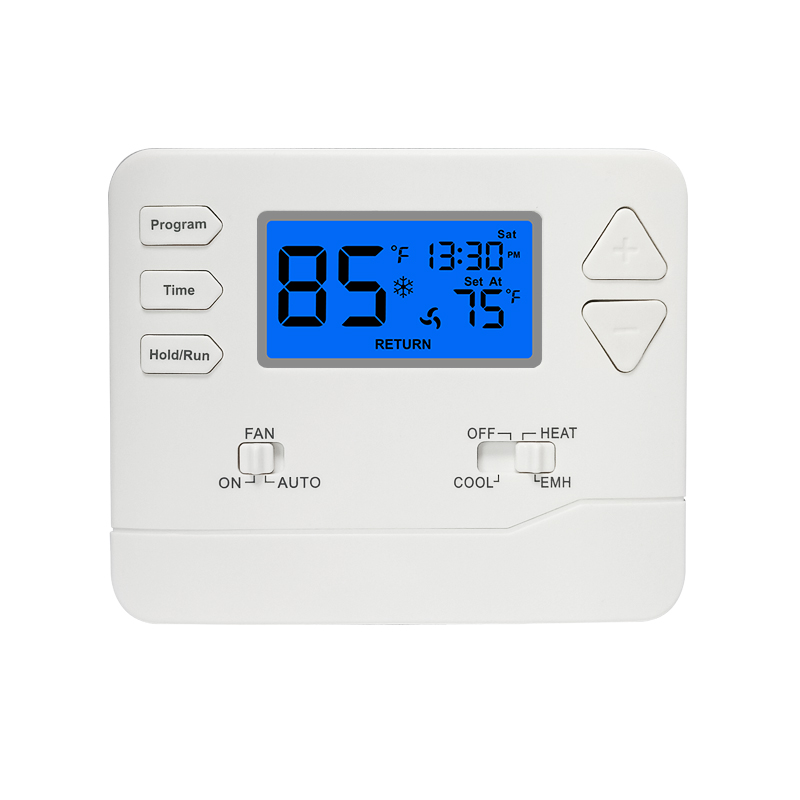
A premium Riseem thermostat is not just a digital display on your wall; it is the ultimate gatekeeper of your indoor environment.
Why a Quality Thermostat Is the Key to a More Comfortable Home
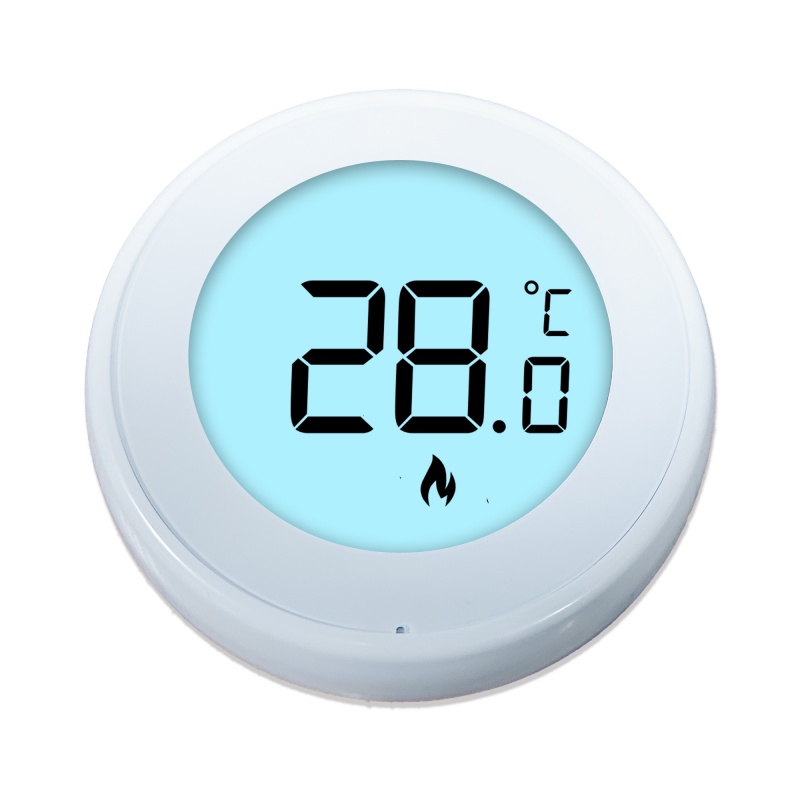
While the TUYA app provides the elegant interface, the physical thermostat remains the brain of the operation. Riseem has engineered a device that looks minimalist on your wall while delivering industrial-grade precision to your HVAC equipment.
Welcome to the Future of Home Automation The Ultimate Guide to TUYA WIFI Smart Thermostats