
can you use a programmable thermostat with a boiler
author: Lily
2025-05-16
Can You Use a Programmable Thermostat with a Boiler?
In the pursuit of optimizing home heating systems for better efficiency and comfort, the query “Can you use a programmable thermostat with a boiler?” frequently surfaces among homeowners. Let’s embark on a detailed exploration of this topic through a series of questions and answers.
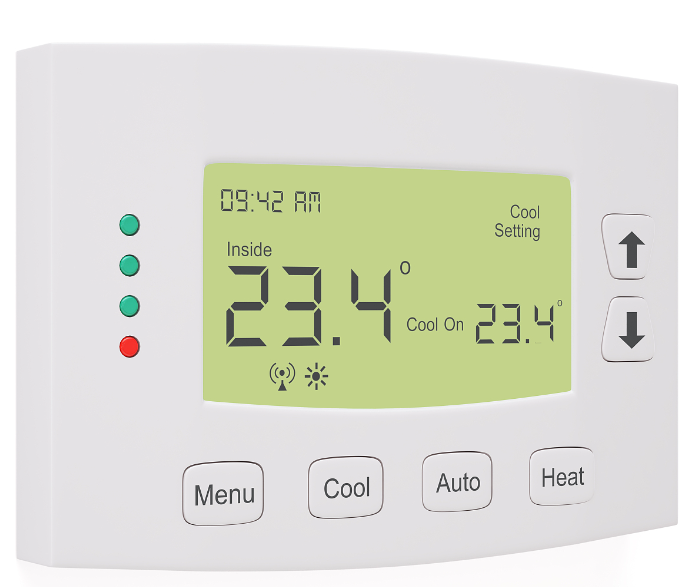
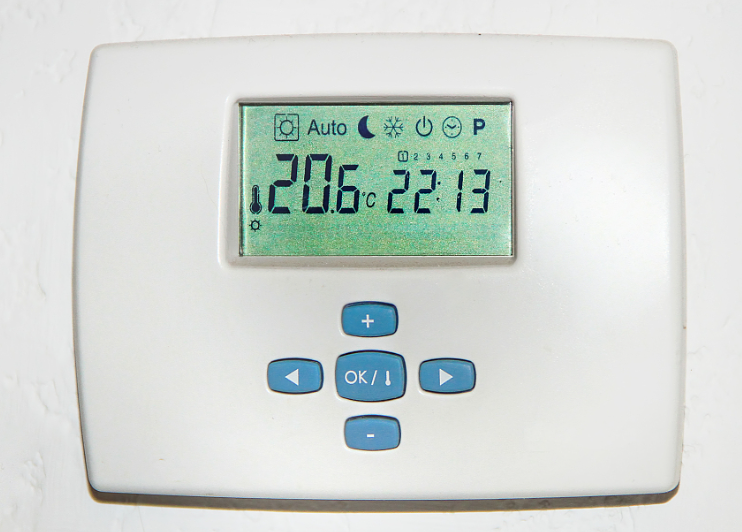
1. What precisely is a programmable thermostat, and how does its operation unfold?
A programmable thermostat is an innovative device that empowers users to customize temperature schedules across various times of the day and throughout the week. It functions by transmitting electrical signals to the heating or cooling system, dictating when the system should activate, deactivate, or modify the temperature settings. For instance, you can program it to reduce the temperature during the night while you’re asleep, and then gradually raise it in the early morning, ensuring a cozy environment as you wake up. Take the Honeywell RTH9580WF, for example. This model allows users to set up to six personalized temperature periods per day. By automating temperature control, it not only conserves energy but also guarantees comfort without the need for continuous manual adjustments. On average, homeowners who use programmable thermostats can save up to 10% on their annual heating and cooling costs.
2. Is it feasible to use a programmable thermostat with a boiler?
Yes, in the vast majority of cases, integrating a programmable thermostat with a boiler is entirely achievable. A boiler, a prevalent heating system, operates by heating water or generating steam to disperse warmth throughout the home. Programmable thermostats are engineered to communicate with heating systems, including boilers, to regulate the temperature effectively. They can be programmed to activate the boiler at specific intervals, ensuring that your living space is comfortably warm when required and minimizing unnecessary heating when the home is unoccupied. However, several crucial factors must be taken into account to ensure seamless compatibility. For example, some older boilers might have unique control systems that could pose challenges when integrating with modern programmable thermostats.
3. Which types of boilers are compatible with programmable thermostats?
The majority of contemporary boilers, encompassing combi boilers, which offer instantaneous hot water and heating; regular boilers, which store hot water in a tank; and system boilers, which feature an integrated pump and expansion vessel for hot water storage, are generally compatible with programmable thermostats. Combi boilers, like the Worcester Bosch Greenstar i, can work harmoniously with many programmable thermostat models. However, older or highly specialized boiler models may possess distinct electrical or control mechanisms that could potentially lead to compatibility issues. Before installation, it is imperative to meticulously review the manufacturer’s specifications of both the boiler and the thermostat. Some boilers might require specific types of thermostats with certain voltage ratings or communication protocols, so thorough research is essential.
4. What are the steps involved in installing a programmable thermostat with a boiler?
The installation process comprises several key steps. First and foremost, for safety reasons, turn off the power supply to the boiler at the circuit breaker. This step prevents the risk of electric shock during the installation. Subsequently, carefully remove the existing thermostat from the wall, taking detailed notes of how the wires are connected. Different wires serve specific functions, such as providing power, transmitting heating signals, and establishing common connections. A common mistake during this step is mislabeling the wires, which can lead to incorrect connections later. To avoid this, use colored tape or a labeling system to clearly mark each wire.
Next, connect the wires from the boiler to the corresponding terminals on the programmable thermostat, strictly following the manufacturer’s instructions. These instructions typically include a detailed wiring diagram that serves as a guide. For example, if the thermostat requires a C - wire for power but your existing setup lacks one, you may need to install a power - stealing adapter or rewire the system. After completing the wiring, securely mount the thermostat on the wall and restore power to the boiler. Finally, follow the thermostat’s setup procedure to program your desired temperature schedules. If you encounter any uncertainties or difficulties during the installation process, it is highly recommended to consult a professional heating engineer. They have the expertise to handle complex wiring scenarios and ensure the thermostat is installed correctly and safely.
5. What are the notable benefits of using a programmable thermostat with a boiler?
Pairing a programmable thermostat with a boiler yields several substantial benefits. Primarily, it significantly contributes to energy conservation and reduces heating bills. By heating the home only when necessary, it eliminates the waste of energy that occurs when the house is heated continuously, even when unoccupied. A study has shown that homes with programmable thermostats can reduce their heating energy consumption by up to 15% during winter months. Secondly, it elevates the level of comfort. You can precisely schedule the temperature to be ideal when you wake up, return home from work, or prepare for bed. Moreover, it offers unparalleled convenience, as you no longer need to remember to adjust the temperature manually each time your schedule changes. Over time, the cumulative energy savings can easily offset the initial cost of purchasing and installing the programmable thermostat.
6. What potential issues or limitations should one be aware of?
There are several potential challenges to consider. Incorrect programming of the thermostat can lead to suboptimal performance, causing either over - heating or under - heating of the home. Compatibility issues may arise, particularly with boilers that have intricate control systems or are of an older vintage. As mentioned earlier, the requirement for a C - wire in some thermostats can pose a problem if the existing wiring does not support it. Additionally, electrical or technical glitches in the thermostat or the connection between the thermostat and the boiler can disrupt the heating system’s operation. For example, a loose wire connection might cause the thermostat to malfunction, resulting in inconsistent heating. Regular maintenance and periodic checks of the thermostat and its connections can help identify and resolve these issues promptly.
In conclusion, using a programmable thermostat with a boiler presents a practical and advantageous solution for numerous homeowners. Through diligent research on compatibility, accurate installation, and meticulous programming, you can fully capitalize on the benefits of energy savings, enhanced comfort, and added convenience that this combination provides. If you have any uncertainties or encounter difficulties at any stage of the process, do not hesitate to seek professional advice to ensure a seamless and efficient heating experience.


ideal thermostat settings winter
can you use a smart thermostat without wifi
Related Article
This shift has made traditional, manual thermostats obsolete, paving the way for advanced smart technologies.
Why You Need a Smart Thermostat
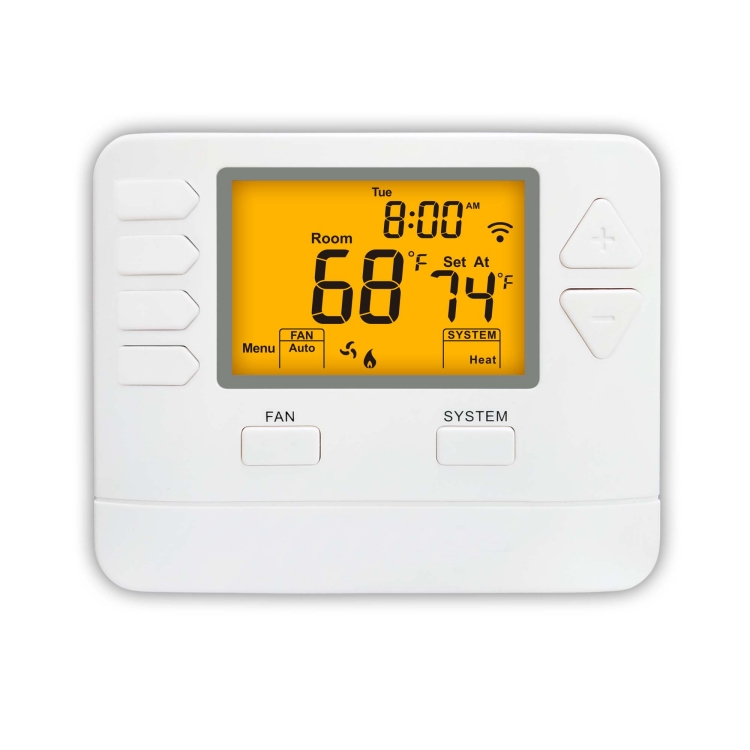
A true 7 Day programmable room thermostat offers the ultimate granular control. It allows users to program a distinct, customized heating and cooling schedule for every single day of the week.
How a 7 Day Programmable Room Thermostat Maximizes Home Comfort and Efficiency
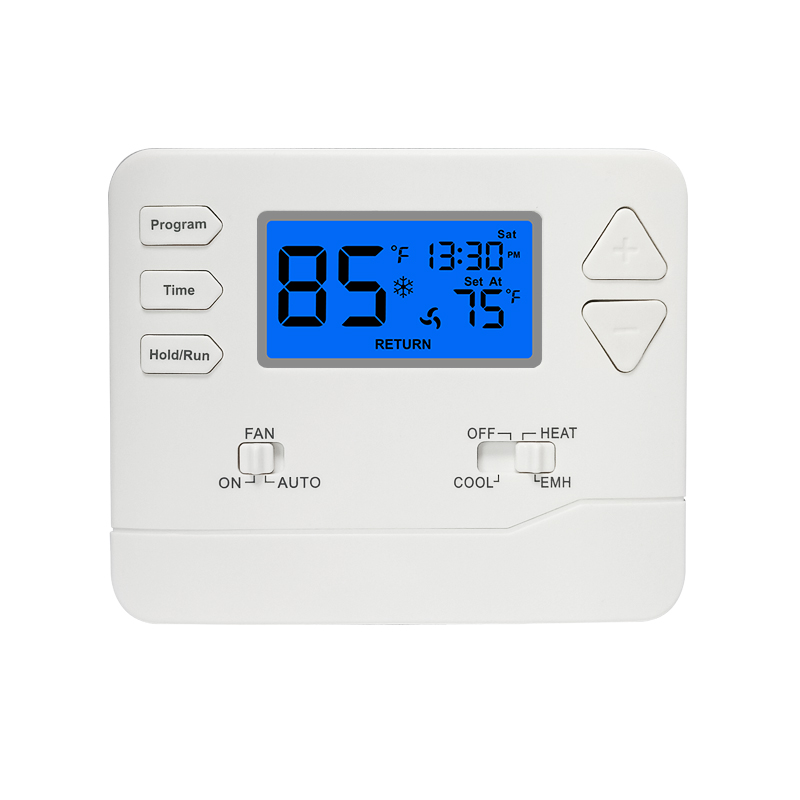
A premium Riseem thermostat is not just a digital display on your wall; it is the ultimate gatekeeper of your indoor environment.
Why a Quality Thermostat Is the Key to a More Comfortable Home
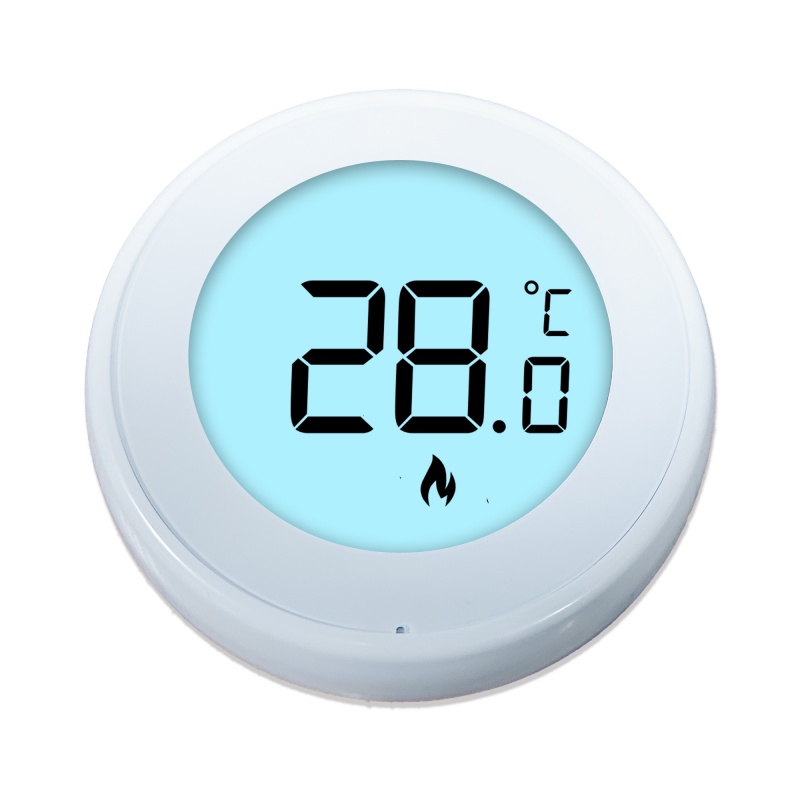
While the TUYA app provides the elegant interface, the physical thermostat remains the brain of the operation. Riseem has engineered a device that looks minimalist on your wall while delivering industrial-grade precision to your HVAC equipment.
Welcome to the Future of Home Automation The Ultimate Guide to TUYA WIFI Smart Thermostats