
Do l need to reset my thermostat after changing batteries
author: Bani
2025-07-09
Do I need to reset my thermostat after changing batteries? Understanding the post-battery replacement steps

When the low - battery indicator on your thermostat starts flashing, it's time to replace the batteries. But a common question arises: Do you need to reset the thermostat after this simple task? In this blog, we'll answer this question, explore the role of thermostat wires in the process, and reference insights from Ocean Controls Limited to help you handle your thermostat correctly.
Why Do Thermostats Use Batteries?
Power Source for Basic Functions
Many thermostats, especially non - smart or older models, rely on batteries to power their basic functions. These include displaying the temperature, accepting user input for setting adjustments, and sending signals to the heating or cooling system. Even if your thermostat is connected to thermostat wires that provide power for some operations, batteries often act as a backup to ensure the thermostat continues working during power outages.

Memory Retention
Batteries also play a role in retaining the thermostat's memory. This memory stores important information such as programmed schedules, temperature preferences, and user settings. When the batteries die completely, there's a risk of losing this data. Ocean Controls Limited notes that their battery - powered thermostats are designed to retain memory for a short period after battery removal to minimize data loss, but it's still best to replace batteries promptly.
When Do You Need to Reset Your Thermostat After Battery Replacement?
Most Cases: No Reset Needed
In the majority of situations, you don't need to reset your thermostat after changing the batteries. Modern thermostats, including many models from Ocean Controls Limited, are designed to resume normal operation once new batteries are installed. The thermostat will detect the new power source and continue using the stored settings and schedules. For example, if you had a programmed schedule to lower the temperature at night, the thermostat should still follow that schedule after battery replacement.
Exceptions: When a Reset Is Required

There are a few exceptions where a reset might be necessary:
- Loss of Settings: If the batteries were dead for an extended period, the thermostat's memory might have been erased. In this case, you'll notice that the programmed schedules or temperature settings are gone. A reset can help the thermostat start fresh, allowing you to re - enter the settings.
- Display Issues: Sometimes, after changing the batteries, the thermostat's display might act up. It could show incorrect information, flicker, or remain blank. A reset can often resolve these display glitches.
- Communication Problems: If the thermostat fails to communicate with the heating or cooling system after battery replacement, a reset might help. This is because the reset can re - establish the connection between the thermostat and the system via the thermostat wires.
How to Reset a Thermostat
Check the User Manual
The first step in resetting your thermostat is to refer to its user manual. Different models have different reset procedures. Ocean Controls Limited provides detailed user manuals for their thermostats, which outline the specific steps for resetting, such as pressing a combination of buttons for a certain period.
Basic Reset Steps

For many thermostats, a basic reset can be done by following these steps:
- Turn off the power to the thermostat. This can be done by removing the batteries again or, if it's connected to thermostat wires, turning off the circuit breaker that powers the HVAC system.
- Wait for about 30 seconds to a minute. This gives the thermostat's internal components time to discharge any residual power.
- Reinstall the batteries (if removed) or turn the circuit breaker back on.
- Turn the thermostat on and check if it's functioning properly. If not, refer to the manual for a hard reset, which might involve pressing specific buttons while turning the thermostat on.
The Role of Thermostat Wires During Battery Replacement

Power Backup
In some thermostats, the thermostat wires provide a constant power supply, while the batteries are just a backup. When you replace the batteries, the thermostat remains powered by the thermostat wires, so there's no interruption in its operation. This means the chances of needing a reset are even lower because the thermostat's memory and settings are continuously powered.
Signal Transmission
Thermostat wires are responsible for transmitting signals between the thermostat and the HVAC system. Even when changing batteries, as long as the thermostat is properly connected to the wires, the signal transmission should resume seamlessly once the new batteries are in place. Ocean Controls Limited emphasizes that ensuring the thermostat wires are securely connected during battery replacement helps prevent communication issues that might mistakenly lead you to think a reset is needed.

Tips from Ocean Controls Limited
Replace Batteries Proactively
Ocean Controls Limited recommends replacing the batteries in your thermostat before they completely die. This reduces the risk of losing programmed settings and minimizes the need for a reset. Set a reminder to check the battery status every few months, especially before extreme weather seasons when your thermostat is working harder.
Use High - Quality Batteries
Using high - quality, long - lasting batteries can extend the time between replacements and reduce the chances of sudden battery failure. Cheap or low - quality batteries might not provide a consistent power supply, which can cause the thermostat to behave erratically, potentially leading you to think a reset is necessary when it's actually a battery issue.
Check for Loose Wires
When replacing the batteries, take a moment to inspect the thermostat wires. Loose or corroded wires can cause the thermostat to malfunction, which might be mistaken for a problem that requires a reset. If you notice any issues with the wires, contact a professional from Ocean Controls Limited to fix them.
Conclusion: Resetting Your Thermostat After Battery Replacement
In most cases, you don't need to reset your thermostat after changing the batteries. Modern thermostats are designed to retain their settings and resume normal operation with new batteries. However, if you lose your programmed settings, experience display issues, or have communication problems with the HVAC system, a reset might be necessary. Understanding the role of thermostat wires, which provide power and facilitate communication, and following tips from Ocean Controls Limited will help you keep your thermostat running smoothly after battery replacement.


Thermostat with humidity control
LCD Room Thermostats
Related Article
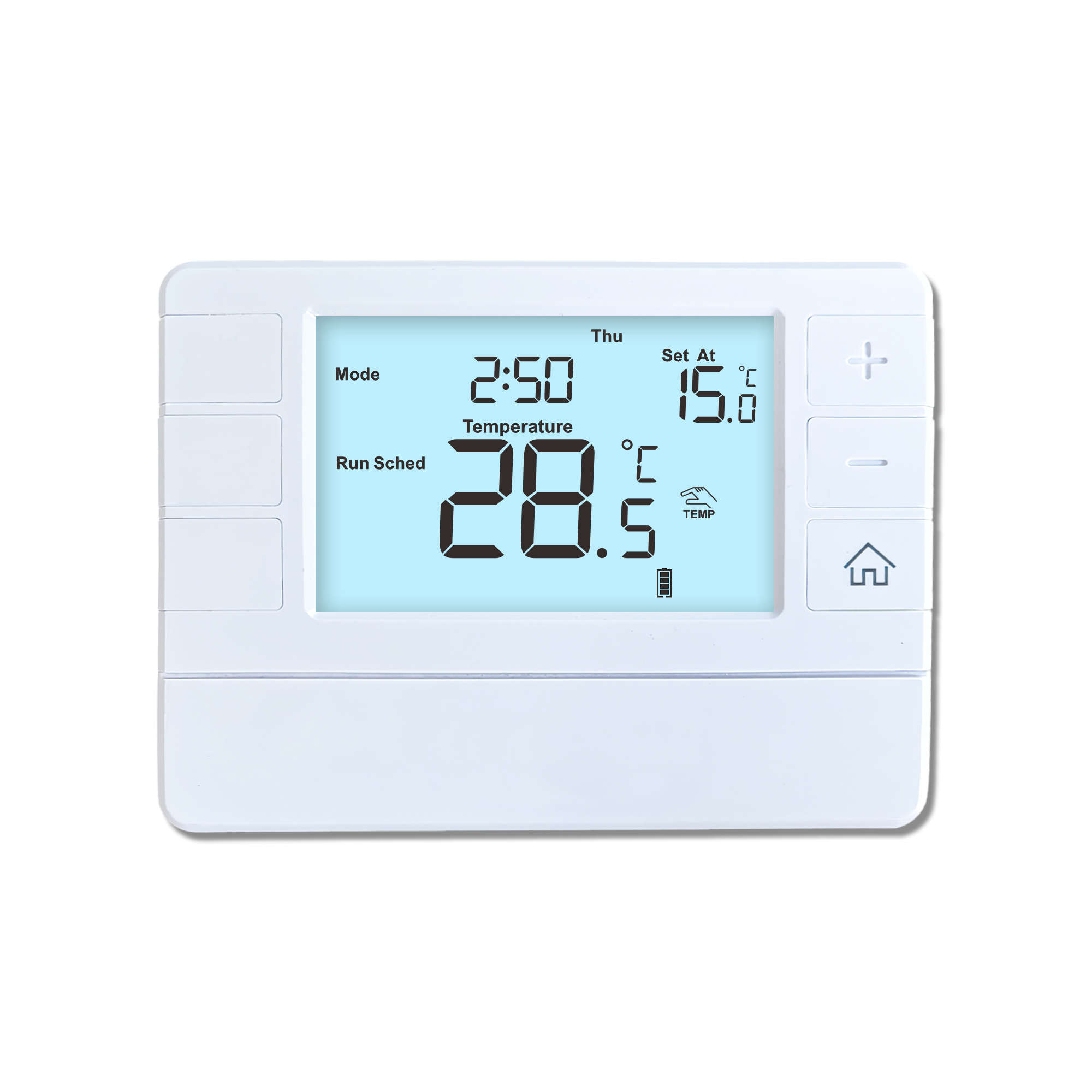
This shift has made traditional, manual thermostats obsolete, paving the way for advanced smart technologies.
Why You Need a Smart Thermostat
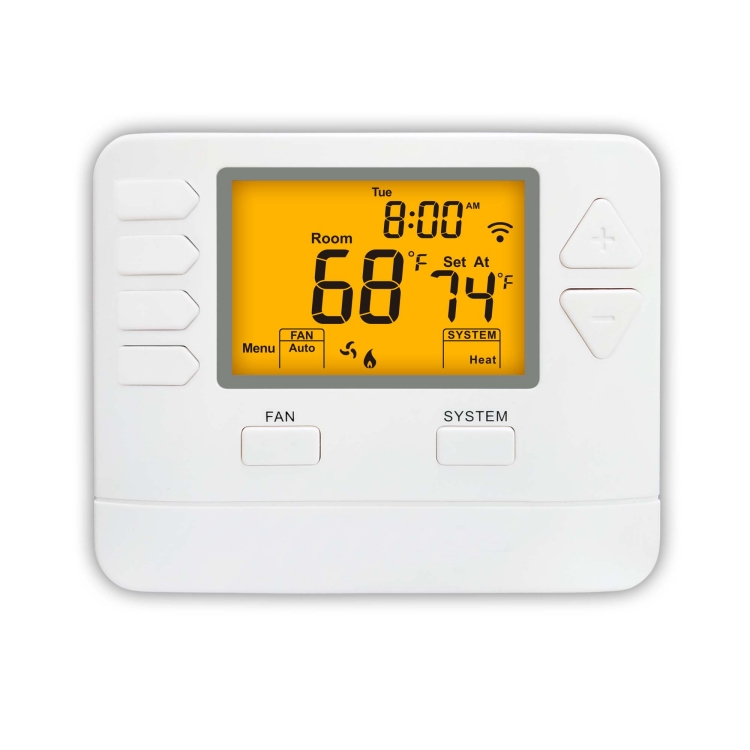
A true 7 Day programmable room thermostat offers the ultimate granular control. It allows users to program a distinct, customized heating and cooling schedule for every single day of the week.
How a 7 Day Programmable Room Thermostat Maximizes Home Comfort and Efficiency
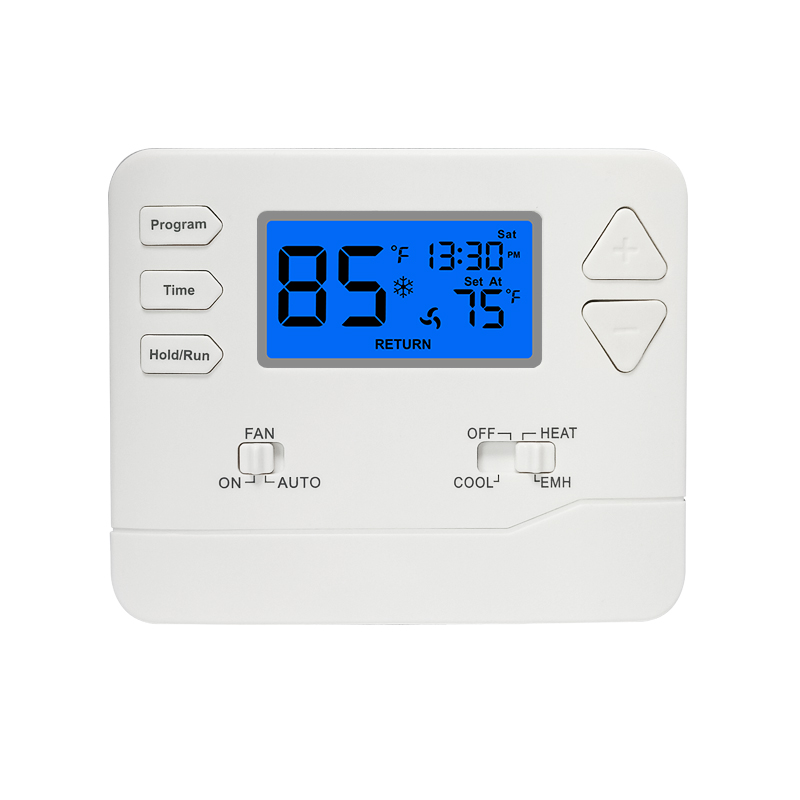
A premium Riseem thermostat is not just a digital display on your wall; it is the ultimate gatekeeper of your indoor environment.
Why a Quality Thermostat Is the Key to a More Comfortable Home
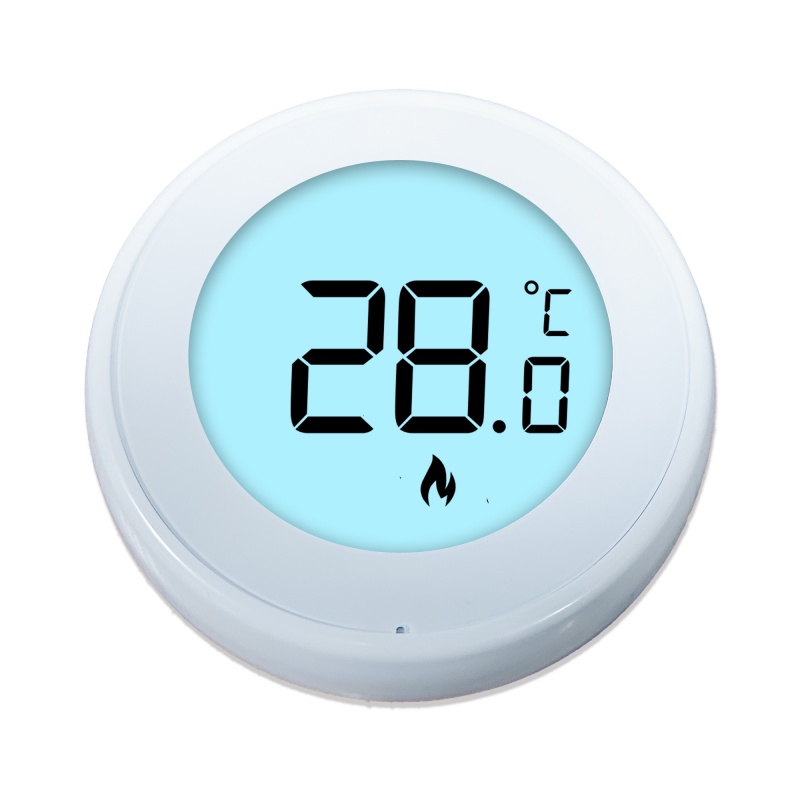
While the TUYA app provides the elegant interface, the physical thermostat remains the brain of the operation. Riseem has engineered a device that looks minimalist on your wall while delivering industrial-grade precision to your HVAC equipment.
Welcome to the Future of Home Automation The Ultimate Guide to TUYA WIFI Smart Thermostats