
do you need a thermostat
author: Lily
2025-04-15
Do You Need a Thermostat?


In an age where technology permeates every aspect of our homes, the thermostat has emerged as a central figure in managing our indoor environment. The query “Do you need a thermostat?” isn't as straightforward as it seems, as the answer unfolds through a rich tapestry of factors that touch on convenience, cost - effectiveness, and environmental impact.
At the heart of the argument for having a thermostat is its unparalleled role in energy management. Consider a household without a thermostat. Heating and cooling systems operate in a relentless cycle, running continuously and consuming vast amounts of energy. A thermostat, however, acts as a gatekeeper, enabling precise control over temperature settings. In a commercial setting, like a large office building, programmable thermostats can be set to adjust temperatures based on occupancy. During off - peak hours, when most employees have left, the thermostat can automatically raise or lower the temperature, significantly cutting down on energy usage. Research shows that businesses using smart thermostats can achieve energy savings of up to 30% in certain scenarios, translating into substantial cost reductions over time.
Comfort is another compelling reason to invest in a thermostat. Imagine a summer day when the sun beats down relentlessly outside. Without a thermostat, an air conditioner might struggle to keep up, leading to uneven cooling throughout the house. Some rooms could be too hot, while others are uncomfortably chilly. A thermostat, especially a modern smart one, can analyze temperature data from multiple sensors placed around the house. It then adjusts the cooling output accordingly, ensuring that every corner of your home maintains a consistent and pleasant temperature. In winter, a thermostat can be programmed to gradually warm up the house in the morning, so you wake up to a cozy and inviting atmosphere instead of a cold, drafty one.
The longevity of your heating, ventilation, and air - conditioning (HVAC) system also hinges on the presence of a thermostat. When an HVAC system runs without regulation, it experiences constant stress. The compressor, fans, and other components are forced to work overtime, increasing the likelihood of breakdowns. A thermostat monitors the temperature and controls the start - stop cycles of the system, preventing it from overworking. This not only reduces the frequency of repairs but also extends the overall lifespan of the equipment. For example, a well - maintained HVAC system with a thermostat can last 15 - 20 years, compared to 10 - 12 years for a system without proper temperature control.
However, it's essential to acknowledge that the need for a thermostat isn't universal. In rural areas with small cottages that rely on wood - burning stoves for heating, the simplicity of manual temperature adjustment might be sufficient. Similarly, in some parts of the world with moderate climates, where temperature variations are minimal, the investment in a high - tech thermostat may not yield significant returns. Additionally, for those on a tight budget, the initial cost of purchasing and installing a thermostat, especially a smart one, could be a deterrent.
In conclusion, while there are situations where a thermostat may not be an absolute necessity, for the vast majority of households and commercial spaces, it offers undeniable benefits. From optimizing energy consumption and enhancing comfort to protecting your HVAC investment, a thermostat is more than just a temperature - controlling device; it's a key to a more sustainable, comfortable, and cost - efficient lifestyle. Whether you choose a basic model or embrace the latest in smart thermostat technology, the decision to incorporate a thermostat into your environment is one that can bring long - lasting positive impacts.


where do thermostat wires go
how does a smart thermostat save energy
Related Article
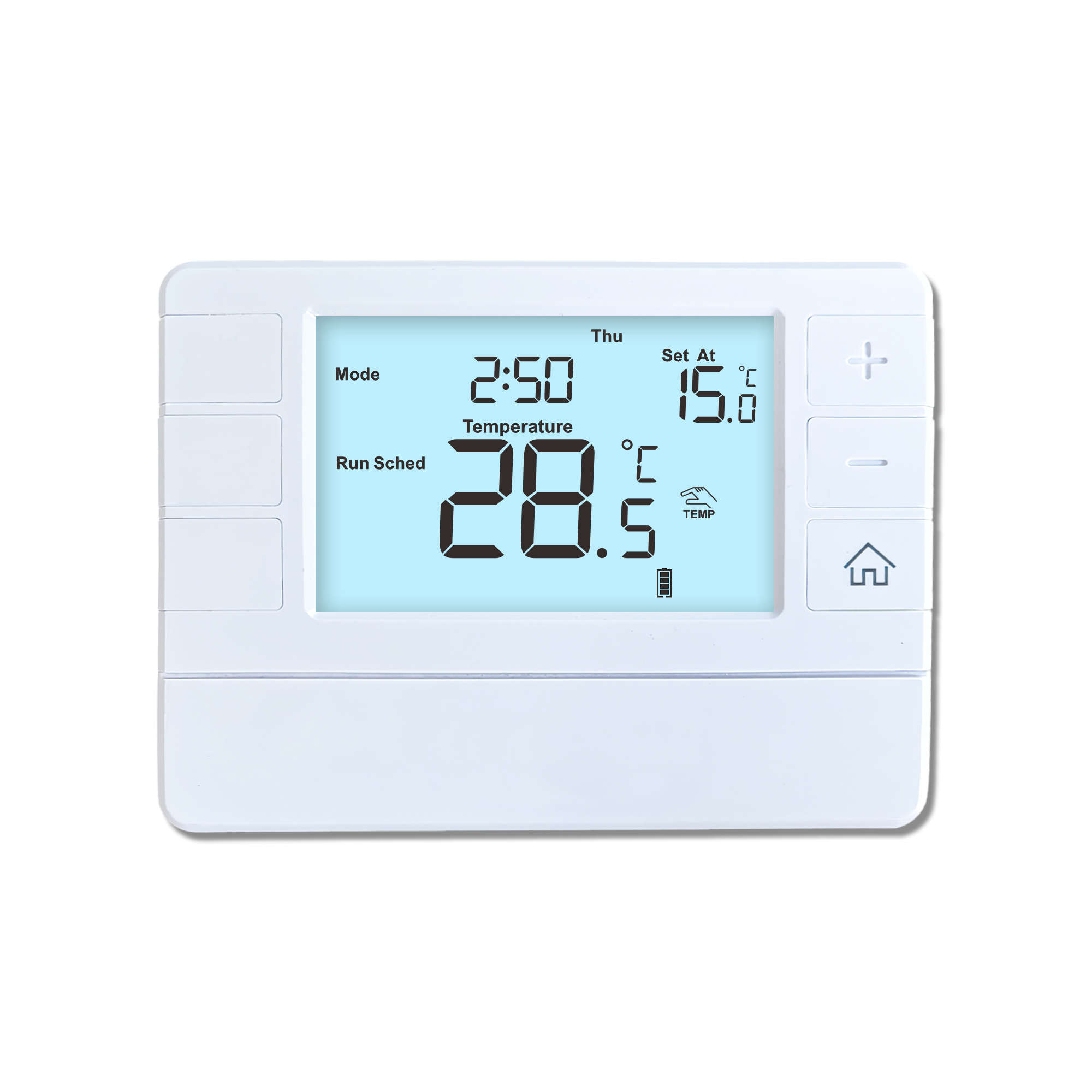
This shift has made traditional, manual thermostats obsolete, paving the way for advanced smart technologies.
Why You Need a Smart Thermostat
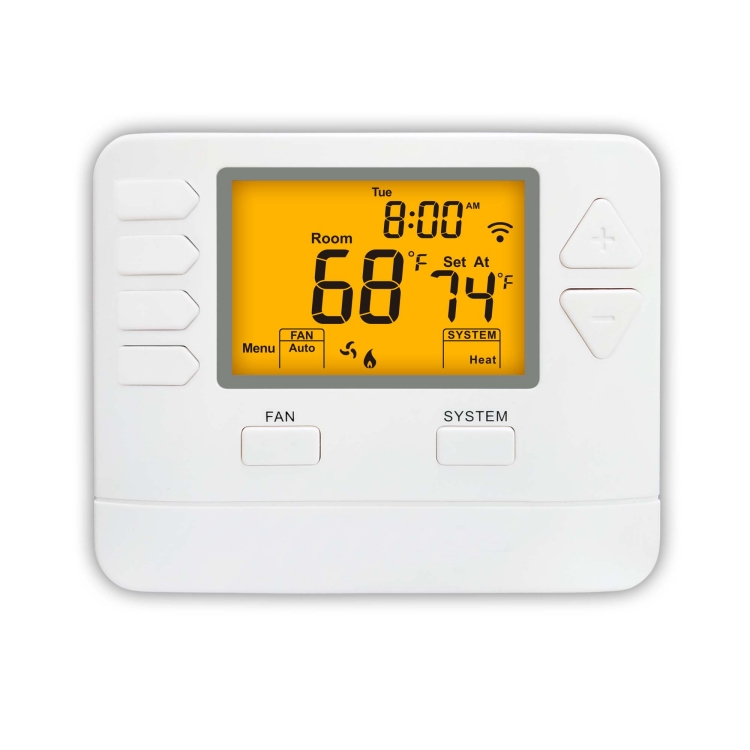
A true 7 Day programmable room thermostat offers the ultimate granular control. It allows users to program a distinct, customized heating and cooling schedule for every single day of the week.
How a 7 Day Programmable Room Thermostat Maximizes Home Comfort and Efficiency
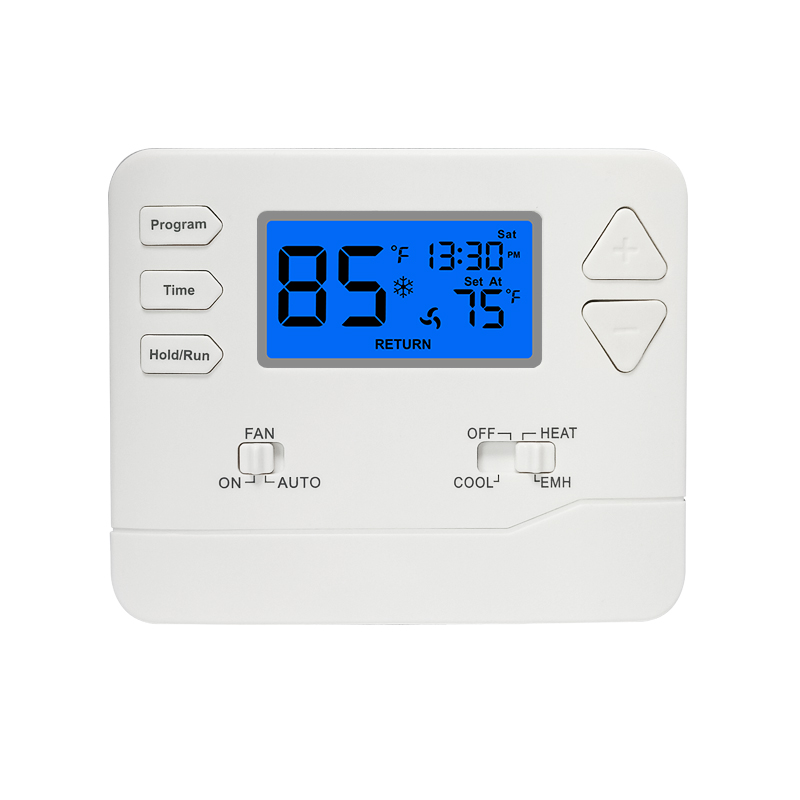
A premium Riseem thermostat is not just a digital display on your wall; it is the ultimate gatekeeper of your indoor environment.
Why a Quality Thermostat Is the Key to a More Comfortable Home
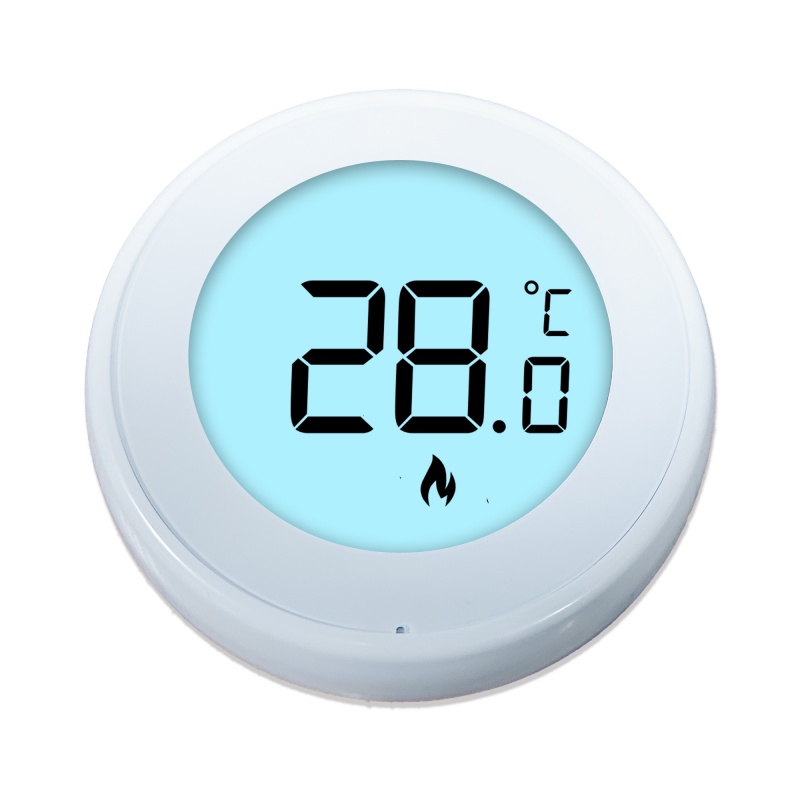
While the TUYA app provides the elegant interface, the physical thermostat remains the brain of the operation. Riseem has engineered a device that looks minimalist on your wall while delivering industrial-grade precision to your HVAC equipment.
Welcome to the Future of Home Automation The Ultimate Guide to TUYA WIFI Smart Thermostats