
do you turn the thermostat up or down for heat
author: Lily
2025-05-17
Do You Turn the Thermostat Up or Down for Heat?
As the winter chill sets in, a common question lingers in many households: “Do you turn the thermostat up or down for heat?” The answer seems straightforward at first glance, but there’s more to it than meets the eye. Let’s explore this topic through a series of questions and answers to ensure you stay warm efficiently without breaking the bank.

Q1: When I want more heat, should I turn the thermostat up or down?
A1: When you’re seeking to increase the warmth in your home, you should turn the thermostat up. Thermostats are designed with a simple logic: higher numbers indicate a warmer temperature setting. For example, if your current thermostat setting is 68°F (20°C) and you feel cold, raising it to 70°F (21°C) will signal your heating system to activate and work until the indoor temperature reaches the new set point. However, it’s important to note that setting the thermostat too high too quickly won’t heat your home faster; the heating system operates at a fixed capacity, and significant temperature increases might lead to higher energy bills.
Q2: Does constantly adjusting the thermostat save energy?
A2: Contrary to a common misconception, constantly adjusting the thermostat doesn’t necessarily save energy. Some people believe that turning the thermostat down when they leave the house and cranking it up upon return saves money. While reducing the temperature when unoccupied can save energy, rapidly increasing it back to a high level consumes more power than maintaining a moderately lower temperature continuously. A better strategy is to lower the thermostat by a few degrees (around 3-5°F or 1-3°C) when away and let the system gently warm the house back up. Modern smart thermostats are excellent at this, as they can be programmed to adjust the temperature based on your schedule, optimizing energy use.
Q3: What’s the ideal thermostat setting for heating?
A3: The ideal setting largely depends on personal comfort and energy-saving goals. The U.S. Department of Energy recommends setting the thermostat to 68°F (20°C) during the day when you’re at home and awake. At night or when you’re away, dropping it to 62-64°F (17-18°C) can lead to significant energy savings without sacrificing too much comfort. For those wearing warmer clothing or using extra blankets, even lower settings might be tolerable, further reducing heating costs.
Q4: Can the type of thermostat affect how I adjust it for heat?
A4: Absolutely. Traditional manual thermostats require you to physically turn a dial or press buttons to change the temperature. Digital programmable thermostats allow you to set different temperatures for various times of the day, eliminating the need for manual adjustments. Smart thermostats, on the other hand, learn your habits over time and automatically adjust the temperature. For instance, if you usually turn down the heat at 10 p.m., a smart thermostat will start doing this for you after a few days of observation. Each type has its own adjustment nuances, but the core principle—higher numbers mean more heat—remains the same.
In conclusion, understanding how to adjust your thermostat for heat is crucial for both comfort and cost savings. Remember to turn the thermostat up for more warmth, avoid excessive adjustments, find an ideal temperature setting, and take advantage of your thermostat’s features. By doing so, you can enjoy a cozy winter while keeping your energy consumption in check.


what can cause a thermostat to go bad
programmable thermostat line voltage
Related Article
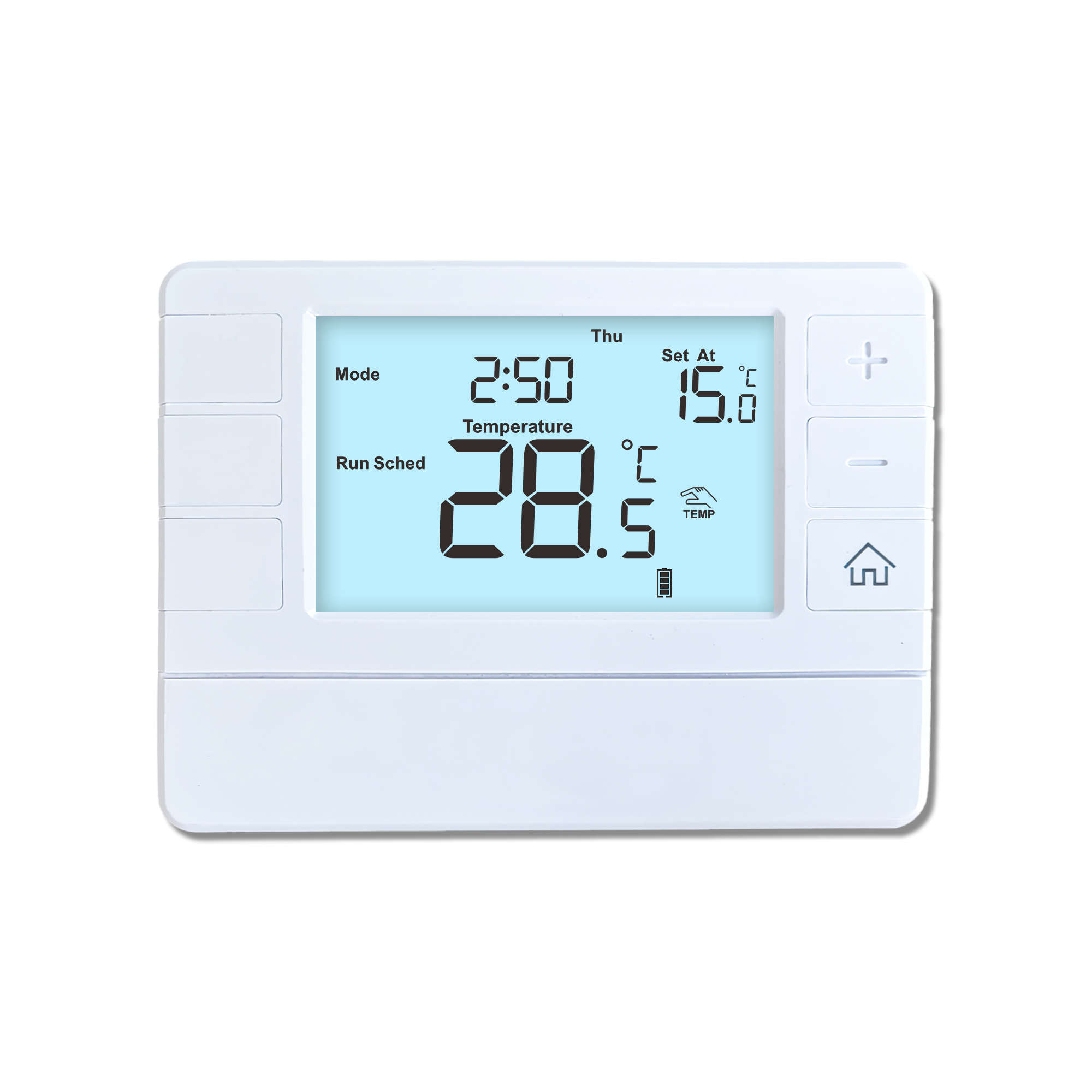
This shift has made traditional, manual thermostats obsolete, paving the way for advanced smart technologies.
Why You Need a Smart Thermostat
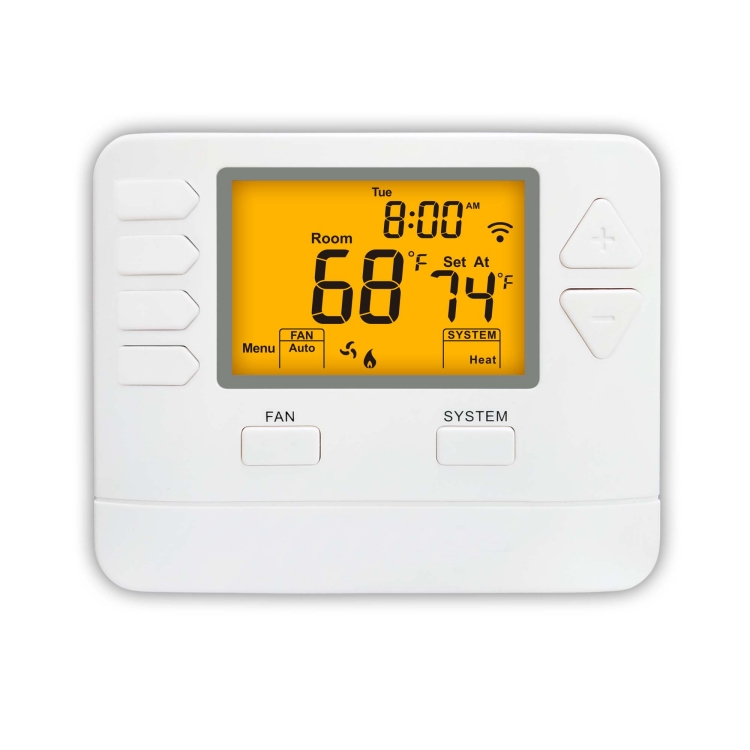
A true 7 Day programmable room thermostat offers the ultimate granular control. It allows users to program a distinct, customized heating and cooling schedule for every single day of the week.
How a 7 Day Programmable Room Thermostat Maximizes Home Comfort and Efficiency
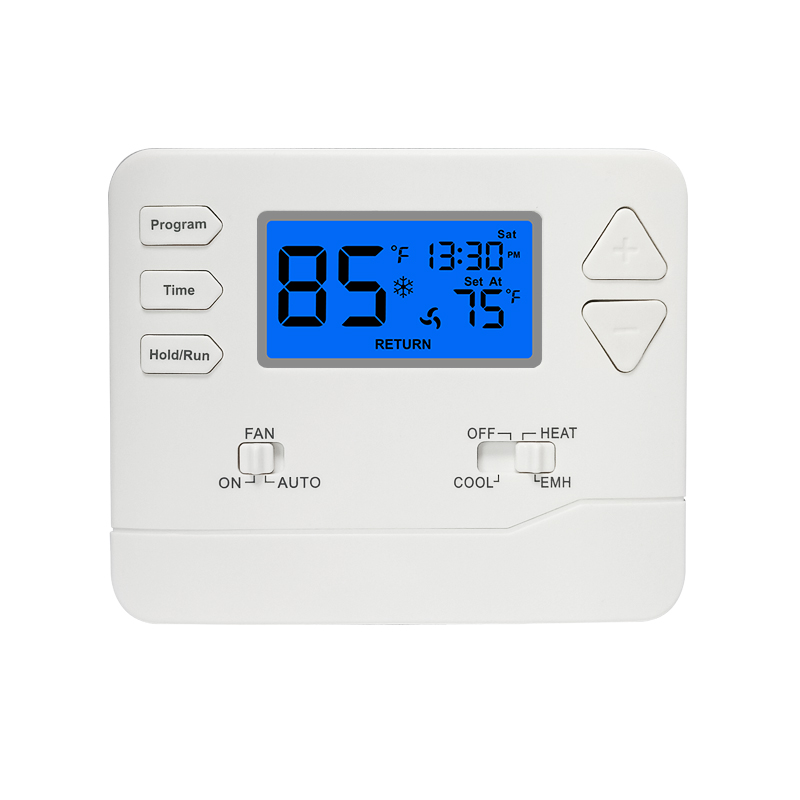
A premium Riseem thermostat is not just a digital display on your wall; it is the ultimate gatekeeper of your indoor environment.
Why a Quality Thermostat Is the Key to a More Comfortable Home
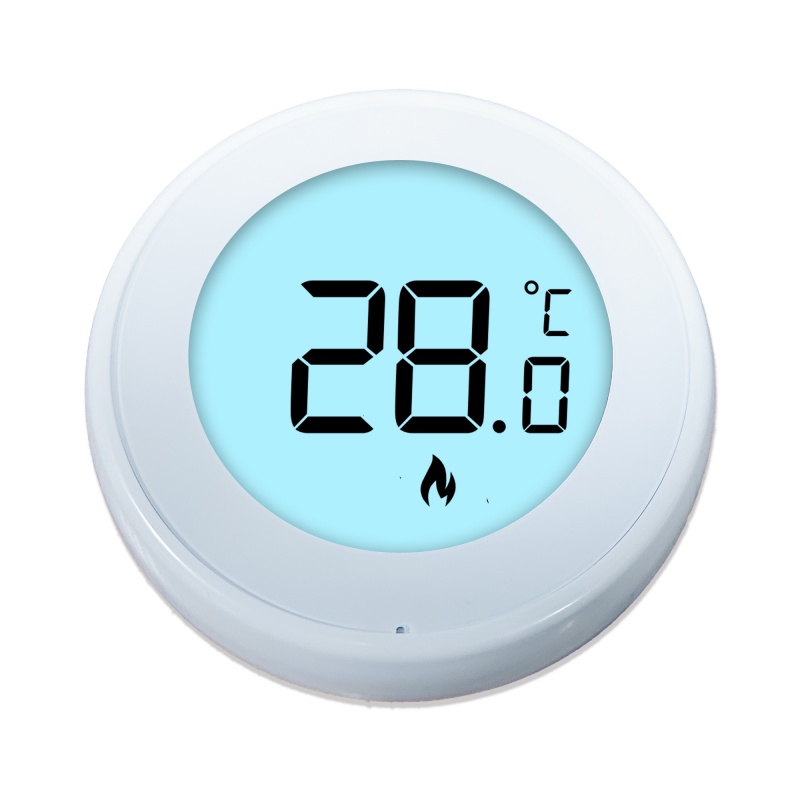
While the TUYA app provides the elegant interface, the physical thermostat remains the brain of the operation. Riseem has engineered a device that looks minimalist on your wall while delivering industrial-grade precision to your HVAC equipment.
Welcome to the Future of Home Automation The Ultimate Guide to TUYA WIFI Smart Thermostats