
What is a Thermostat
author: Li
2025-01-09
What is a Thermostat
In the world of temperature control, the thermostat plays a pivotal role. Whether it's maintaining a comfortable indoor climate in our homes or ensuring the stability of industrial processes, understanding what a thermostat is and how it functions is essential.

1. The Fundamental Definition of a Thermostat
1.1 A Device for Temperature Regulation
A thermostat is a device that senses the temperature of a system and adjusts it to a desired set - point. It acts as a control mechanism, constantly monitoring the temperature and taking corrective actions when necessary. This could involve turning on or off heating or cooling equipment, such as furnaces, air conditioners, or heaters.
1.2 The Link with Thermometer
While a thermometer is primarily used for measuring temperature, a thermostat uses the temperature - measuring principle as a basis. It contains a sensing element, similar to that in a thermometer, which can detect changes in temperature. However, unlike a thermometer that simply displays the temperature, a thermostat uses this information to control a heating or cooling device.

2. How a Thermostat Works
2.1 The Sensing Element
The heart of a thermostat is its sensing element. In mechanical thermostats, this is often a bimetallic strip. Composed of two different metals with different coefficients of thermal expansion, the strip bends when the temperature changes. In electronic thermostats, a thermistor or a thermocouple is used. These are semiconductor - based sensors that change their electrical resistance with temperature variations.
2.2 Control Mechanism
Once the sensing element detects a temperature deviation from the set - point, the thermostat's control mechanism kicks in. If the temperature is too low, it sends a signal to turn on the heating system. Conversely, if the temperature is too high, it signals the cooling system to start. This control process is designed to maintain the temperature within a narrow range around the set - point.

3. Different Types of Thermostats
3.1 Mechanical Thermostats
Mechanical thermostats are some of the oldest types. They rely on the physical properties of materials, like the bimetallic strip mentioned earlier. These thermostats are relatively simple in design, affordable, and do not require complex wiring. However, they may not be as precise as their modern counterparts.
3.2 Electronic Thermostats
Electronic thermostats use advanced electronic components for temperature sensing and control. They offer greater precision, often with the ability to set the temperature to within a fraction of a degree. Some electronic thermostats also come with additional features such as programmability, allowing users to set different temperature schedules for different times of the day or week.
3.3 Smart Thermostats
Smart thermostats are the latest innovation in temperature control. They are connected to the internet, enabling users to control them remotely via a smartphone app or a computer. Smart thermostats can learn a household's temperature preferences over time and adjust the settings accordingly. They can also integrate with other smart home devices, such as smart lighting and security systems.
4. Applications of Thermostats
4.1 Residential Applications
In homes, thermostats are used to control the temperature of living spaces. They ensure that rooms are neither too hot nor too cold, providing comfort throughout the year. Programmable thermostats can be set to lower the temperature at night or when the house is unoccupied, saving energy and reducing utility bills.
4.2 Commercial and Industrial Applications
In commercial buildings, thermostats are crucial for maintaining a comfortable environment for employees and customers. In industrial settings, thermostats are used to control the temperature in manufacturing processes. For example, in food processing plants, precise temperature control is essential to ensure food safety and quality.
5. Choosing the Right Thermostat
5.1 Consider Your Needs
When choosing a thermostat, consider your specific needs. If you're on a budget and require a basic temperature control solution, a mechanical thermostat might be sufficient. However, if you value precision and advanced features, an electronic or smart thermostat would be a better choice.
5.2 Compatibility
Ensure that the thermostat you choose is compatible with your heating and cooling systems. Different systems may require specific types of thermostats, so it's important to check the compatibility before making a purchase. Also, if you plan to integrate the thermostat with other smart home devices, make sure it has the necessary connectivity options.


how to reset honeywell thermostat
Related Article
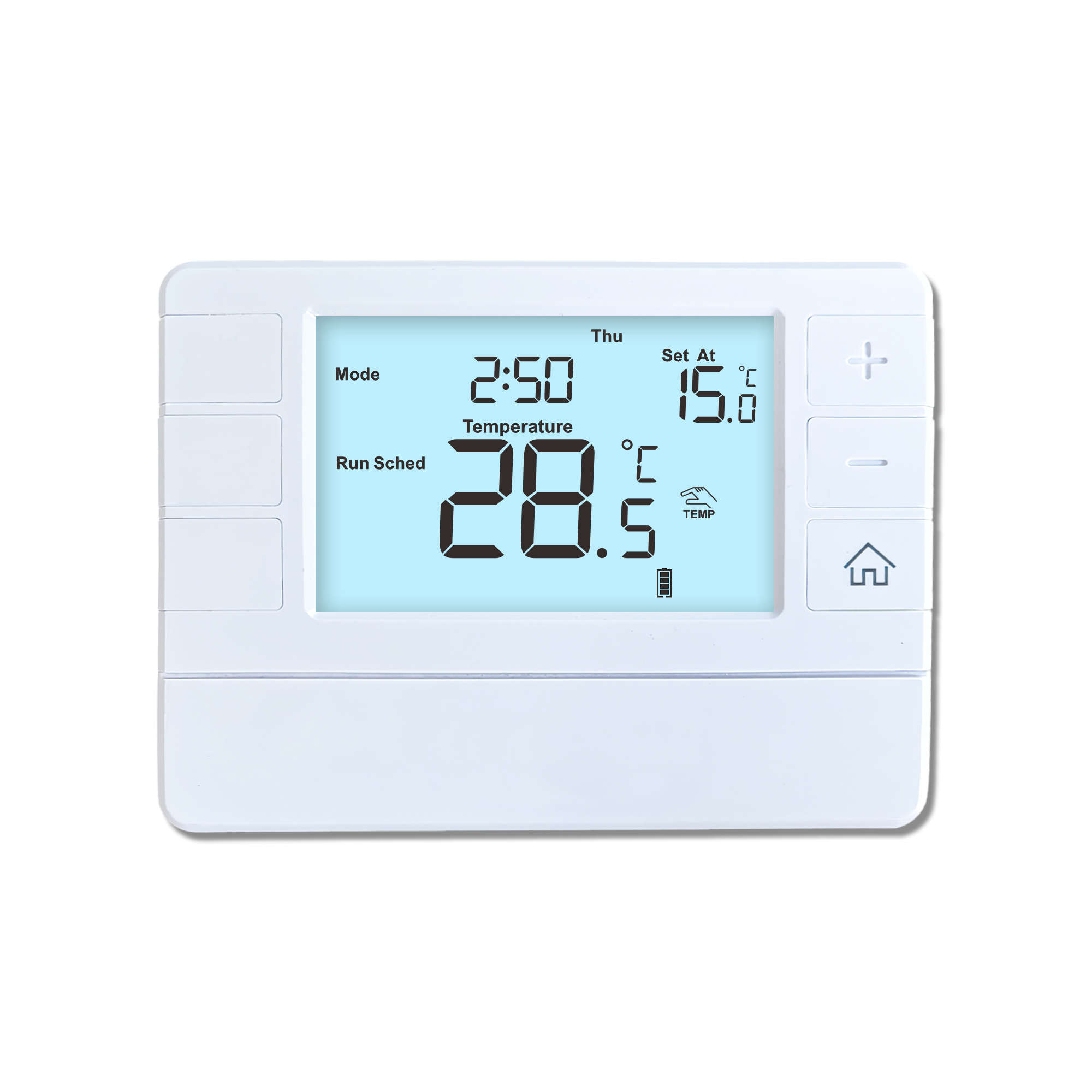
This shift has made traditional, manual thermostats obsolete, paving the way for advanced smart technologies.
Why You Need a Smart Thermostat
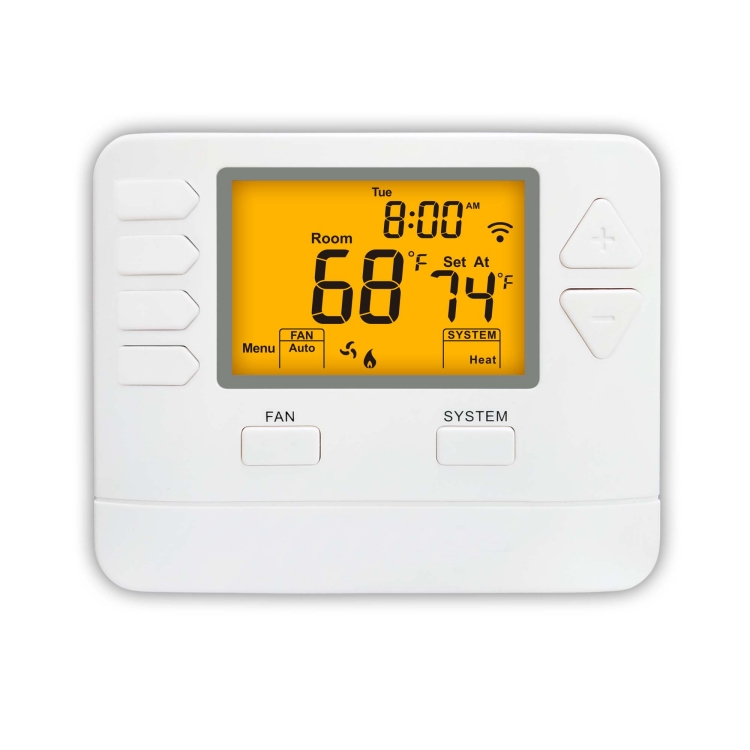
A true 7 Day programmable room thermostat offers the ultimate granular control. It allows users to program a distinct, customized heating and cooling schedule for every single day of the week.
How a 7 Day Programmable Room Thermostat Maximizes Home Comfort and Efficiency
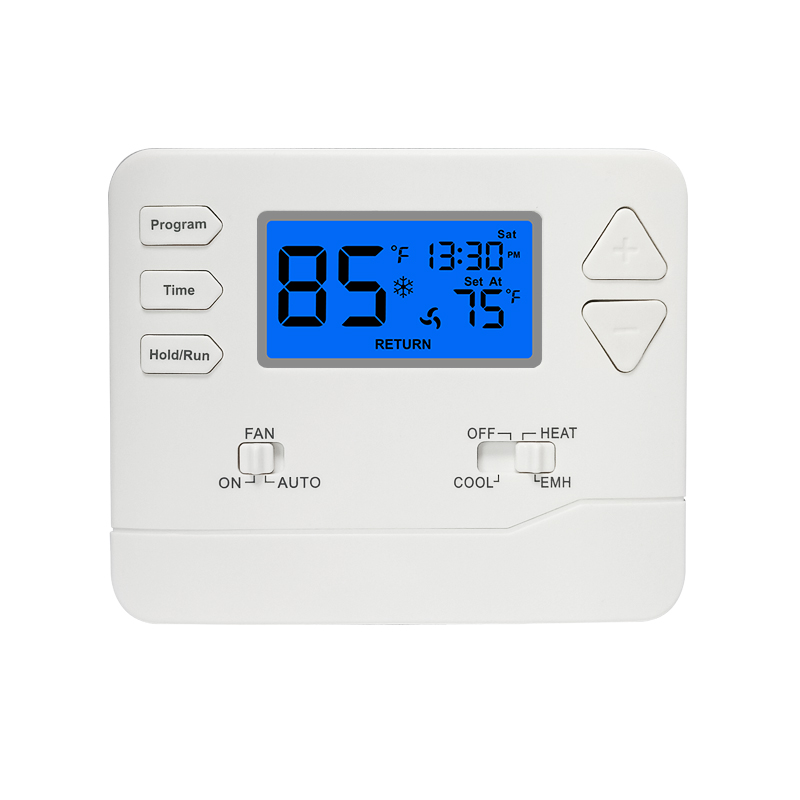
A premium Riseem thermostat is not just a digital display on your wall; it is the ultimate gatekeeper of your indoor environment.
Why a Quality Thermostat Is the Key to a More Comfortable Home
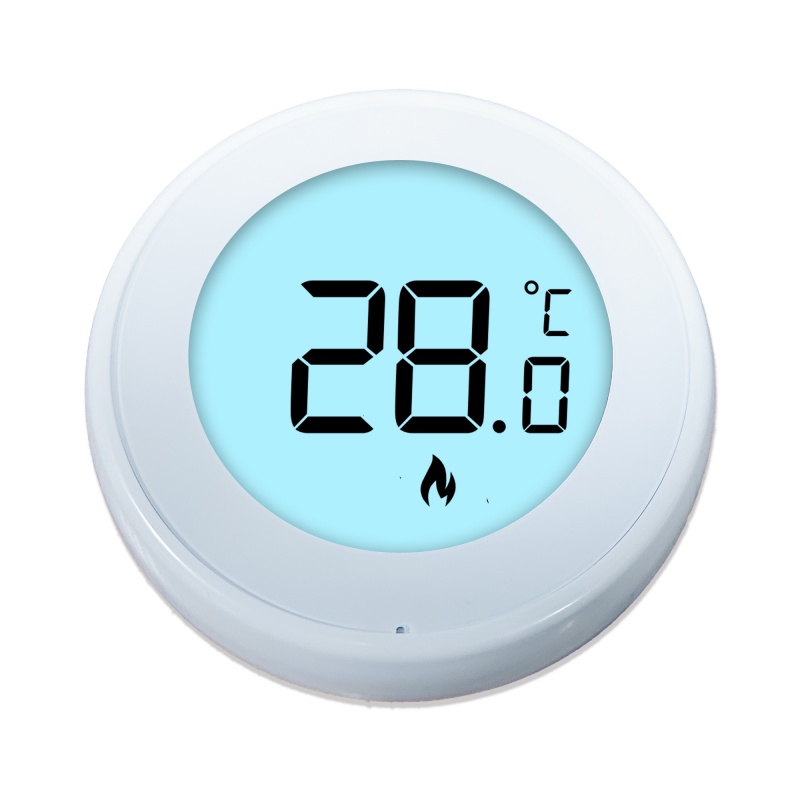
While the TUYA app provides the elegant interface, the physical thermostat remains the brain of the operation. Riseem has engineered a device that looks minimalist on your wall while delivering industrial-grade precision to your HVAC equipment.
Welcome to the Future of Home Automation The Ultimate Guide to TUYA WIFI Smart Thermostats