
Heat pump thermostat 24V
author: Bani
2025-08-28
Heat Pump Thermostat 24V: Low-Voltage Precision for Maximizing Heat Pump Efficiency & Comfort
Heat pumps are a game-changer for energy-efficient home heating and cooling, but their unique reverse-cycle operation demands a specialized control device. The Heat Pump Thermostat 24V fills this role perfectly—combining low-voltage safety with features tailored to heat pump systems, ensuring seamless mode switching, optimal energy use, and consistent comfort. In this blog, we’ll break down what makes 24V thermostats essential for heat pumps, their key functions, and why Ocean Controls Limited’s offerings—available at www.riseem.cn—are trusted by homeowners and HVAC professionals worldwide.
What Is a Heat Pump Thermostat 24V?
A Heat Pump Thermostat 24V is a dedicated low-voltage (24V) control unit engineered exclusively for heat pump systems—air-source, ground-source (geothermal), or ductless mini-split models. Unlike generic thermostats (which may only handle single-function heating or cooling), this thermostat is designed to manage the heat pump’s dual modes: extracting outdoor heat for warming (heating mode) and expelling indoor heat for cooling (cooling mode). It includes critical features like reversing valve control (via “O/B” terminals) and auxiliary heat coordination—elements missing from standard thermostats. The 24V power supply adds safety (minimal electrical risk) and compatibility with most modern heat pump wiring, making it the go-to choice for reliable heat pump operation.
How 24V Thermostats Work with Heat Pumps
Heat pumps rely on precise signal coordination to switch between modes and avoid inefficiency—and the Heat Pump Thermostat 24V is the “brain” that makes this happen. Here’s a step-by-step breakdown of its operation:
- Mode Selection: When you choose “Heat” or “Cool,” the thermostat sends a 24V signal to the heat pump’s reversing valve (via the “O” or “B” terminal). This valve flips the refrigerant flow: in heating mode, it pulls heat from outside air/ground; in cooling mode, it pushes heat outdoors.
- Temperature Monitoring: Built-in sensors track indoor temperature. If the room drops below the heating setpoint (or rises above the cooling setpoint), the thermostat triggers the heat pump’s compressor and fan to activate.
- Auxiliary Heat Management: In cold climates, heat pumps use auxiliary heat (electric strips or gas backup) when outdoor temps are too low for efficient heat extraction. The 24V thermostat activates this backup only when needed—preventing overuse that wastes energy.
Ocean Controls Limited optimizes their thermostats with delay timers to avoid “short-cycling” (frequent on/off switching), which shortens heat pump lifespan and reduces efficiency.
Key Benefits of a 24V Thermostat for Heat Pumps
1. Safe, Low-Voltage Operation
24V systems pose far less electrical risk than line-voltage (120V/240V) alternatives. This makes installation, maintenance, and even minor adjustments safer for homeowners and technicians—a critical advantage for DIY-friendly setups (though professional installation is still recommended for heat pumps).
2. Precise Temperature Control
Heat pumps require finer temperature adjustments to avoid inefficient cycling. The Heat Pump Thermostat 24V maintains temperatures within ±0.5°F of the setpoint, eliminating hot/cold swings. Ocean Controls’ models enhance this with adaptive learning: they track your home’s heat loss/gain patterns to adjust cycles proactively, keeping comfort consistent.
3. Heat Pump-Specific Feature Support
Generic thermostats often fail to handle heat pump nuances. The 24V thermostat includes:
- Dedicated “O/B” terminals for reversing valve control (critical for mode switching).
- Auxiliary heat terminals (“W2” or “E”) to manage backup heating.
- Defrost cycle coordination (prevents the thermostat from overriding the heat pump’s defrost mode in winter).
These features ensure the heat pump operates at peak efficiency, not just “good enough.”
4. Energy Savings
By optimizing cycle timing and limiting auxiliary heat use, 24V thermostats cut energy waste. Ocean Controls Limited reports that homeowners using their Heat Pump Thermostat 24V see 15–25% lower monthly heating/cooling bills compared to generic thermostats—thanks to smarter mode switching and reduced short-cycling.
Ocean Controls Limited’s 24V Heat Pump Thermostats
Ocean Controls Limited specializes in HVAC controls that align with heat pump technology, and their Heat Pump Thermostat 24V lineup is built for performance and reliability. Their models stand out for:
- Universal Compatibility: Works with 95% of heat pump brands (Daikin, Mitsubishi, Carrier, Trane) and all types (air-source, geothermal, ductless). No need to hunt for brand-specific thermostats—saving time and hassle.
- User-Friendly Design: Features large, backlit digital displays (easy to read in dark hallways) and intuitive buttons for mode selection, temperature adjustment, and auxiliary heat control. Basic models are non-programmable for simplicity, while premium options add 7-day programming.
- Smart Connectivity (Premium Models): Top-tier thermostats include Wi-Fi, letting you control the thermostat via the Ocean Controls app (iOS/Android). You can adjust settings remotely, monitor energy usage, and receive alerts (e.g., “filter replacement due”)—perfect for busy households.
- Durability: Constructed with dust-resistant casings and corrosion-resistant terminals, these thermostats withstand humid basements, dusty attics, and other harsh HVAC environments.
To explore their full range—from entry-level models (Model HP-24N) to smart thermostats (Model HP-24S)—visit www.riseem.cn’s “Heat Pump Controls” page. Ocean Controls also offers free wiring diagrams and compatibility checks on the site to ensure a perfect fit for your system.
How to Choose the Right Heat Pump Thermostat 24V
Selecting the wrong thermostat can damage your heat pump or waste energy. Follow these steps to find the best match:
Step 1: Confirm Heat Pump Specs
First, gather key details about your heat pump:
- Type (air-source/geothermal/ductless).
- Number of stages (single-stage vs. multi-stage compressor).
- Whether it uses auxiliary heat (electric/gas).
- Wiring terminals (check if it has “O/B” and “W2/E” terminals).
Use Ocean Controls’ compatibility tool on www.riseem.cn—input your heat pump’s make/model to get a list of matching thermostats.
Step 2: Choose Between Programmable and Non-Programmable
- Non-Programmable: Ideal for homeowners with consistent routines (e.g., stay-at-home parents) or those who prefer manual control. More affordable and easy to use—great for basic heat pump setups.
- Programmable: Lets you set custom schedules (e.g., lower heating temp to 65°F during work hours, raise to 72°F before you return). Saves energy by avoiding unnecessary heating/cooling. Ocean Controls’ programmable models offer 4 daily periods (wake, away, home, sleep) for flexibility.
Step 3: Prioritize Cold-Climate Features (If Applicable)
If you live in a region with freezing winters, look for a thermostat with:
- Auxiliary heat lockout (prevents auxiliary heat from activating above 40°F, saving energy).
- Emergency heat mode (manual override for heat pump failures).
- Defrost cycle support (ensures the thermostat doesn’t interfere with the heat pump’s defrosting in icy conditions).
These features are standard on Ocean Controls’ cold-climate models (e.g., HP-24C).
Step 4: Decide on Smart Features
If remote control or energy tracking matters to you, opt for a smart Heat Pump Thermostat 24V. Ocean Controls’ HP-24S model works with Alexa and Google Assistant for voice commands, and its app provides monthly energy reports to help you identify savings opportunities.
Installation Guidelines for Heat Pump Thermostat 24V
Heat pump wiring is more complex than standard HVAC systems—follow these guidelines to avoid issues:
1. Hire a Heat Pump-Certified Technician
While 24V systems are safe, incorrect wiring (e.g., mixing up “O” and “B” terminals) can damage the heat pump’s reversing valve. A certified technician will:
- Turn off power to the heat pump and old thermostat.
- Label wires (e.g., “R” for power, “Y” for cooling, “G” for fan) to avoid misconnection.
- Follow Ocean Controls’ wiring diagram (downloadable at www.riseem.cn) to match wires to the new thermostat.
2. Mount the Thermostat in an Optimal Location
Install the thermostat on an interior wall, away from:
- Direct sunlight, heat vents, or radiators (skews temperature readings).
- Drafts from windows, doors, or fans (causes false triggers).
- Appliances that generate heat (e.g., coffee makers, lamps).
This ensures accurate temperature monitoring and efficient heat pump operation.
3. Test the System After Installation
Once installed, test key functions to confirm success:
- Switch between heating and cooling modes—listen for the reversing valve to click (indicates mode change).
- Set the thermostat 5°F above room temperature (heating mode) to check if the compressor and fan activate.
- Verify auxiliary heat turns on only if the heat pump can’t reach the setpoint (e.g., on a cold day).
If issues arise, consult Ocean Controls’ troubleshooting guide or contact their support team.
Maintenance Tips for Long-Lasting Performance
To keep your Heat Pump Thermostat 24V working optimally:
- Clean the Sensor Monthly: Wipe the temperature sensor with a soft, dry cloth to remove dust—dust can cause inaccurate readings, leading to unnecessary cycling.
- Check Wiring Annually: Turn off power and inspect wire connections for tightness and corrosion. Loose wires can cause intermittent performance or damage the thermostat.
- Update Firmware (Smart Models): Use the Ocean Controls app to install firmware updates—these add new features (e.g., improved auxiliary heat logic) and fix bugs.
- Replace Batteries (If Applicable): Non-hardwired models use batteries—replace them every 6–12 months (or when the low-battery alert appears) to avoid sudden shutdowns.
Conclusion: 24V Thermostats Are Non-Negotiable for Heat Pumps
A Heat Pump Thermostat 24V is the only way to unlock your heat pump’s full potential—combining safety, precision, and heat pump-specific features that generic thermostats lack. Whether you’re upgrading an old control or installing a new heat pump, this thermostat ensures efficient operation, lower energy bills, and consistent comfort. Ocean Controls Limited’s models—available at www.riseem.cn—are built to meet the unique demands of heat pumps, with compatibility, durability, and user-friendly design that set them apart. Invest in a 24V heat pump thermostat today, and experience the difference specialized control makes.


Digital thermostat with remote sensors
boiler room thermostat china
Related Article
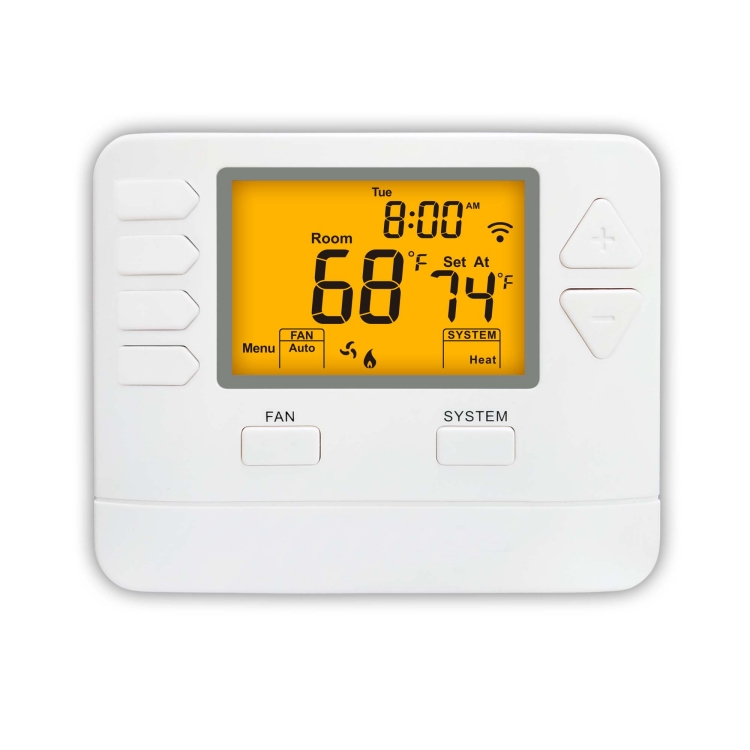
This shift has made traditional, manual thermostats obsolete, paving the way for advanced smart technologies.
Why You Need a Smart Thermostat
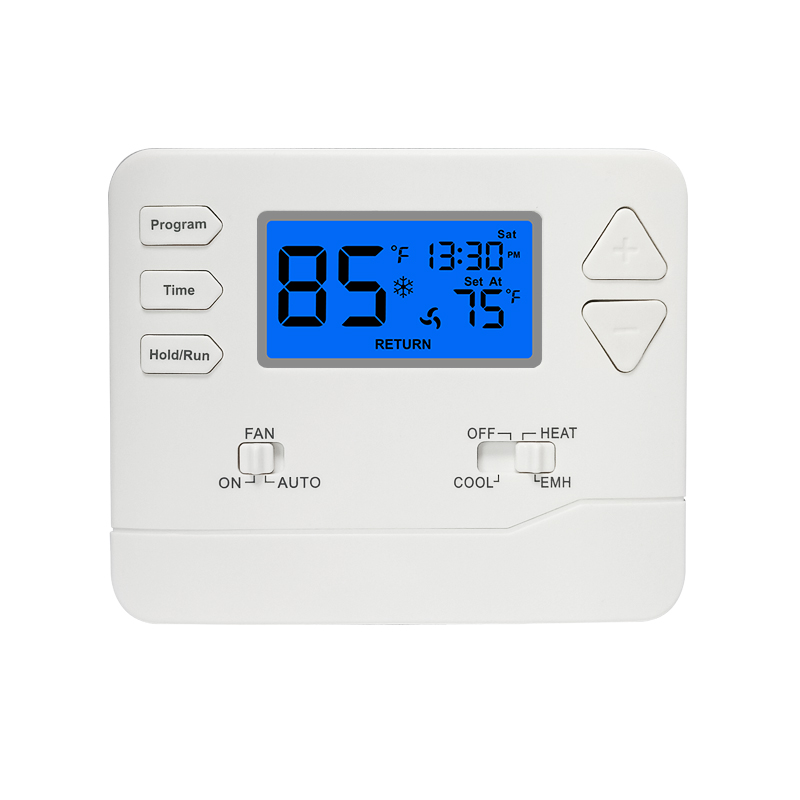
A true 7 Day programmable room thermostat offers the ultimate granular control. It allows users to program a distinct, customized heating and cooling schedule for every single day of the week.
How a 7 Day Programmable Room Thermostat Maximizes Home Comfort and Efficiency
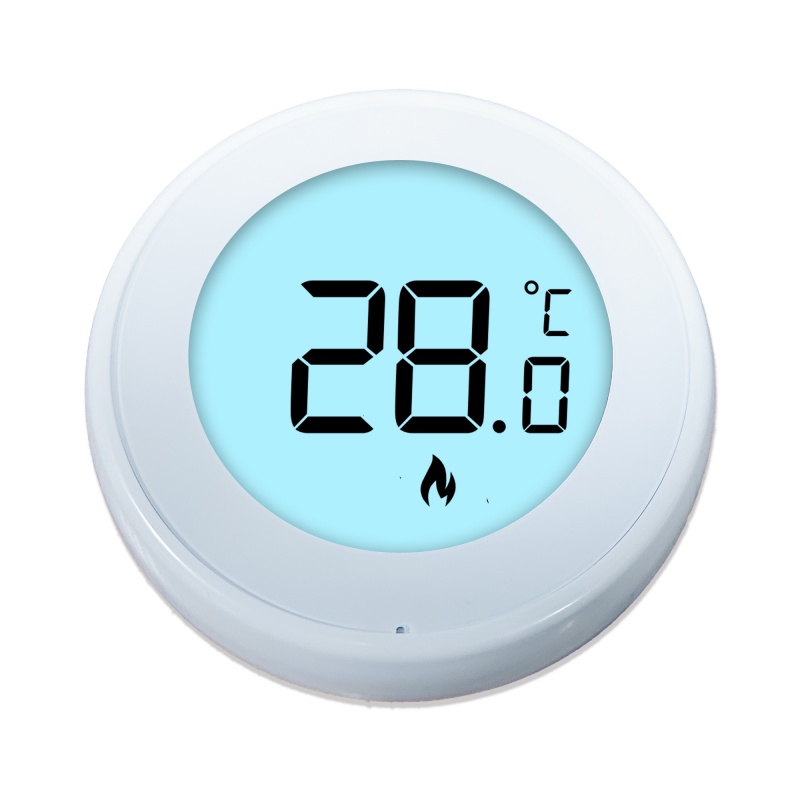
A premium Riseem thermostat is not just a digital display on your wall; it is the ultimate gatekeeper of your indoor environment.
Why a Quality Thermostat Is the Key to a More Comfortable Home
While the TUYA app provides the elegant interface, the physical thermostat remains the brain of the operation. Riseem has engineered a device that looks minimalist on your wall while delivering industrial-grade precision to your HVAC equipment.
Welcome to the Future of Home Automation The Ultimate Guide to TUYA WIFI Smart Thermostats