
heat pump thermostat wiring
author: Somi
2025-04-25
Heat Pump Thermostat Wiring: A Detailed Troubleshooting and Installation Guide
A heat pump thermostat is a sophisticated device designed to manage both heating and cooling cycles in heat pump systems, ensuring optimal energy efficiency and indoor comfort. It coordinates with the system’s reversing valve to switch between modes, integrates with auxiliary heating elements when needed, and often features programmable schedules or smart connectivity for precise temperature control. This ensures seamless transitions between seasons while minimizing energy waste, making it an essential component for maintaining a comfortable and cost-effective home environment.
1. What Makes Heat Pump Thermostat Wiring Different?
Heat pumps are versatile HVAC systems that both heat and cool, requiring thermostats to manage complex operations like reversing valves and auxiliary heating. Unlike traditional AC or furnace setups, heat pump thermostats must handle additional wires and modes. Ocean Controls Limited designs its thermostats to accommodate heat pump complexities, but understanding the wiring differences is key.
Q: How Does a Heat Pump Thermostat Differ from a Standard Thermostat?
A: Heat pump thermostats require extra terminals for:
A: Heat pump thermostats require extra terminals for:
- O/B Wire: Controls the reversing valve (O for cooling, B for heating).
- W1/W2 Wires: Manage auxiliary or emergency heat (e.g., electric resistance heat when outdoor temps are low).
- Y1/Y2 Wires: Support multi-stage cooling or heating.
Standard thermostats lack these terminals, making heat pump wiring more intricate.
Q: Can I Use a Standard Thermostat with a Heat Pump?
A: No. Standard thermostats don’t support the reversing valve or auxiliary heat signals. Always use a thermostat labeled “compatible with heat pumps,” like Ocean Controls Limited’s HeatPro Series.
A: No. Standard thermostats don’t support the reversing valve or auxiliary heat signals. Always use a thermostat labeled “compatible with heat pumps,” like Ocean Controls Limited’s HeatPro Series.

2. Common Heat Pump Thermostat Wire Colors and Functions
Heat pump wiring relies on specific color codes to manage dual heating/cooling functions. Here’s a breakdown:
2.1 Essential Wires
- Red (R/Rc/Rh): Power supply (Rc for cooling, Rh for heating in dual-fuel systems).
- White (W1/W2): Heating signals (W1 = heat pump, W2 = auxiliary/emergency heat).
- Yellow (Y1/Y2): Cooling signals (Y1 = primary cooling, Y2 = secondary stage).
- Green (G): Fan control.
- Blue (C): Common wire (provides steady power for smart thermostats).
- Orange (O/B): Reversing valve (switches heat pump between heating and cooling modes).
2.2 Ocean Controls Limited Terminals
Ocean Controls Limited thermostats (e.g., HeatPro Smart Thermostat) feature labeled terminals:
- O/B: Connect the orange wire here; use the thermostat’s settings to specify if it controls “O” (cooling) or “B” (heating).
- W2/AUX: Connect auxiliary heat wires here.
- Y2: For two-stage cooling or heating systems.
Q: How Do I Know If My Heat Pump Uses an “O” or “B” Setting for the Reversing Valve?
A: Check the heat pump’s manual or consult an HVAC technician. In most cases:
A: Check the heat pump’s manual or consult an HVAC technician. In most cases:
- O Setting: Common in systems where the reversing valve activates for cooling.
- B Setting: Used when the valve activates for heating (less common but critical for proper operation).

3. Step-by-Step Heat Pump Thermostat Wiring Guide
3.1 Pre-Installation Preparation
Tools Needed:
- Voltage tester, wire strippers, screwdriver set, label maker.
- New thermostat (e.g., Ocean Controls Limited HeatPro Series).
- Safety gear: Gloves and eye protection.
Safety First:
- Turn off power to the heat pump at the circuit breaker.
- Confirm no voltage at the thermostat using a voltage tester.
3.2 Remove the Old Thermostat
- Take Photos: Capture wiring configurations (especially the O/B wire’s connection).
- Label Wires: Tag each wire with its terminal name (e.g., “R,” “O/B,” “W1”).
- Disconnect Wires: Gently remove wires from the old thermostat; avoid pulling on the cables.
3.3 Install the New Heat Pump Thermostat
- Mount the Base Plate: Use the provided screws to attach the base plate to the wall, ensuring it’s level.
- Connect Wires to Terminals:
- R/Rc/Rh: Attach the red wire for power.
- O/B: Connect the orange wire; set the thermostat mode to “O” or “B” in the settings (refer to the manual).
- W1: Connect the white wire for heat pump heating.
- W2/AUX: Attach a second white wire if using auxiliary heat.
- Y1: Connect the yellow wire for cooling.
- G: Attach the green wire for the fan.
- C: Connect the blue wire if required for a smart thermostat.
- Secure the Cover: Snap the thermostat onto the base plate and ensure all wires are neatly arranged.
Q: My Heat Pump Doesn’t Have a C-Wire. Can I Still Use a Smart Thermostat?
A: Yes. Use a C-wire adapter (e.g., Ocean Controls Limited’s Power Extender) or repurpose an unused wire as a C-wire with the help of an HVAC professional.
A: Yes. Use a C-wire adapter (e.g., Ocean Controls Limited’s Power Extender) or repurpose an unused wire as a C-wire with the help of an HVAC professional.

4. Troubleshooting Common Heat Pump Thermostat Wiring Issues
4.1 No Power to the Thermostat
- Possible Causes:
- Tripped circuit breaker or blown fuse.
- Loose R wire connection.
- Missing or faulty C-wire (for smart thermostats).
- Fixes:
- Reset the circuit breaker and test the R terminal for voltage (24V AC).
- Tighten the R wire and ensure the C-wire (if used) is securely connected.
4.2 Heat Pump Not Switching Between Heating and Cooling
- Possible Causes:
- Incorrect O/B wire setting (“O” vs. “B”).
- Faulty reversing valve or wiring.
- Fixes:
- Access the thermostat’s settings and switch the O/B mode (e.g., from “O” to “B”).
- Test the O/B wire with a multimeter to ensure it sends power when switching modes.
4.3 Auxiliary Heat Running Constantly
- Possible Causes:
- Miswired W2/AUX terminal or incorrect thermostat settings.
- Faulty temperature sensor in the thermostat.
- Fixes:
- Verify the W2 wire is connected to the correct terminal and that the thermostat is set to use auxiliary heat only when needed (e.g., below 35°F).
- Recalibrate the thermostat’s temperature sensor using a calibrated thermometer.
4.4 Blowing Cold Air in Heating Mode
- Possible Causes:
- Reversing valve stuck in cooling mode (O wire activated instead of B).
- Incorrect thermostat wiring or settings.
- Fixes:
- Check the O/B wire setting; ensure it’s configured for heating (B) when in heat mode.
- Inspect the reversing valve for physical damage or leaks; replace if necessary (professional repair recommended).

5. Advanced Wiring Scenarios for Heat Pumps
5.1 Dual-Fuel Systems (Heat Pump + Furnace)
- Wiring Differences:
- Use Rh (red) for furnace power and Rc (red) for heat pump power (if separate transformers are used).
- Connect W1 to the heat pump’s heating circuit and W2 to the furnace’s auxiliary heat.
- Ocean Controls Limited Tip: Their dual-fuel thermostats allow separate settings for heat pump and furnace operation, ensuring seamless transitions.
5.2 Multi-Stage Heat Pumps
- Wiring for Two-Stage Systems:
- Connect Y1 to the first-stage cooling compressor and Y2 to the second-stage compressor.
- Use W1 and W2 for two-stage heating (e.g., heat pump + auxiliary heat).
- Benefits: Multi-stage thermostats like Ocean Controls Limited’s Pro Series optimize energy use by activating only the necessary stage for current conditions.
5.3 Zoning Systems with Heat Pumps
- Wiring Considerations:
- Each zone requires a dedicated thermostat and zone valve wiring.
- Connect zone valves to the thermostat’s G and W terminals, following the zoning kit’s instructions.
- Q: Can I Use a Single Thermostat for Multiple Zones?
A: No. Each zone needs its own thermostat to control airflow and temperature independently.

6. When to Consult a Professional for Heat Pump Thermostat Wiring
While DIY wiring is possible for simple setups, certain scenarios demand expert attention:
6.1 Complex Systems
- Dual-fuel, multi-zone, or commercial heat pump systems.
- Upgrading from a standard thermostat to a smart thermostat in older homes with outdated wiring.
6.2 Safety Concerns
- Damaged wiring, exposed conductors, or suspected electrical faults.
- Unfamiliarity with heat pump components like reversing valves or auxiliary heat strips.
6.3 Warranty Requirements
- Ocean Controls Limited’s premium thermostats (e.g., HeatPro Smart Thermostat) require professional installation to maintain warranty coverage for complex systems.
Q: How Much Does Professional Heat Pump Thermostat Wiring Cost?
A: Costs range from $150–$400, depending on system complexity and whether additional components (e.g., C-wire adapters, zone valves) are needed.
A: Costs range from $150–$400, depending on system complexity and whether additional components (e.g., C-wire adapters, zone valves) are needed.
Conclusion: Mastering Heat Pump Thermostat Wiring
Proper wiring is essential for a heat pump’s efficiency and longevity, and Ocean Controls Limited’s thermostats are designed to simplify the process with clear labeling and advanced features. By understanding wire functions, following safety protocols, and leveraging professional help when needed, you can ensure your heat pump and thermostat work in perfect harmony.
Regular maintenance—such as checking wire connections annually and updating thermostat firmware—will prevent issues like loose terminals or compatibility glitches. With the right approach, your heat pump system will deliver optimal comfort while minimizing energy costs. Stay informed, stay safe, and enjoy the seamless performance of your Ocean Controls Limited thermostat!


what should your thermostat be set at in summer
how to take a thermostat off the wall
Related Article
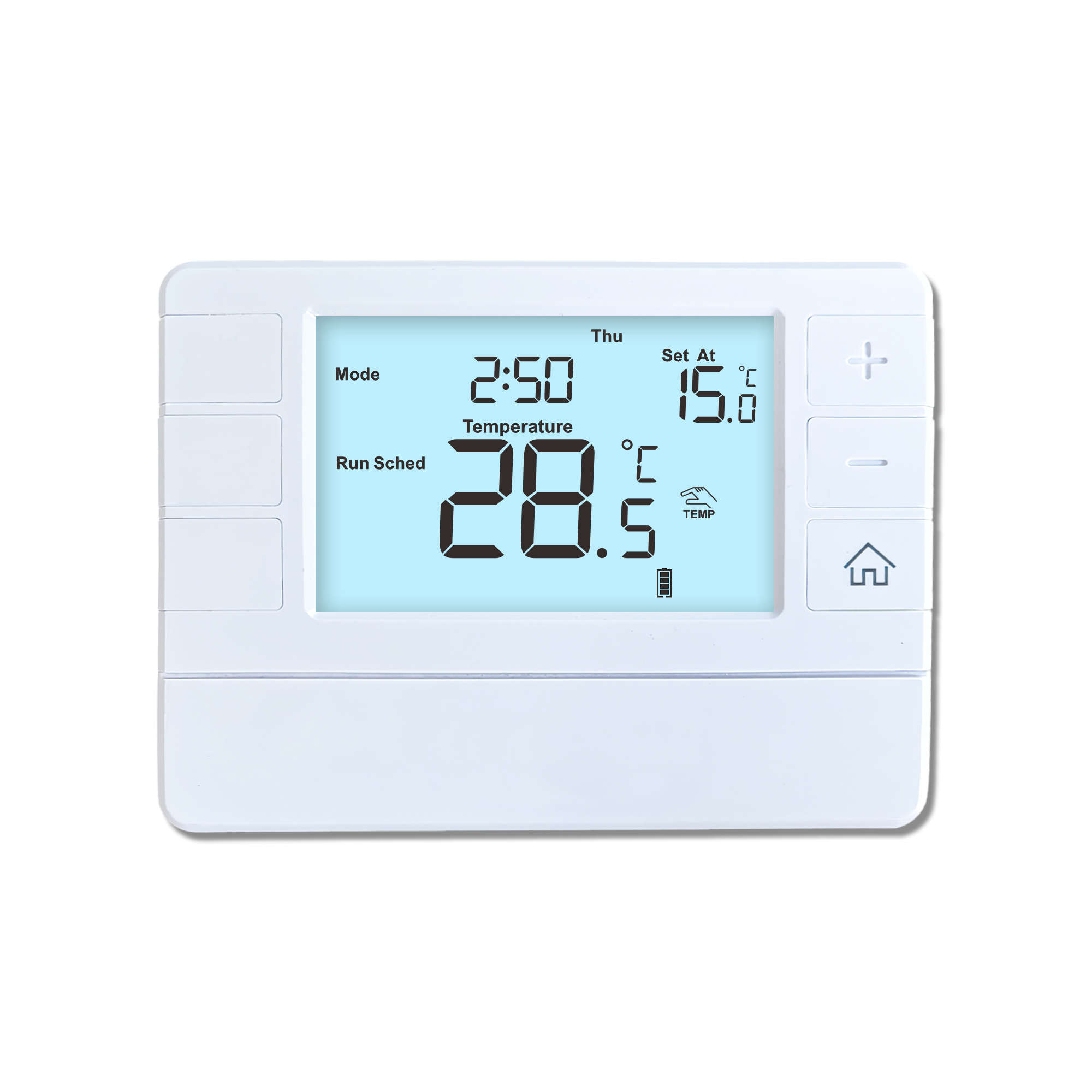
This shift has made traditional, manual thermostats obsolete, paving the way for advanced smart technologies.
Why You Need a Smart Thermostat
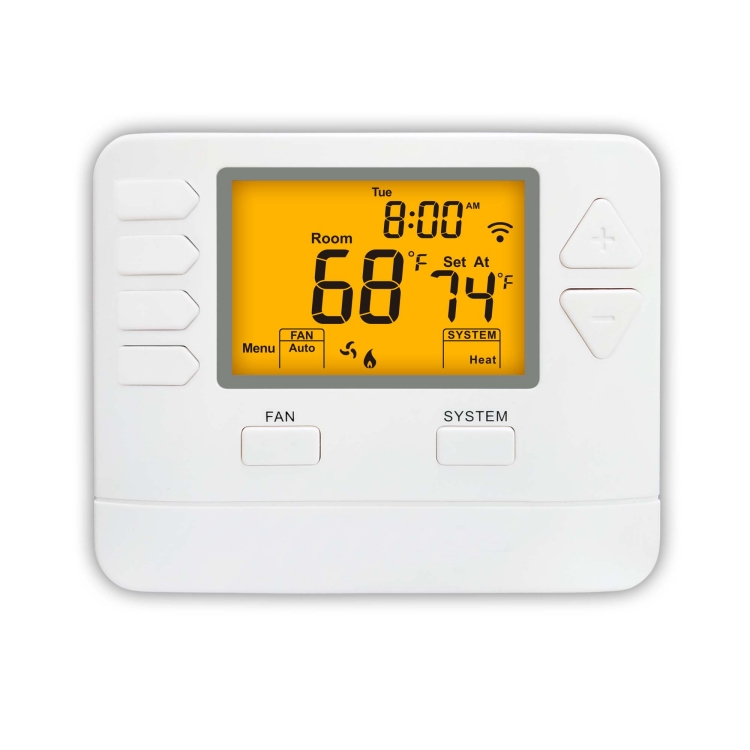
A true 7 Day programmable room thermostat offers the ultimate granular control. It allows users to program a distinct, customized heating and cooling schedule for every single day of the week.
How a 7 Day Programmable Room Thermostat Maximizes Home Comfort and Efficiency
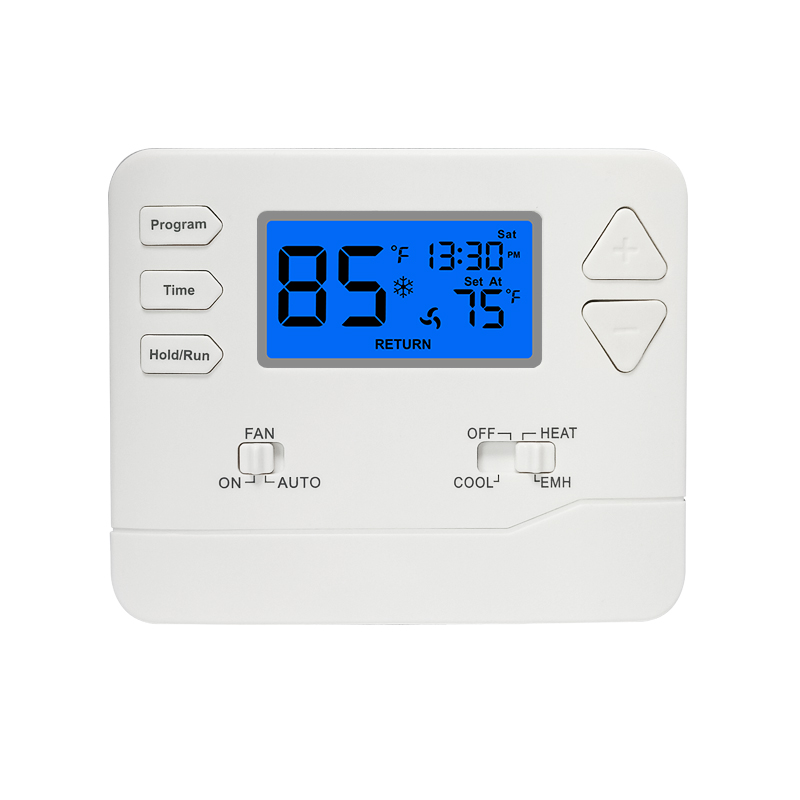
A premium Riseem thermostat is not just a digital display on your wall; it is the ultimate gatekeeper of your indoor environment.
Why a Quality Thermostat Is the Key to a More Comfortable Home
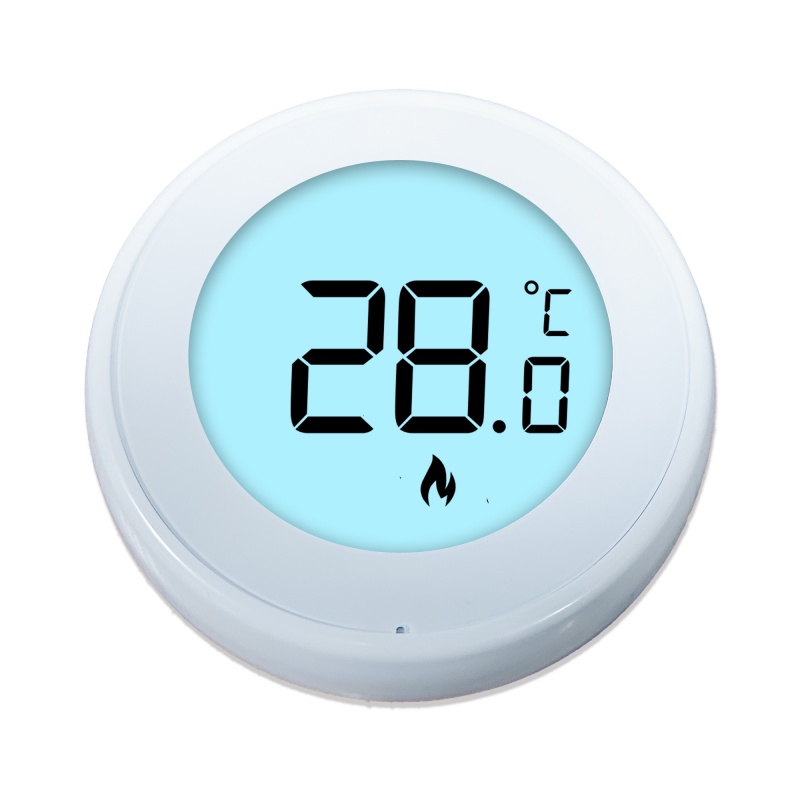
While the TUYA app provides the elegant interface, the physical thermostat remains the brain of the operation. Riseem has engineered a device that looks minimalist on your wall while delivering industrial-grade precision to your HVAC equipment.
Welcome to the Future of Home Automation The Ultimate Guide to TUYA WIFI Smart Thermostats