
Home Thermostat Essentials
author: Lily
2025-03-11
Home Thermostat Essentials
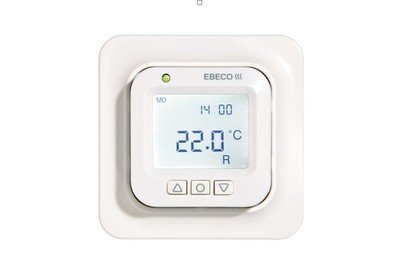
In the comfort of our homes, a seemingly unassuming device plays a pivotal role in regulating the indoor climate - the home thermostat. This essential component of our heating, ventilation, and air - conditioning (HVAC) systems ensures that we enjoy a pleasant living environment, regardless of the weather outside. Understanding the basics of home thermostats can empower homeowners to make informed decisions about their HVAC systems, leading to increased comfort, energy savings, and cost - effectiveness.
Key Components of a Home Thermostat
- Temperature Sensor
-
- At the core of every home thermostat is a temperature sensor. In modern digital thermostats, this is often a thermistor, a type of resistor whose resistance changes with temperature. As the ambient temperature in the room fluctuates, the thermistor's resistance also changes. This change in resistance is then translated into an electrical signal that the thermostat's control unit can interpret. For example, a negative temperature coefficient (NTC) thermistor, commonly used in thermostats, has a lower resistance as the temperature rises. This allows the thermostat to accurately detect even small temperature variations in the home.
- Control Unit
-
- The control unit is the "brain" of the thermostat. It receives the temperature readings from the sensor and compares them to the set - point temperature, which is the desired temperature set by the homeowner. Based on this comparison, the control unit decides whether to activate the heating or cooling system. It also manages additional features such as programmable schedules, fan control, and energy - saving modes. For instance, if the current temperature is 2 degrees Celsius lower than the set - point in a heating - only system, the control unit will send a signal to turn on the furnace or heater.
- Display and User Interface
-
- Most home thermostats come with a display that shows the current temperature, set - point temperature, and other relevant information such as the mode (heating, cooling, or auto) and the time. The user interface can vary from simple push - button controls to touch - screen displays on more advanced models. Programmable thermostats allow users to set different temperature levels for different times of the day. For example, you can set a lower temperature for when you're asleep at night and a higher one for when you're awake and active during the day.
How Home Thermostats Work
- Heating Mode
-
- When the thermostat is set to heating mode, the control unit constantly monitors the temperature sensor. If the detected temperature falls below the set - point, the control unit sends an electrical signal to the heating system. This could be a furnace, boiler, or electric heater. The signal activates the heating device, which then starts to warm the air or water (in the case of hydronic heating systems). As the temperature in the room rises and reaches the set - point, the control unit sends another signal to turn off the heating system, preventing overheating.
- Cooling Mode
-
- In cooling mode, the process is reversed. If the temperature sensor detects that the room temperature is higher than the set - point, the control unit sends a signal to the air - conditioning system. This typically involves activating the compressor in an air - conditioner unit. The compressor pumps refrigerant through the system, which cools the air. Once the temperature in the room drops to the set - point, the control unit shuts off the air - conditioning system to maintain the desired temperature.
- Auto Mode
-
- The auto mode on a thermostat is a convenient feature that combines both heating and cooling functions. The thermostat automatically switches between heating and cooling based on the temperature readings. For example, if the temperature is below the set - point, it will switch to heating mode, and if it's above, it will switch to cooling mode. This mode is especially useful in climates with variable temperatures throughout the day.
Types of Home Thermostats
- Manual Thermostats
-
- Manual thermostats are the simplest type. They have basic controls that allow users to manually adjust the set - point temperature. These thermostats are relatively inexpensive and easy to install. However, they lack the ability to be programmed, so the temperature remains constant until manually adjusted. For example, a manual thermostat in a small apartment may have a simple dial that you turn to set the desired temperature.
- Programmable Thermostats
-
- Programmable thermostats offer more flexibility. Users can set different temperature schedules for different days of the week. For instance, you can program the thermostat to lower the temperature by a few degrees during the day when you're at work and raise it again in the evening when you get home. This can lead to significant energy savings as the HVAC system doesn't need to maintain a high temperature when no one is home. There are also 7 - day programmable thermostats that allow for a different schedule each day and 5 - 2 day programmable thermostats, which have one schedule for weekdays and another for weekends.
- Smart Thermostats
-
- Smart thermostats are the most advanced type. They can connect to the home's Wi - Fi network, allowing users to control the thermostat remotely using a smartphone app. Some smart thermostats also use learning algorithms to adapt to the homeowner's habits. For example, after a few days of use, a smart thermostat may learn that you usually lower the temperature at 10 pm every night and automatically adjust the temperature accordingly. They can also be integrated with other smart home devices, such as voice - controlled assistants like Amazon Alexa or Google Assistant, enabling hands - free control.
Installation and Maintenance
- Installation
-
- Installing a home thermostat can range from relatively simple for a manual thermostat to more complex for a smart thermostat. Manual thermostats usually require basic electrical knowledge as they need to be wired to the HVAC system. Programmable and smart thermostats may require additional steps such as connecting to the Wi - Fi network. It's important to follow the manufacturer's instructions carefully. In some cases, it may be advisable to hire a professional HVAC technician, especially if you're unsure about the electrical connections.
- Maintenance
-
- Regular maintenance of the thermostat helps ensure its proper functioning. This includes keeping the thermostat clean, both the exterior and the internal components. Dust can accumulate on the temperature sensor, affecting its accuracy. For battery - powered thermostats, it's important to replace the batteries regularly. Smart thermostats may require software updates to ensure they function optimally and have access to the latest features. Additionally, it's a good idea to periodically check the thermostat's calibration by comparing the displayed temperature with a reliable thermometer.
In conclusion, home thermostats are an essential part of our homes, contributing to our comfort and energy efficiency. By understanding their components, how they work, the different types available, and proper installation and maintenance, homeowners can make the most of these devices and enjoy a pleasant living environment all year round.

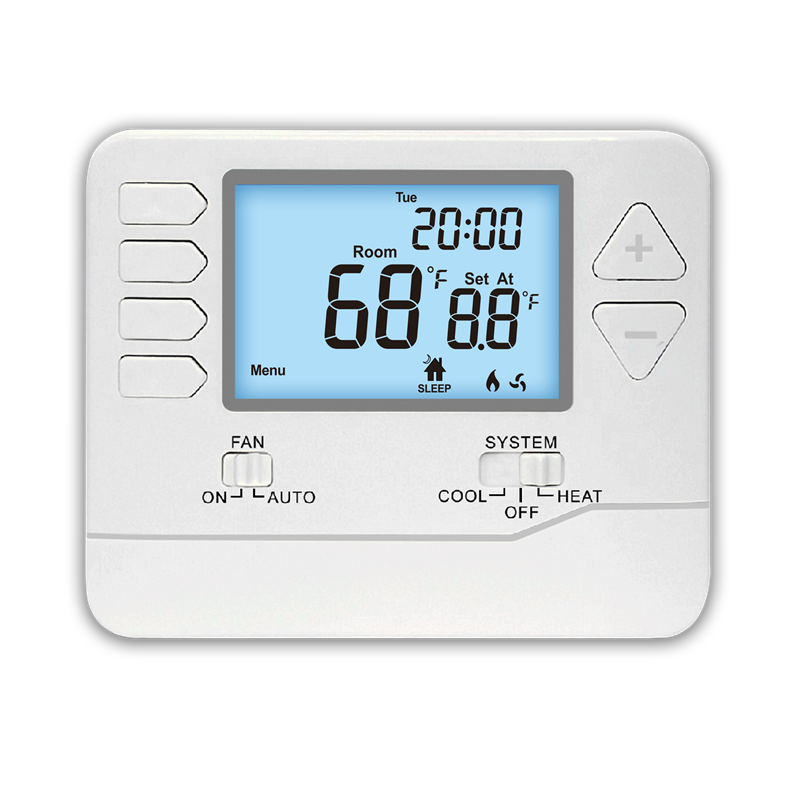

How to use HVAC thermostat
How Electronic Thermostats Work
Related Article
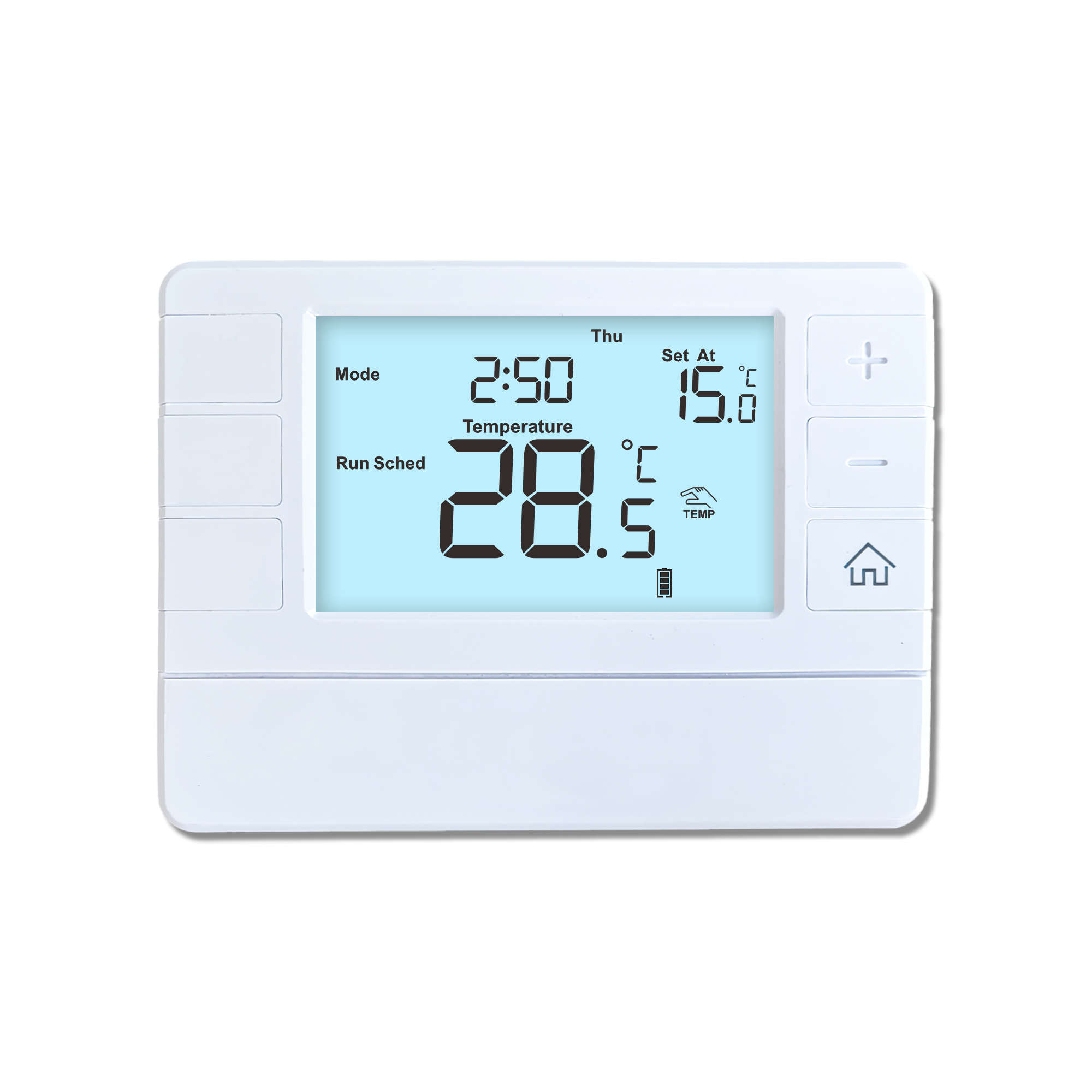
This shift has made traditional, manual thermostats obsolete, paving the way for advanced smart technologies.
Why You Need a Smart Thermostat
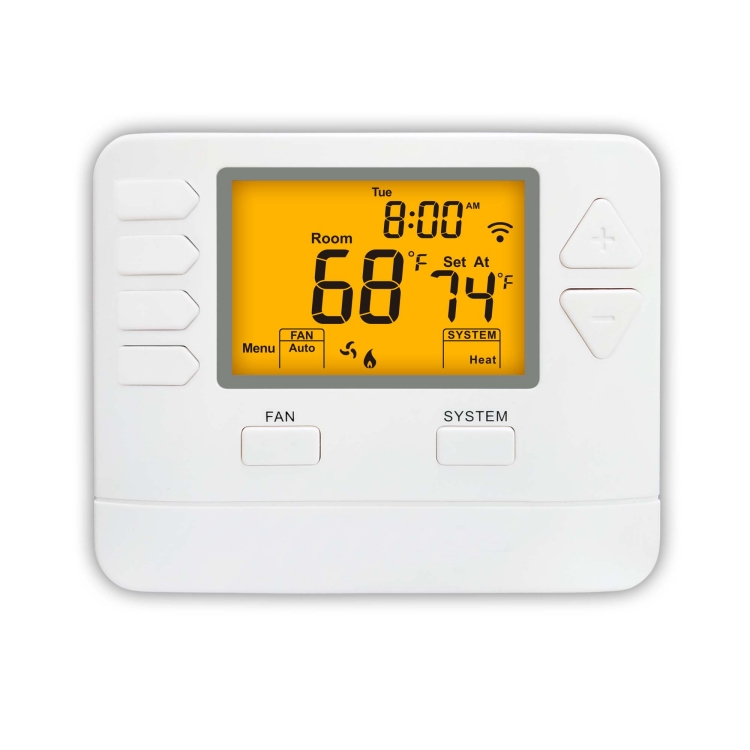
A true 7 Day programmable room thermostat offers the ultimate granular control. It allows users to program a distinct, customized heating and cooling schedule for every single day of the week.
How a 7 Day Programmable Room Thermostat Maximizes Home Comfort and Efficiency
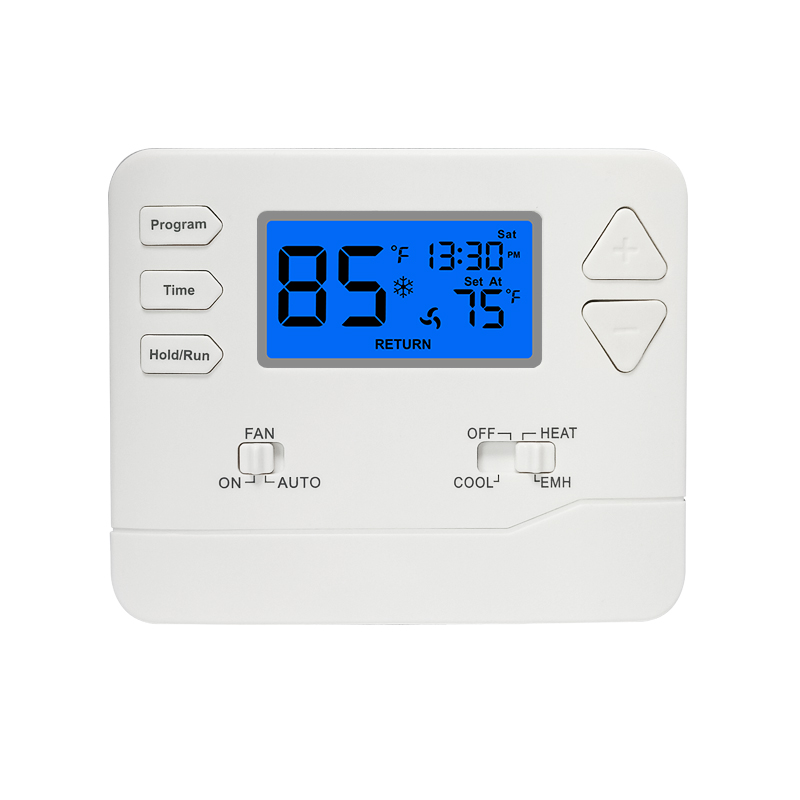
A premium Riseem thermostat is not just a digital display on your wall; it is the ultimate gatekeeper of your indoor environment.
Why a Quality Thermostat Is the Key to a More Comfortable Home
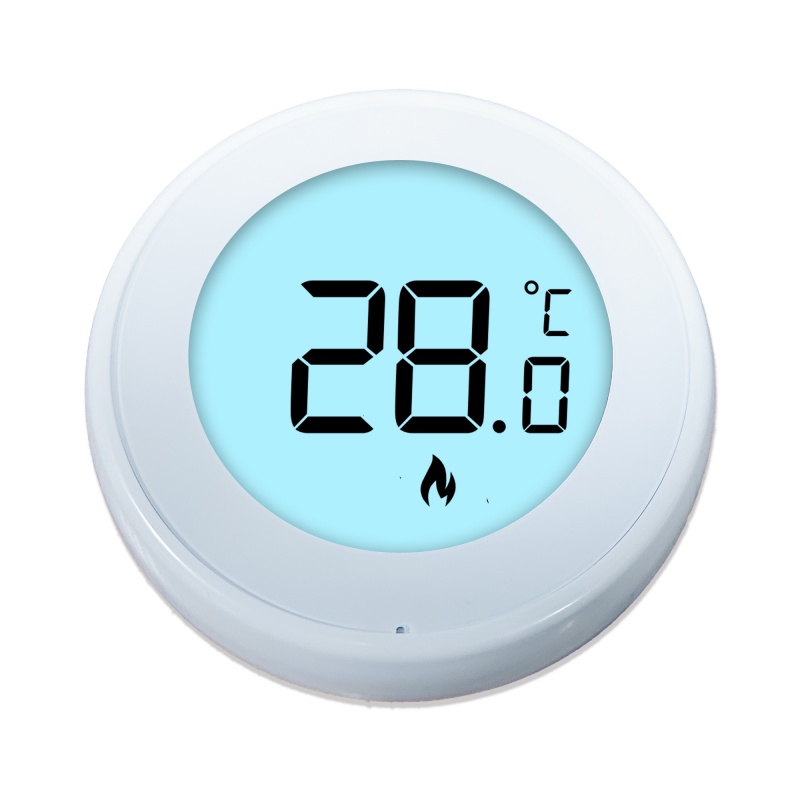
While the TUYA app provides the elegant interface, the physical thermostat remains the brain of the operation. Riseem has engineered a device that looks minimalist on your wall while delivering industrial-grade precision to your HVAC equipment.
Welcome to the Future of Home Automation The Ultimate Guide to TUYA WIFI Smart Thermostats