
how do i check my thermostat
author: Lily
2025-04-24
How Do I Check My Thermostat
A properly functioning thermostat is crucial for maintaining a comfortable indoor environment and ensuring energy efficiency. Whether you're experiencing temperature inconsistencies or simply want to conduct routine maintenance, here’s a step-by-step guide on how to check your thermostat effectively.

Safety First: Power Off
Before starting any inspection, it’s essential to prioritize safety. Locate the circuit breaker that controls your heating or cooling system and switch it off. This precaution prevents the risk of electrical shock during the process. For gas systems, also ensure that the gas supply is turned off at the main valve. This initial step provides a secure foundation for the subsequent inspection.

Visual Inspection
Begin by examining the thermostat's exterior for any visible signs of damage, such as cracks, loose wires, or frayed cables. Check if the display screen is working properly. If it’s a digital thermostat, make sure the numbers or symbols are clearly visible and not flickering. For older, mechanical thermostats, look for any signs of wear and tear on the dials and levers. Additionally, verify that the thermostat is securely mounted on the wall and not tilted or loose, as an unstable installation can lead to inaccurate temperature readings.
Check the Settings
Carefully review the thermostat settings. For programmable thermostats, ensure that the schedule is correctly set according to your daily routine. Confirm that the temperature settings for heating and cooling modes align with your comfort preferences. If you suspect a problem, try resetting the thermostat to its factory settings. This can often resolve minor glitches caused by incorrect configurations. However, remember to re-enter your personalized settings after the reset.
Test the Thermostat
After confirming the settings, it’s time to test the thermostat's functionality. Switch the power back on at the circuit breaker and turn on the heating or cooling system. Observe if the system responds promptly to the thermostat’s commands. You can increase or decrease the set temperature by a few degrees and listen for the sound of the system turning on. For example, when you raise the temperature setting in heating mode, the furnace should activate within a short period. If the system fails to respond or takes an unusually long time to start, it may indicate a problem with the thermostat or the connected components.
Check the Sensors
The sensors in your thermostat play a vital role in detecting the ambient temperature accurately. To test them, place a small, reliable thermometer near the thermostat. Wait for about 15 - 20 minutes to allow the temperatures to stabilize, then compare the readings on the thermometer and the thermostat. If there’s a significant difference (more than 2 - 3 degrees), it could mean that the thermostat’s sensors are malfunctioning. In such cases, it might be necessary to calibrate or replace the thermostat.
Professional Help
If you’ve gone through these steps and still can’t identify or fix the issue, it’s advisable to seek professional assistance. HVAC technicians have the expertise and specialized tools to diagnose complex problems with thermostats and the entire heating or cooling system. They can also perform regular maintenance, ensuring that your thermostat continues to operate efficiently and prolonging its lifespan.
Regularly checking your thermostat is an important part of home maintenance. By following these steps, you can quickly identify and address potential issues, keeping your home comfortable and your energy bills in check.


what temp to set thermostat
what to set thermostat to in summer
Related Article
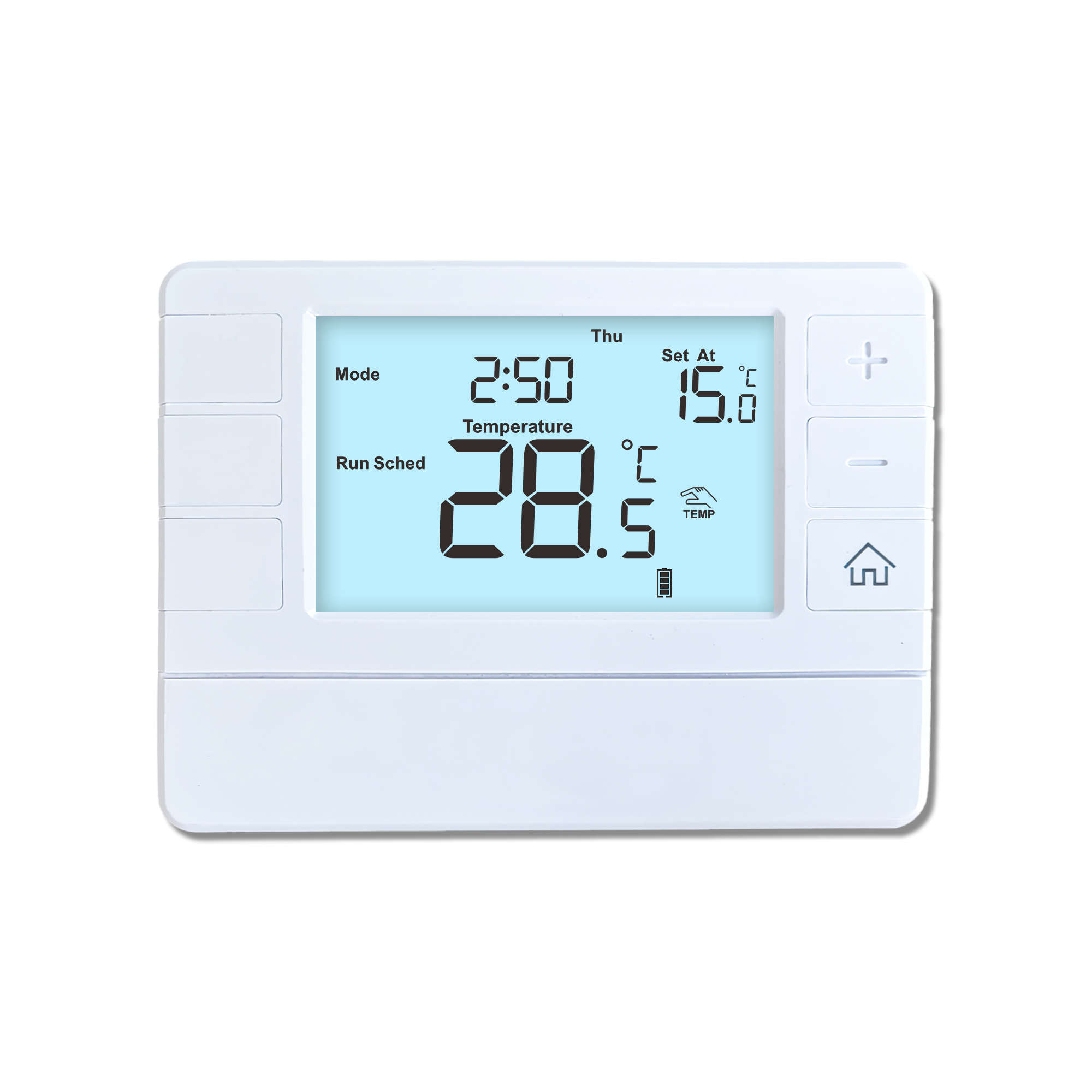
This shift has made traditional, manual thermostats obsolete, paving the way for advanced smart technologies.
Why You Need a Smart Thermostat
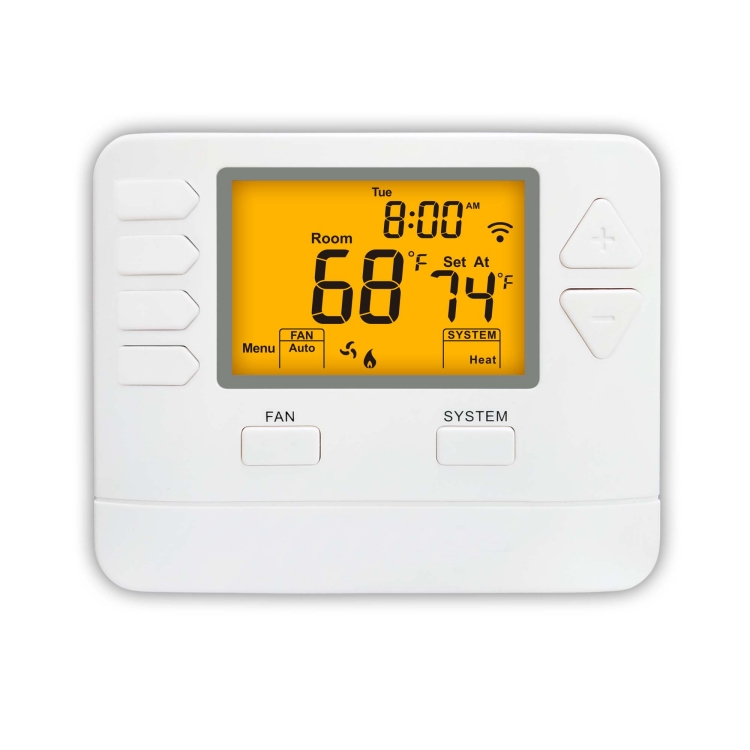
A true 7 Day programmable room thermostat offers the ultimate granular control. It allows users to program a distinct, customized heating and cooling schedule for every single day of the week.
How a 7 Day Programmable Room Thermostat Maximizes Home Comfort and Efficiency
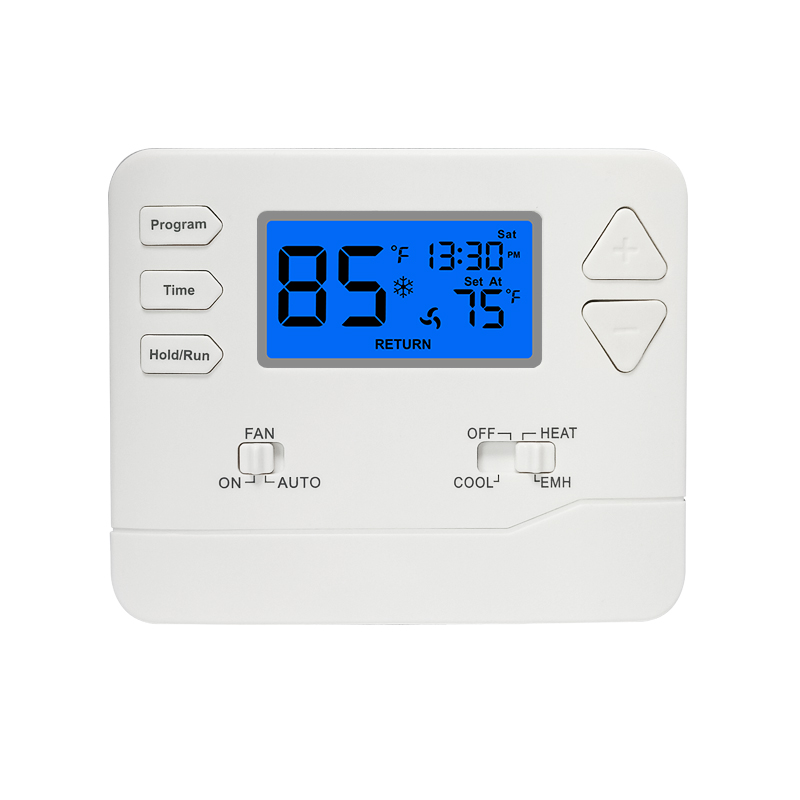
A premium Riseem thermostat is not just a digital display on your wall; it is the ultimate gatekeeper of your indoor environment.
Why a Quality Thermostat Is the Key to a More Comfortable Home
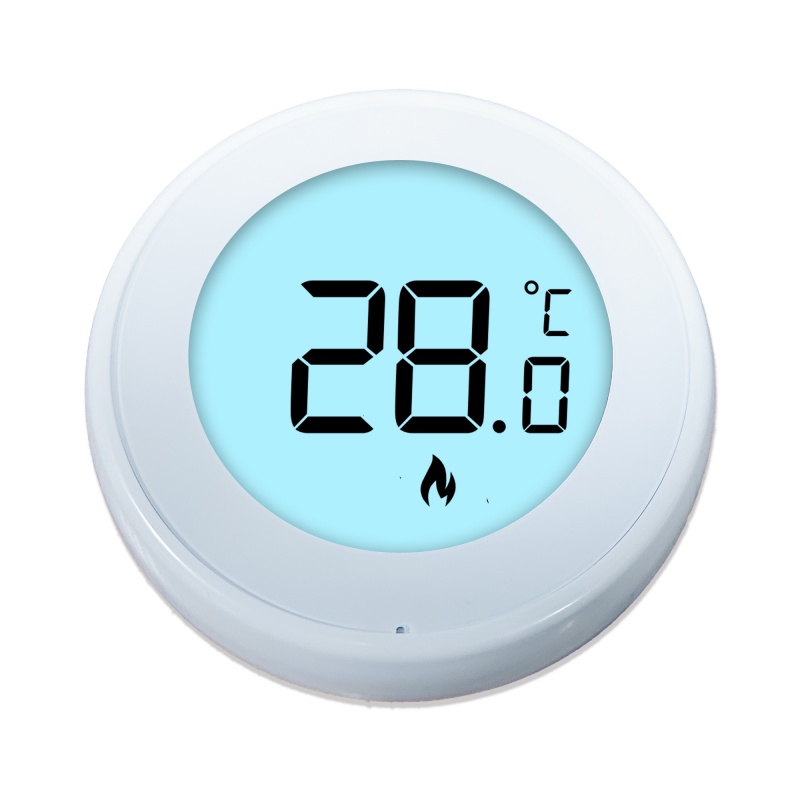
While the TUYA app provides the elegant interface, the physical thermostat remains the brain of the operation. Riseem has engineered a device that looks minimalist on your wall while delivering industrial-grade precision to your HVAC equipment.
Welcome to the Future of Home Automation The Ultimate Guide to TUYA WIFI Smart Thermostats