
how do smart thermostat room sensors work
author: Bani
2025-04-01
How Do Smart Thermostat Room Sensors Work

Introduction
Smart Thermostat technology has revolutionized the way we control the temperature in our living spaces. At the heart of this innovation are the room sensors, which play a crucial role in ensuring accurate temperature regulation. Ocean Controls Limited, a respected name in the thermostat industry, offers Smart Thermostat models equipped with advanced room sensors. This blog will explore the inner workings of these sensors and how they contribute to the overall functionality of a Smart Thermostat, with a focus on Ocean Controls Limited's offerings.
The Basics of Smart Thermostat Room Sensors
Function and Importance
The primary function of a room sensor in a Smart Thermostat system is to detect the ambient temperature in a specific area of a building. This information is essential as it forms the basis for the thermostat's decision - making process regarding heating or cooling. For example, if the sensor detects that the room temperature has dropped below the setpoint, it will prompt the thermostat to activate the heating system. Ocean Controls Limited understands the significance of accurate temperature detection and designs their sensors to provide highly reliable data.
Types of Sensors Used
Most Smart Thermostat room sensors, including those from Ocean Controls Limited, use thermistors as the temperature - sensing element. A thermistor is a type of resistor whose resistance changes with temperature. There are two main types: negative temperature coefficient (NTC) and positive temperature coefficient (PTC). NTC thermistors are more commonly used in thermostat sensors as their resistance decreases with increasing temperature, providing a straightforward way to measure temperature changes. Ocean Controls Limited carefully selects high - quality thermistors for their sensors to ensure precise temperature readings.
Temperature Detection Process
Sensing the Ambient Temperature
When the room sensor is installed in a room, the thermistor is exposed to the surrounding air. As the temperature of the air changes, the resistance of the thermistor also changes. For instance, if the room warms up, the resistance of an NTC thermistor will decrease. This change in resistance is then converted into an electrical signal. Ocean Controls Limited's sensors are designed to be highly sensitive, able to detect even minor temperature fluctuations, such as a 0.1°F change.

Calibration for Accuracy
To ensure accurate temperature readings, Smart Thermostat room sensors need to be calibrated. Calibration involves adjusting the sensor's output to match known temperature standards. Ocean Controls Limited performs rigorous calibration procedures during the manufacturing process of their sensors. This calibration ensures that the temperature readings provided by the sensor are as close to the actual temperature as possible, giving users reliable temperature data for their Smart Thermostat to work with.
Signal Transmission
From Sensor to Thermostat
Once the room sensor has detected the temperature and converted it into an electrical signal, this signal needs to be transmitted to the Smart Thermostat. In some cases, the sensor and thermostat are connected via wires. However, in modern wireless Smart Thermostat systems, like those offered by Ocean Controls Limited, the signal is transmitted wirelessly. The sensor uses a wireless communication protocol, such as Wi - Fi or Bluetooth, to send the temperature data to the thermostat. This wireless transmission allows for greater flexibility in sensor placement, as there are no wires to restrict where the sensor can be installed.
Ensuring Signal Integrity
During the signal transmission process, it's crucial to ensure signal integrity. Ocean Controls Limited's sensors are designed with features to minimize signal interference. For example, they use encryption and error - correction techniques to ensure that the temperature data transmitted from the sensor to the thermostat is accurate and not corrupted. This ensures that the Smart Thermostat receives reliable information, enabling it to make informed decisions about temperature control.
Integration with the Smart Thermostat
Decision - Making Process
When the Smart Thermostat receives the temperature data from the room sensor, it compares this data to the pre - set temperature. If the measured temperature is different from the setpoint, the thermostat decides whether to activate the heating, cooling, or ventilation systems. Ocean Controls Limited's Smart Thermostat models are equipped with advanced algorithms. These algorithms take into account not only the current temperature but also factors like the rate of temperature change and the time of day to make optimal decisions for temperature regulation.
Energy - Saving Features
Many Smart Thermostat room sensors, especially those from Ocean Controls Limited, contribute to energy - saving features. For example, if the sensor detects that a room is unoccupied for an extended period, the thermostat can adjust the temperature to a more energy - efficient setting. The sensor can also work in tandem with other sensors in a multi - zone Smart Thermostat system. Ocean Controls Limited's multi - zone systems use data from multiple room sensors to balance the temperature across different areas of a building, optimizing energy usage while maintaining comfort.
Ocean Controls Limited's Smart Thermostat Room Sensors

Product Range and Features
Ocean Controls Limited offers a diverse range of Smart Thermostat room sensors. Their sensors come with features such as long - range wireless connectivity, allowing them to be placed in hard - to - reach areas of a building. Some models also have additional sensors for detecting humidity levels. This combined temperature and humidity data can be used by the Smart Thermostat to provide more comprehensive climate control.
Quality and Reliability
The company is committed to providing high - quality sensors. Ocean Controls Limited's sensors are manufactured using durable materials and undergo strict quality control processes. They are designed to withstand various environmental conditions, ensuring long - term reliability. Whether it's a small residential application or a large commercial building, you can rely on their sensors to provide accurate temperature data over an extended period.
Installation and Maintenance
Installation Process
Installing a Smart Thermostat room sensor from Ocean Controls Limited is relatively straightforward. For wireless sensors, you typically need to mount the sensor on a wall or ceiling in an area that accurately represents the room's temperature. Avoid placing it near heat sources, such as radiators or direct sunlight, or in drafty areas. Ocean Controls Limited provides detailed installation instructions, and some models even come with a mobile app that guides you through the installation process.
Maintenance Requirements
To keep the room sensors in good working condition, regular maintenance is important. This includes checking the battery level for battery - powered sensors and ensuring that the sensor is clean. Dust or dirt on the sensor can affect its accuracy. Ocean Controls Limited also offers software updates for their sensors, which can improve performance and add new features. Regularly updating the sensor's software ensures that it continues to work optimally with the Smart Thermostat.


Conclusion
Smart Thermostat room sensors are a vital component in modern temperature - control systems. Through their ability to accurately detect temperature, transmit reliable data, and integrate with the Smart Thermostat, they enable efficient and comfortable climate control. Ocean Controls Limited's range of sensors, with their advanced features, high - quality construction, and easy installation, offer a great solution for those looking to upgrade their home or building's temperature - regulation system. By understanding how these sensors work, you can make the most of your Smart Thermostat and enjoy a more comfortable and energy - efficient living environment.
how to install heat pump thermostat
how to change room temperature on thermostat
Related Article
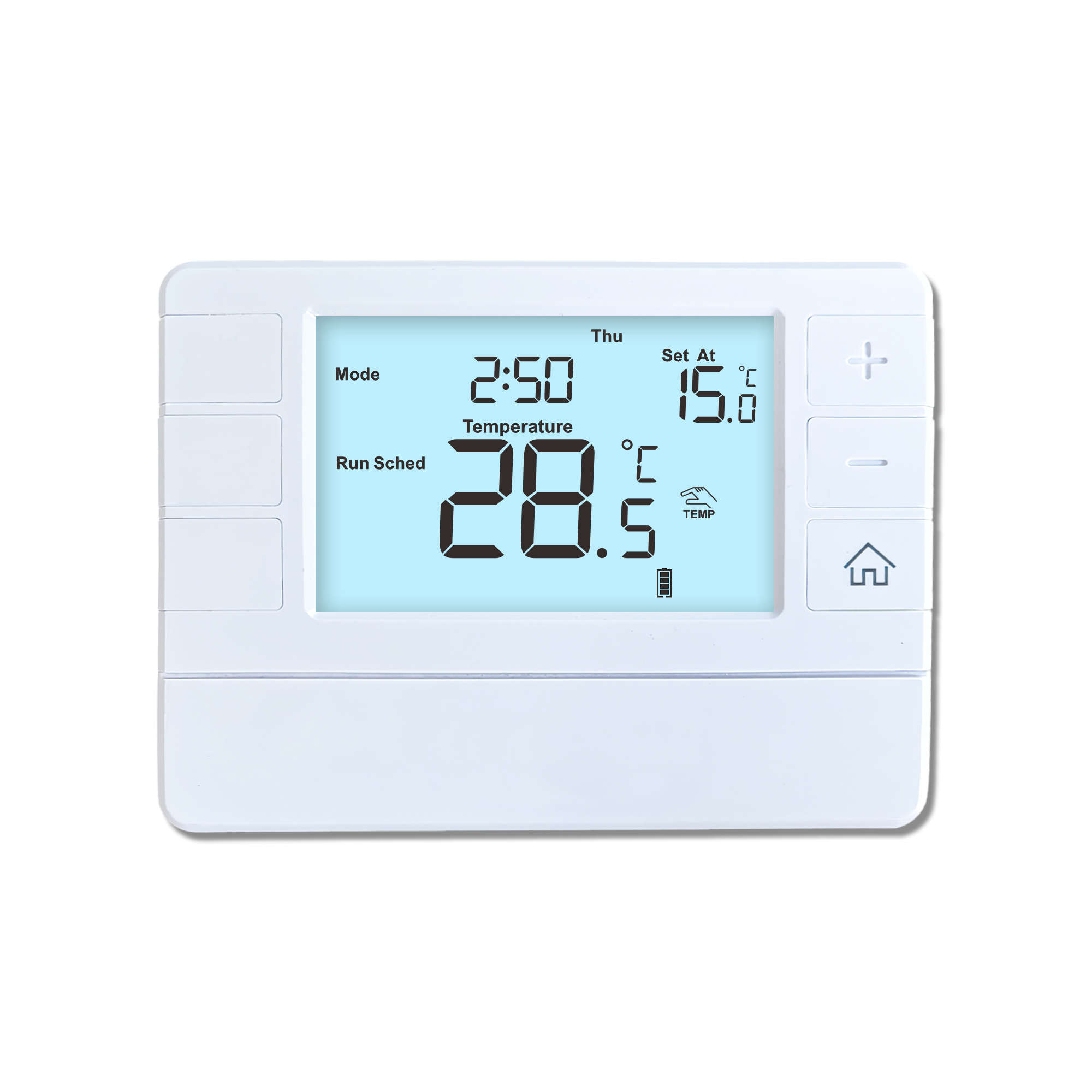
This shift has made traditional, manual thermostats obsolete, paving the way for advanced smart technologies.
Why You Need a Smart Thermostat
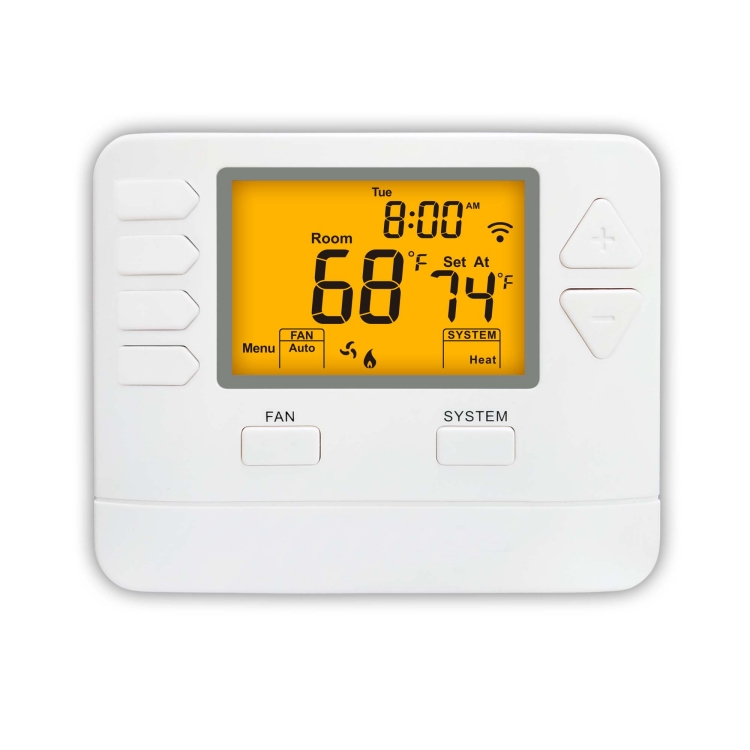
A true 7 Day programmable room thermostat offers the ultimate granular control. It allows users to program a distinct, customized heating and cooling schedule for every single day of the week.
How a 7 Day Programmable Room Thermostat Maximizes Home Comfort and Efficiency
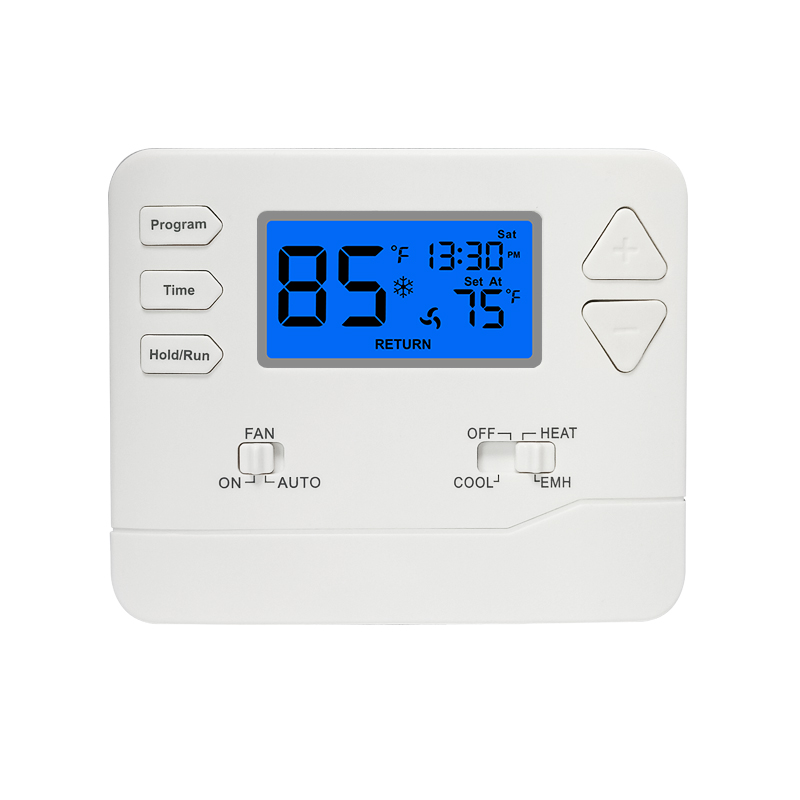
A premium Riseem thermostat is not just a digital display on your wall; it is the ultimate gatekeeper of your indoor environment.
Why a Quality Thermostat Is the Key to a More Comfortable Home
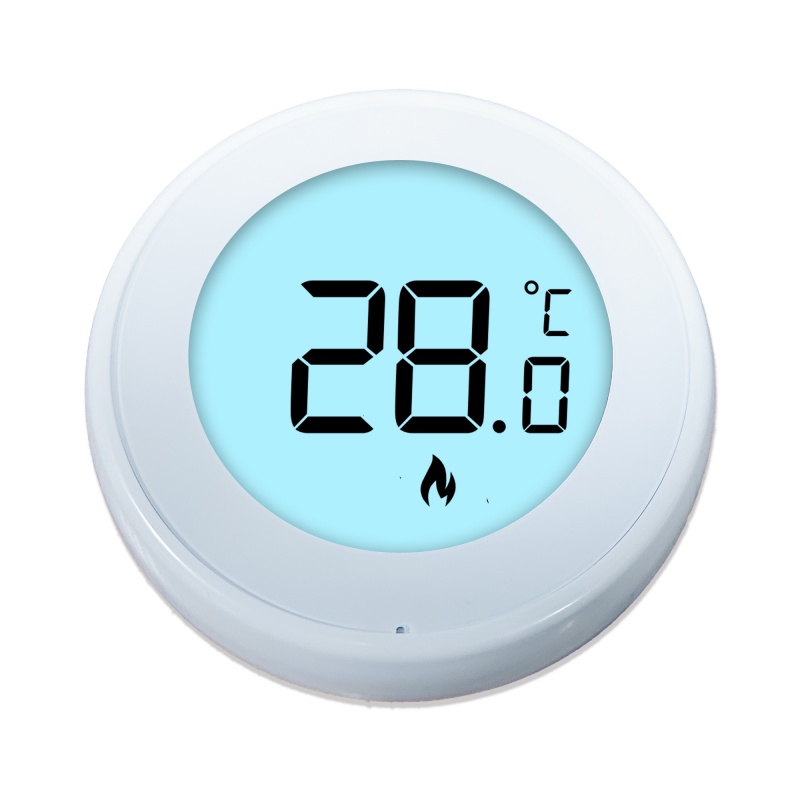
While the TUYA app provides the elegant interface, the physical thermostat remains the brain of the operation. Riseem has engineered a device that looks minimalist on your wall while delivering industrial-grade precision to your HVAC equipment.
Welcome to the Future of Home Automation The Ultimate Guide to TUYA WIFI Smart Thermostats