
How does a 24V thermostat work
author: Bani
2025-03-20
How does a 24V thermostat work

Introduction
A 24V Thermostat is a widely used device in heating, ventilation, and air - conditioning (HVAC) systems, as well as in some industrial and commercial applications. Understanding how it functions is essential for proper installation, maintenance, and optimization of the systems it controls. Ocean Controls Limited, a respected name in the thermostat industry, offers a range of 24V Thermostat solutions. This blog will explore the inner workings of a 24V Thermostat and how Ocean Controls Limited's products stand out in terms of functionality and reliability.
Basic Components of a 24V Thermostat
Temperature Sensor
At the heart of a 24V Thermostat is the temperature sensor. This sensor is responsible for detecting the ambient temperature. In most 24V thermostats, a thermistor is used as the temperature - sensing element. A thermistor is a type of resistor whose resistance changes with temperature. Ocean Controls Limited's 24V thermostats are equipped with high - quality thermistors. These sensors are highly sensitive and can detect even the slightest temperature variations, ensuring accurate temperature measurement. For example, they can detect temperature changes as small as 0.1°F.
Control Board
The control board in a 24V Thermostat is like the "brain" of the device. It receives the electrical signal from the temperature sensor and processes it. The control board is programmed to compare the measured temperature with the pre - set temperature. Based on this comparison, it decides whether to send a signal to the connected HVAC equipment to turn on, off, or adjust the heat or cooling output. Ocean Controls Limited's control boards are designed with advanced circuitry. They are engineered to make quick and accurate decisions, ensuring smooth operation of the thermostat and the connected systems.
Temperature Detection

How the Sensor Works
When the temperature around the 24V Thermostat changes, the resistance of the thermistor changes accordingly. As the temperature rises, the resistance of a negative - temperature - coefficient (NTC) thermistor decreases, and as the temperature drops, the resistance increases. This change in resistance is then converted into an electrical signal. The control board is calibrated to interpret this signal in terms of temperature. Ocean Controls Limited's thermostats are designed to ensure that the conversion from resistance change to temperature reading is highly accurate, providing reliable temperature detection.
Placement Considerations
The placement of the temperature sensor in a 24V Thermostat is crucial. It should be located in an area that accurately represents the average temperature of the space being monitored. Placing the thermostat near a heat source, such as a radiator or direct sunlight, or in a drafty area can lead to inaccurate temperature readings. Ocean Controls Limited provides clear guidelines on the optimal placement of their 24V thermostats. This helps users ensure that the thermostat measures the temperature accurately, allowing for proper control of the HVAC system.
Signal Transmission
From Sensor to Control Board
Once the temperature sensor in the 24V Thermostat generates an electrical signal based on the temperature change, this signal is transmitted to the control board. In most cases, the signal travels through a series of wires or printed circuit traces on the thermostat's circuit board. Ocean Controls Limited's thermostats are designed to minimize signal interference during this transmission. The components used in their thermostats are carefully selected to ensure a stable and accurate signal transfer from the sensor to the control board.
Communicating with the HVAC System
After the control board in the 24V Thermostat has processed the temperature signal and made a decision, it needs to communicate with the HVAC system. In a 24V system, the thermostat sends a 24 - volt electrical signal to the HVAC equipment, such as a furnace, air conditioner, or heat pump. This signal can be used to control various functions, such as turning on or off the heating or cooling unit, adjusting the fan speed, or switching between heating and cooling modes. Ocean Controls Limited's 24V thermostats are designed to be compatible with a wide range of HVAC systems. They use standard communication protocols to ensure seamless interaction with the connected equipment.
Control of HVAC Equipment

Heating and Cooling Activation
When the 24V Thermostat determines that the measured temperature is lower than the pre - set temperature in heating mode, it sends a signal to the HVAC system to activate the heating unit. This could be a gas furnace, an electric heater, or a heat pump operating in heating mode. Conversely, if the measured temperature is higher than the set temperature in cooling mode, the thermostat signals the air - conditioning unit to start cooling the space. Ocean Controls Limited's thermostats are designed to control these functions accurately, providing efficient heating and cooling.
Fan Control
In addition to controlling the heating and cooling functions, a 24V Thermostat can also control the fan in the HVAC system. The fan can be set to operate continuously or only when the heating or cooling unit is running. Ocean Controls Limited's thermostats offer flexible fan - control options. You can choose to have the fan run constantly to improve air circulation or set it to operate only when the system is actively heating or cooling to save energy.
Ocean Controls Limited's 24V Thermostats
Product Range
Ocean Controls Limited offers a diverse range of 24V Thermostat products. Their product line includes basic models that are suitable for simple HVAC systems, as well as more advanced models with additional features. The basic models are easy to install and operate, making them a great choice for residential applications. The advanced models come with features like programmable schedules, Wi - Fi connectivity, and energy - usage monitoring, which are ideal for commercial and larger residential buildings.
Quality and Performance
The company is committed to providing high - quality 24V thermostats. Their products are manufactured using top - grade materials and undergo rigorous quality control processes. Ocean Controls Limited's 24V thermostats are known for their accurate temperature control, long - lasting durability, and reliable performance. Whether it's a small home HVAC system or a large - scale commercial installation, you can rely on their thermostats to function properly and efficiently.
Installation and Maintenance
Professional Installation Recommended
Installing a 24V Thermostat requires some technical knowledge. It involves connecting the thermostat to the 24 - volt power supply and the HVAC system's wiring. While some experienced DIY enthusiasts may be able to install it themselves, it's often recommended to hire a professional HVAC technician. Ocean Controls Limited provides detailed installation instructions with their thermostats, but a professional can ensure that the installation is done correctly, minimizing the risk of malfunctions and ensuring optimal performance.
Regular Maintenance
Regular maintenance is essential to keep a 24V Thermostat in good working condition. This includes checking the batteries if it's a battery - powered thermostat, cleaning the sensor area to ensure accurate temperature detection, and checking for software updates if the thermostat has Wi - Fi connectivity. Ocean Controls Limited offers maintenance guidelines and support to help users keep their thermostats in top shape.


Conclusion
In conclusion, a 24V Thermostat is a complex yet highly effective device for controlling HVAC systems. From detecting temperature changes to controlling the heating, cooling, and fan functions of the system, it plays a crucial role in maintaining a comfortable indoor environment. Ocean Controls Limited's 24V thermostats, with their advanced technology, quality construction, and wide range of features, are a great choice for those looking to optimize the performance of their HVAC systems. By understanding how a 24V thermostat works and following proper installation and maintenance procedures, you can ensure that your thermostat provides reliable service for years to come.
Which terminal on the thermostat is 24 volt power in
What is the difference between a 1 stage and 2 stage thermostat
Related Article
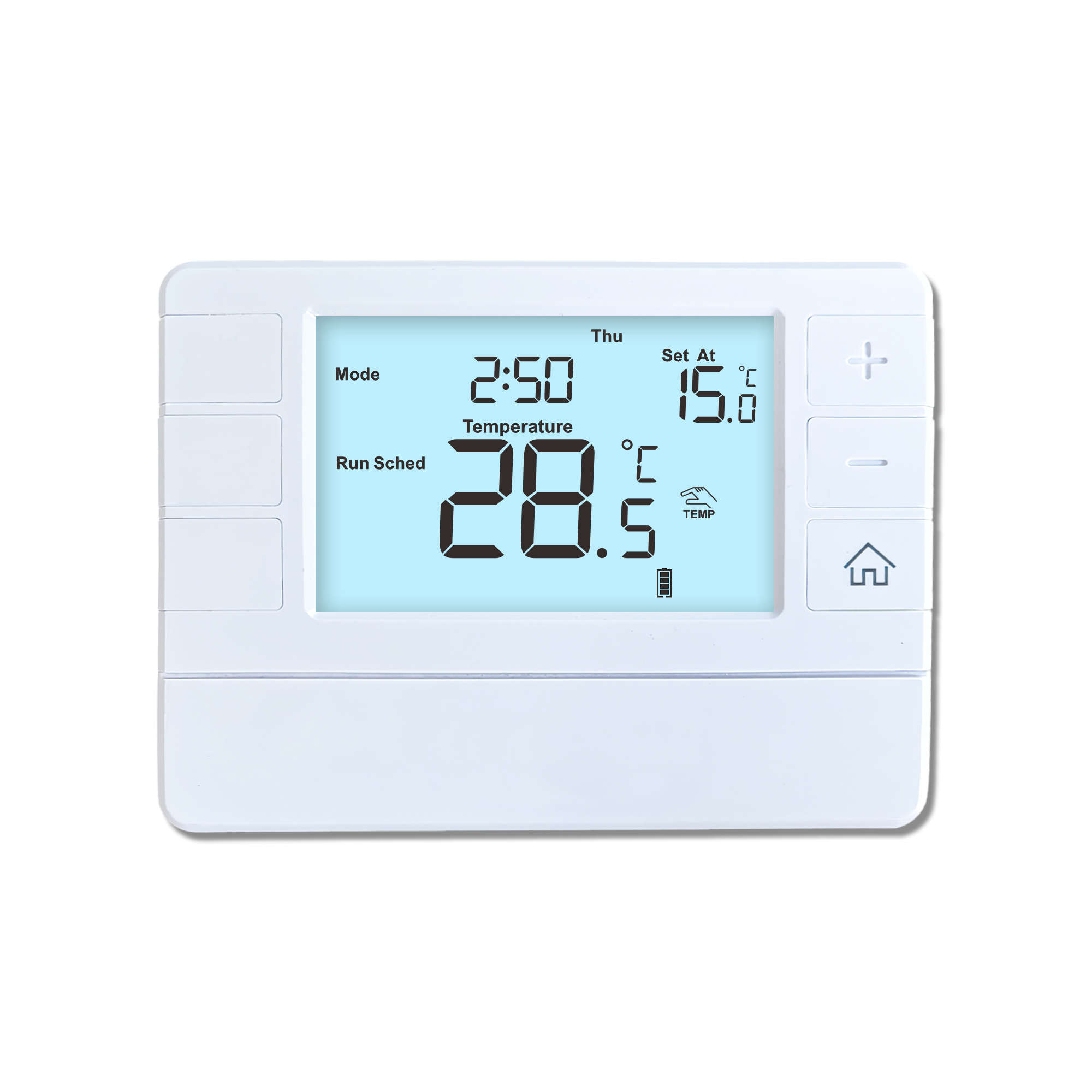
This shift has made traditional, manual thermostats obsolete, paving the way for advanced smart technologies.
Why You Need a Smart Thermostat
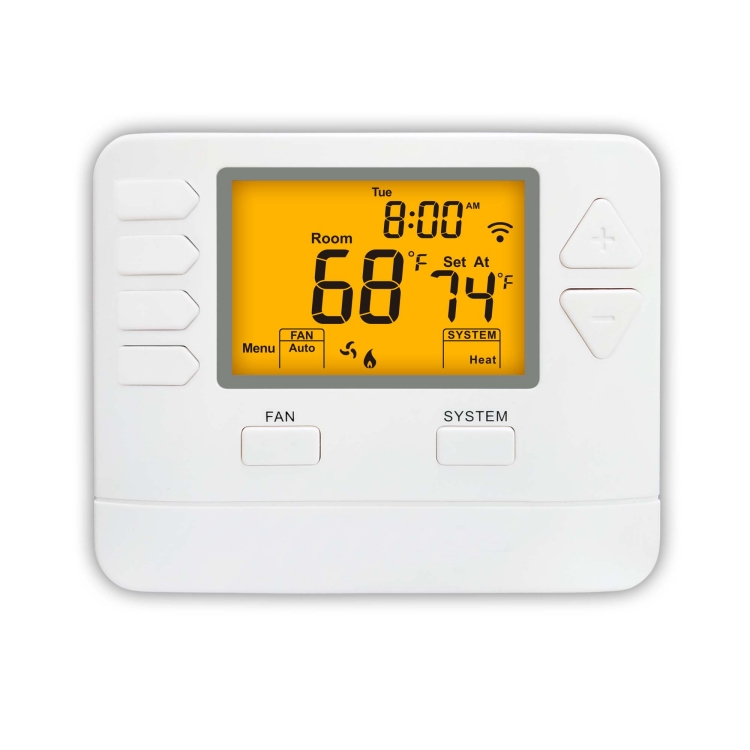
A true 7 Day programmable room thermostat offers the ultimate granular control. It allows users to program a distinct, customized heating and cooling schedule for every single day of the week.
How a 7 Day Programmable Room Thermostat Maximizes Home Comfort and Efficiency
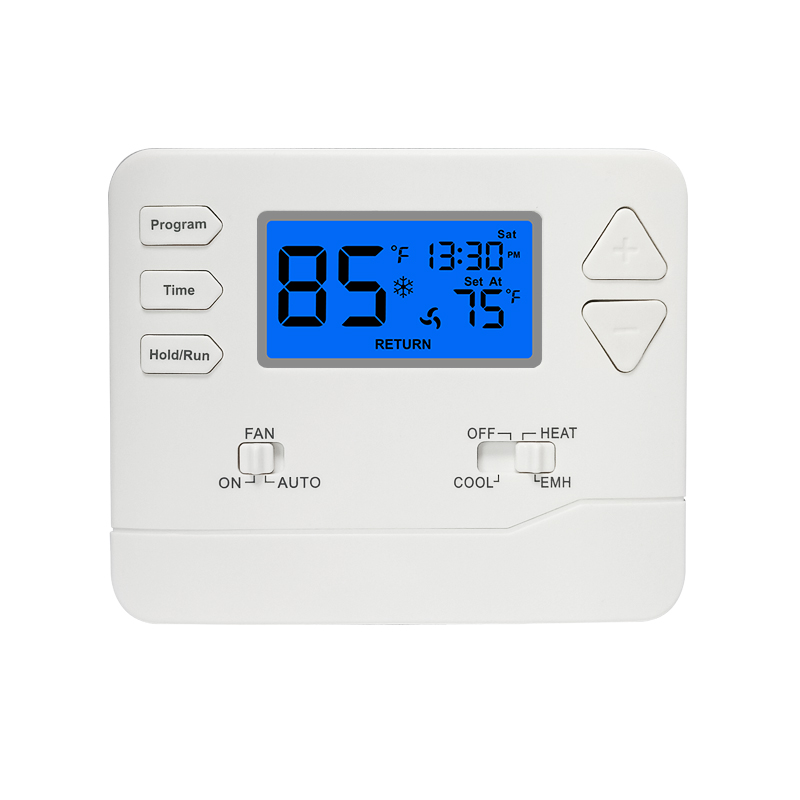
A premium Riseem thermostat is not just a digital display on your wall; it is the ultimate gatekeeper of your indoor environment.
Why a Quality Thermostat Is the Key to a More Comfortable Home
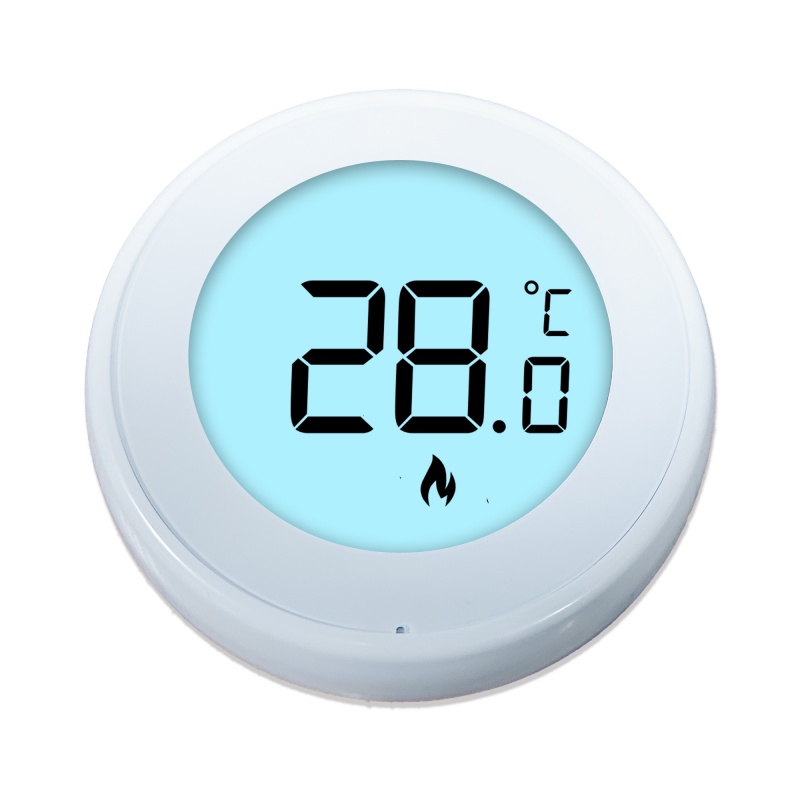
While the TUYA app provides the elegant interface, the physical thermostat remains the brain of the operation. Riseem has engineered a device that looks minimalist on your wall while delivering industrial-grade precision to your HVAC equipment.
Welcome to the Future of Home Automation The Ultimate Guide to TUYA WIFI Smart Thermostats