
how does a digital home thermostat work
author: Lily
2025-04-10
How Does a Digital Home Thermostat Work?
In modern homes, digital thermostats have become a staple, offering convenience and precise temperature control. But have you ever wondered how these unassuming devices manage to keep your living space at the perfect temperature? Let's delve into the inner workings of a digital home thermostat.
Sensing the Temperature
At the heart of a digital thermostat is a temperature sensor. This sensor is designed to detect the current temperature of the air surrounding the thermostat. Most digital thermostats use thermistors, which are special resistors whose electrical resistance changes with temperature. When the air temperature rises, the resistance of the thermistor decreases, and when the temperature drops, the resistance increases. The thermostat's internal circuitry measures this change in resistance and converts it into an accurate temperature reading, which is then displayed on the thermostat's screen.
User Input and Programming
One of the great advantages of digital thermostats is the ability for users to input their desired temperature settings. You can set a specific temperature for heating or cooling. Additionally, many digital thermostats allow for programming. You can set different temperatures for different times of the day or days of the week. For example, you might program the thermostat to lower the temperature at night when you're sleeping or raise it just before you wake up. The thermostat stores these programmed settings in its internal memory.
Comparing Temperatures and Sending Signals
Once the thermostat has a reading of the current temperature and knows the desired temperature from user input or programming, it compares the two values. If the current temperature is higher than the desired temperature in heating mode or lower than the desired temperature in cooling mode, the thermostat springs into action. It sends an electrical signal to the heating or cooling system in the home. For a furnace, the signal might tell the system to turn on and start heating the air. For an air conditioner, the signal instructs the unit to begin the cooling process.
Maintaining the Set Temperature
As the heating or cooling system operates, the thermostat continuously monitors the temperature. When the sensor detects that the current temperature has reached the desired set point, it sends another signal to the heating or cooling system. This signal tells the system to turn off. This on - off cycle helps maintain the temperature within a narrow range around the set point, ensuring a comfortable environment in the home.
Additional Features and Connectivity
Many modern digital thermostats come with extra features. Some are Wi - Fi enabled, which allows you to control the thermostat remotely using a smartphone app. This means you can adjust the temperature of your home even when you're away, making it more energy - efficient. Others might have humidity sensors, which can also influence the operation of the HVAC system to maintain proper humidity levels in addition to temperature.
In conclusion, digital home thermostats are complex yet user - friendly devices. Through their temperature sensing, user input handling, and communication with heating and cooling systems, they play a crucial role in creating a comfortable and energy - efficient living environment.


what is the best smart thermostat for your home
how to hook up a thermostat
Related Article
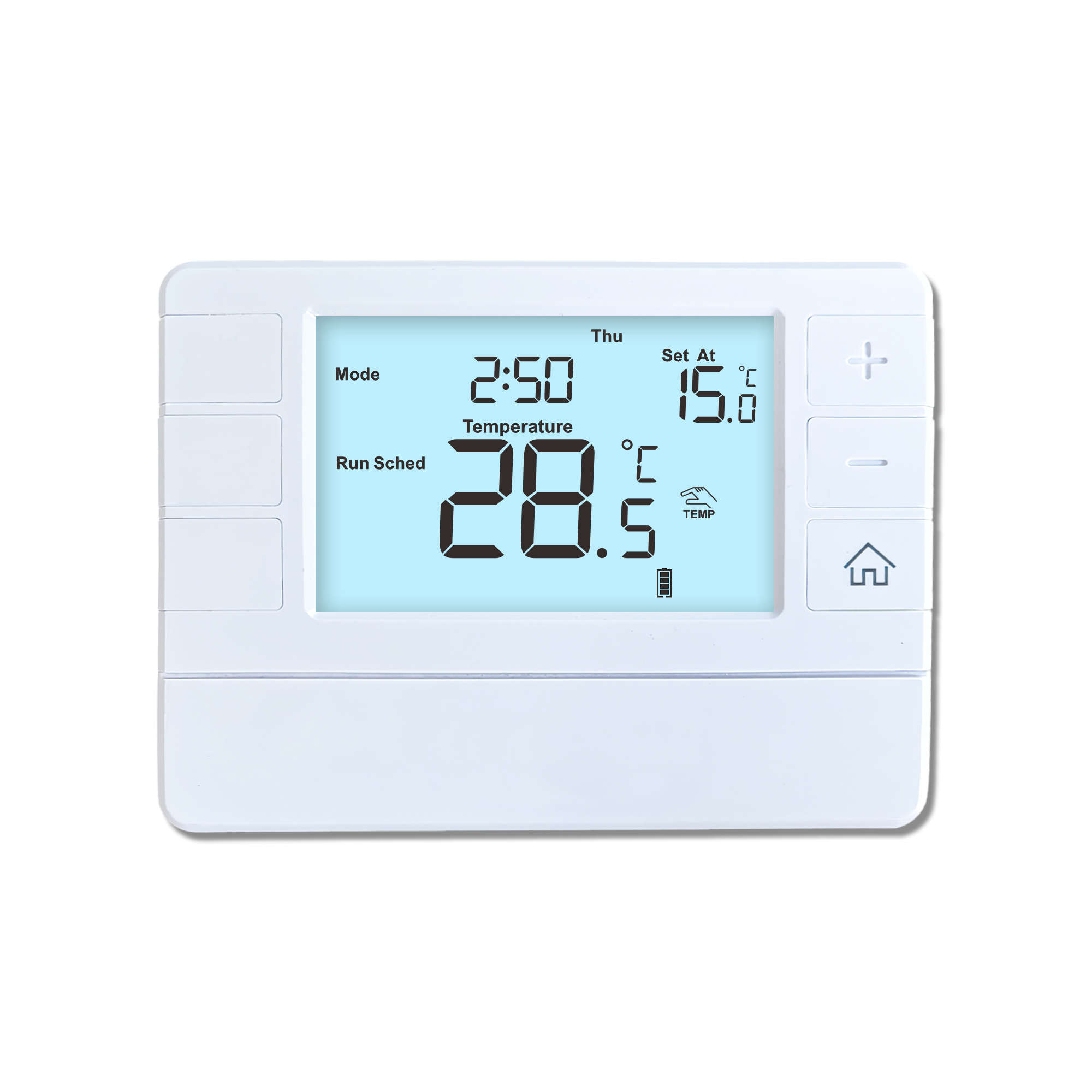
This shift has made traditional, manual thermostats obsolete, paving the way for advanced smart technologies.
Why You Need a Smart Thermostat
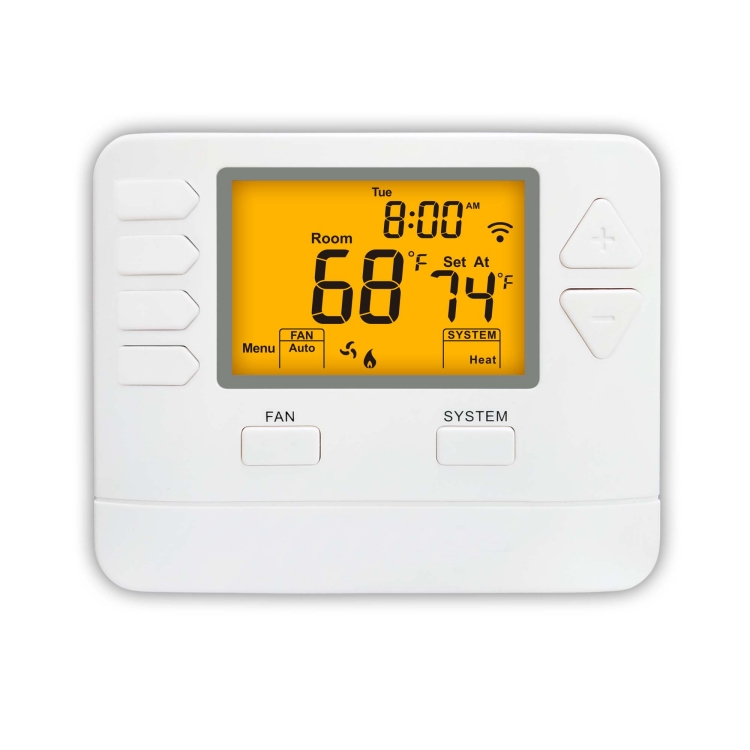
A true 7 Day programmable room thermostat offers the ultimate granular control. It allows users to program a distinct, customized heating and cooling schedule for every single day of the week.
How a 7 Day Programmable Room Thermostat Maximizes Home Comfort and Efficiency
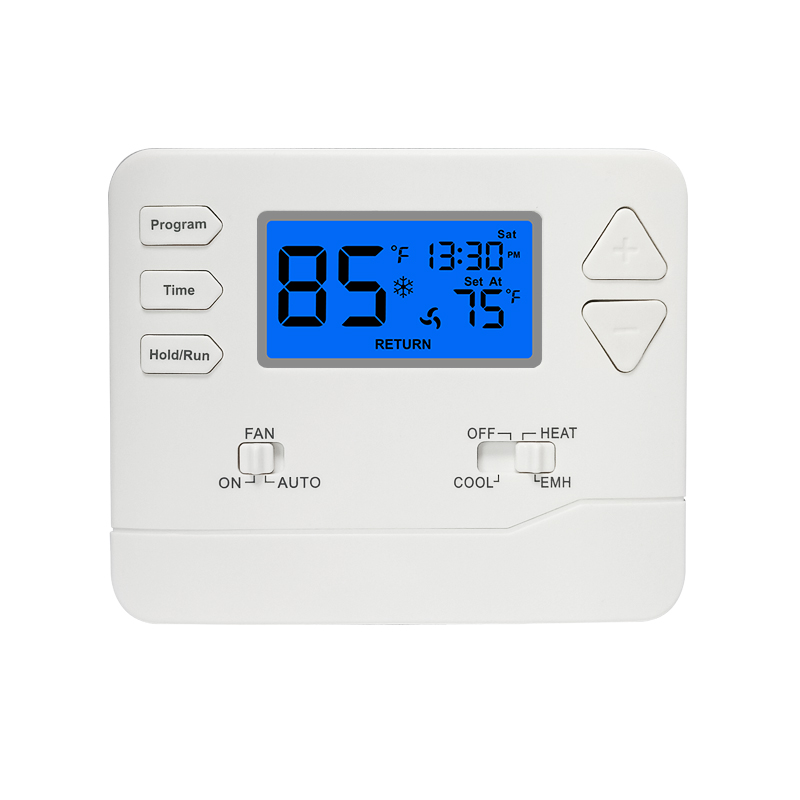
A premium Riseem thermostat is not just a digital display on your wall; it is the ultimate gatekeeper of your indoor environment.
Why a Quality Thermostat Is the Key to a More Comfortable Home
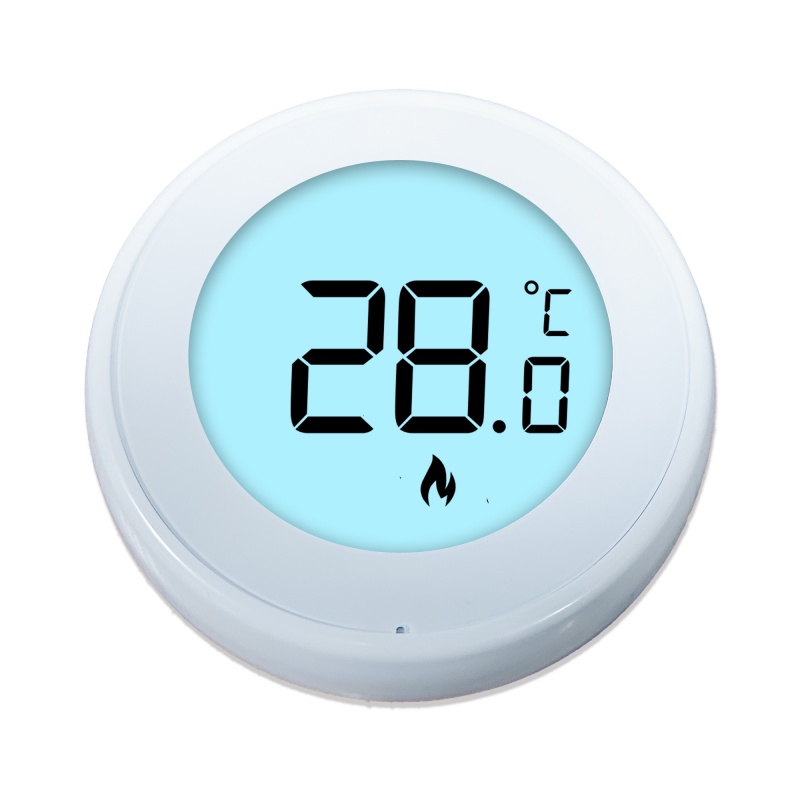
While the TUYA app provides the elegant interface, the physical thermostat remains the brain of the operation. Riseem has engineered a device that looks minimalist on your wall while delivering industrial-grade precision to your HVAC equipment.
Welcome to the Future of Home Automation The Ultimate Guide to TUYA WIFI Smart Thermostats