
How does a floor heating thermostat work
author: Bani
2025-03-19
How does a floor heating thermostat work

Introduction
A floor heating thermostat is a crucial component in a floor heating system, ensuring that your living spaces are kept at a comfortable temperature. Understanding how it works can help you make the most of your floor heating setup. Ocean Controls Limited, a well - respected name in the thermostat industry, offers a range of floor heating thermostat solutions. This blog will explore the inner workings of a floor heating thermostat and how Ocean Controls Limited's products stand out in terms of functionality and performance.
Temperature Detection
Sensors in Action
The first step in the operation of a floor heating thermostat is temperature detection. Most thermostats are equipped with sensors, typically thermistors. A thermistor is a type of resistor whose resistance changes with temperature. In a floor heating system, the sensor is strategically placed, often in the floor itself or in a location that accurately represents the room's temperature. As the ambient temperature around the sensor changes, the resistance of the thermistor also changes. Ocean Controls Limited's floor heating thermostat models are designed with highly sensitive sensors. These sensors can detect even the slightest temperature variations, down to a fraction of a degree. For example, if the desired floor temperature is set to 25°C, the sensor will constantly monitor the actual temperature.
Placement Considerations
The placement of the sensor in a floor heating thermostat is critical. Placing it too close to a heat source or in a drafty area can lead to inaccurate readings. In a floor - mounted setup, the sensor should be installed at an appropriate depth within the floor layers to accurately measure the heat being radiated. Ocean Controls Limited provides detailed guidelines on the optimal placement of their thermostats' sensors. This ensures that the sensor can detect the true ambient temperature, enabling the thermostat to make accurate decisions regarding the floor heating system.
Signal Transmission
Converting Temperature to Electrical Signals
Once the sensor in the floor heating thermostat detects a change in temperature, it converts this physical change into an electrical signal. The change in the thermistor's resistance is translated into a corresponding change in electrical current or voltage. This electrical signal serves as the communication link between the sensor and the control unit of the thermostat. Ocean Controls Limited's thermostats are designed to ensure a stable and accurate signal transmission. The components used in their thermostats are carefully selected to minimize signal interference, ensuring that the control unit receives a clear and reliable signal.
Wired vs. Wireless Transmission
Floor heating thermostats can transmit signals either through wired connections or wirelessly. Wired thermostats use electrical wires to send signals to the floor heating system's control panel. Wireless thermostats, on the other hand, use radio frequency (RF) or Wi - Fi to communicate. Ocean Controls Limited offers both wired and wireless floor heating thermostat options. Their wireless thermostats are easy to install and provide the flexibility of being placed in various locations around the house. The wireless communication is secure and reliable, allowing for seamless interaction with the floor heating system.

Signal Processing and Decision - Making
The Control Unit's Role
The control unit of the floor heating thermostat is the "brain" of the operation. It receives the electrical signal from the sensor and compares it to the pre - set temperature. Ocean Controls Limited's control units are equipped with advanced microprocessors. These microprocessors are programmed to analyze the incoming signal quickly and accurately. If the measured temperature is lower than the set temperature, the control unit decides to activate the floor heating system. Conversely, if the temperature is higher, it may signal the system to reduce the heat output or turn off.
Programmable Logic
Many modern floor heating thermostat, including those from Ocean Controls Limited, offer programmable logic. This means that users can set different temperature schedules for different times of the day. For example, you can program the thermostat to lower the temperature at night when you're sleeping or when you're away from home during the day. The control unit follows these programmed instructions and makes decisions accordingly. This not only provides comfort but also helps in saving energy.
Controlling the Floor Heating System
Communicating with the Heating Elements
Once the control unit of the floor heating thermostat makes a decision, it communicates with the floor heating system's heating elements. In a typical floor heating setup, the thermostat sends a signal to the heating cables or pipes to turn on or off. Ocean Controls Limited's thermostats are designed to be compatible with a wide range of floor heating systems, whether they use electric heating cables or hydronic (water - based) heating pipes. They can also control the intensity of the heat output in some systems, regulating the amount of power or water flow to the heating elements.
Modulating Heat Output
Some advanced floor heating thermostat, such as those from Ocean Controls Limited, can modulate the heat output of the floor heating system. Instead of simply turning the system on or off, they can adjust the intensity of the heat. For example, if the temperature is slightly below the set point, the thermostat may signal the heating elements to operate at a lower power level rather than full blast. This results in a more consistent and energy - efficient heating process.

Energy Efficiency Features
Adaptive Learning
Ocean Controls Limited's floor heating thermostat often come with adaptive learning capabilities. These thermostats can analyze the patterns of temperature adjustments made by the user over time. Based on this analysis, they can predict the desired temperature settings and adjust the floor heating system accordingly. For example, if the user typically lowers the temperature at a certain time every evening, the thermostat will learn this pattern and automatically make the adjustment, saving energy in the process.
Energy - Saving Modes
Many of their thermostats also offer energy - saving modes. These modes can be activated manually or programmed to turn on at specific times. In energy - saving mode, the thermostat may set a slightly lower temperature during periods when the house is unoccupied or when the occupants are asleep. This simple yet effective feature can significantly reduce energy consumption without sacrificing too much comfort.
Installation and Maintenance
Professional Installation Recommended
Installing a floor heating thermostat, especially a wired one, often requires professional expertise. Ocean Controls Limited provides detailed installation manuals, but for the best results, it's recommended to hire a qualified HVAC technician. The technician can ensure that the thermostat is correctly wired to the floor heating system and that the sensor is placed in the optimal location.
Regular Maintenance
Regular maintenance is essential to keep the thermostat in good working condition. This includes checking the batteries if it's a battery - powered thermostat, cleaning the sensor to ensure accurate temperature detection, and updating the software if the thermostat has Wi - Fi connectivity. Ocean Controls Limited offers maintenance guidelines and support to help homeowners keep their thermostats in top shape.


Conclusion
In conclusion, a floor heating thermostat is a complex yet highly effective device. From detecting temperature changes to controlling the floor heating system and implementing energy - saving features, it plays a vital role in maintaining a comfortable indoor environment. Ocean Controls Limited's thermostats, with their advanced technology, compatibility, and energy - efficiency features, are a great choice for homeowners looking to optimize the performance of their floor heating systems. By understanding how a floor heating thermostat works, you can make informed decisions about choosing and maintaining the right thermostat for your home.
How to use a thermostat for floor heating
Single Stage Programmable Thermostat
Related Article
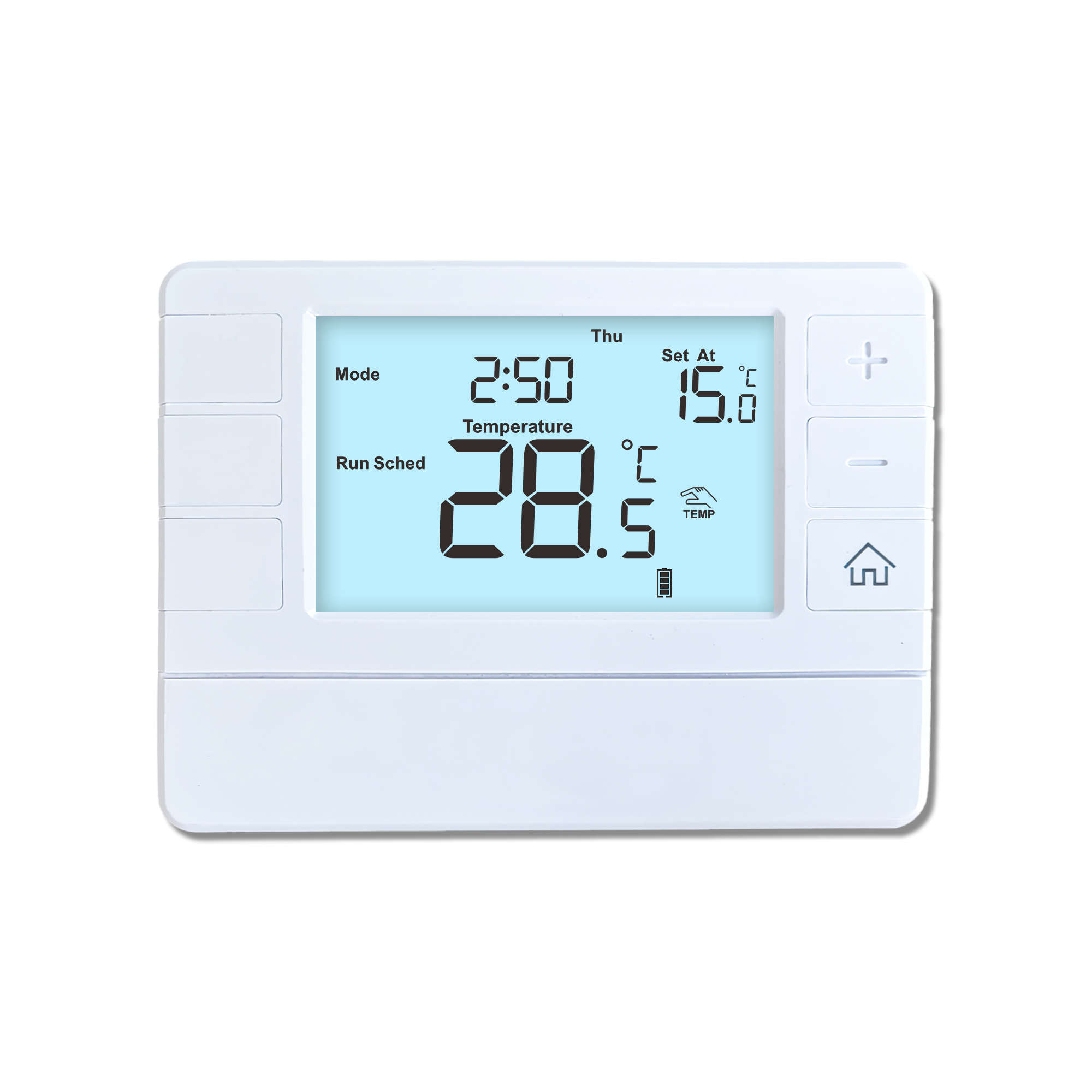
This shift has made traditional, manual thermostats obsolete, paving the way for advanced smart technologies.
Why You Need a Smart Thermostat
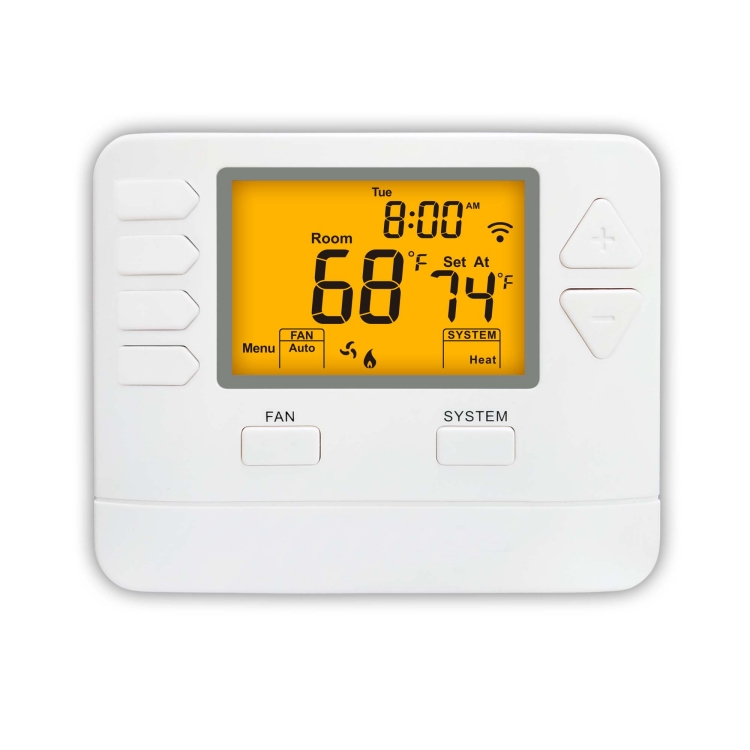
A true 7 Day programmable room thermostat offers the ultimate granular control. It allows users to program a distinct, customized heating and cooling schedule for every single day of the week.
How a 7 Day Programmable Room Thermostat Maximizes Home Comfort and Efficiency
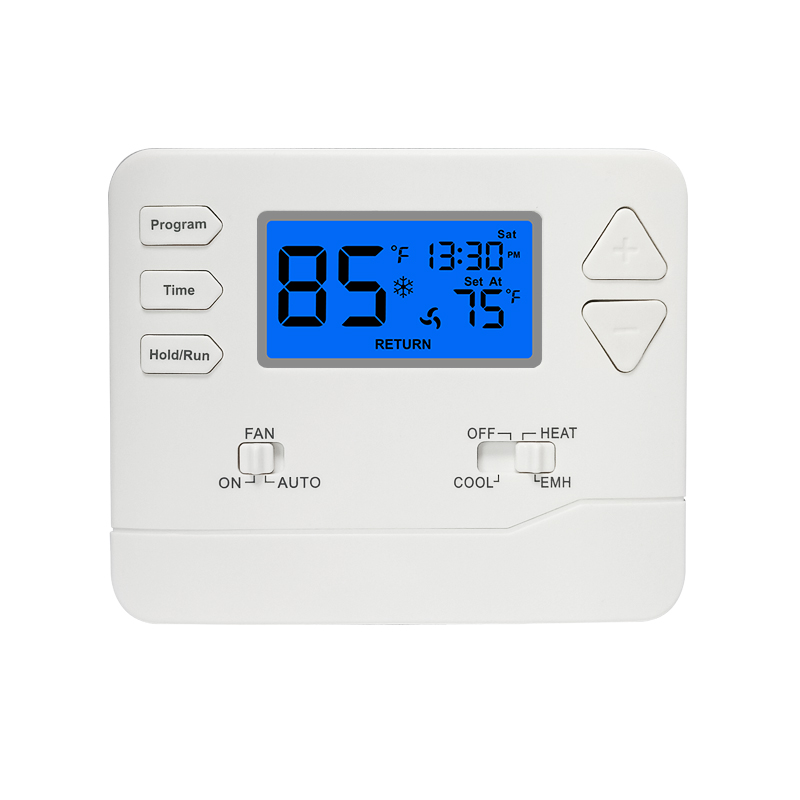
A premium Riseem thermostat is not just a digital display on your wall; it is the ultimate gatekeeper of your indoor environment.
Why a Quality Thermostat Is the Key to a More Comfortable Home
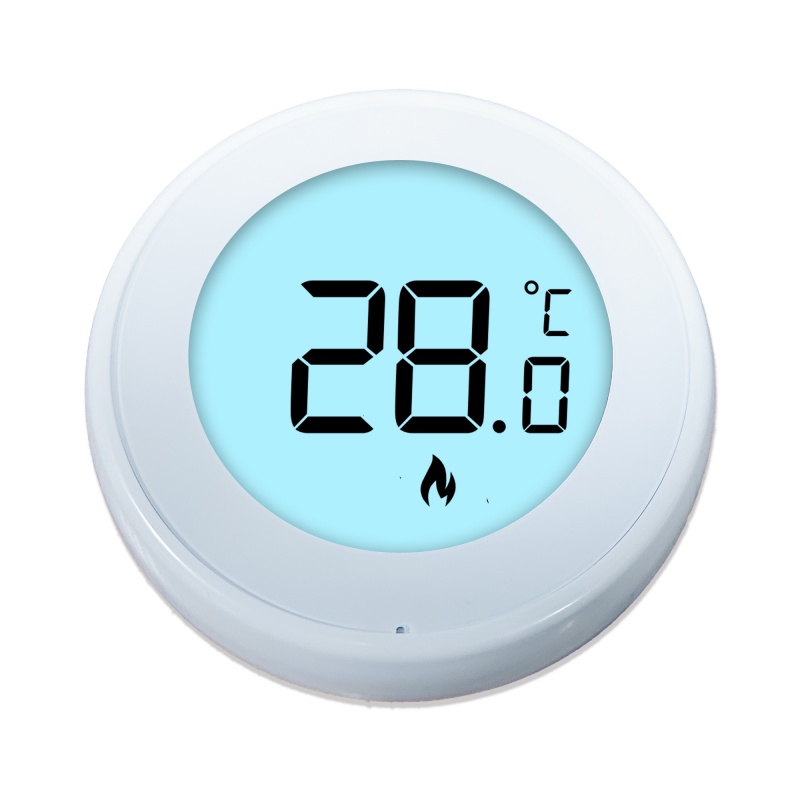
While the TUYA app provides the elegant interface, the physical thermostat remains the brain of the operation. Riseem has engineered a device that looks minimalist on your wall while delivering industrial-grade precision to your HVAC equipment.
Welcome to the Future of Home Automation The Ultimate Guide to TUYA WIFI Smart Thermostats