
How does a thermostat control the operation of heating or cooling equipment according to the set temperature
author: Lily
2025-03-18
How Does a Thermostat Control the Operation of Heating or Cooling Equipment According to the Set Temperature
Introduction
A thermostat is an essential device in modern heating, ventilation, and air - conditioning (HVAC) systems. Its primary function is to maintain a desired indoor temperature by controlling the operation of heating or cooling equipment. By ensuring that the ambient temperature remains within a comfortable range, thermostats not only enhance human comfort but also contribute to energy efficiency.
Basic Components and Working Principle
Sensing Element
The first step in the thermostat's operation is temperature sensing. Different types of thermostats use various sensing elements.
- Mechanical Thermostats: Older mechanical thermostats often rely on bimetallic strips. A bimetallic strip is made of two different metals bonded together. Since different metals expand and contract at different rates with temperature changes, when the temperature around the bimetallic strip changes, it bends. For example, in a heating system, as the room temperature drops, the bimetallic strip in the thermostat will bend in a way that closes an electrical circuit. This closing of the circuit then signals the heating equipment to turn on. Another type of sensing element in mechanical thermostats is the gas - filled bellows. The gas inside the bellows expands or contracts with temperature variations, causing the bellows to change in size, which in turn operates a switch to control the heating or cooling equipment.
- Digital Thermostats: Modern digital thermostats use electronic sensors such as thermistors. A thermistor is a resistor whose resistance changes with temperature. The thermostat measures the resistance of the thermistor, and based on this measurement, it can accurately determine the ambient temperature. For instance, if the resistance of the thermistor decreases, it indicates a rise in temperature, and the thermostat will process this information further.
Comparing the Measured Temperature with the Setpoint
Once the thermostat has sensed the current temperature, it compares this value with the temperature setpoint that has been programmed by the user. The setpoint is the desired temperature that the user wants to maintain in the room. For example, if a user sets the thermostat to 22°C for heating, the thermostat will constantly check if the measured room temperature is at, below, or above this 22°C mark.
Output and Control Signal
If the measured temperature deviates from the setpoint, the thermostat will send a control signal to the heating or cooling equipment.
- For Heating Equipment: If the measured temperature is lower than the setpoint in a heating - only system, the thermostat will send an electrical signal to the heating equipment, such as a furnace or a heat pump. This signal will activate the heating elements or the compressor in the heat pump, causing the equipment to start producing heat. The heating equipment will continue to operate until the thermostat senses that the room temperature has reached the setpoint. At this point, the thermostat will send another signal to turn off the heating equipment.
- For Cooling Equipment: In a cooling system, when the measured temperature is higher than the setpoint, the thermostat sends a signal to the cooling equipment, like an air conditioner. The signal will start the compressor and the fan in the air conditioner. The compressor pumps refrigerant through the system, which cools the air, and the fan blows the cooled air into the room. The cooling equipment will run until the thermostat detects that the room temperature has dropped to the setpoint, at which time it will send a signal to stop the cooling process.
Different Types of Thermostats and Their Control Methods
Mechanical Thermostats
Mechanical thermostats use a simple on - off control method. When the bimetallic strip or gas - filled bellows reaches a certain position due to temperature change, it either closes or opens an electrical circuit. For example, in a home heating system with a mechanical thermostat, when the room gets cold, the bimetallic strip bends to close the circuit, turning on the furnace. Once the room warms up, the strip straightens, opening the circuit and turning off the furnace. This type of thermostat is relatively simple and reliable but may not provide very precise temperature control as the on - off action can cause temperature fluctuations.
Digital Thermostats
Digital thermostats offer more advanced control features. They can be programmed to adjust the temperature at different times of the day. For example, a user can set the thermostat to lower the temperature at night when they are sleeping and raise it in the morning when they wake up. In terms of controlling the heating or cooling equipment, digital thermostats use more precise temperature measurements from their electronic sensors. They can also have features like hysteresis, which means they don't immediately turn the equipment on or off when the setpoint is reached. Instead, they allow the temperature to deviate slightly from the setpoint in either direction before taking action. This helps to reduce the frequency of equipment cycling, which can extend the lifespan of the heating or cooling equipment.
Smart Thermostats
Smart thermostats are the latest evolution in temperature control. They connect to the internet via Wi - Fi, allowing users to control them remotely using a smartphone app. These thermostats can learn user behavior patterns over time. For example, if a user usually lowers the temperature setting when they leave the house, the smart thermostat can detect this pattern and automatically adjust the temperature accordingly. In controlling heating or cooling equipment, smart thermostats can communicate with other smart home devices. They can also receive weather forecasts and adjust the temperature setpoint based on the expected outdoor temperature. For instance, if a cold front is expected, the smart thermostat can pre - heat the house before the temperature drops outside, ensuring a more consistent indoor temperature.
Maintaining Temperature Stability
To maintain a stable temperature, thermostats use a feedback loop. The continuous cycle of sensing the temperature, comparing it to the setpoint, and sending control signals to the heating or cooling equipment ensures that the temperature remains close to the set value. However, there are some factors that can affect the accuracy of temperature control.
- Thermostat Placement: If a thermostat is placed near a heat source, such as a radiator or in direct sunlight, it will sense a higher temperature than the actual room temperature. This can cause the heating equipment to turn off prematurely, resulting in a cooler room than desired. Similarly, if it is placed near a drafty area, it may sense a lower temperature and keep the heating equipment running longer than necessary.
- Equipment Sizing: If the heating or cooling equipment is too large for the space, it will cycle on and off frequently, which can cause temperature fluctuations. On the other hand, if the equipment is too small, it may not be able to reach the setpoint temperature, especially in extreme weather conditions.
Conclusion
In conclusion, thermostats play a crucial role in controlling the operation of heating or cooling equipment according to the set temperature. Through their sensing elements, comparison processes, and control signals, they ensure that indoor environments remain comfortable. The different types of thermostats, from mechanical to digital and smart, offer varying levels of control and convenience. By understanding how thermostats work, users can make more informed decisions about their HVAC systems, leading to increased energy efficiency and enhanced comfort.


What factors affect the service life of electronic thermostats
How do you reset the thermostat on a HVAC system
Related Article
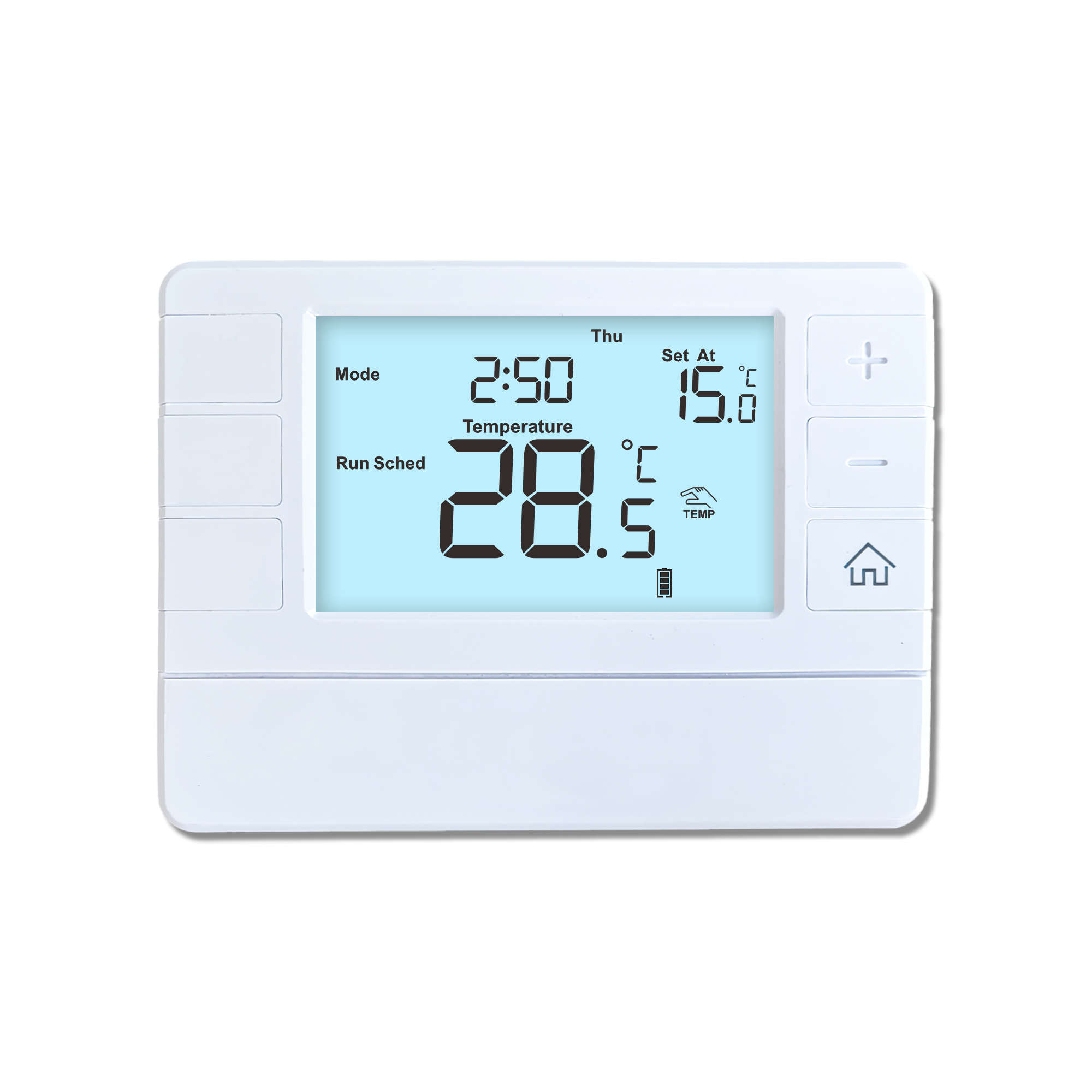
This shift has made traditional, manual thermostats obsolete, paving the way for advanced smart technologies.
Why You Need a Smart Thermostat
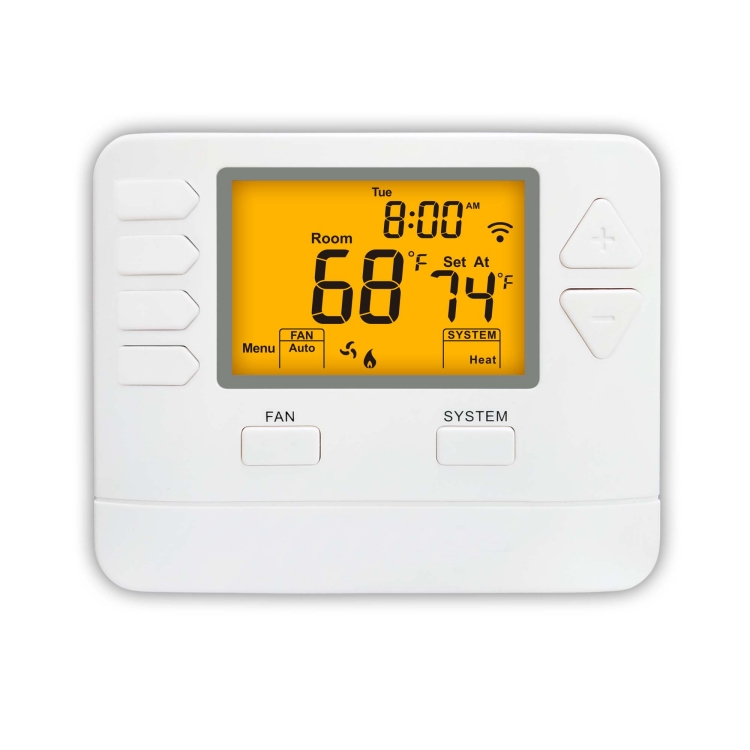
A true 7 Day programmable room thermostat offers the ultimate granular control. It allows users to program a distinct, customized heating and cooling schedule for every single day of the week.
How a 7 Day Programmable Room Thermostat Maximizes Home Comfort and Efficiency
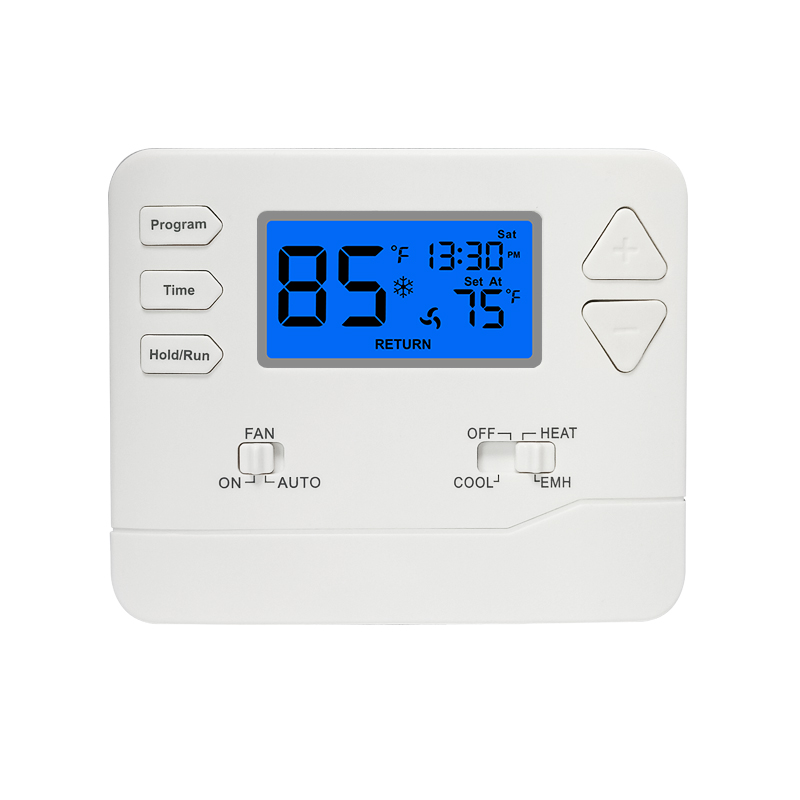
A premium Riseem thermostat is not just a digital display on your wall; it is the ultimate gatekeeper of your indoor environment.
Why a Quality Thermostat Is the Key to a More Comfortable Home
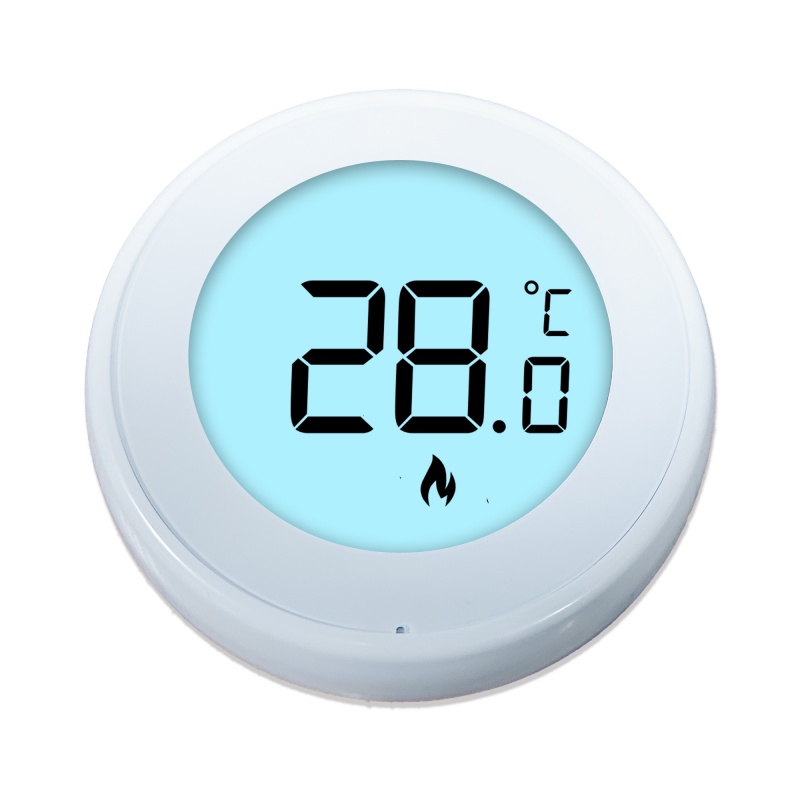
While the TUYA app provides the elegant interface, the physical thermostat remains the brain of the operation. Riseem has engineered a device that looks minimalist on your wall while delivering industrial-grade precision to your HVAC equipment.
Welcome to the Future of Home Automation The Ultimate Guide to TUYA WIFI Smart Thermostats