
how does a wireless thermostat work
author: Somi
2025-04-16
How Does a Wireless Thermostat Work?
1. Introduction
In the modern era of home automation, the wireless thermostat has emerged as a revolutionary device, offering homeowners greater control and convenience. Brands like Ocean Controls Limited have been at the forefront of this technology, providing innovative solutions to manage indoor climate. But have you ever wondered how these seemingly magical devices actually work? In this blog, we'll take a deep dive into the inner workings of a wireless thermostat.
2. The Basics of Temperature Sensing
Temperature Sensors
At the heart of every thermostat, including wireless ones, lies a temperature sensor. This crucial component measures the ambient air temperature in the room. It's typically a small, highly sensitive device that can detect even the slightest changes in temperature. Ocean Controls Limited's wireless thermostats use advanced sensor technology to ensure accurate readings. The sensor works by exploiting the physical properties of certain materials that change with temperature, such as the expansion or contraction of a metal or the alteration in electrical resistance.
Calibration and Accuracy
To provide reliable temperature measurements, these sensors need to be calibrated. Manufacturers, like Ocean Controls Limited, calibrate the sensors during production to match a standard temperature scale. However, over time, factors like environmental conditions and wear can affect accuracy. Some modern wireless thermostats have self-calibration features that periodically adjust the sensor readings to maintain precision.
3. Wireless Communication
Wi-Fi and Bluetooth Connectivity
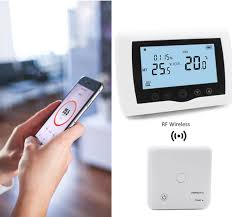
Most wireless thermostats today utilize either Wi-Fi or Bluetooth technology to communicate. Wi-Fi-enabled thermostats, like those from Ocean Controls Limited, can connect to your home network. This allows you to control the thermostat from anywhere in the world using a smartphone app. You can adjust the temperature, set schedules, and even receive alerts about your home's climate conditions. Bluetooth, on the other hand, is often used for short-range communication, such as pairing the thermostat with a nearby device for initial setup or quick adjustments without the need for an internet connection.
Signal Transmission and Reception
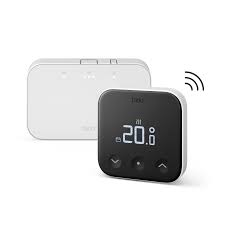
When you make a change to the thermostat settings via the app or a connected device, the wireless thermostat sends a signal to the relevant component. If it's adjusting the heating or cooling system, it transmits instructions to the HVAC (Heating, Ventilation, and Air Conditioning) controller. The thermostat's receiver then awaits responses or status updates from the HVAC system to ensure the commands are being executed correctly. This seamless two-way communication is what enables the real-time control and monitoring that makes wireless thermostats so popular.
4. Controlling the HVAC System
Sending Signals to the Furnace or AC
Once the thermostat detects that the room temperature has deviated from the set point, it springs into action. If the temperature is too high and cooling is needed, it sends a signal to the air conditioner to turn on. Conversely, if it's chilly and heating is required, it signals the furnace. The signals are transmitted wirelessly, as we discussed earlier. Ocean Controls Limited thermostats are designed to work with a wide variety of HVAC systems, ensuring compatibility and smooth operation. The thermostat determines the appropriate time to turn the system on or off based on its programmed algorithms and the temperature readings it receives.
Cycling and Temperature Maintenance
The thermostat continuously monitors the room temperature even after the HVAC system has been activated. It aims to maintain the set temperature within a narrow range. For example, if you set it to 72°F, it will turn the system on and off as needed to keep the temperature hovering around that mark. This cycling process is carefully regulated to avoid overcooling or overheating, optimizing energy efficiency and comfort.
5. Power Source and Battery Life
Battery-Powered vs. Hardwired
Some wireless thermostats are battery-powered, while others can be hardwired into your home's electrical system. Battery-powered models offer greater flexibility in installation since they don't require access to a power outlet. However, you need to keep an eye on the battery life. Ocean Controls Limited's battery-powered thermostats often use low-power consumption technology to extend the time between battery replacements. Hardwired thermostats, on the other hand, have a constant power supply, eliminating the worry of batteries dying but may require professional installation.
Energy Efficiency and Battery Management
To further conserve energy, wireless thermostats employ various techniques. They may enter a low-power standby mode when not in use or when the room temperature is stable. Additionally, they optimize the frequency of temperature sensing and communication to reduce overall power consumption. This not only helps prolong battery life but also contributes to the overall energy efficiency of the device.
6. Integration with Smart Home Ecosystems
Connecting with Other Devices
One of the most exciting aspects of wireless thermostats is their ability to integrate with other smart home devices. They can communicate with smart lights, security systems, and even appliances. For example, your thermostat could work in tandem with smart blinds to adjust the amount of sunlight entering a room, further optimizing the indoor climate. Ocean Controls Limited is constantly exploring ways to enhance this integration, allowing homeowners to create a seamless and intelligent living environment.
Voice Control and Automation
Many wireless thermostats are now compatible with voice assistants like Amazon Alexa or Google Assistant. This means you can use voice commands to control the thermostat. You can say things like "Hey Alexa, set the living room thermostat to 70 degrees" and it will execute the command instantly. This hands-free control adds an extra layer of convenience, especially when your hands are full or you're in a hurry. Automation features also allow you to set up routines where the thermostat adjusts based on specific triggers, such as time of day or your location.
In conclusion, wireless thermostats, especially those from Ocean Controls Limited, are a marvel of modern technology. By understanding how they work, homeowners can make the most of their features, enjoying enhanced comfort and energy efficiency in their homes.


why people don't like smart thermostat
what does a thermostat do when it gets too cool
Related Article
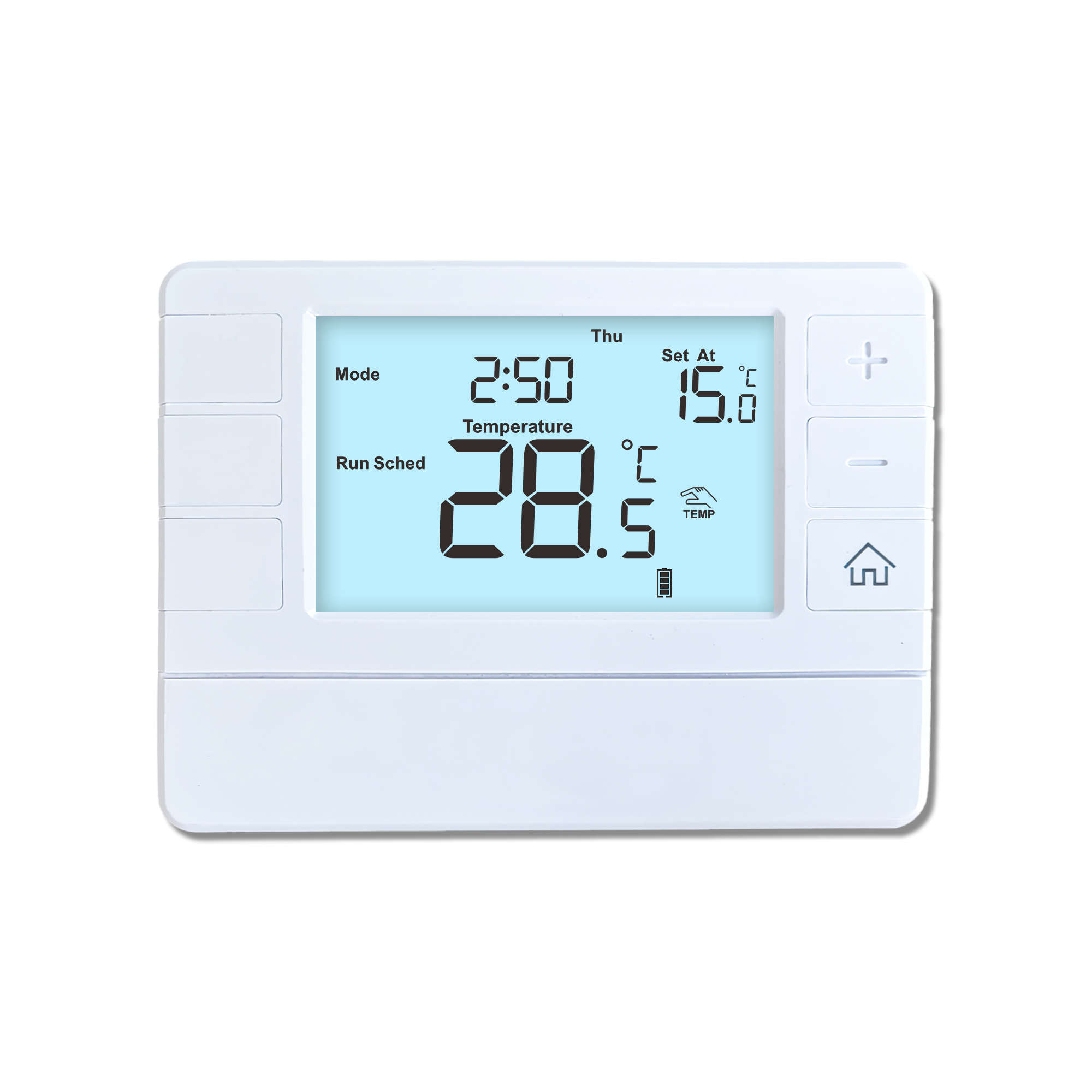
This shift has made traditional, manual thermostats obsolete, paving the way for advanced smart technologies.
Why You Need a Smart Thermostat
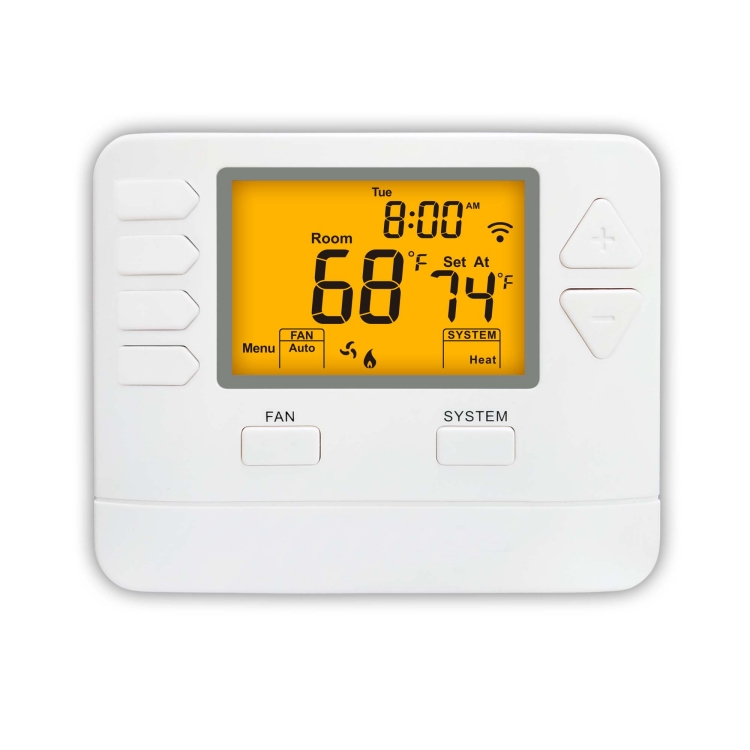
A true 7 Day programmable room thermostat offers the ultimate granular control. It allows users to program a distinct, customized heating and cooling schedule for every single day of the week.
How a 7 Day Programmable Room Thermostat Maximizes Home Comfort and Efficiency
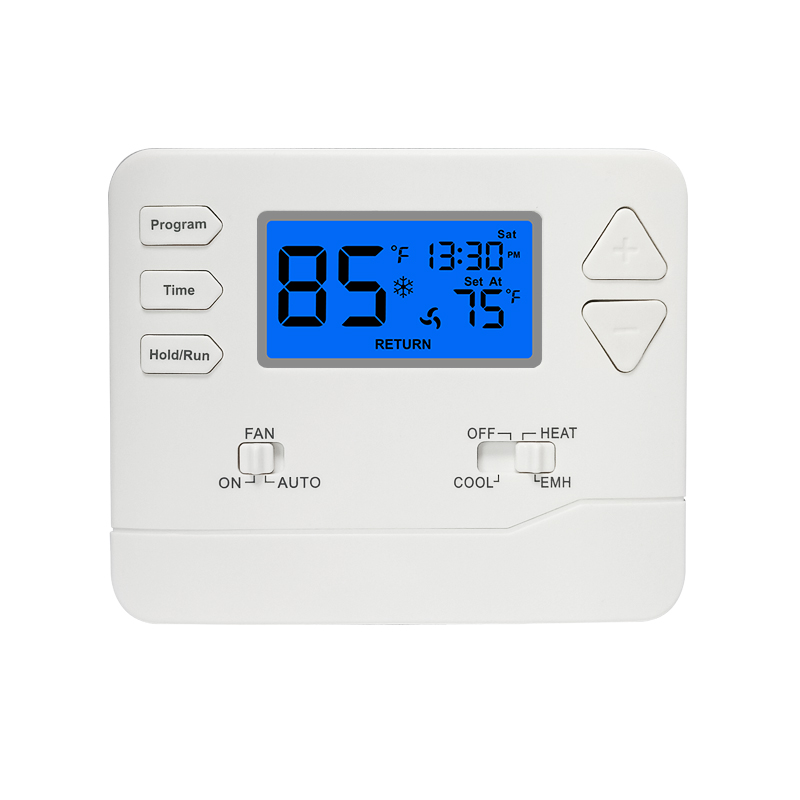
A premium Riseem thermostat is not just a digital display on your wall; it is the ultimate gatekeeper of your indoor environment.
Why a Quality Thermostat Is the Key to a More Comfortable Home
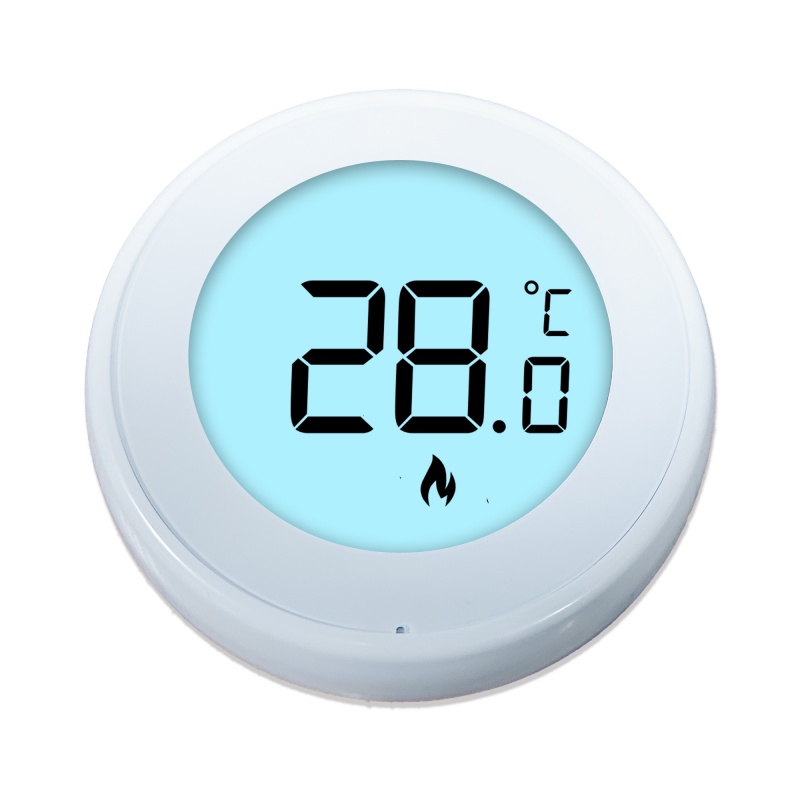
While the TUYA app provides the elegant interface, the physical thermostat remains the brain of the operation. Riseem has engineered a device that looks minimalist on your wall while delivering industrial-grade precision to your HVAC equipment.
Welcome to the Future of Home Automation The Ultimate Guide to TUYA WIFI Smart Thermostats