
how does an auto thermostat work
author: Bani
2025-05-28
How Does an Auto Thermostat Work? Unraveling the Mechanics of Home Temperature Control

In the quest for a comfortable living environment, the thermostat stands as a silent sentinel, maintaining the perfect temperature within our homes. Among the various types, auto thermostats have become increasingly popular for their convenience and efficiency. But how does an auto thermostat work? In this blog, we'll explore the inner workings of these essential devices, with insights from Ocean Controls Limited, a leading provider of advanced climate control solutions.
The Basics: Components of an Auto Thermostat
An auto thermostat is composed of several key components that work in harmony to regulate temperature. At its core, it features a temperature - sensing element, which can be a bimetallic strip, a thermistor, or a thermocouple. This element is responsible for detecting changes in the ambient temperature. Additionally, an auto thermostat includes a control circuit, display screen, and various electrical connections.
Ocean Controls Limited designs its auto thermostats with high - quality components to ensure accurate temperature sensing and reliable operation. For example, their thermistors are engineered to provide precise readings, enabling the thermostat to respond quickly to temperature fluctuations.
A1: The main function of the temperature - sensing element is to detect changes in the ambient temperature. It acts as the “eyes” of the thermostat, providing crucial information that allows the device to determine whether to turn on or off the heating or cooling system.
A2: While all components are essential, the temperature - sensing element is arguably the most important. Without accurate temperature detection, the thermostat won't be able to effectively control the heating or cooling system, leading to inconsistent indoor temperatures.
Temperature Sensing: The First Step in the Process
When it comes to how an auto thermostat works, temperature sensing is the foundation. As the temperature in the room changes, the temperature - sensing element reacts. For instance, in a bimetallic strip, two different metals bonded together expand and contract at different rates with temperature changes. This physical movement triggers a switch within the thermostat.
Ocean Controls Limited's auto thermostats often use digital thermistors. These thermistors change their electrical resistance in response to temperature variations. The control circuit then interprets these changes in resistance as temperature readings, allowing for highly accurate monitoring of the indoor environment.
A1: Digital thermistors change their electrical resistance as the temperature around them varies. The control circuit of the thermostat measures this change in resistance and converts it into a temperature reading, enabling the thermostat to “know” the current temperature.
A2: Inaccurate readings can occur if the temperature - sensing element is dirty, damaged, or not properly calibrated. Additionally, placing the thermostat in a location affected by direct sunlight, drafts, or heat sources can also lead to incorrect temperature measurements.

Comparing and Decision - Making: Reaching the Setpoint
Once the auto thermostat has sensed the temperature, it compares the current reading to the setpoint temperature that you've programmed. The setpoint is the desired temperature you want to maintain in your home. If the current temperature is below the setpoint for heating or above it for cooling, the thermostat's control circuit will send a signal to turn on the appropriate system.
Ocean Controls Limited's auto thermostats are designed with intelligent algorithms that can make these decisions quickly and accurately. Some models even have features that learn your temperature preferences over time, adjusting the setpoint automatically to optimize comfort and energy efficiency.
A1: If the current temperature matches the setpoint, the thermostat will keep the heating or cooling system in its current state. If the system was off, it will remain off; if it was on, it will continue running until the temperature deviates from the setpoint.
Q2: Do you think it's better to have a fixed setpoint or an auto - adjusting one? Why?
A2: A fixed setpoint provides consistency, while an auto - adjusting setpoint, like those in Ocean Controls Limited's advanced thermostats, can adapt to your lifestyle and save energy. The better option depends on your preferences and energy - saving goals.
Controlling the Heating and Cooling System
After the auto thermostat decides to activate the heating or cooling system, it sends electrical signals to the relevant components. For a heating system, it might send a signal to the furnace to start burning fuel or to a heat pump to initiate the heating cycle. In the case of a cooling system, it will signal the air conditioner compressor to turn on.
Ocean Controls Limited ensures that their auto thermostats have reliable electrical connections and communication protocols to effectively control a wide range of heating and cooling systems. Their products are compatible with various types of equipment, providing homeowners with flexibility in system choice.
A1: An auto thermostat communicates with the heating or cooling system through electrical wires. When it needs to turn the system on or off, it sends electrical signals through these wires to the appropriate components of the system, such as the furnace or air conditioner compressor.
Q2: Have you ever had an issue with your thermostat not properly controlling your heating or cooling system? What might be the cause?
A2: Issues can arise due to loose wire connections, a malfunctioning control circuit in the thermostat, or problems with the heating or cooling system itself. Sometimes, incorrect programming of the thermostat can also lead to improper control.

Monitoring and Adjusting: Maintaining the Ideal Temperature
Even after the heating or cooling system is running, the auto thermostat continues to monitor the temperature. As the temperature approaches the setpoint, the thermostat may adjust the operation of the system. For example, it might reduce the power output of the furnace or slow down the fan speed in an air conditioner to prevent overshooting the setpoint.
Ocean Controls Limited's auto thermostats offer features like variable - speed control and adaptive recovery. Variable - speed control allows for more precise adjustment of the heating or cooling system, while adaptive recovery learns how long it takes to reach the setpoint and starts the system in advance to ensure the desired temperature is achieved on time.
A1: Variable - speed control enables the thermostat to adjust the power or speed of the heating or cooling system based on the current temperature and the rate of change. This allows for more precise temperature regulation, avoiding large temperature swings and ensuring a more stable indoor environment.
A2: Adaptive recovery is very useful as it takes the guesswork out of when to start the heating or cooling system. It ensures that your home reaches the desired temperature at the right time, whether you're waking up in the morning or coming home from work, without wasting energy by running the system for longer than necessary.
Conclusion: The Intricate Dance of Auto Thermostats
In conclusion, understanding how does an auto thermostat work reveals the intricate process that goes into maintaining a comfortable home environment. From temperature sensing to system control and continuous monitoring, every step is crucial. With the innovative designs and technologies offered by Ocean Controls Limited, auto thermostats can provide accurate, efficient, and convenient temperature regulation.
Now that you know more about auto thermostats, we want to hear from you! Share your experiences with using auto thermostats, or ask any questions you still have in the comments below. Let's keep the conversation going and learn more about these amazing devices that keep our homes cozy all year round!


what does emh mean on a thermostat
how to wire water heater thermostat
Related Article
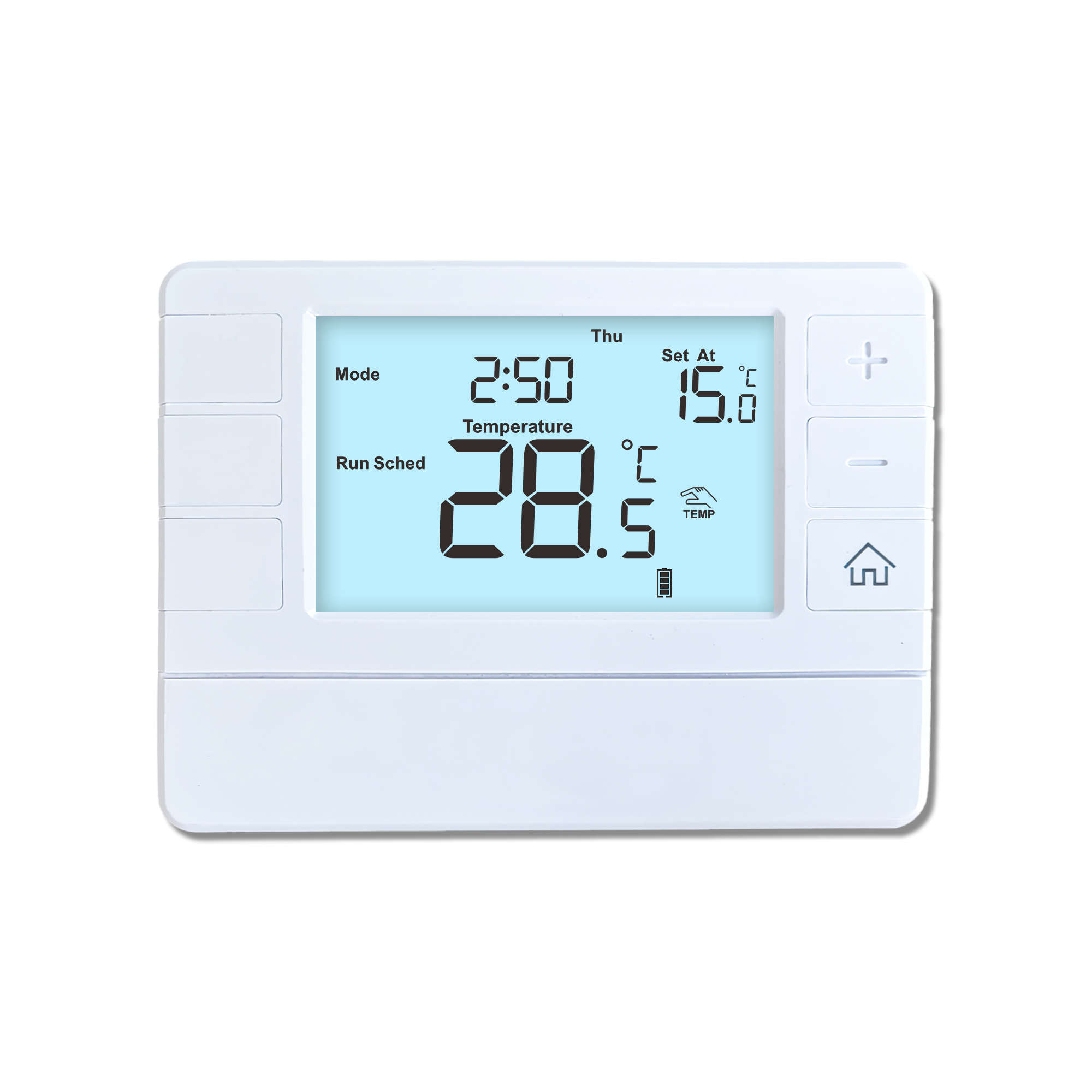
This shift has made traditional, manual thermostats obsolete, paving the way for advanced smart technologies.
Why You Need a Smart Thermostat
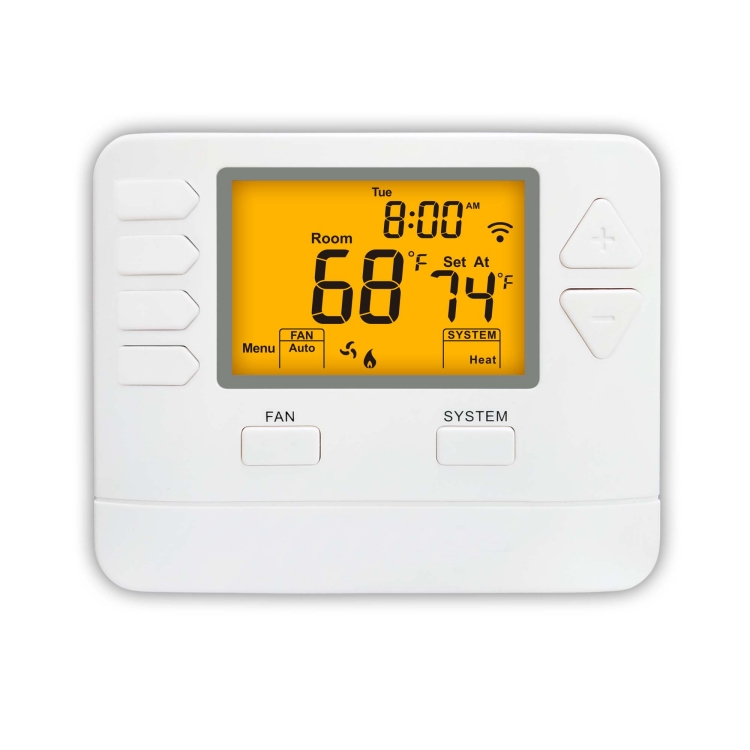
A true 7 Day programmable room thermostat offers the ultimate granular control. It allows users to program a distinct, customized heating and cooling schedule for every single day of the week.
How a 7 Day Programmable Room Thermostat Maximizes Home Comfort and Efficiency
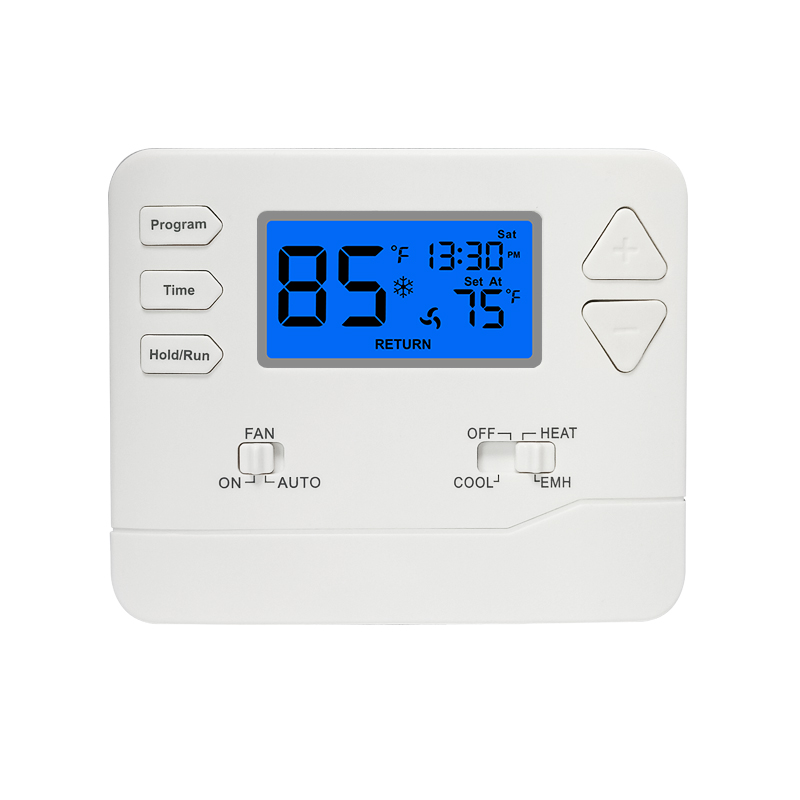
A premium Riseem thermostat is not just a digital display on your wall; it is the ultimate gatekeeper of your indoor environment.
Why a Quality Thermostat Is the Key to a More Comfortable Home
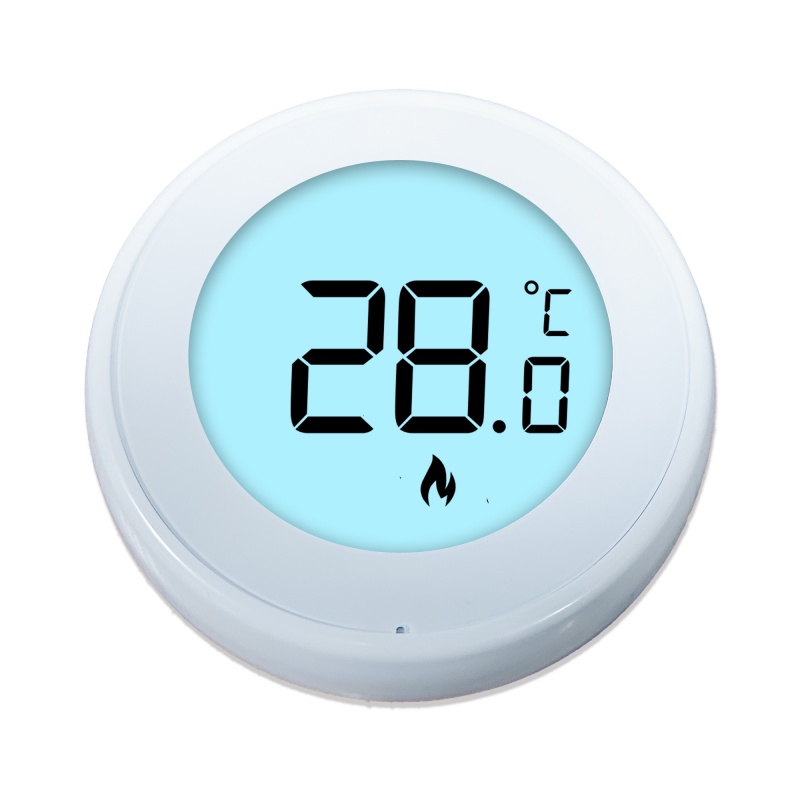
While the TUYA app provides the elegant interface, the physical thermostat remains the brain of the operation. Riseem has engineered a device that looks minimalist on your wall while delivering industrial-grade precision to your HVAC equipment.
Welcome to the Future of Home Automation The Ultimate Guide to TUYA WIFI Smart Thermostats