
How Electronic Thermostats Work
author: Lily
2025-03-11
How Electronic Thermostats Work
![{]()
In modern homes and various industrial settings, electronic thermostats play a crucial role in maintaining a comfortable and consistent temperature. These devices have replaced traditional mechanical thermostats due to their enhanced accuracy, flexibility, and energy - saving capabilities. Understanding how electronic thermostats work can help users make the most of their heating and cooling systems.
The Basics of Temperature Sensing

At the heart of an electronic thermostat is a temperature - sensing element. Most commonly, a thermistor is used for this purpose. A thermistor is a type of resistor whose electrical resistance changes with temperature. There are two main types: negative temperature coefficient (NTC) thermistors, where the resistance decreases as the temperature rises, and positive temperature coefficient (PTC) thermistors, with resistance increasing as the temperature goes up. In electronic thermostats, NTC thermistors are more prevalent.
When the ambient temperature around the thermostat changes, the resistance of the thermistor also changes. This change in resistance is then converted into an electrical signal. The thermostat's internal circuitry is designed to measure this change in resistance accurately. For example, if the temperature in a room starts to drop, the resistance of the NTC thermistor increases. This increase in resistance causes a corresponding change in the voltage across the thermistor, which the thermostat's control unit can detect.
The Control Circuit
The control circuit in an electronic thermostat is like its "brain." Once the temperature - sensing element (thermistor) generates an electrical signal based on the temperature change, this signal is sent to the control circuit. The control circuit compares the current temperature reading (represented by the signal from the thermistor) with the set - point temperature that the user has programmed into the thermostat.
The set - point temperature is the desired temperature that the user wants to maintain in the room or space. If the current temperature is lower than the set - point, the control circuit will send a signal to activate the heating system. Conversely, if the current temperature is higher than the set - point, the control circuit will send a signal to turn on the cooling system. This comparison and decision - making process occur very quickly, often within milliseconds, allowing for rapid response to temperature changes.
The control circuit also has additional features. For instance, it may incorporate hysteresis. Hysteresis is a mechanism that prevents the heating or cooling system from turning on and off too frequently. When the temperature reaches the set - point, the system doesn't immediately turn off. Instead, it continues to operate until the temperature has deviated by a small amount (either above or below the set - point depending on whether it's a heating or cooling cycle). This helps to extend the lifespan of the heating and cooling equipment and reduces energy consumption associated with constant cycling.
Actuators and System Activation
After the control circuit makes a decision based on the temperature comparison, it sends a signal to an actuator. The actuator is the component that actually controls the heating or cooling system. In the case of a heating system, the actuator may be a relay that switches on the furnace or boiler. When the control circuit sends a signal indicating that the temperature is too low, the relay closes, completing an electrical circuit that powers up the heating device.
For a cooling system, the actuator could be a contactor that starts the compressor in an air - conditioning unit. Once the control circuit determines that the temperature is above the set - point, it sends a signal to the contactor, which then activates the compressor, allowing the air - conditioning system to start cooling the space.
Applications in Different Settings
Electronic thermostats are widely used in residential, commercial, and industrial settings. In homes, they are used to control central heating and cooling systems, as well as room - specific heaters and air conditioners. They offer the convenience of programmable schedules. For example, users can set the thermostat to lower the temperature at night when they are sleeping or when they are away from home during the day, which helps to save energy.
In commercial buildings such as offices, hotels, and hospitals, electronic thermostats are used to regulate the temperature in large areas. They can be integrated into building management systems, allowing for centralized control and monitoring. This enables facility managers to optimize energy usage and ensure the comfort of occupants.
In industrial settings, electronic thermostats are used to control the temperature in manufacturing processes where precise temperature control is crucial. For example, in food production, maintaining the right temperature in storage areas and processing equipment is essential to ensure food safety and quality. In pharmaceutical manufacturing, strict temperature control is required during the production and storage of drugs.
In conclusion, electronic thermostats are complex yet highly efficient devices. Through their temperature - sensing capabilities, intelligent control circuits, and actuator - based system activation, they provide an effective means of maintaining optimal temperatures in a wide range of environments, contributing to energy efficiency, comfort, and proper functioning of various systems.


Home Thermostat Essentials
What is the best HVAC thermostat
Related Article
This shift has made traditional, manual thermostats obsolete, paving the way for advanced smart technologies.
Why You Need a Smart Thermostat
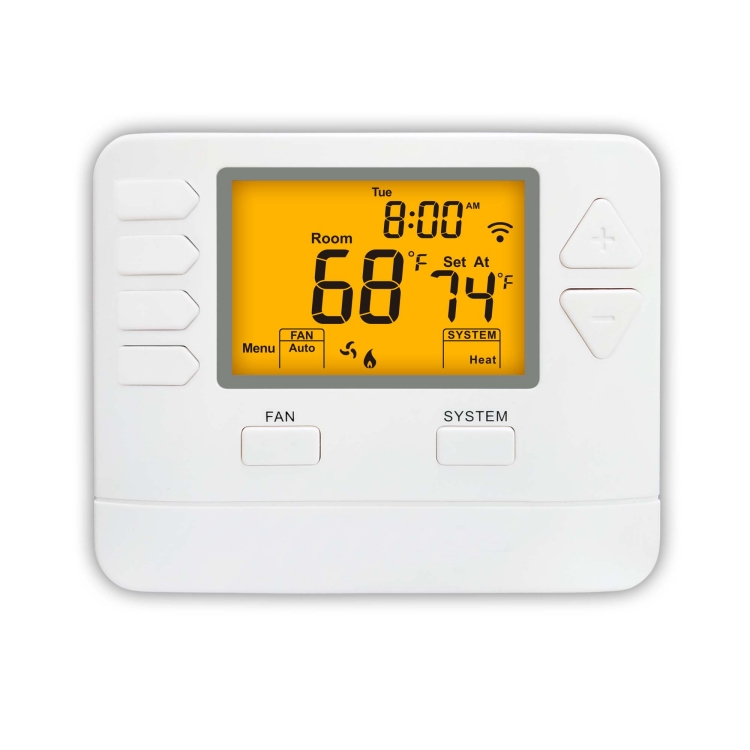
A true 7 Day programmable room thermostat offers the ultimate granular control. It allows users to program a distinct, customized heating and cooling schedule for every single day of the week.
How a 7 Day Programmable Room Thermostat Maximizes Home Comfort and Efficiency
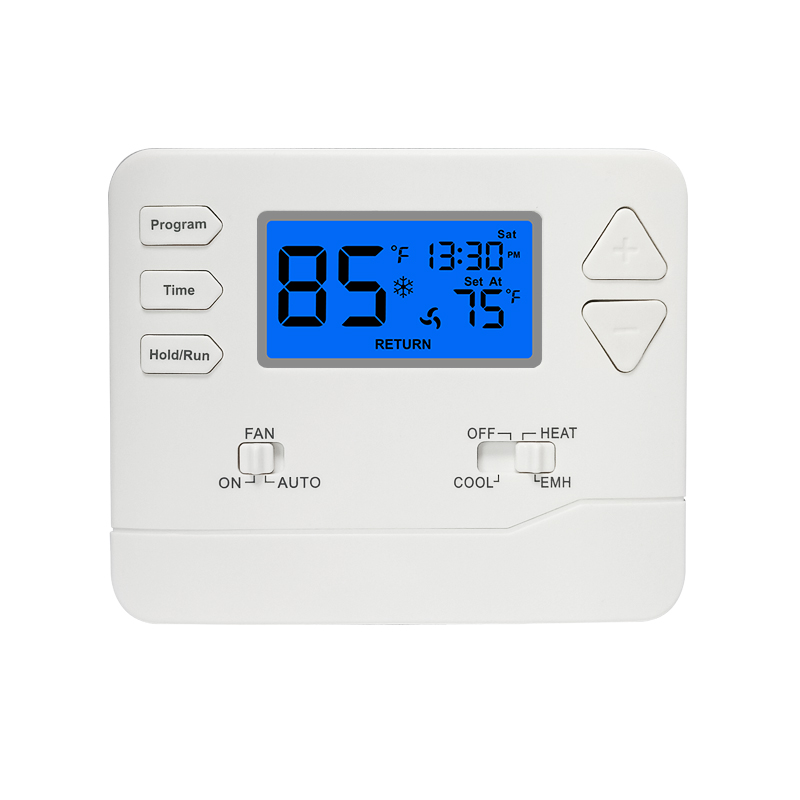
A premium Riseem thermostat is not just a digital display on your wall; it is the ultimate gatekeeper of your indoor environment.
Why a Quality Thermostat Is the Key to a More Comfortable Home
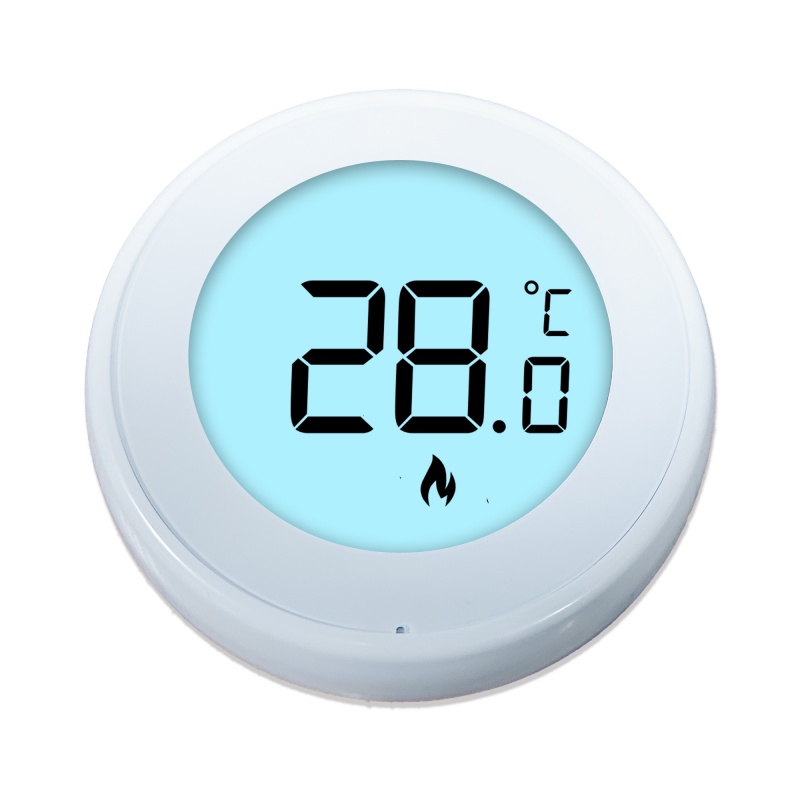
While the TUYA app provides the elegant interface, the physical thermostat remains the brain of the operation. Riseem has engineered a device that looks minimalist on your wall while delivering industrial-grade precision to your HVAC equipment.
Welcome to the Future of Home Automation The Ultimate Guide to TUYA WIFI Smart Thermostats