
how often change thermostat
author: Lily
2025-05-08
How Often Should You Change Your Thermostat?
The thermostat is a crucial component of your home’s heating, ventilation, and air conditioning (HVAC) system, acting as the control center that regulates temperature and ensures comfort. However, many homeowners often overlook the importance of maintaining and replacing this vital device. Knowing how often to change your thermostat can optimize energy efficiency, improve system performance, and save you money in the long run.


Factors Affecting Thermostat Replacement
Type of Thermostat
The lifespan of a thermostat largely depends on its type. Traditional mechanical thermostats, which rely on bimetallic strips to measure temperature, typically have a lifespan of 10 - 15 years. These older models may start to show signs of wear and tear over time, such as inaccurate temperature readings and inconsistent heating or cooling. On the other hand, digital non - programmable thermostats generally last around 10 years. Their electronic components can degrade with use, leading to issues like unresponsive controls or display malfunctions.
Smart thermostats, which have become increasingly popular in recent years, offer advanced features like Wi - Fi connectivity, remote access, and learning capabilities. While they are more durable due to their modern technology, they still have a lifespan of about 10 years. Software updates can sometimes extend their functionality, but hardware components may eventually fail.
Usage and Environment
The frequency of thermostat usage also plays a significant role. If your HVAC system runs constantly due to extreme weather conditions or high occupancy in your home, the thermostat will be in operation more often, potentially shortening its lifespan. Additionally, environmental factors can impact the thermostat. For example, thermostats installed in damp or dusty areas may experience more rapid degradation of their internal components.
Technological Advancements
The HVAC industry is constantly evolving, and new thermostat technologies are being developed to enhance energy efficiency and user convenience. Even if your current thermostat is still functioning, upgrading to a newer model, especially a smart thermostat, can offer significant benefits. Smart thermostats can learn your daily routines and adjust the temperature accordingly, reducing energy consumption by up to 10 - 15%. As energy - saving regulations become more stringent, older thermostat models may no longer meet the required efficiency standards, making replacement necessary.
Signs It’s Time to Change Your Thermostat
Inaccurate Temperature Readings
One of the most obvious signs that your thermostat needs replacement is when it provides inaccurate temperature readings. If your home feels much warmer or cooler than the temperature set on the thermostat, it’s likely that the device’s sensors have become faulty. This can lead to your HVAC system working harder than necessary, resulting in higher energy bills.
Frequent Cycling
If your heating or cooling system turns on and off more frequently than usual, it could be a sign of a malfunctioning thermostat. A properly functioning thermostat should maintain a stable temperature and cycle the HVAC system on and off at appropriate intervals. Excessive cycling can put additional strain on your HVAC system and increase maintenance costs.
Unresponsive Controls
When the buttons or touchscreen of your thermostat become unresponsive, or if the display is dim or blank, it’s a clear indication that the device is failing. These issues can make it difficult or impossible to control your home’s temperature, leaving you uncomfortable and potentially causing damage to your HVAC system.
Recommended Replacement Intervals
For mechanical thermostats, it’s advisable to consider replacement every 10 - 15 years, or as soon as you notice signs of malfunction. Digital non - programmable thermostats should be replaced every 10 years. Smart thermostats, while more advanced, should also be replaced around the 10 - year mark, or when new technological advancements make upgrading worthwhile.
In conclusion, regularly assessing the condition of your thermostat and knowing when to replace it is essential for maintaining a comfortable and energy - efficient home. By understanding the factors that affect thermostat lifespan and recognizing the signs of a failing device, you can make informed decisions about replacement and ensure the optimal performance of your HVAC system.


thermostat not turning on ac
thermostat wiring for heat pump
Related Article
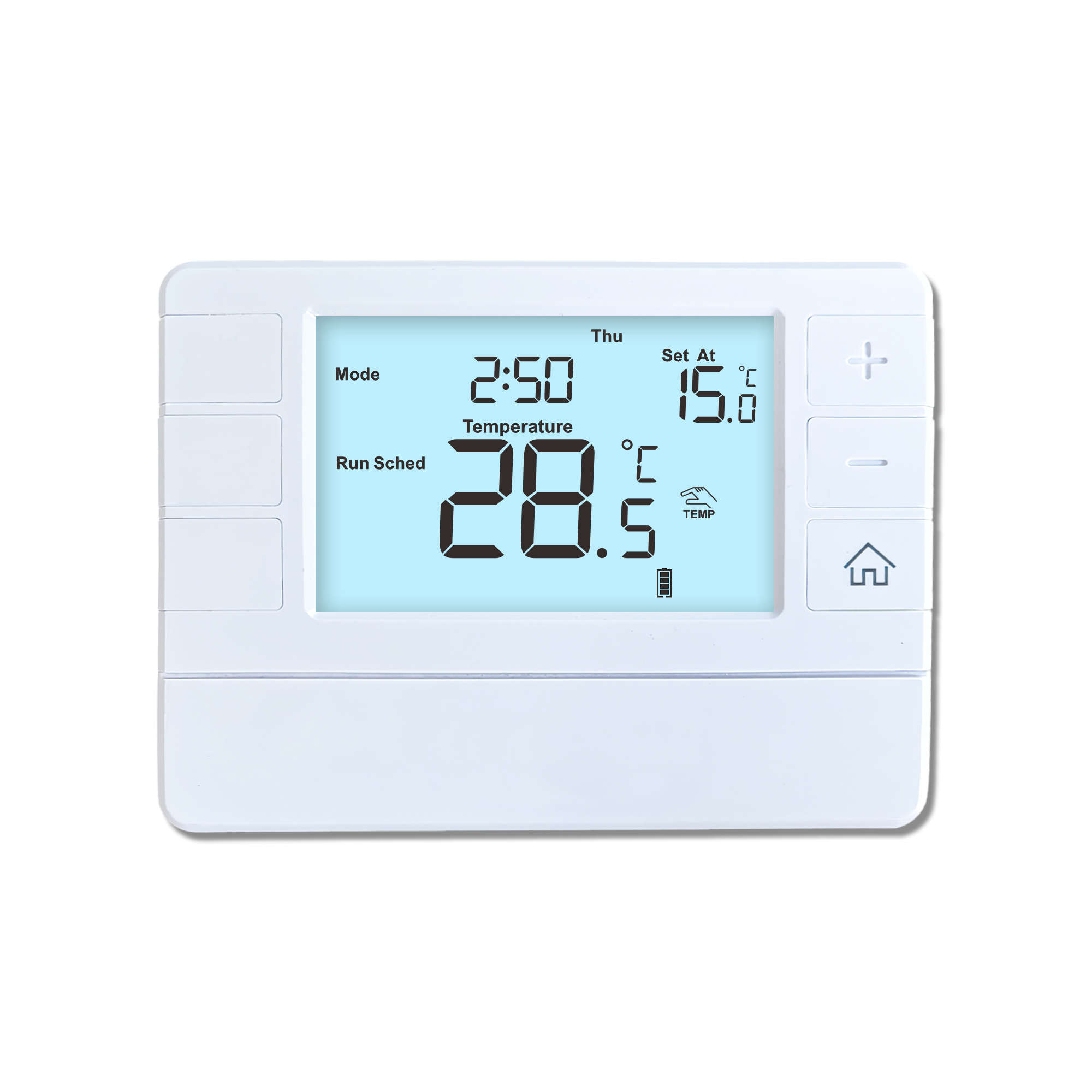
This shift has made traditional, manual thermostats obsolete, paving the way for advanced smart technologies.
Why You Need a Smart Thermostat
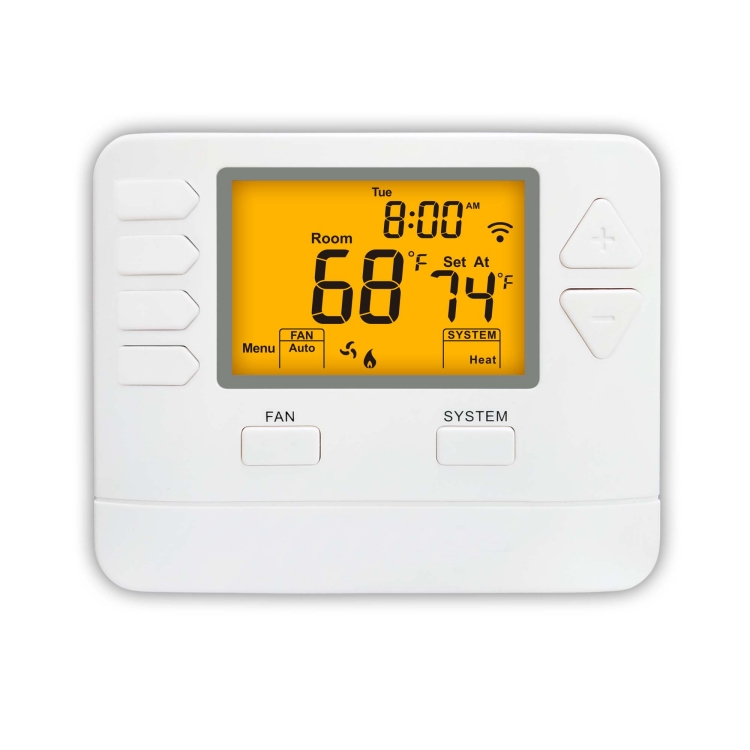
A true 7 Day programmable room thermostat offers the ultimate granular control. It allows users to program a distinct, customized heating and cooling schedule for every single day of the week.
How a 7 Day Programmable Room Thermostat Maximizes Home Comfort and Efficiency
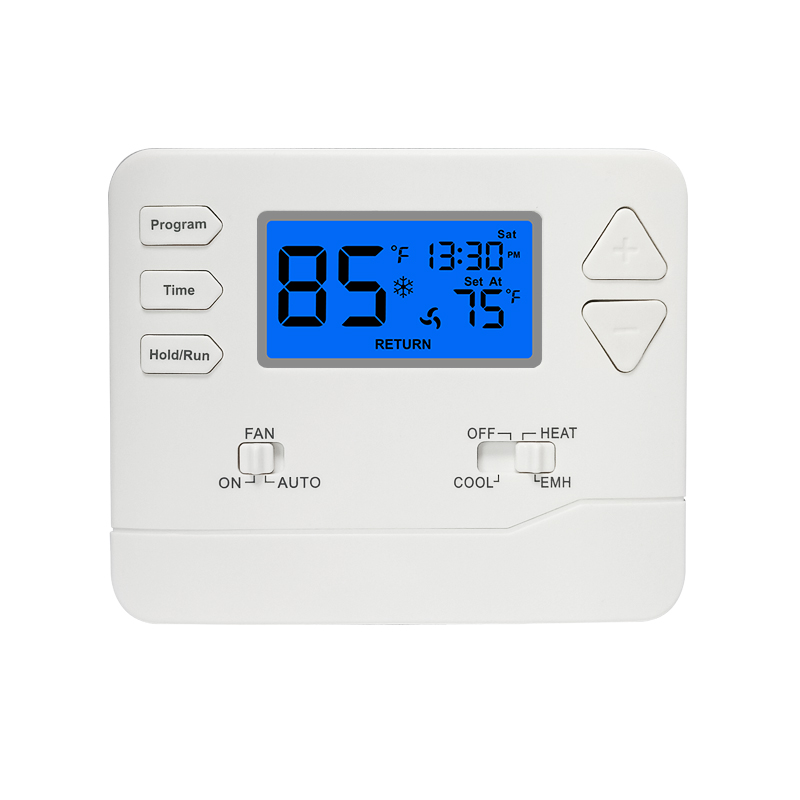
A premium Riseem thermostat is not just a digital display on your wall; it is the ultimate gatekeeper of your indoor environment.
Why a Quality Thermostat Is the Key to a More Comfortable Home
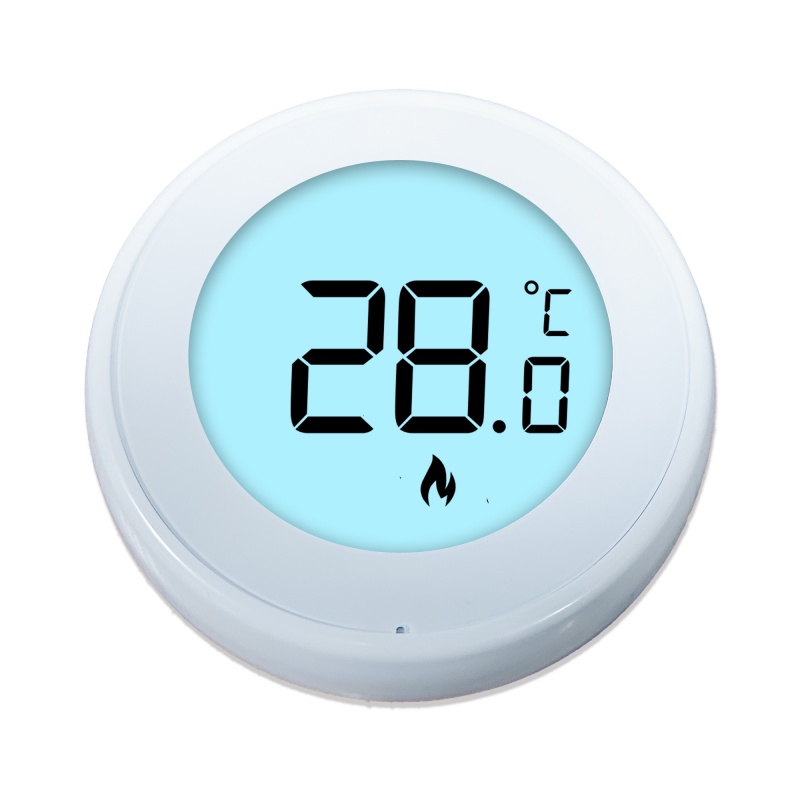
While the TUYA app provides the elegant interface, the physical thermostat remains the brain of the operation. Riseem has engineered a device that looks minimalist on your wall while delivering industrial-grade precision to your HVAC equipment.
Welcome to the Future of Home Automation The Ultimate Guide to TUYA WIFI Smart Thermostats