
how thermostat works
author: Bani
2025-04-10
How Thermostat Works

Introduction
A Thermostat is a vital device in maintaining a comfortable indoor temperature. It plays a crucial role in regulating heating and cooling systems. Ocean Controls Limited, a well - known name in the industry, offers thermostats with advanced working mechanisms. This blog will explore how a thermostat functions, with a focus on Ocean Controls Limited's products.
Temperature Detection
Sensor Technology
At the heart of a Thermostat is a temperature sensor. Most thermostats, including those from Ocean Controls Limited, use thermistors. A thermistor is a resistor whose resistance changes with temperature. As the ambient temperature around the thermostat fluctuates, the resistance of the thermistor varies. For example, in a warmer environment, the resistance of a negative temperature coefficient (NTC) thermistor decreases. This change in resistance is then converted into an electrical signal. Ocean Controls Limited's sensors are designed to be highly sensitive, capable of detecting even minor temperature changes.
Sensor Placement
The placement of the temperature sensor within the thermostat is critical. It should be located in an area that represents the average temperature of the room. Placing it near heat sources like radiators, direct sunlight, or in drafty areas can lead to inaccurate readings. Ocean Controls Limited provides clear guidelines on the ideal placement of their thermostats to ensure reliable temperature detection.

Signal Processing
Converting Temperature Data
Once the sensor generates an electrical signal based on the temperature, this signal needs to be processed. The thermostat's internal circuitry converts the raw sensor data into a meaningful temperature value. Ocean Controls Limited's thermostats use sophisticated algorithms to perform this conversion accurately, ensuring that the temperature readings are reliable.
Comparing with Setpoint
The processed temperature value is then compared to the setpoint temperature, which is the temperature you desire in the room. If the measured temperature is lower than the setpoint in heating mode, or higher in cooling mode, the thermostat will take action to adjust the temperature.
Controlling the Heating or Cooling System
Sending Signals
When the thermostat determines that the room temperature needs to be adjusted, it sends signals to the heating or cooling system. In heating mode, if the temperature is too low, the thermostat sends a signal to activate the heating system, such as a furnace or a heat pump. In cooling mode, when the temperature is too high, it signals the air - conditioning unit to start. Ocean Controls Limited's thermostats are designed to send these signals precisely, ensuring efficient operation of the HVAC system.
Fan Control
Some thermostats, including those from Ocean Controls Limited, can also control the fan in the heating or cooling system. The fan can be set to run continuously to improve air circulation or only when the heating or cooling system is operating. This additional control feature helps in maintaining a more even temperature distribution in the room.
Advanced Features
Ocean Controls Limited offers thermostats with advanced features. Their smart thermostats can be connected to a home network, allowing for remote control via a mobile app. You can adjust the temperature settings even when you're away from home. Additionally, some of their thermostats can learn your temperature preferences over time and automatically adjust the settings for optimal comfort and energy savings.
Quality and Reliability
The company is committed to providing high - quality thermostats. Ocean Controls Limited's thermostats are manufactured using durable materials and undergo rigorous quality - control processes. Their reliable operation ensures that the temperature control in your home is consistent and accurate.

Installation and Maintenance
Proper Installation
Installing a thermostat correctly is essential for its proper functioning. Ocean Controls Limited provides detailed installation instructions. The thermostat should be mounted on an interior wall, away from sources of interference. A proper installation ensures that the temperature sensor can accurately detect the ambient temperature.
Regular Maintenance
Regular maintenance, such as checking for loose connections and ensuring the sensor is clean, helps keep the thermostat in good working condition. Ocean Controls Limited also offers software updates for their smart thermostats, which can improve performance and add new features.


Conclusion
A Thermostat is a complex yet user - friendly device that combines temperature detection, signal processing, and system control. Ocean Controls Limited's thermostats, with their advanced features and reliable performance, offer an excellent solution for maintaining a comfortable indoor environment. By understanding how a thermostat works and following proper installation and maintenance procedures, you can make the most of this essential home device.
how to install a smart thermostat
how to know if the thermostat is bad
Related Article
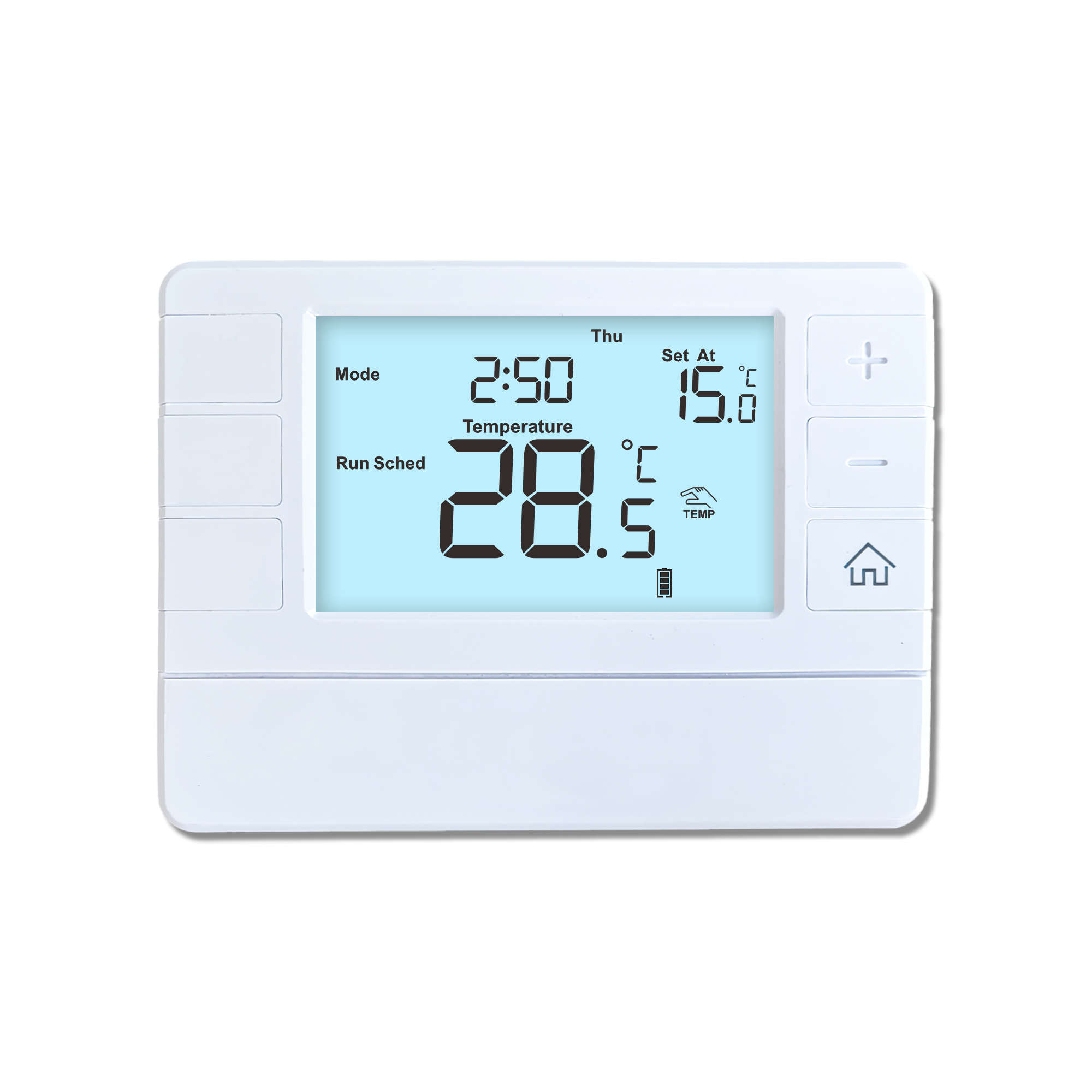
This shift has made traditional, manual thermostats obsolete, paving the way for advanced smart technologies.
Why You Need a Smart Thermostat
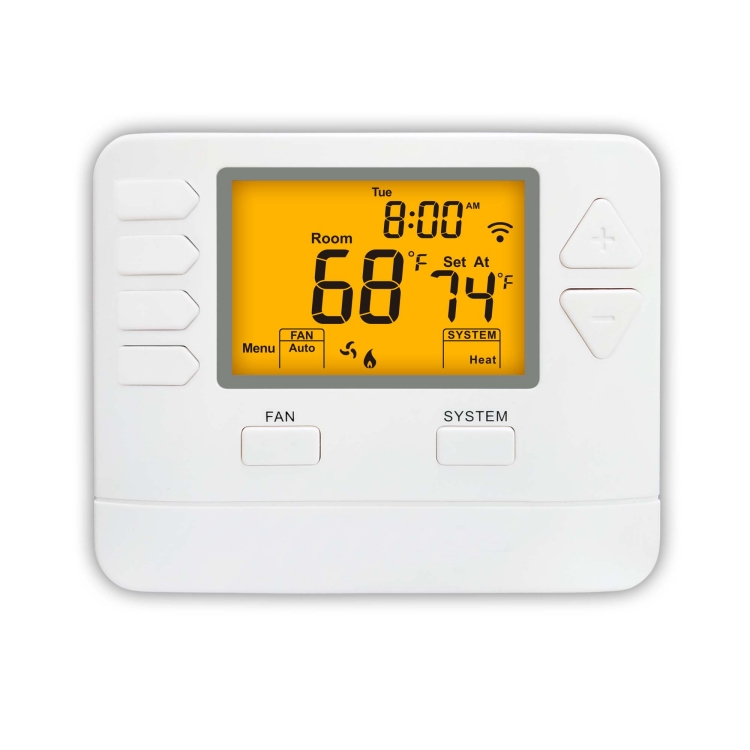
A true 7 Day programmable room thermostat offers the ultimate granular control. It allows users to program a distinct, customized heating and cooling schedule for every single day of the week.
How a 7 Day Programmable Room Thermostat Maximizes Home Comfort and Efficiency
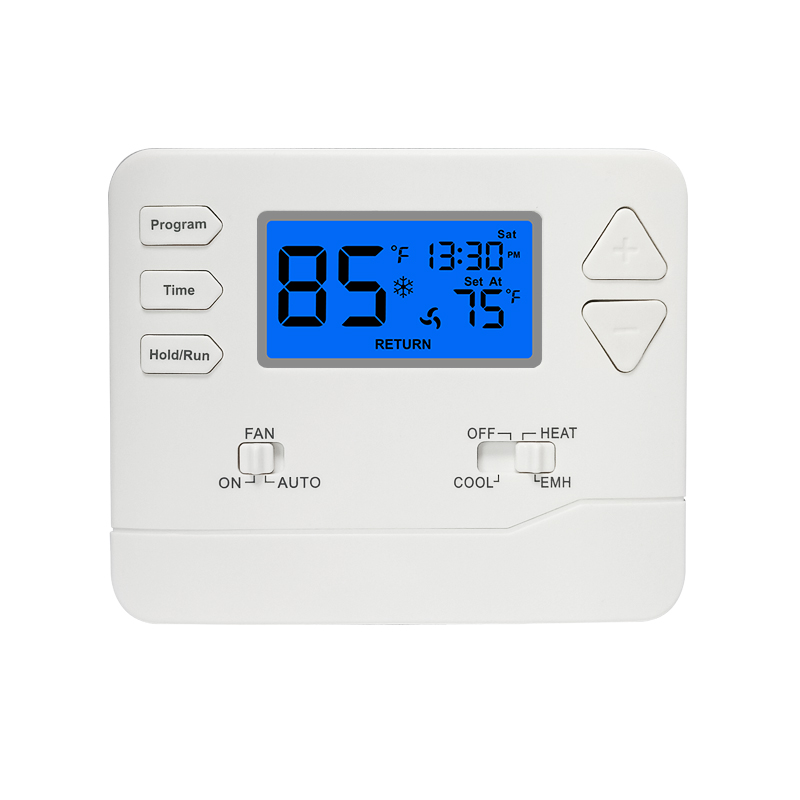
A premium Riseem thermostat is not just a digital display on your wall; it is the ultimate gatekeeper of your indoor environment.
Why a Quality Thermostat Is the Key to a More Comfortable Home
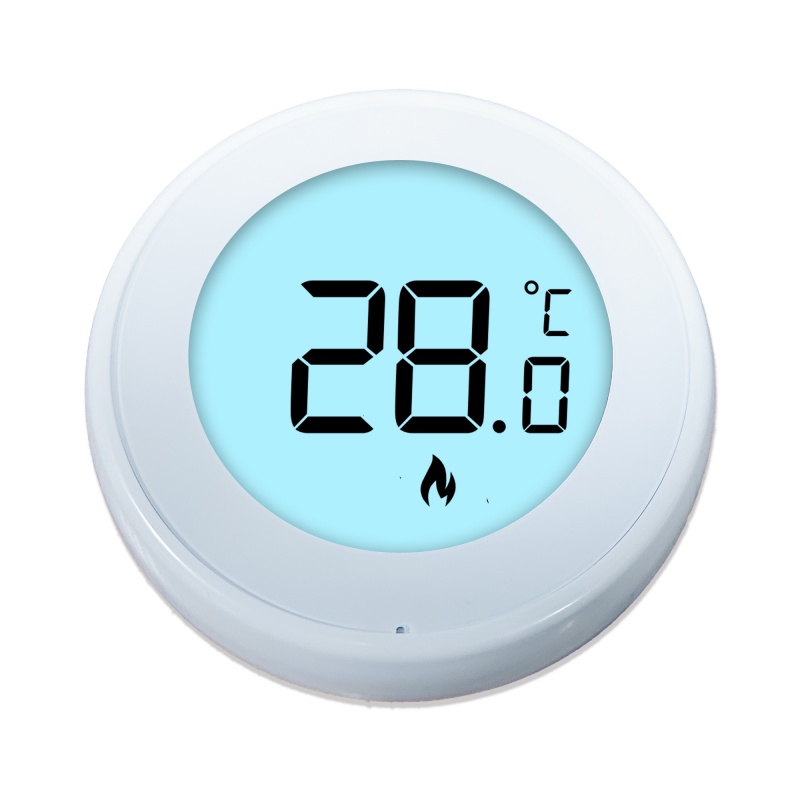
While the TUYA app provides the elegant interface, the physical thermostat remains the brain of the operation. Riseem has engineered a device that looks minimalist on your wall while delivering industrial-grade precision to your HVAC equipment.
Welcome to the Future of Home Automation The Ultimate Guide to TUYA WIFI Smart Thermostats