
how to calibrate thermostat
author: Somi
2025-04-03
How to Calibrate a Thermostat
1. Introduction
A properly calibrated thermostat is essential for maintaining a comfortable and energy-efficient indoor environment. Whether you've noticed temperature discrepancies or simply want to ensure your thermostat is performing at its best, this guide, with insights from Ocean Controls Limited, will walk you through the calibration process step by step.
2. Understanding the Need for Calibration
Temperature Inaccuracies
Over time, thermostats can drift from their accurate settings. You might set your thermostat to 72°F, but the room feels noticeably warmer or cooler. This can be due to factors like sensor wear, electrical interference, or changes in the environment. A mis-calibrated thermostat can lead to unnecessary energy consumption as your heating or cooling system works overtime to reach the “wrong” target temperature.

Importance for Comfort and Efficiency
When your thermostat is calibrated correctly, it ensures that your HVAC (Heating, Ventilation, and Air Conditioning) system responds appropriately. This means you'll enjoy consistent comfort levels and potentially lower utility bills, as the system won't be running when it doesn't need to. Ocean Controls Limited emphasizes the significance of calibration in optimizing the performance of their thermostats.
3. Tools and Materials You'll Need
Basic Tools
You won't need an elaborate toolkit. A simple screwdriver, preferably one with interchangeable heads to fit different screw sizes on your thermostat, is a must. You may also require a thermometer, preferably a digital one with high accuracy. This will be used to compare the thermostat's reading with the actual room temperature.

Optional Accessories
Some thermostats, especially those from Ocean Controls Limited, come with calibration kits or accessories. Check your thermostat's manual to see if there are any specific items recommended for calibration. In some cases, you might need a small jumper wire or a calibration adjustment tool provided by the manufacturer.
4. Preparing for Calibration
Know Your Thermostat Model
Before you start, identify the model of your thermostat. Different models from Ocean Controls Limited and other manufacturers may have slightly different calibration procedures. Look for the model number, usually printed on the back or side of the thermostat, and consult the user manual. The manual will have detailed instructions specific to your device.
Ensure Stable Environmental Conditions
To get an accurate calibration, it's crucial to have stable environmental conditions. Close doors and windows to prevent drafts that could affect the temperature reading. Avoid having heat sources (like a space heater) or cooling sources (such as an open fridge door) near the thermostat. This will give you a more reliable baseline temperature to work with.
5. The Calibration Process
Accessing the Calibration Settings
On most thermostats, you'll need to remove the cover. This is usually done by unscrewing a few screws or gently prying off a snap-on cover. Once the cover is off, look for a calibration button, dial, or menu option. With Ocean Controls Limited thermostats, it could be a dedicated “Cal” button or a series of steps within the settings menu. Follow the instructions in the manual to enter the calibration mode.
Adjusting the Temperature Offset
Using your accurate thermometer, measure the actual room temperature. Compare this reading with the temperature displayed on the thermostat. If there's a difference, use the calibration controls to adjust the temperature offset. For example, if the thermometer reads 70°F and the thermostat shows 72°F, you'll need to set a -2°F offset. Make small adjustments and recheck the readings until the thermostat matches the actual room temperature as closely as possible.
Saving the Calibration Settings
Once you're satisfied with the calibration, save the settings. This might involve pressing a “Save” button or exiting the calibration menu in a specific way. Refer to your thermostat's manual to ensure the settings are properly saved. Some thermostats will automatically save the changes, while others require a manual confirmation step.
6. Testing the Calibration
Monitor Temperature Changes
After calibration, set your thermostat to a target temperature and observe how your HVAC system responds. Does it turn on and off at the appropriate times? Does the room temperature stabilize at the set level? Keep an eye on the thermostat display and the actual temperature in the room over the next few hours.
Make Further Adjustments if Needed
If you notice any discrepancies during the testing phase, you may need to repeat the calibration process. Small changes in the environment or inaccuracies in your initial calibration can sometimes require a second pass. Don't be afraid to fine-tune the settings until you achieve the perfect calibration.
By following these steps, you can ensure that your thermostat, especially those from Ocean Controls Limited, is calibrated accurately, providing you with optimal comfort and energy efficiency. Regular calibration can prolong the life of your thermostat and keep your home's climate control system running smoothly.


how to wire a room thermostat
what does hold mean on a thermostat
Related Article
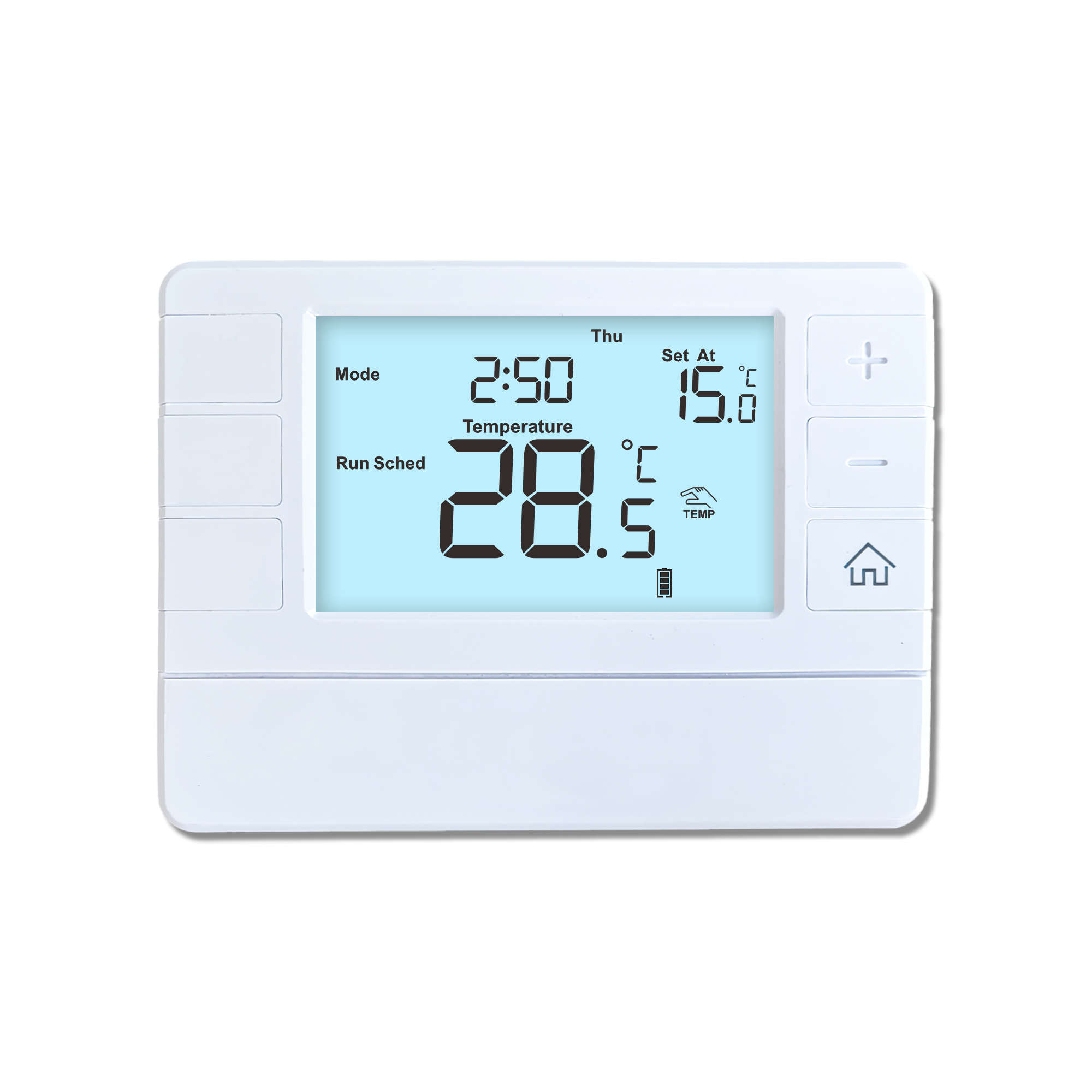
This shift has made traditional, manual thermostats obsolete, paving the way for advanced smart technologies.
Why You Need a Smart Thermostat
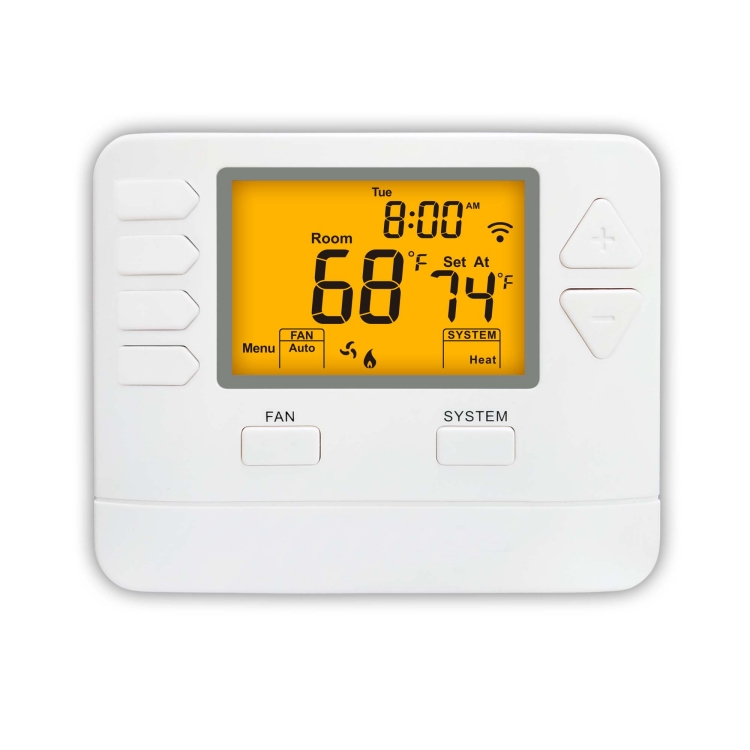
A true 7 Day programmable room thermostat offers the ultimate granular control. It allows users to program a distinct, customized heating and cooling schedule for every single day of the week.
How a 7 Day Programmable Room Thermostat Maximizes Home Comfort and Efficiency
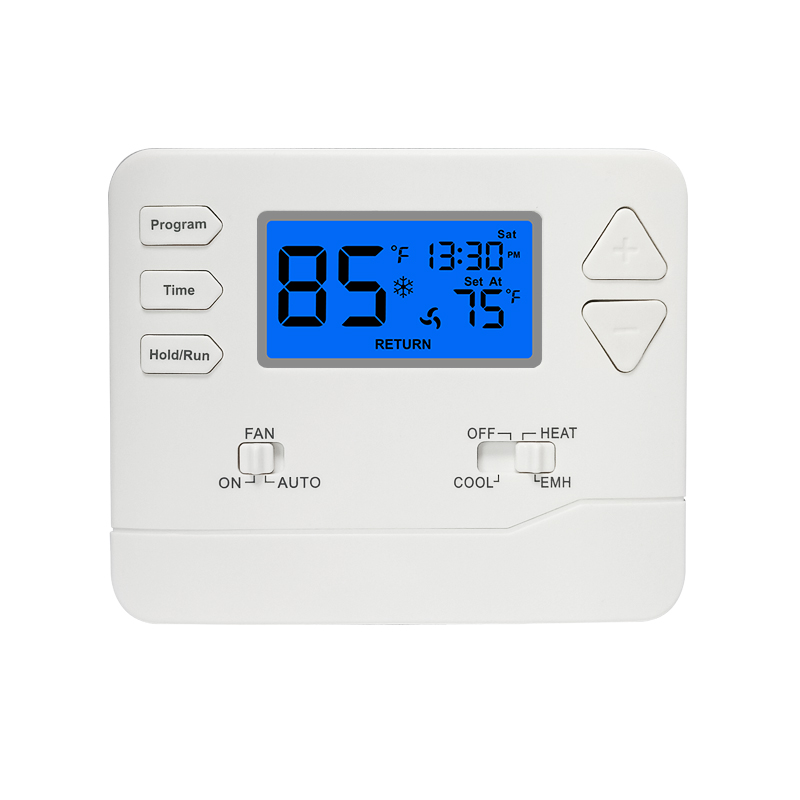
A premium Riseem thermostat is not just a digital display on your wall; it is the ultimate gatekeeper of your indoor environment.
Why a Quality Thermostat Is the Key to a More Comfortable Home
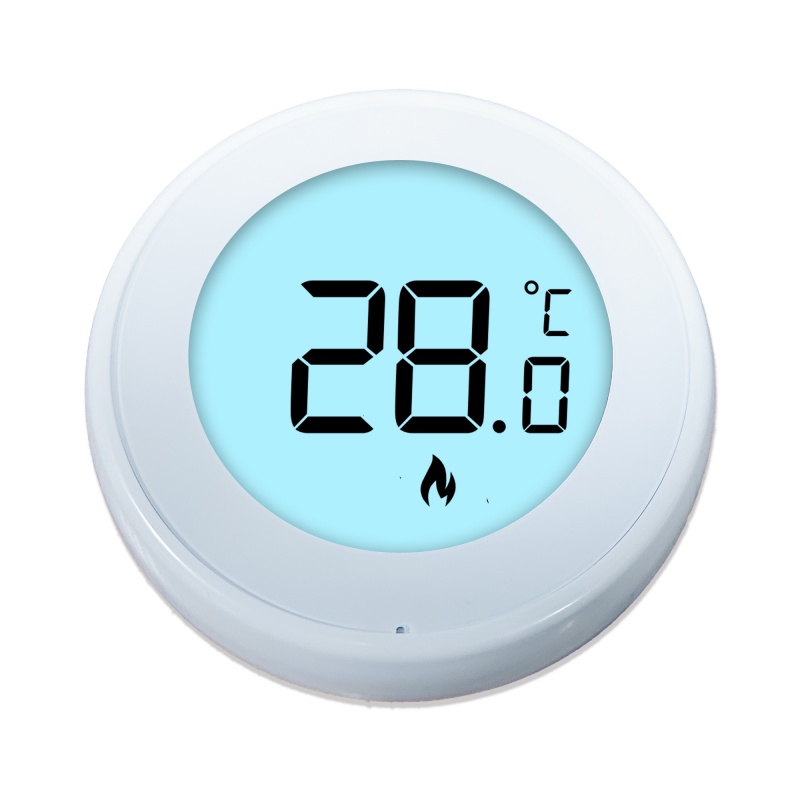
While the TUYA app provides the elegant interface, the physical thermostat remains the brain of the operation. Riseem has engineered a device that looks minimalist on your wall while delivering industrial-grade precision to your HVAC equipment.
Welcome to the Future of Home Automation The Ultimate Guide to TUYA WIFI Smart Thermostats