
How to choose an indoor heater with a thermostat that suits you
author: Lily
2025-03-24
How to Choose an Indoor Heater with a Thermostat That Suits You
Consider the Space Size
The first crucial step in selecting an appropriate indoor heater is to assess the size of the space you intend to heat. For small rooms, like a compact bedroom or a cozy study, a small - capacity heater with a lower wattage, perhaps around 1000 - 1500 watts, can be sufficient. It can quickly warm up the limited area without consuming excessive energy. On the other hand, larger living rooms or open - plan areas demand a more powerful heater. A heater with 2000 - 3000 watts might be necessary to effectively distribute heat across the expanse. If you choose a heater that is too small for a large space, it will struggle to raise the temperature, and if it's too large for a small space, it may cause overheating and unnecessary energy waste.
Heating Efficiency
Heating efficiency is another key factor. Look for heaters with advanced heating technologies. For example, infrared heaters are known for their high efficiency as they directly heat objects and people in the room rather than heating the air around them first. Ceramic heaters are also popular due to their fast - heating capabilities and relatively high energy efficiency. Compare the energy consumption ratings of different models. Heaters with higher energy - efficiency ratios will not only save you money on your electricity bill in the long run but also contribute to a more sustainable lifestyle. Additionally, some heaters come with features like oscillating functions, which help to spread the heat more evenly throughout the room, enhancing the overall heating efficiency.
Thermostat Features
Since we are specifically looking for a heater with a thermostat, pay close attention to the thermostat's functionality. A good thermostat should be able to accurately sense the room temperature. Digital thermostats are generally more precise than analog ones, allowing you to set the desired temperature within a narrow range, often to the nearest degree. Some thermostats also come with programmable features. This is extremely useful if you have a regular schedule. You can program the heater to turn on and off at specific times, ensuring that the room is warm when you need it and saving energy when you don't. For instance, you can set it to heat up the bedroom 30 minutes before you go to sleep and turn off a few hours after you wake up.
Safety Considerations
Safety should never be overlooked when choosing an indoor heater. Look for heaters with multiple safety features. Overheat protection is a must. This feature automatically shuts off the heater when it reaches an unsafe temperature, preventing the risk of fire. Tip - over switches are also very important, especially for portable heaters. If the heater gets knocked over, the switch will turn off the power immediately, reducing the chance of an accident. Some models also have cool - to - touch exteriors, which is great if there are children or pets in the house, minimizing the risk of burns from accidental contact.
Noise Level
If you plan to use the heater in a quiet environment, such as a bedroom or a library, the noise level of the heater is an important consideration. Some heaters, especially those with fans, can produce a significant amount of noise while operating. Look for models that are specifically designed to be quiet. Some heaters use advanced fan - motor technologies to reduce noise during operation. Reading product reviews can be helpful in getting an idea of how noisy a particular heater model is in real - world use.
By carefully considering these aspects - space size, heating efficiency, thermostat features, safety, and noise level - you can make an informed decision and choose an indoor heater with a thermostat that perfectly suits your needs, keeping you warm and comfortable throughout the cold months.


What functions does the Danfoss room thermostat have
How do I connect Alexa to my thermostat
Related Article
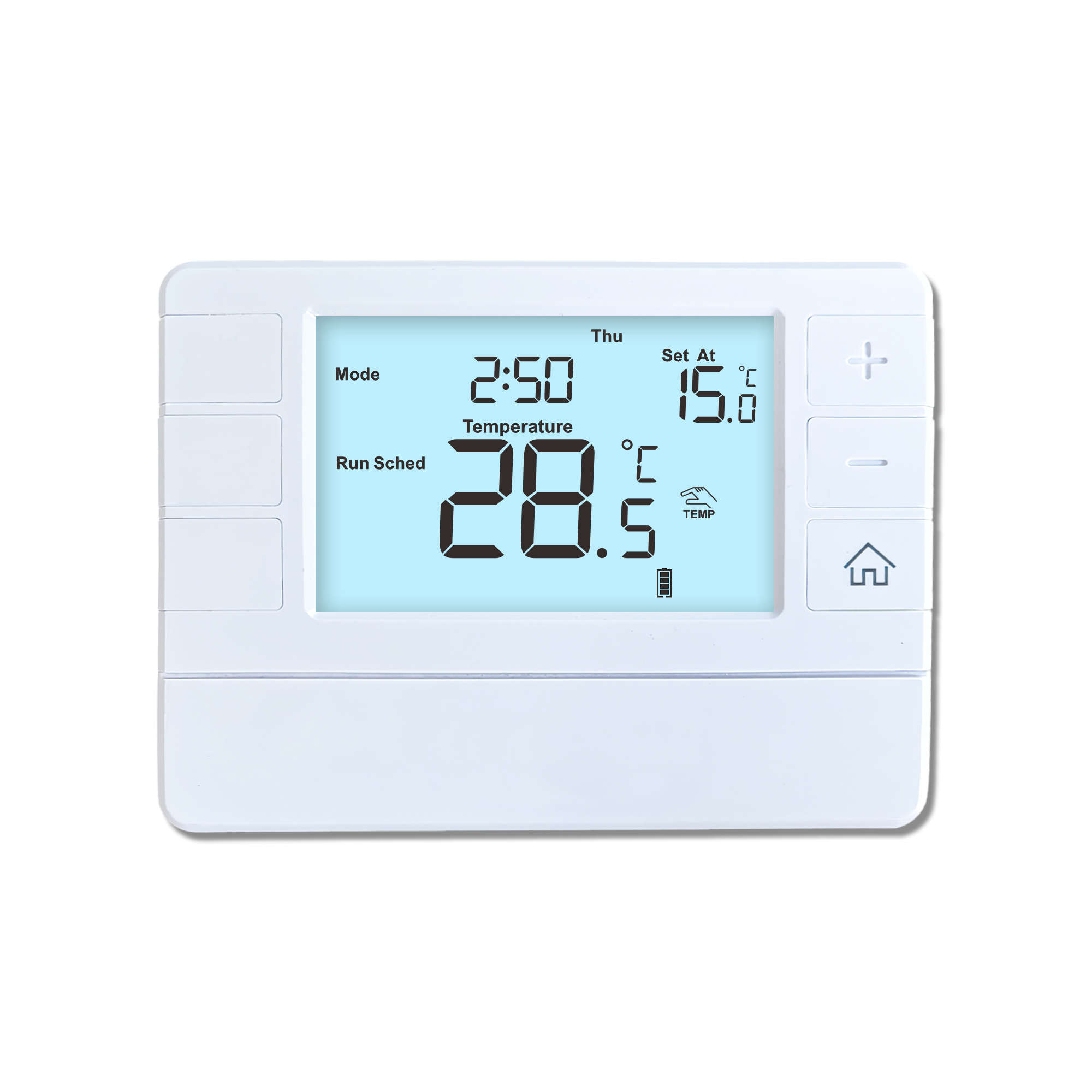
This shift has made traditional, manual thermostats obsolete, paving the way for advanced smart technologies.
Why You Need a Smart Thermostat
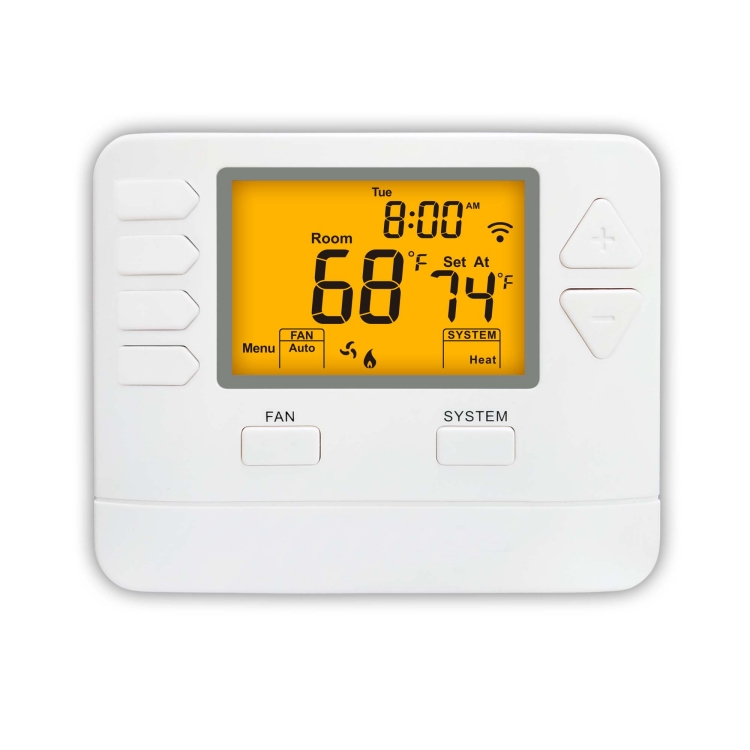
A true 7 Day programmable room thermostat offers the ultimate granular control. It allows users to program a distinct, customized heating and cooling schedule for every single day of the week.
How a 7 Day Programmable Room Thermostat Maximizes Home Comfort and Efficiency
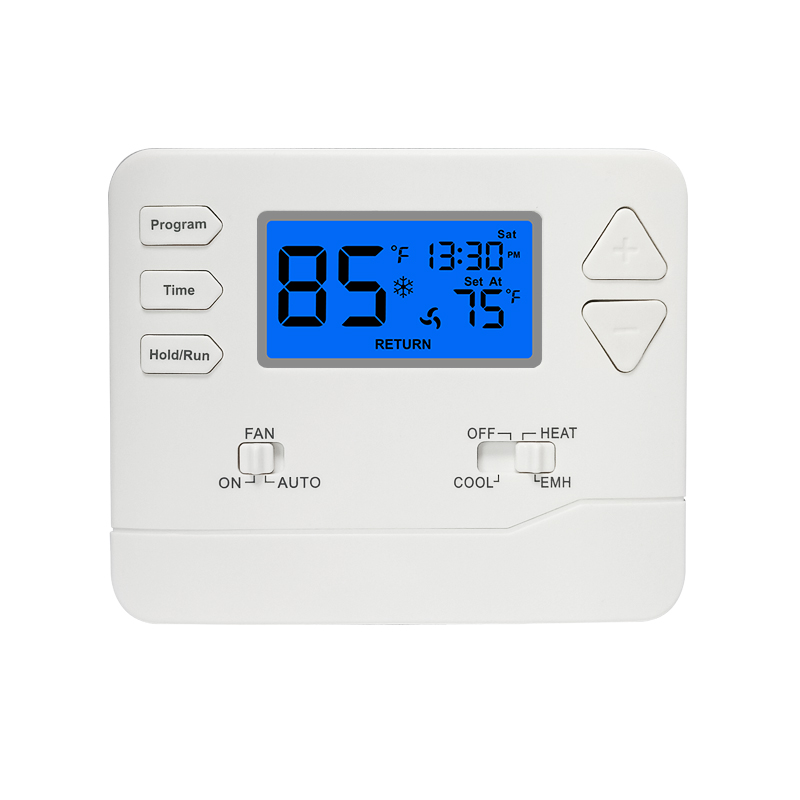
A premium Riseem thermostat is not just a digital display on your wall; it is the ultimate gatekeeper of your indoor environment.
Why a Quality Thermostat Is the Key to a More Comfortable Home
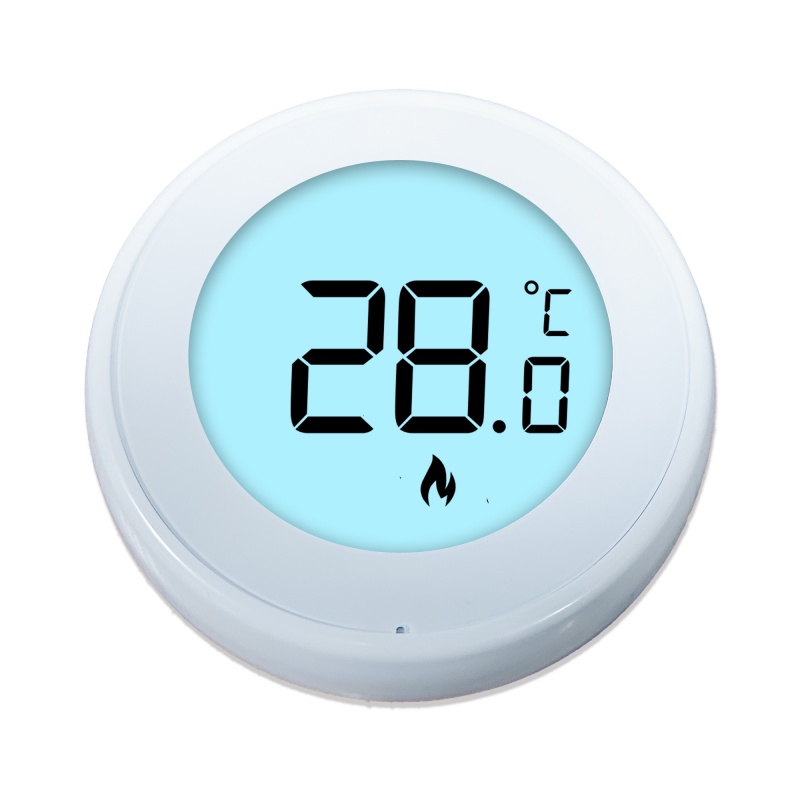
While the TUYA app provides the elegant interface, the physical thermostat remains the brain of the operation. Riseem has engineered a device that looks minimalist on your wall while delivering industrial-grade precision to your HVAC equipment.
Welcome to the Future of Home Automation The Ultimate Guide to TUYA WIFI Smart Thermostats