
how to fix aux heat on thermostat
author: Somi
2025-05-05
How to Fix Aux Heat on a Thermostat: A Comprehensive Troubleshooting Guide
A heat pump thermostat is a sophisticated control device designed to manage the complex operations of heat pump systems, which both heat and cool. It precisely coordinates the reversing valve, auxiliary heating elements, and multiple stages of heating and cooling to ensure optimal performance. With features like programmable schedules and smart connectivity, especially in models from Ocean Controls Limited, it maximizes energy efficiency while maintaining consistent indoor comfort throughout the year.
1. Why Isn't My Thermostat's Aux Heat Working?
When your thermostat's aux heat fails to function, it can leave your home feeling chilly, especially during cold spells. Understanding the potential causes is the first step in resolving the issue. Auxiliary heat, or aux heat, on a thermostat kicks in to supplement the primary heating system, typically when the outdoor temperature drops too low for the main system to operate efficiently.
Q: What are the most common reasons for aux heat failure?
A: There are several factors that can cause aux heat problems on a thermostat. Electrical issues, such as loose wires or a tripped circuit breaker, are frequent culprits. Malfunctions within the thermostat itself, incorrect settings, or problems with the auxiliary heating components can also be to blame. Ocean Controls Limited designs its thermostats with advanced diagnostic features, but external factors can still disrupt aux heat functionality.
A: There are several factors that can cause aux heat problems on a thermostat. Electrical issues, such as loose wires or a tripped circuit breaker, are frequent culprits. Malfunctions within the thermostat itself, incorrect settings, or problems with the auxiliary heating components can also be to blame. Ocean Controls Limited designs its thermostats with advanced diagnostic features, but external factors can still disrupt aux heat functionality.
Q: How can I tell if the problem is with the thermostat or the aux heat system?
A: You can perform a basic test. First, check if the primary heating system (e.g., the heat pump) is working. If the main system functions but the aux heat doesn't engage when needed, the issue may lie with the thermostat or the aux heat connection. If neither the primary system nor the aux heat works, there could be a more significant problem with the overall HVAC system, such as a major electrical failure or a problem with the fuel supply (if it's a gas or oil - based system).
A: You can perform a basic test. First, check if the primary heating system (e.g., the heat pump) is working. If the main system functions but the aux heat doesn't engage when needed, the issue may lie with the thermostat or the aux heat connection. If neither the primary system nor the aux heat works, there could be a more significant problem with the overall HVAC system, such as a major electrical failure or a problem with the fuel supply (if it's a gas or oil - based system).

2. How Do I Check for Electrical Issues Affecting Aux Heat?
Electrical problems are a leading cause of aux heat malfunctions on thermostats.
Q: Where should I start when checking for electrical issues?
A: Begin by checking the circuit breaker or fuse box. Locate the breaker or fuse that controls the HVAC system and ensure it hasn't tripped. If it has, reset it and see if the aux heat starts working. If the breaker trips again immediately, there may be a short circuit or an overloaded circuit in the system.
A: Begin by checking the circuit breaker or fuse box. Locate the breaker or fuse that controls the HVAC system and ensure it hasn't tripped. If it has, reset it and see if the aux heat starts working. If the breaker trips again immediately, there may be a short circuit or an overloaded circuit in the system.
Q: How do I inspect the wiring related to the thermostat and aux heat?
A:
A:
- Turn off the power to the HVAC system at the circuit breaker to avoid electrical shock.
- Remove the cover of your thermostat. Ocean Controls Limited thermostats usually have easy - to - remove covers that expose the wiring.
- Check for loose, frayed, or corroded wires. Pay close attention to the wires connected to the terminals labeled "W2" (which is often associated with aux heat in many thermostats) and the power supply wires (usually labeled "R" or "Rc" and "Rh").
- Tighten any loose connections. If you notice damaged wires, you may need to replace them. Use a wire stripper to remove the damaged sections and connect new wire segments, making sure to match the wire colors and terminal labels correctly.

3. Are There Issues with the Thermostat Settings?
Incorrect thermostat settings can prevent aux heat from working properly.
Q: What settings should I check on my thermostat?
A:
A:
- Mode Settings: Ensure that the thermostat is set to "Heat" mode. If it's set to "Cool," "Auto," or "Off," the aux heat won't activate. Some advanced thermostats, like those from Ocean Controls Limited, also have specific "Heat Pump" modes with options for managing aux heat. Make sure you've selected the appropriate mode for your system.
- Temperature Set Point: The temperature on the thermostat should be set high enough to trigger the aux heat. If the set temperature is too close to the current room temperature, the aux heat may not kick in. Try increasing the temperature by a few degrees to see if the aux heat activates.
- Aux Heat Activation Threshold: Many thermostats allow you to adjust the temperature at which the aux heat turns on. Check the thermostat's settings menu (usually accessible through buttons or a touchscreen interface) to ensure this threshold is set correctly. For example, in extremely cold weather, you might want to lower the threshold so that the aux heat activates sooner.
Q: How do I reset the thermostat settings?
A: If you suspect that incorrect settings are causing the problem, you can perform a reset on your thermostat. The process varies depending on the model. For Ocean Controls Limited thermostats, refer to the user manual. Typically, there will be a "Reset" option in the settings menu or a physical reset button on the device. A reset will restore the thermostat to its default settings, but you'll need to reprogram your desired temperature, mode, and other preferences afterward.
A: If you suspect that incorrect settings are causing the problem, you can perform a reset on your thermostat. The process varies depending on the model. For Ocean Controls Limited thermostats, refer to the user manual. Typically, there will be a "Reset" option in the settings menu or a physical reset button on the device. A reset will restore the thermostat to its default settings, but you'll need to reprogram your desired temperature, mode, and other preferences afterward.

4. Could the Problem Be with the Auxiliary Heating Components?
Sometimes, the issue lies not with the thermostat but with the aux heat components themselves.
Q: How can I check the auxiliary heating elements?
A:
A:
- Electric Resistance Heating Elements: If your aux heat uses electric resistance heating, you can check for continuity in the heating elements using a multimeter. First, turn off the power to the HVAC system. Then, locate the heating elements (usually in the air handler or furnace). Disconnect the wires from the elements and set the multimeter to the ohms (Ω) setting. Touch the multimeter probes to the terminals of the heating element. If the multimeter shows a reading close to zero or a low resistance value, the element is likely okay. If it shows no continuity (infinite resistance), the element may be burned out and needs to be replaced.
- Gas or Oil - Fired Auxiliary Components: For gas or oil - based aux heat systems, issues could include a faulty gas valve, a malfunctioning ignition system, or a clogged oil burner. These types of problems are more complex and often require professional assistance. However, you can check for visible signs of damage, such as leaks around the gas valve or soot buildup near the oil burner.
Q: What if I find a problem with the aux heat components?
A: If you identify a problem with the aux heat components, it's best to consult a professional HVAC technician, especially for gas or oil systems due to safety concerns. For electric resistance heating elements, you may be able to replace them yourself if you have the necessary skills and the right replacement parts. Make sure to follow all safety precautions and refer to the manufacturer's instructions.
A: If you identify a problem with the aux heat components, it's best to consult a professional HVAC technician, especially for gas or oil systems due to safety concerns. For electric resistance heating elements, you may be able to replace them yourself if you have the necessary skills and the right replacement parts. Make sure to follow all safety precautions and refer to the manufacturer's instructions.

5. How Do I Perform Advanced Troubleshooting on My Thermostat?
If basic checks and fixes don't resolve the issue, more advanced troubleshooting may be required.
Q: Can I use the thermostat's diagnostic features?
A: Many modern thermostats, including those from Ocean Controls Limited, have built - in diagnostic features. These can help you identify specific problems. For example, some thermostats will display error codes on the screen if they detect an issue with the aux heat system. Refer to the thermostat's user manual to understand what each error code means and how to address it.
A: Many modern thermostats, including those from Ocean Controls Limited, have built - in diagnostic features. These can help you identify specific problems. For example, some thermostats will display error codes on the screen if they detect an issue with the aux heat system. Refer to the thermostat's user manual to understand what each error code means and how to address it.
Q: What if the thermostat still doesn't work after troubleshooting?
A: If you've exhausted all troubleshooting steps and the aux heat on your thermostat still isn't working, it's time to call in a professional. An HVAC technician has the expertise and specialized tools to diagnose and repair complex problems. They can also check for issues that may not be immediately apparent, such as problems with the control board of the thermostat or the overall HVAC system's communication network.
A: If you've exhausted all troubleshooting steps and the aux heat on your thermostat still isn't working, it's time to call in a professional. An HVAC technician has the expertise and specialized tools to diagnose and repair complex problems. They can also check for issues that may not be immediately apparent, such as problems with the control board of the thermostat or the overall HVAC system's communication network.
6. How Can I Prevent Future Aux Heat Problems on My Thermostat?
Taking preventive measures can help avoid aux heat issues in the future.
Q: What maintenance steps should I take for my thermostat and aux heat system?
A:
A:
- Regularly Replace Air Filters: A clogged air filter can restrict airflow, causing the HVAC system, including the aux heat, to work harder and potentially malfunction. Replace the air filter every 1 - 3 months, depending on usage and the type of filter.
- Inspect Wiring Periodically: Even if there are no current problems, check the wiring connections on your thermostat and the aux heat system annually for signs of wear, loose connections, or corrosion. Tighten any loose wires and replace damaged ones promptly.
- Keep the Thermostat Clean: Dust and debris can accumulate on the thermostat, affecting its performance. Use a soft, dry cloth to clean the exterior of the thermostat regularly. Avoid using liquids or abrasive materials that could damage the device.
Q: Should I upgrade my thermostat to prevent aux heat problems?
A: Upgrading to a more advanced thermostat, such as a smart thermostat from Ocean Controls Limited, can offer several benefits. Smart thermostats often have better diagnostic capabilities, more precise temperature control, and the ability to be remotely monitored and adjusted. They can also provide insights into energy usage, helping you optimize the operation of your aux heat and the entire HVAC system, potentially preventing future problems.
A: Upgrading to a more advanced thermostat, such as a smart thermostat from Ocean Controls Limited, can offer several benefits. Smart thermostats often have better diagnostic capabilities, more precise temperature control, and the ability to be remotely monitored and adjusted. They can also provide insights into energy usage, helping you optimize the operation of your aux heat and the entire HVAC system, potentially preventing future problems.
Conclusion
When your thermostat's aux heat isn't working, a systematic approach to troubleshooting can often identify and resolve the issue. By checking for electrical problems, verifying thermostat settings, inspecting aux heat components, and using advanced diagnostic features (if available), you can get your aux heat back up and running. Remember, if you're unsure or the problem seems too complex, don't hesitate to call a professional HVAC technician. Additionally, regular maintenance and considering a thermostat upgrade can go a long way in preventing future aux heat problems, ensuring your home stays warm and comfortable throughout the cold seasons.


where is the thermostat located
does my thermostat have c wire
Related Article
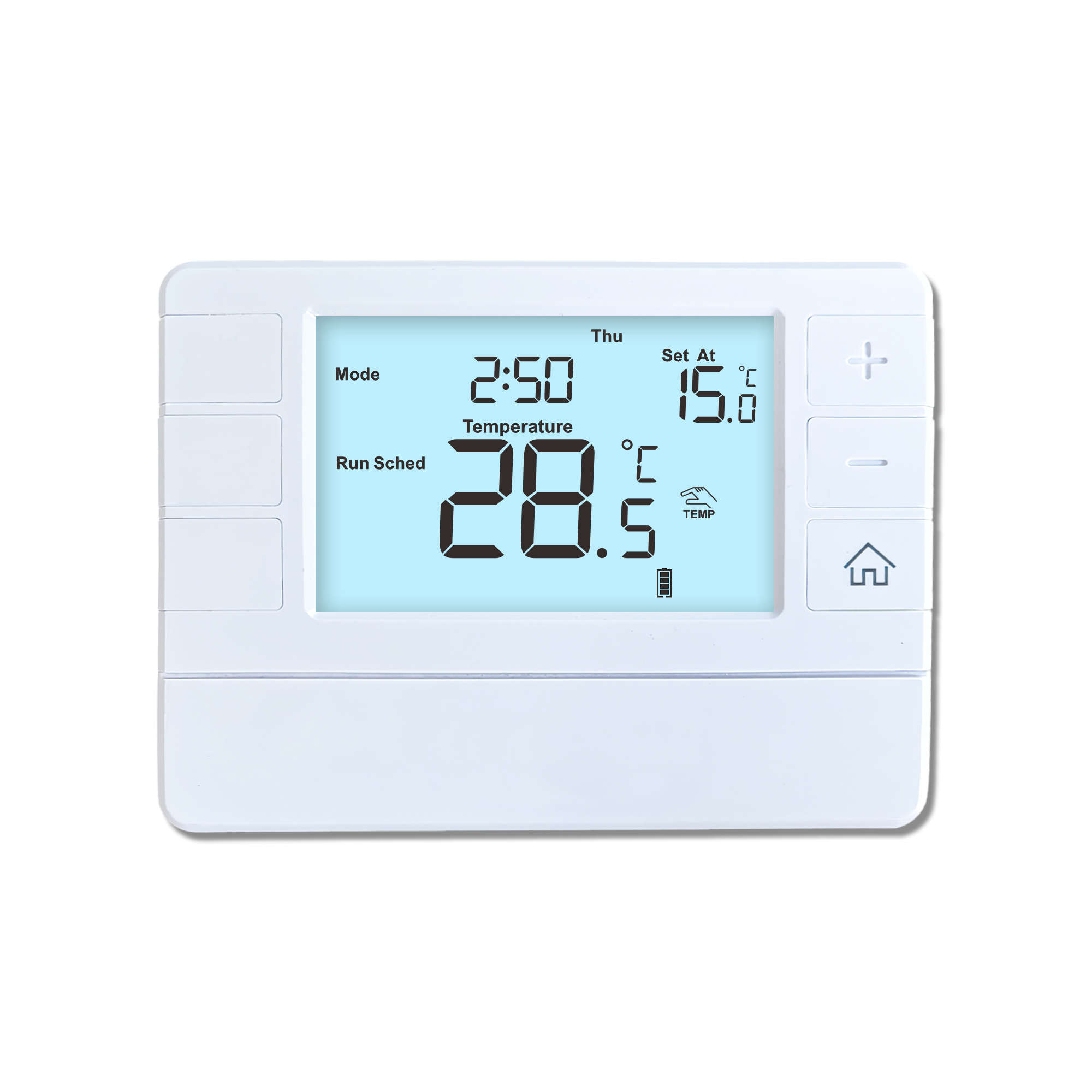
This shift has made traditional, manual thermostats obsolete, paving the way for advanced smart technologies.
Why You Need a Smart Thermostat
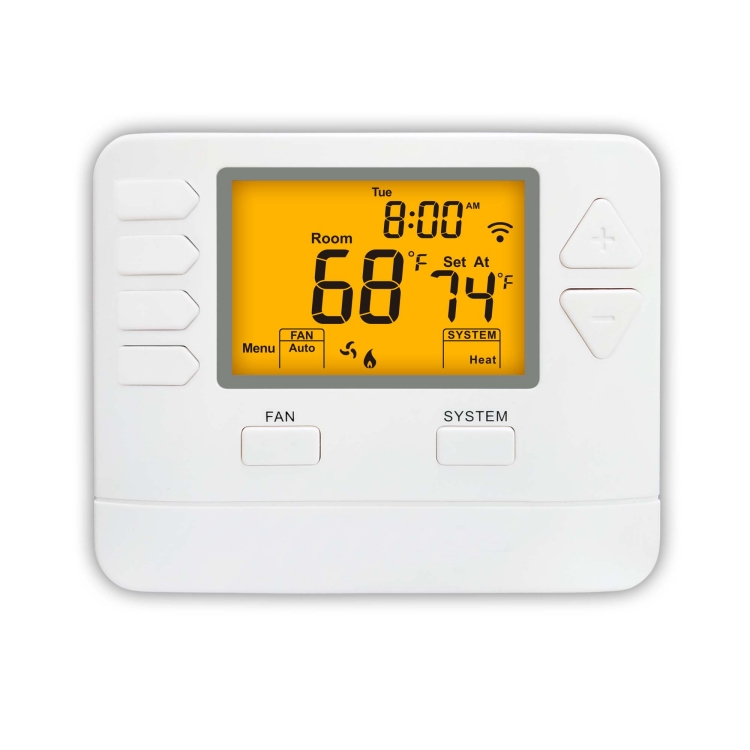
A true 7 Day programmable room thermostat offers the ultimate granular control. It allows users to program a distinct, customized heating and cooling schedule for every single day of the week.
How a 7 Day Programmable Room Thermostat Maximizes Home Comfort and Efficiency
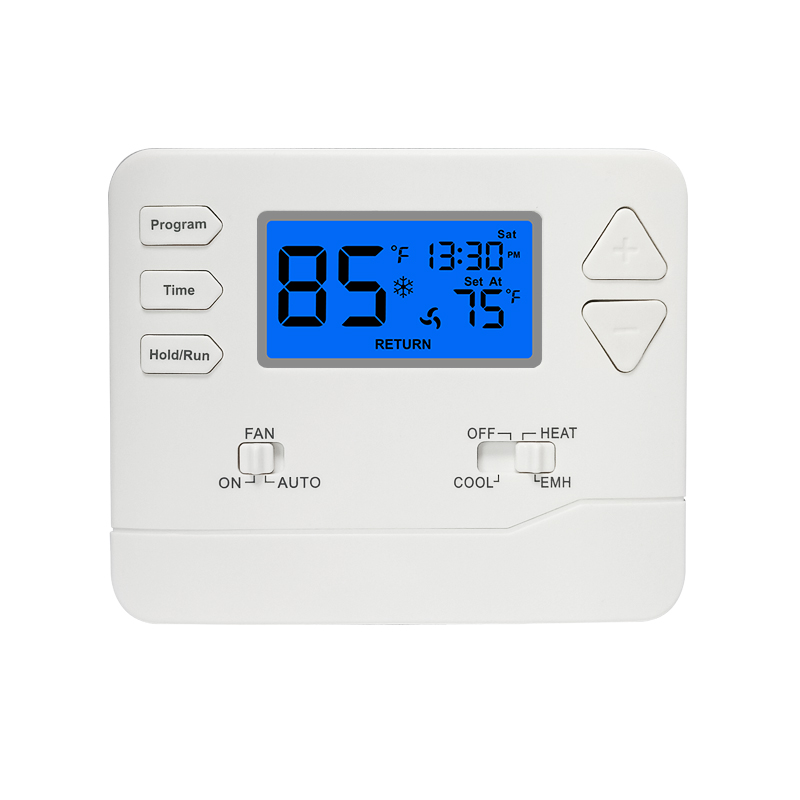
A premium Riseem thermostat is not just a digital display on your wall; it is the ultimate gatekeeper of your indoor environment.
Why a Quality Thermostat Is the Key to a More Comfortable Home
While the TUYA app provides the elegant interface, the physical thermostat remains the brain of the operation. Riseem has engineered a device that looks minimalist on your wall while delivering industrial-grade precision to your HVAC equipment.
Welcome to the Future of Home Automation The Ultimate Guide to TUYA WIFI Smart Thermostats