
how to get my thermostat to work
author: Lily
2025-04-26
How to Get Your Thermostat to Work
A malfunctioning thermostat can disrupt your home's comfort, whether it's too hot or too cold. Before calling a professional, there are several troubleshooting steps you can take to get your thermostat working again. This guide will walk you through the process with helpful Q&A along the way.
Step 1: Check the Power Source


The first thing to do is ensure your thermostat has power. If it's a battery-powered thermostat, open the cover and check the batteries. Look for signs of corrosion, and replace them if they're old or weak. For hardwired thermostats, check the circuit breaker or fuse box to make sure the breaker hasn't tripped or the fuse hasn't blown.
Q: What if the batteries are new, but the thermostat still doesn't turn on?
A: Even with new batteries, there could be issues with the battery contacts. Use a small, clean cloth to gently wipe the contacts to remove any dirt or oxidation. If that doesn't work, there might be a problem with the internal wiring or components of the thermostat. In such cases, it's advisable to check the manufacturer's troubleshooting guide for your specific model or consider reaching out to their customer support for further advice.
Step 2: Verify the Thermostat Settings
Make sure the thermostat is set to the correct mode. It should be set to "Heat" during colder months and "Cool" during warmer months. Also, check that the temperature is set to a level that should trigger the heating or cooling system. Sometimes, a simple misconfiguration can make it seem like the thermostat isn't working.
Q: What if I've set the correct mode and temperature, but nothing happens?
A: Try adjusting the temperature setting significantly. For example, if you set it to 72°F and the system didn't turn on, try setting it to 75°F (for heating) or 68°F (for cooling). This can help determine if the thermostat's sensors are working properly. If the system still doesn't respond, there could be a problem with the communication between the thermostat and the heating or cooling unit.
Step 3: Check for Obstructions
Ensure that there are no objects blocking the thermostat's sensors. Furniture, curtains, or even large plants near the thermostat can interfere with its ability to accurately measure the room temperature. Keep a clear space around the thermostat for optimal performance.
Q: How much space should I leave around the thermostat?
A: As a general rule, leave at least 12 inches of clear space around the thermostat on all sides. This ensures that air can flow freely around it, allowing the sensors to accurately detect the ambient temperature. Avoid placing it near heat sources like lamps, televisions, or radiators, as these can give false temperature readings.
Step 4: Inspect the Wiring (Hardwired Thermostats)
If you have a hardwired thermostat, turn off the power at the circuit breaker or fuse box before inspecting the wiring. Open the thermostat cover and check for loose, frayed, or damaged wires. Tighten any loose connections and replace any wires that appear damaged.
Q: I'm not comfortable working with electrical wiring. What should I do?
A: Electrical work can be dangerous if you're not experienced. In this case, it's best to call a professional electrician or HVAC technician. They have the skills and tools to safely inspect and repair the wiring. Trying to fix the wiring yourself without proper knowledge could lead to electrical shock or further damage to the thermostat or the heating/cooling system.
Step 5: Test the Thermostat
After making any adjustments or repairs, turn the power back on (for hardwired thermostats). Set the thermostat to a temperature that should activate the heating or cooling system and wait a few minutes. Listen for the sound of the system turning on. If it still doesn't work, it might be time to consider replacing the thermostat.
Q: How do I know if I need to replace the thermostat?
A: If you've gone through all the troubleshooting steps and the thermostat still doesn't function properly, it's likely defective. Signs of a failing thermostat include inconsistent temperature readings, the system turning on and off too frequently, or the thermostat not responding to any settings changes. Replacing the thermostat with a new, compatible model can often resolve these issues.
By following these steps and answering the key questions, you can often get your thermostat working again. However, if you're still having problems, don't hesitate to contact a professional HVAC technician for further assistance.


thermostat cool on flashing
how to connect ideal thermostat to boiler
Related Article
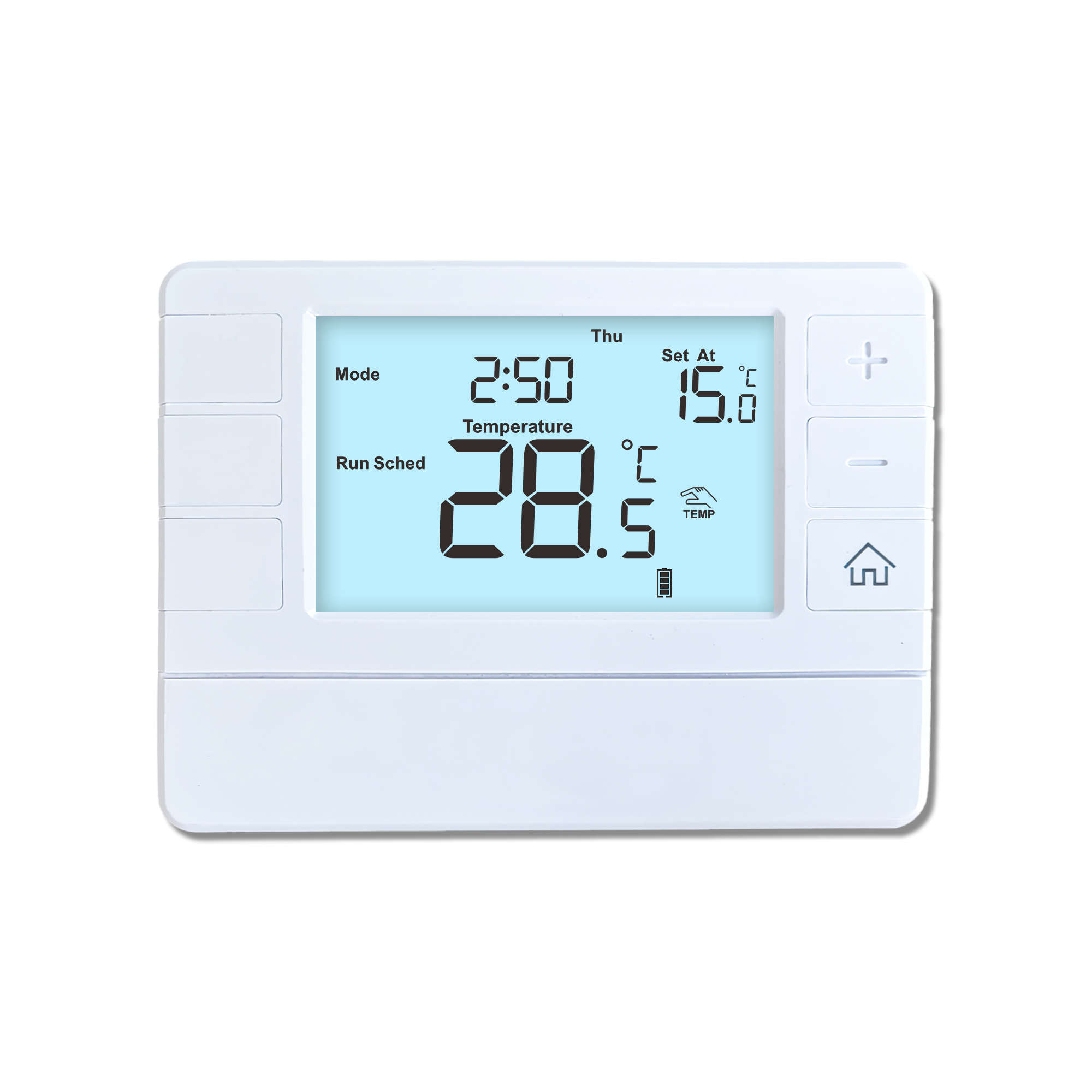
This shift has made traditional, manual thermostats obsolete, paving the way for advanced smart technologies.
Why You Need a Smart Thermostat
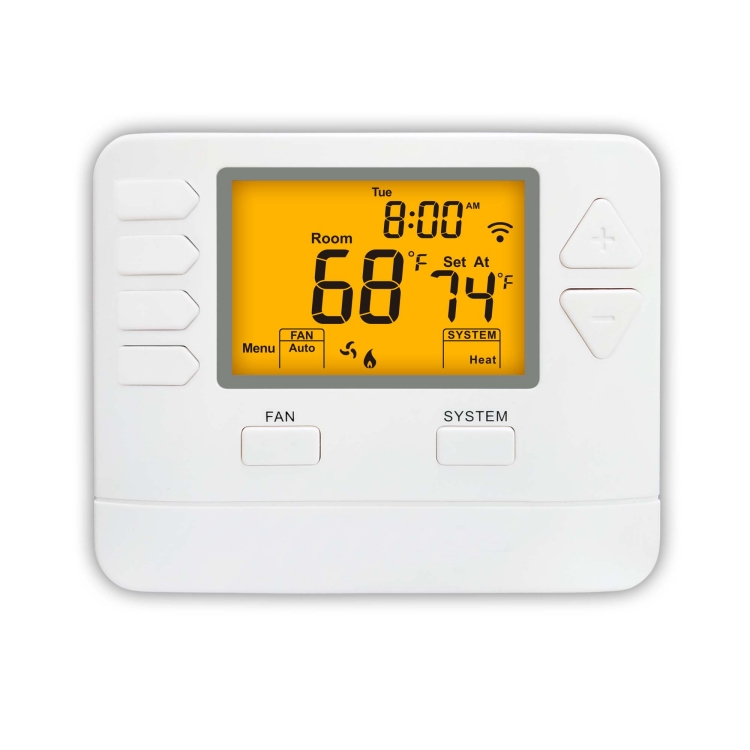
A true 7 Day programmable room thermostat offers the ultimate granular control. It allows users to program a distinct, customized heating and cooling schedule for every single day of the week.
How a 7 Day Programmable Room Thermostat Maximizes Home Comfort and Efficiency
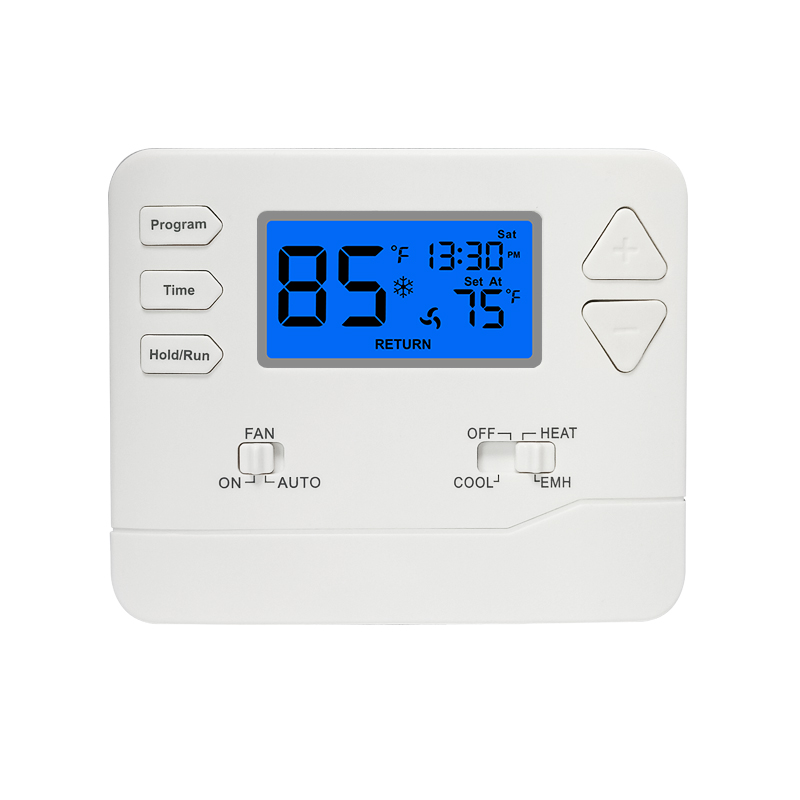
A premium Riseem thermostat is not just a digital display on your wall; it is the ultimate gatekeeper of your indoor environment.
Why a Quality Thermostat Is the Key to a More Comfortable Home
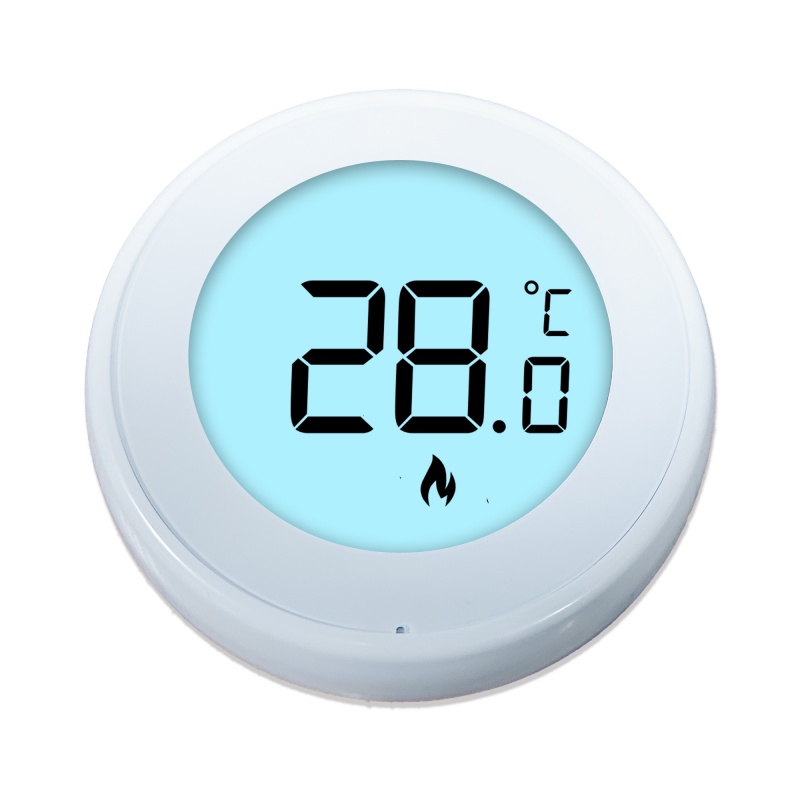
While the TUYA app provides the elegant interface, the physical thermostat remains the brain of the operation. Riseem has engineered a device that looks minimalist on your wall while delivering industrial-grade precision to your HVAC equipment.
Welcome to the Future of Home Automation The Ultimate Guide to TUYA WIFI Smart Thermostats