
how to know if the thermostat is bad
author: somi
2025-04-10
How to Know if the Thermostat is Bad
1. Introduction
The thermostat is a crucial component in your home's heating, ventilation, and air-conditioning (HVAC) system. It's responsible for maintaining a comfortable indoor temperature. But like any device, it can develop issues over time. Knowing how to identify if your thermostat is malfunctioning is essential for ensuring your home stays cozy and your energy bills stay in check. In this blog, we'll explore the telltale signs of a faulty thermostat, with insights from Ocean Controls Limited, a leading name in thermostat technology.
2. Inconsistent Temperature Readings
Temperature Fluctuations
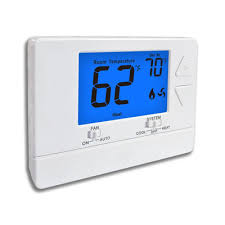
One of the most common signs of a bad thermostat is when the temperature in your home seems to be constantly fluctuating. You set the thermostat to a specific temperature, say 72°F, but the room feels noticeably warmer or cooler at different times. This could be due to inaccurate temperature sensing. The internal sensors in the thermostat might be damaged or dirty, causing them to provide incorrect readings. Ocean Controls Limited thermostats are engineered with precision sensors, but wear and tear can still affect their accuracy.
Drift from Set Temperature
Another aspect of inconsistent readings is a gradual drift. Over time, you might notice that the actual temperature in the room is several degrees off from what the thermostat is set to. For example, you set it for 70°F, but after a while, it becomes clear that the room is consistently around 74°F. This indicates that the thermostat may not be properly calibrating or adjusting the HVAC system.
3. Unresponsive Controls
Buttons Not Working
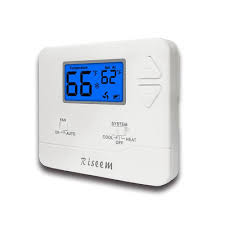
When you try to adjust the temperature, switch between heating and cooling modes, or activate other functions on the thermostat, and the buttons don't respond, it's a clear sign of trouble. This could be caused by a variety of issues, such as a loose connection inside the thermostat, a malfunctioning circuit board, or physical damage to the button mechanism. If you have a touchscreen thermostat from Ocean Controls Limited, a frozen or unresponsive screen can also be a sign of internal problems.
Delayed Response
Even if the buttons seem to work, but there's a significant delay between pressing a button and the thermostat reacting, it could suggest a problem. For instance, you press the "up" button to increase the temperature, and it takes several minutes for the HVAC system to respond. This delay might be due to a slow processing unit within the thermostat or issues with the communication between the thermostat and the HVAC system.
4. HVAC System Cycling Problems
Frequent Cycling
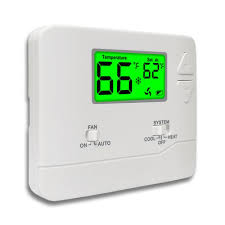
If your heating or cooling system is turning on and off much more frequently than usual, it could point to a faulty thermostat. A healthy thermostat should be able to maintain a relatively stable temperature, only signaling the HVAC system to turn on or off when necessary. When the thermostat is bad, it might misinterpret the temperature and send incorrect signals, causing the system to cycle rapidly. This not only affects your comfort but also puts unnecessary strain on the HVAC equipment, potentially shortening its lifespan.
Failure to Start or Stop
On the other hand, if the HVAC system doesn't start when it should, even though the thermostat is set to call for heat or cool, it's a major red flag. Conversely, if the system won't turn off and continues to run indefinitely, it's equally concerning. These issues could stem from a wiring problem at the thermostat, a malfunctioning relay within the thermostat, or a compatibility issue between the thermostat and the HVAC system. Ocean Controls Limited provides detailed installation and troubleshooting guides to help address such problems.
5. Power-Related Issues
Battery Problems
Many thermostats, especially those without a direct power connection, rely on batteries. If your thermostat's display is dim or blank, or if it starts acting erratically, the first thing to check is the batteries. Low battery power can cause all sorts of strange behavior, from inaccurate temperature readings to unresponsive controls. Replace the batteries and see if the issues persist. If you have a thermostat from Ocean Controls Limited that's hardwired, but you're still experiencing power-related problems, it could indicate a problem with the power supply wiring or a faulty internal power regulator.
Power Outage Aftermath
After a power outage, your thermostat might not resume normal operation. It could be stuck in a standby mode, fail to reconnect to the HVAC system, or have its settings reset to default values. If you notice any abnormal behavior after a power outage, it's worth checking if the thermostat needs to be reset or reprogrammed. Some Ocean Controls Limited thermostats have built-in recovery features to handle power outages gracefully, but problems can still occur.
6. Strange Noises or Odors
Clicking or Buzzing Sounds
If you hear unusual clicking or buzzing sounds coming from the thermostat, it's a sign that something is amiss. These sounds could be caused by a faulty relay constantly switching on and off, a loose wire vibrating against the thermostat casing, or electrical arcing inside the device. Any of these issues could lead to more serious problems if not addressed promptly.
Burning Odor
A burning smell emanating from the thermostat is extremely concerning. It could indicate an overheating component, such as a resistor or a capacitor, due to a short circuit or excessive current. If you detect a burning odor, immediately turn off the power to the HVAC system and call a professional technician. This is not a problem you should attempt to fix on your own, as it poses a significant safety risk.
In conclusion, being vigilant about the signs of a malfunctioning thermostat can save you from discomfort and costly HVAC repairs. By paying attention to temperature inconsistencies, control responsiveness, HVAC cycling, power issues, and any strange noises or odors, you can quickly identify if your thermostat, especially those from Ocean Controls Limited, needs attention. If you're unsure or if the problem persists after basic troubleshooting, it's always best to consult a professional.


how thermostat works
what is emergency heat on thermostat
Related Article
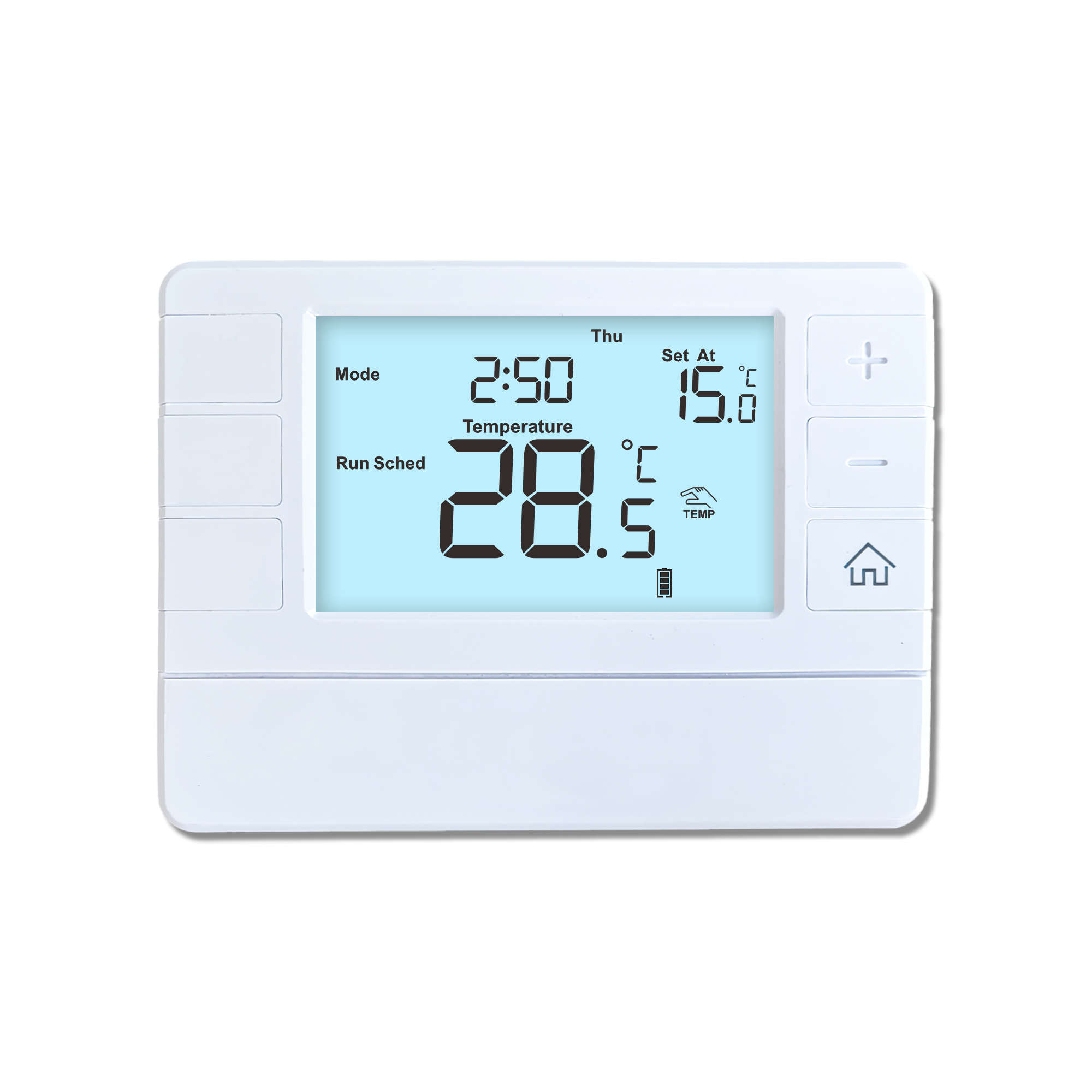
This shift has made traditional, manual thermostats obsolete, paving the way for advanced smart technologies.
Why You Need a Smart Thermostat
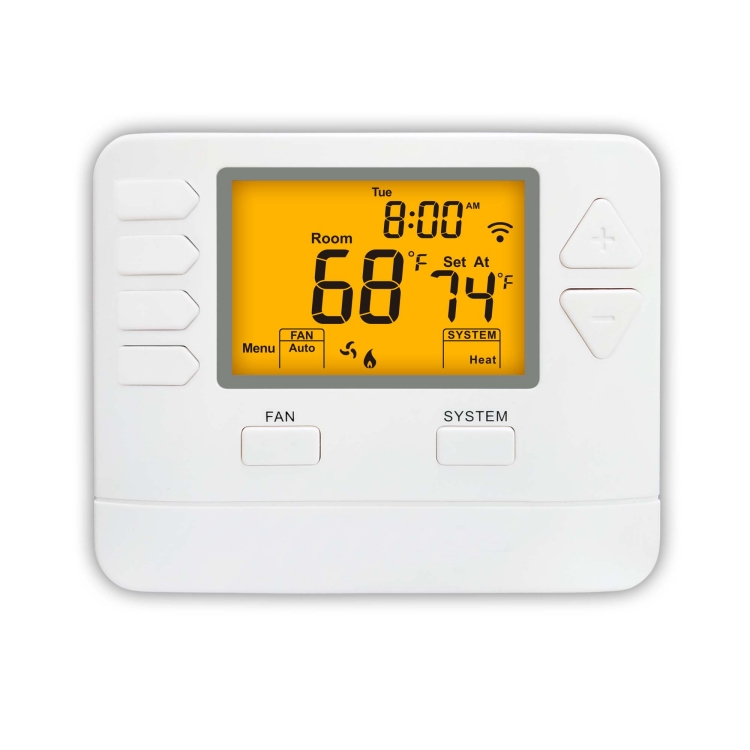
A true 7 Day programmable room thermostat offers the ultimate granular control. It allows users to program a distinct, customized heating and cooling schedule for every single day of the week.
How a 7 Day Programmable Room Thermostat Maximizes Home Comfort and Efficiency
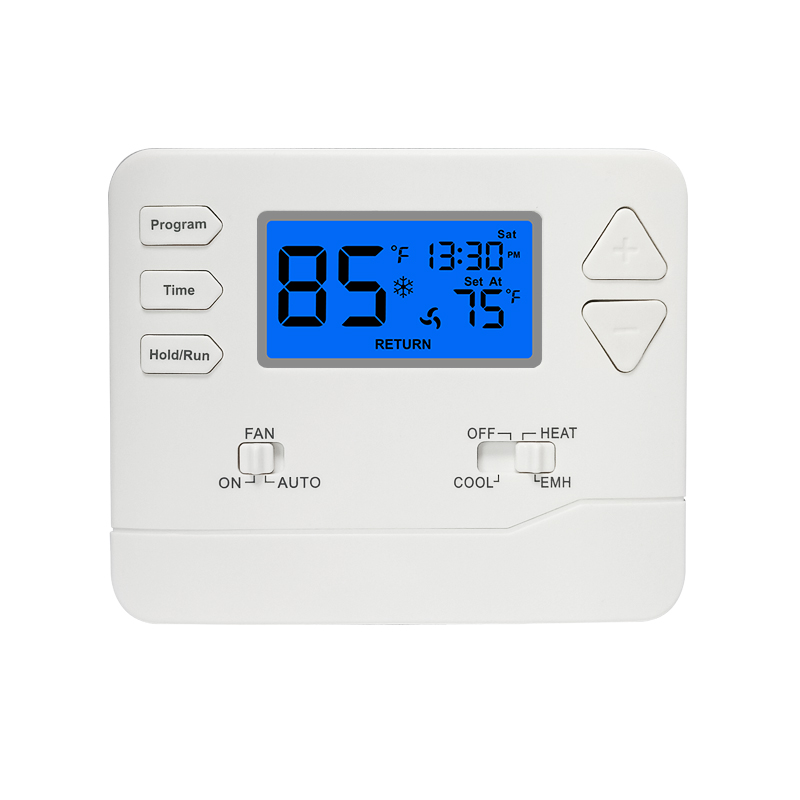
A premium Riseem thermostat is not just a digital display on your wall; it is the ultimate gatekeeper of your indoor environment.
Why a Quality Thermostat Is the Key to a More Comfortable Home
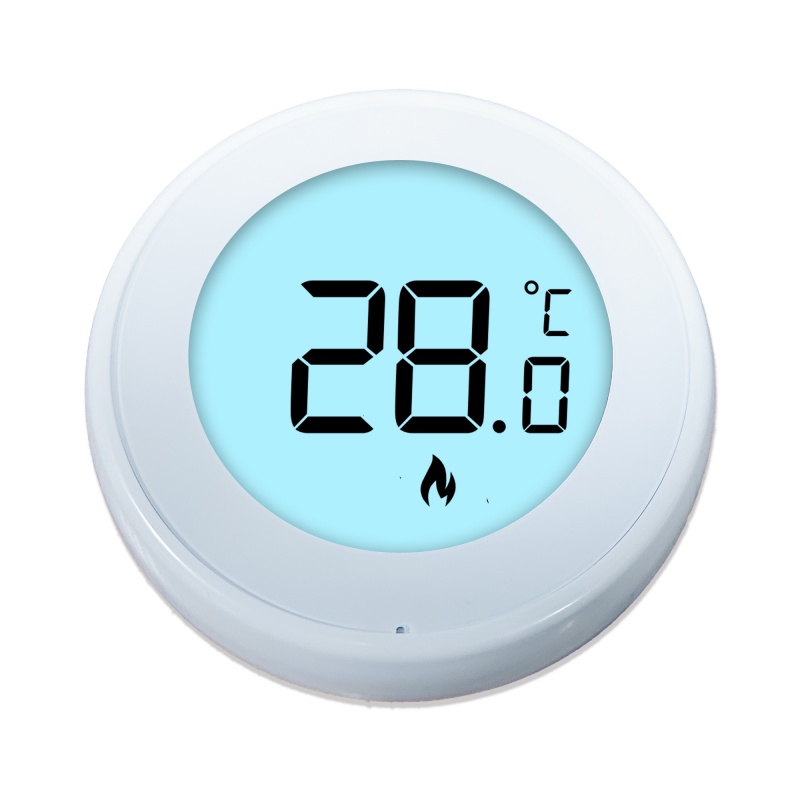
While the TUYA app provides the elegant interface, the physical thermostat remains the brain of the operation. Riseem has engineered a device that looks minimalist on your wall while delivering industrial-grade precision to your HVAC equipment.
Welcome to the Future of Home Automation The Ultimate Guide to TUYA WIFI Smart Thermostats