
how to program thermostat
author: Lily
2025-06-26
Mastering Thermostat Programming: Your Essential Q&A Guide

In an era where energy efficiency and cost - saving are at the forefront of home management, programming your thermostat correctly is a crucial skill. Here, we answer some of the most frequently asked questions about thermostat programming to help you optimize your home's climate control.
Q: What are the primary benefits of programming my thermostat?

A: Programming your thermostat offers multiple advantages. Firstly, it significantly reduces energy consumption. By setting lower temperatures in winter when you're asleep or away, and higher temperatures in summer during those times, you can cut down on heating and cooling usage. This not only helps the environment by reducing your carbon footprint but also leads to substantial savings on your energy bills. According to energy experts, proper thermostat programming can potentially lower your annual energy costs by up to 15%. Additionally, it provides enhanced comfort by ensuring your home is at an ideal temperature when you're present.

Q: How do I identify if my thermostat is programmable?
A: Check for certain key features. Programmable thermostats usually have a digital display that allows you to input specific times and temperature settings. They also come with buttons labeled like “Program,” “Set,” “Schedule,” or similar. If your thermostat has a menu - based system where you can navigate through options to create temperature schedules, it's likely programmable. If you're still unsure, refer to the user manual that came with your thermostat or search for the model number online to find its specifications.
Q: What are the basic steps to program a traditional programmable thermostat?
A:
- Enter programming mode: Locate and press the “Program” button on your thermostat. This will usually take you to the programming interface.
- Set the time and date: Use the arrow keys or number - entry buttons to accurately input the current time and date. This is essential as the thermostat relies on this information to follow your programmed schedule.
- Create a schedule: Most programmable thermostats allow you to set different schedules for weekdays and weekends. You can define specific time intervals, such as waking up, leaving for work, coming home, and going to bed. For each interval, set the desired temperature. For example, in the morning, you might set the temperature to 68°F (20°C) to wake up comfortably, then lower it to 62°F (16.7°C) when you leave for work.
- Save the settings: Once you've completed setting up your schedule and temperatures, press the “Save” or “Done” button to exit programming mode. Your thermostat will now start following the programmed schedule.
Q: How does programming a smart thermostat differ from a traditional one?
A: Smart thermostats offer more advanced features and a different programming process. Many smart thermostats can be programmed through a mobile app on your smartphone or tablet. You can create schedules, adjust temperatures, and even monitor your energy usage remotely. Some smart thermostats also use artificial intelligence and machine learning to learn your habits over time and automatically adjust the temperature settings for you. For example, if it notices that you usually lower the temperature at a certain time every evening, it will start doing so on its own. Additionally, smart thermostats can integrate with other smart home devices, such as smart speakers, and respond to voice commands for programming.
Q: What should I do if my programmed thermostat isn't working as expected?
A: First, check the basic things. Ensure that the thermostat is properly powered (if it's battery - operated, replace the batteries). Verify that the time and date are set correctly, as an incorrect time can cause the schedule to be off. Next, review the programmed settings to make sure you've entered the correct temperatures and time intervals. If the problem persists, try resetting the thermostat to its factory settings and reprogramming it. If none of these steps work, it may be a sign of a more serious issue, such as a malfunctioning component, and you may need to contact a professional technician for further assistance.
Q: Can I program my thermostat to work with a home automation system?
A: Yes, many modern thermostats, especially smart thermostats, are compatible with popular home automation systems like Amazon Alexa, Google Home, and Apple HomeKit. By integrating your thermostat with a home automation system, you can control the temperature using voice commands, create “scenes” where the thermostat adjusts along with other devices (for example, when you activate the “Good Night” scene, the lights dim, the doors lock, and the thermostat adjusts to a cooler sleeping temperature), and monitor and manage your thermostat from a central hub or app.
By understanding these answers, you'll be well on your way to effectively programming your thermostat and enjoying a more energy - efficient and comfortable home.


floor heating thermostat
gas heater for home with thermostat
Related Article
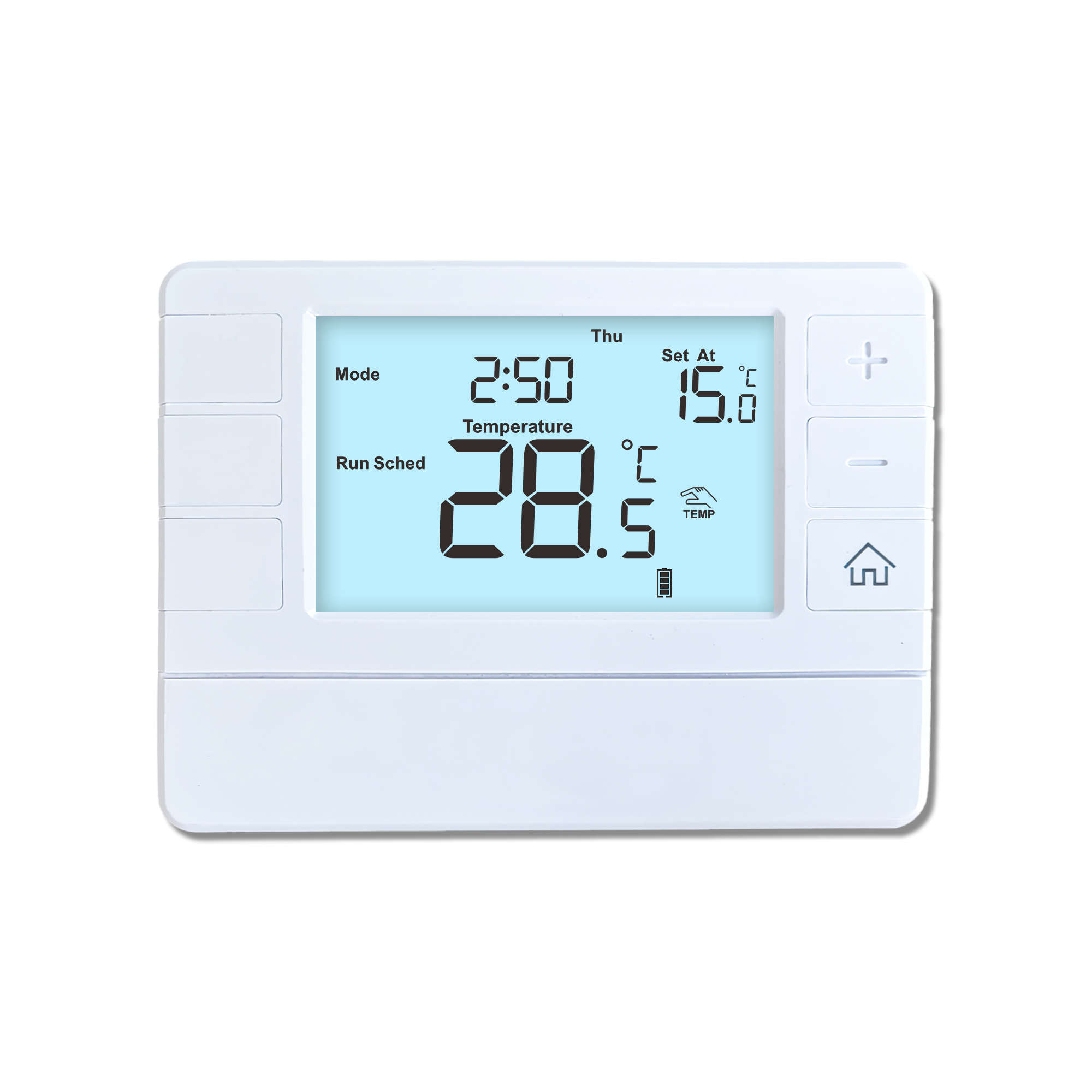
This shift has made traditional, manual thermostats obsolete, paving the way for advanced smart technologies.
Why You Need a Smart Thermostat
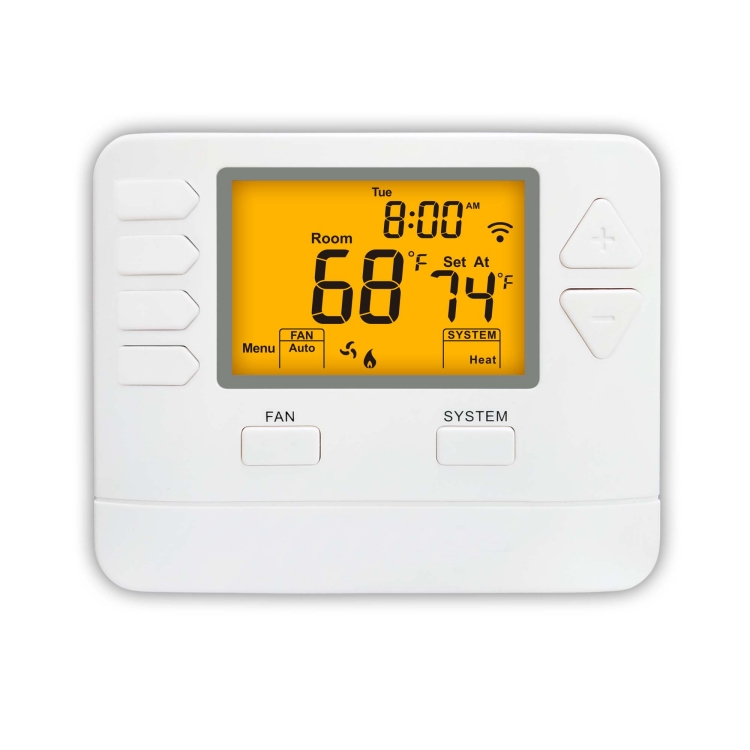
A true 7 Day programmable room thermostat offers the ultimate granular control. It allows users to program a distinct, customized heating and cooling schedule for every single day of the week.
How a 7 Day Programmable Room Thermostat Maximizes Home Comfort and Efficiency
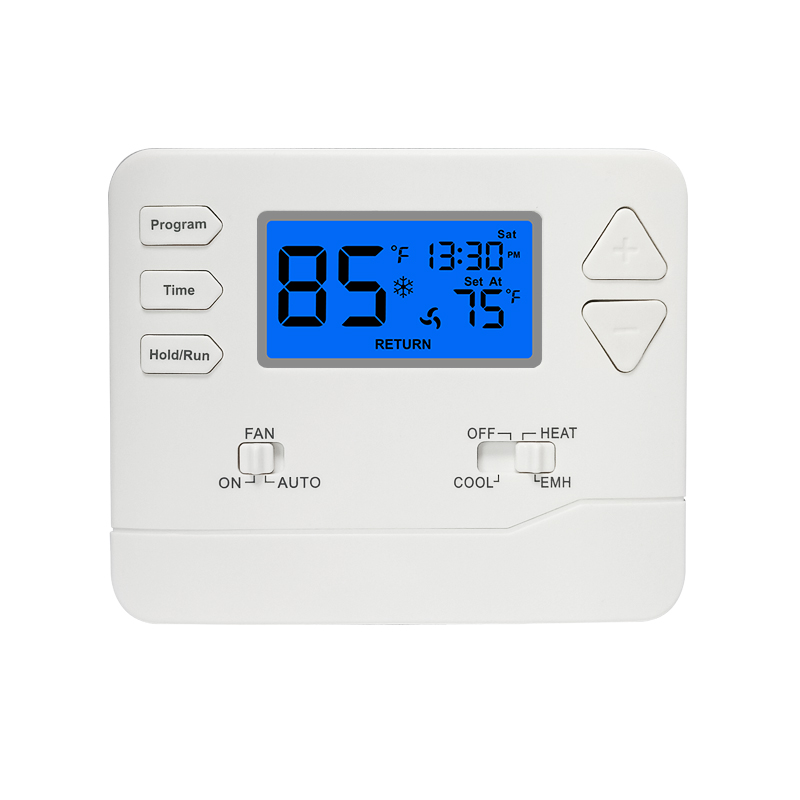
A premium Riseem thermostat is not just a digital display on your wall; it is the ultimate gatekeeper of your indoor environment.
Why a Quality Thermostat Is the Key to a More Comfortable Home
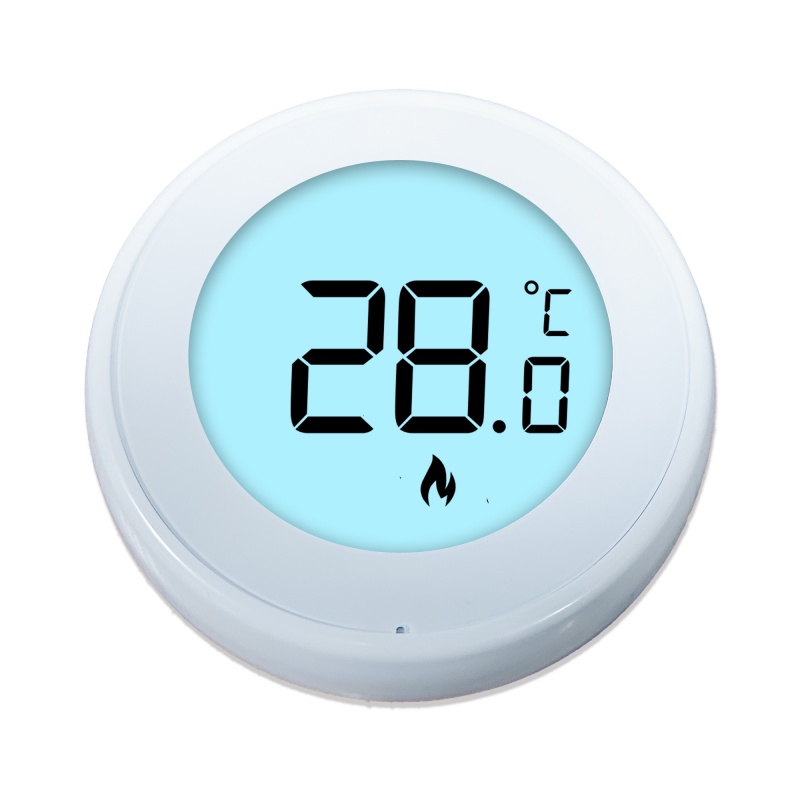
While the TUYA app provides the elegant interface, the physical thermostat remains the brain of the operation. Riseem has engineered a device that looks minimalist on your wall while delivering industrial-grade precision to your HVAC equipment.
Welcome to the Future of Home Automation The Ultimate Guide to TUYA WIFI Smart Thermostats