
How to set the temperature of the indoor thermostat
author: Lily
2025-05-14
How to set the temperature of the indoor thermostat
Setting the temperature of your indoor thermostat correctly is essential for maintaining a comfortable living environment and optimizing energy efficiency. Whether you're using a basic mechanical thermostat or a high - tech smart one, the following guide will walk you through the process step by step.


Identify Your Thermostat Type
Before you start adjusting the temperature, it's crucial to know what kind of thermostat you have. Thermostats generally fall into three main categories: mechanical, digital (electronic), and smart thermostats. Mechanical thermostats are the most basic, often featuring a rotary dial or a series of levers. Digital thermostats come with a digital display and buttons for input, while smart thermostats can be controlled via a mobile app, voice commands, or a touchscreen interface. Understanding your thermostat's type will help you determine the appropriate way to make adjustments.
Familiarize Yourself with the Interface
- Mechanical Thermostats: These thermostats typically have a large, round dial marked with temperature values. Some may also have additional switches to select heating or cooling modes. The temperature setting is adjusted by rotating the dial until the pointer aligns with your desired temperature.
- Digital Thermostats: Digital models usually have a clear LCD or LED display showing the current temperature and settings. They come with a set of buttons, often labeled "Up," "Down," "Mode," "Set," etc. You'll need to use these buttons to navigate through the menu options and change the temperature.
- Smart Thermostats: Smart thermostats offer the most intuitive interfaces. Many feature a touchscreen where you can simply tap and swipe to adjust the temperature. Others rely on mobile apps that provide a user - friendly graphical interface. Some can even be controlled using voice assistants like Amazon Alexa or Google Assistant.
Set the Desired Temperature
- For Comfort: The ideal indoor temperature varies depending on personal preference and the season. In general, a temperature between 68°F (20°C) and 72°F (22°C) is considered comfortable for most people during the winter months when using the heating function. During summer, a setting between 74°F (23°C) and 78°F (26°C) while using the cooling function is common. However, you can adjust these values according to your specific comfort level.
- For Energy Efficiency: If you're aiming to save energy, consider adjusting the temperature slightly. In winter, setting the thermostat back by 1 - 2°F (0.5 - 1°C) can reduce heating costs, and in summer, raising it by a similar amount can cut down on cooling expenses. Some smart thermostats can even learn your habits and automatically adjust the temperature to optimize energy use.
Select the Appropriate Mode
Your thermostat has different operating modes, and choosing the right one is important. The main modes include "Heat," "Cool," "Auto," and "Fan Only."
- Heat: Use this mode when you want to warm up your home, typically during colder months.
- Cool: Select this mode in the summer to lower the indoor temperature.
- Auto: In the "Auto" mode, the thermostat will automatically switch between heating and cooling based on the temperature settings and the ambient temperature. This is a convenient option if you want the thermostat to manage the temperature without manual intervention.
- Fan Only: The "Fan Only" mode runs the fan of your HVAC system without heating or cooling. It can be useful for circulating air in the room, improving air quality, or providing a gentle breeze.
Confirm and Save Your Settings
After setting the temperature and mode, make sure to confirm your changes. On mechanical thermostats, the new setting is usually immediate as you adjust the dial. Digital thermostats often require you to press a "Set" or "Save" button to lock in the changes. Smart thermostats will display a confirmation message on the screen or in the app. Double - check that the displayed temperature and mode match your intended settings.
Fine - Tune as Needed
Over time, you may find that the initial temperature setting isn't quite right. Don't hesitate to make further adjustments. If you feel too hot or too cold, simply repeat the steps above to modify the temperature. Some thermostats also allow you to create custom temperature schedules, especially useful if you have regular routines, such as different temperatures for when you're at home, asleep, or away.
By following these steps, you can easily set the temperature of your indoor thermostat to create a cozy living space while also being mindful of energy consumption.


good programmable thermostat
How to choose a thermostat that suits your family
Related Article
This shift has made traditional, manual thermostats obsolete, paving the way for advanced smart technologies.
Why You Need a Smart Thermostat
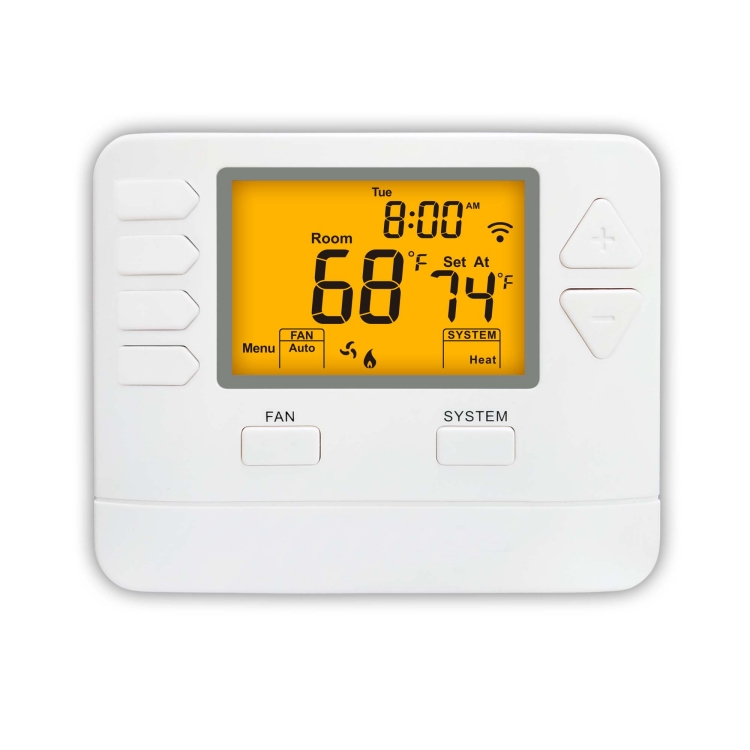
A true 7 Day programmable room thermostat offers the ultimate granular control. It allows users to program a distinct, customized heating and cooling schedule for every single day of the week.
How a 7 Day Programmable Room Thermostat Maximizes Home Comfort and Efficiency
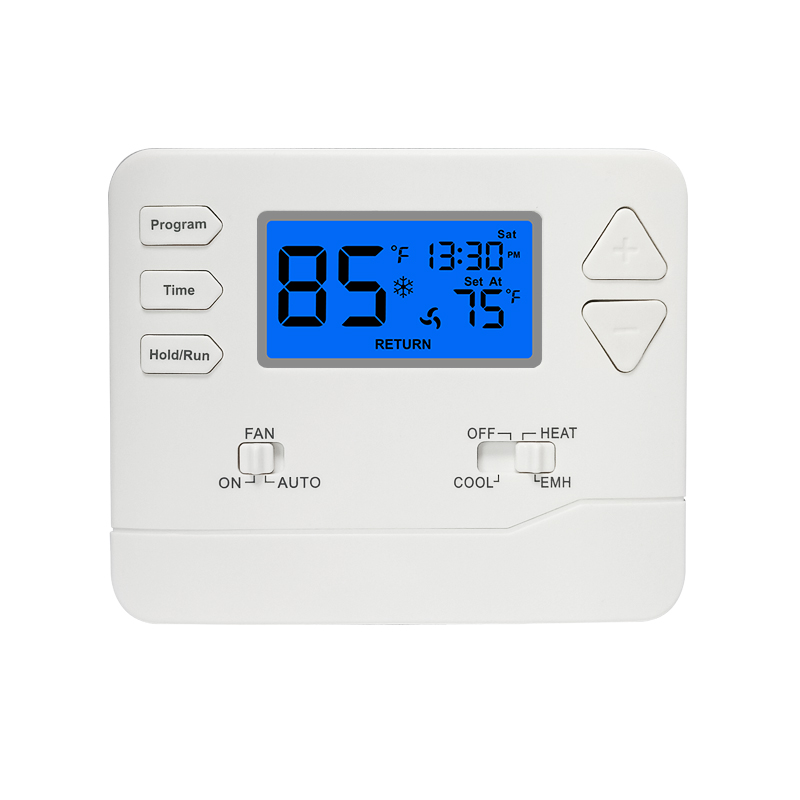
A premium Riseem thermostat is not just a digital display on your wall; it is the ultimate gatekeeper of your indoor environment.
Why a Quality Thermostat Is the Key to a More Comfortable Home
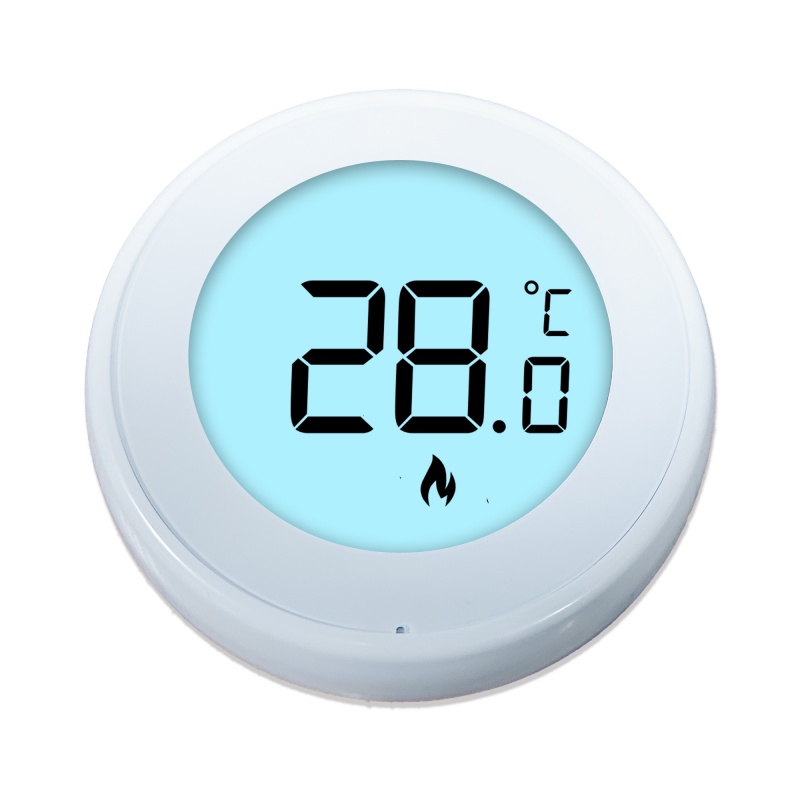
While the TUYA app provides the elegant interface, the physical thermostat remains the brain of the operation. Riseem has engineered a device that looks minimalist on your wall while delivering industrial-grade precision to your HVAC equipment.
Welcome to the Future of Home Automation The Ultimate Guide to TUYA WIFI Smart Thermostats