
How to Set the Temperature on the thermostat
author: Lily
2025-03-13
How to Set the Temperature on the Thermostat
In our daily lives, thermostats are everywhere, quietly ensuring our comfort. Whether in the coziness of our homes or the productivity of our workplaces, these unassuming devices play a pivotal role in maintaining an ideal temperature. But for those new to them or confused by the variety of models available, setting the temperature correctly can seem like a daunting task. Let's demystify the process.
Manual Thermostats: The Basics
Manual thermostats are the most straightforward in design. They are often found in older buildings or in spaces where simplicity is key. These thermostats typically feature a dial or a lever. To set the temperature, you simply adjust this control. For a warmer setting, turn the dial clockwise or move the lever upwards. If you desire a cooler environment, rotate the dial counterclockwise or lower the lever. For example, on a chilly winter morning, if the current temperature is set at 66°F and you want to feel warmer, you can gradually turn the dial until it reaches your desired 70°F. The beauty of manual thermostats lies in their simplicity; there are no complex programming or digital interfaces to navigate.
Programmable Thermostats: A Step Up in Convenience
Programmable thermostats offer a more sophisticated approach to temperature control. They are perfect for those who want to optimize energy usage while maintaining comfort. To set the temperature on a programmable thermostat, you first need to access the programming mode. This is usually done by pressing a dedicated "Program" or "Set" button. Once in the programming mode, you can set different temperature levels for various times of the day. For instance, you can set the temperature to 68°F during the day when you're at work, reducing energy consumption. Then, have it automatically adjust to 72°F in the evening when you return home. You can also set different night - time temperatures for a more energy - efficient sleep environment. The programming process may seem a bit complex at first, but following the clear instructions provided in the user manual will guide you through setting your personalized temperature schedule.
Smart Thermostats: The Epitome of Modern Control
Smart thermostats represent the cutting - edge of temperature regulation technology. These devices can be controlled remotely via a smartphone app, providing unparalleled convenience. To begin, you need to download the corresponding app for your smart thermostat and connect it to your home Wi - Fi network. Once connected, open the app. On the app's interface, you'll find an intuitive temperature control section. You can easily slide the temperature slider up or down to set the desired temperature. Some smart thermostats also come with advanced features. For example, they can learn your temperature preferences over time and adjust the settings accordingly. Additionally, you can set temperature schedules within the app, just like with programmable thermostats. What's more, with geofencing technology, the thermostat can detect when you're on your way home and start adjusting the temperature to your liking before you even walk through the door.
In conclusion, setting the temperature on a thermostat is a task that varies depending on the type of thermostat you have. From the simplicity of manual thermostats to the advanced capabilities of smart thermostats, understanding how to operate your specific device is key to creating a comfortable and energy - efficient environment.


Does an electronic thermostat consume a lot of electricity
What is the difference between wired and wireless smart thermostat
Related Article
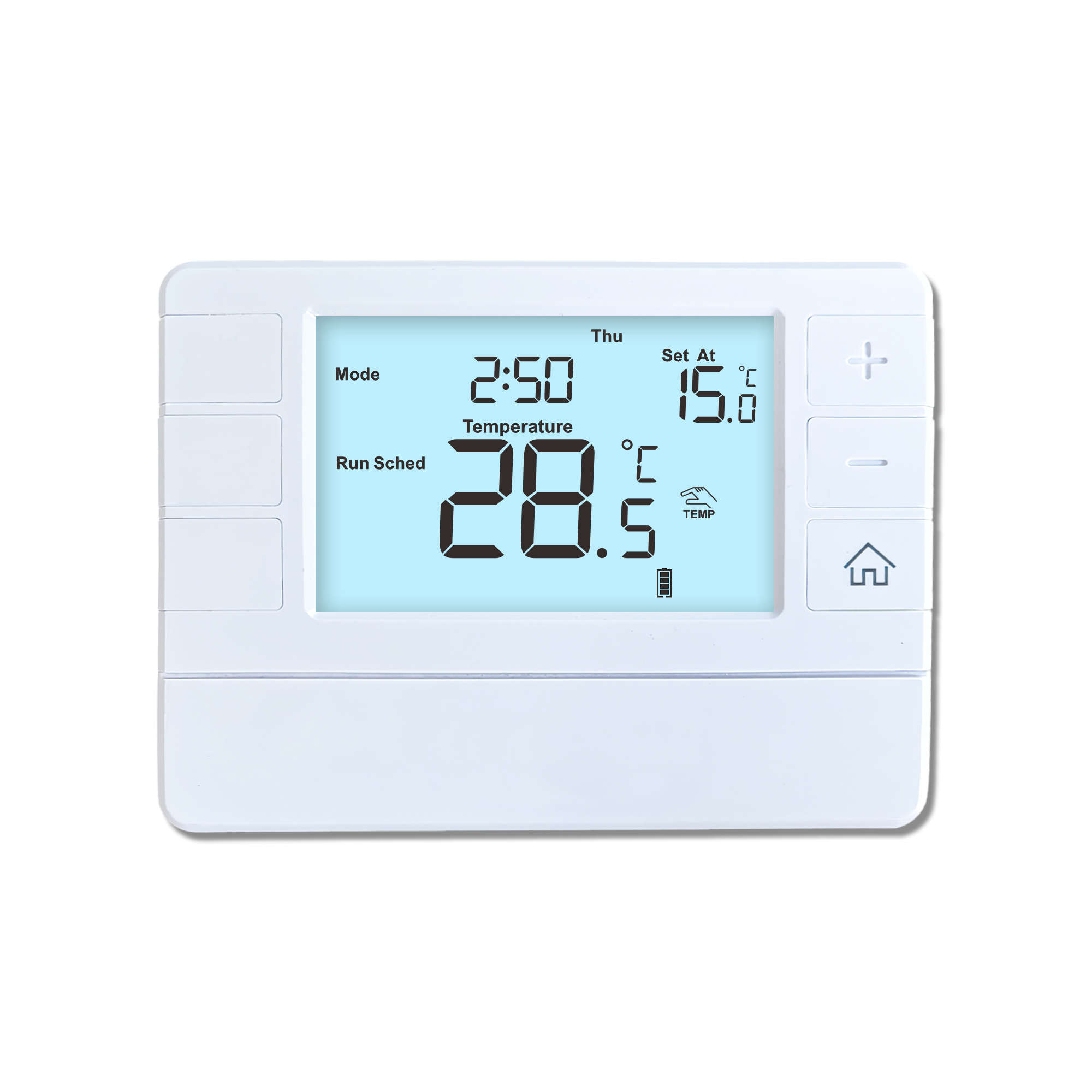
This shift has made traditional, manual thermostats obsolete, paving the way for advanced smart technologies.
Why You Need a Smart Thermostat
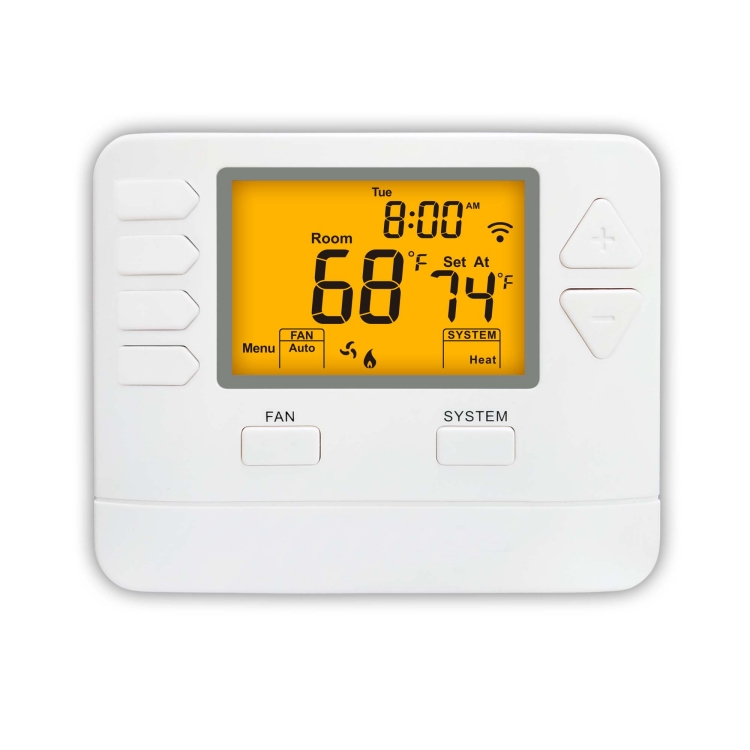
A true 7 Day programmable room thermostat offers the ultimate granular control. It allows users to program a distinct, customized heating and cooling schedule for every single day of the week.
How a 7 Day Programmable Room Thermostat Maximizes Home Comfort and Efficiency
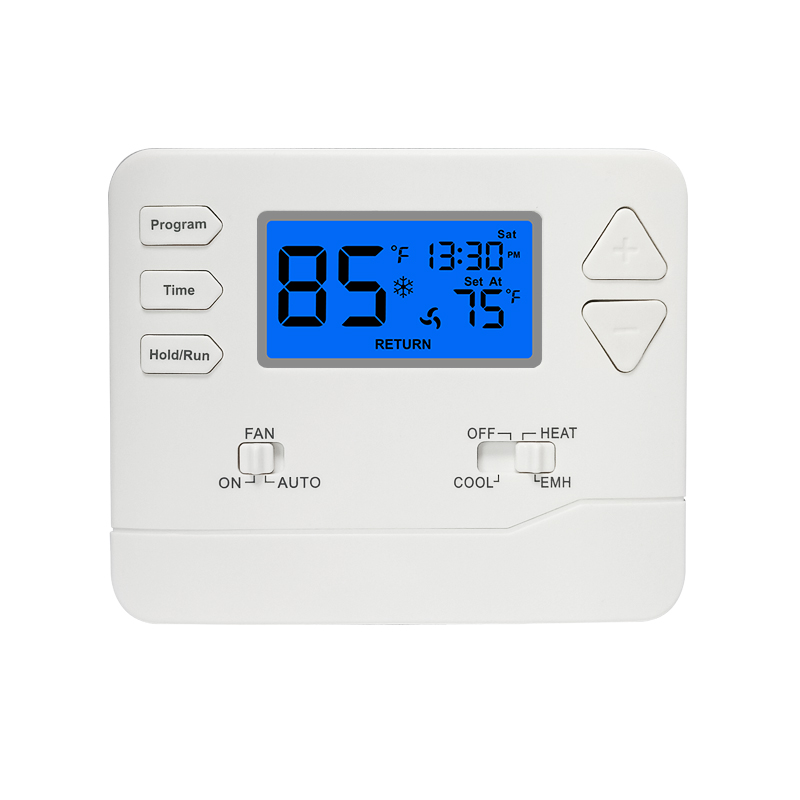
A premium Riseem thermostat is not just a digital display on your wall; it is the ultimate gatekeeper of your indoor environment.
Why a Quality Thermostat Is the Key to a More Comfortable Home
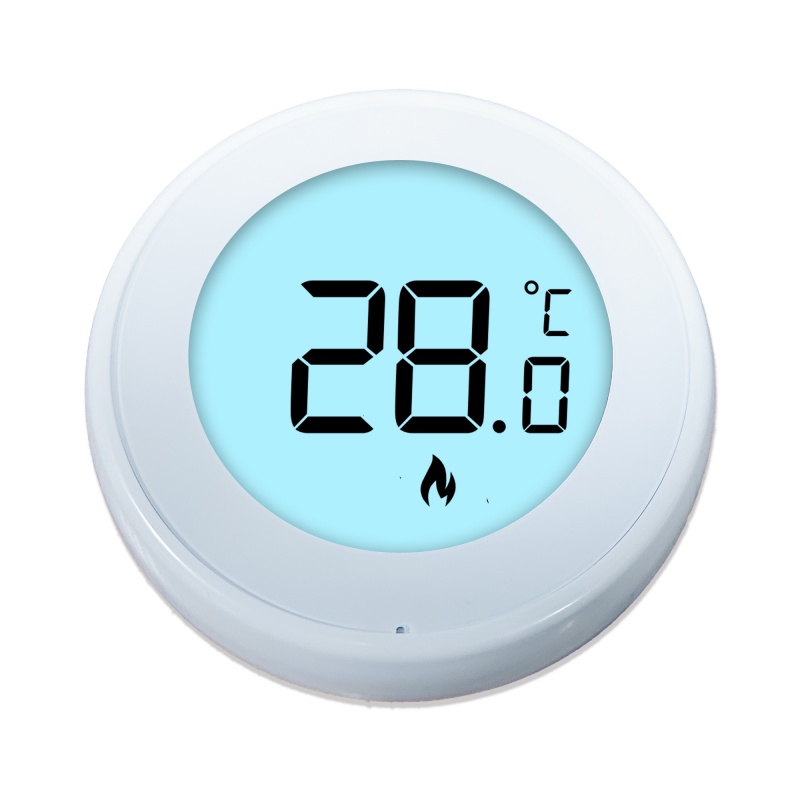
While the TUYA app provides the elegant interface, the physical thermostat remains the brain of the operation. Riseem has engineered a device that looks minimalist on your wall while delivering industrial-grade precision to your HVAC equipment.
Welcome to the Future of Home Automation The Ultimate Guide to TUYA WIFI Smart Thermostats