
how to test a water heater thermostat
author: Lily
2025-04-19
How to Test a Water Heater Thermostat
A malfunctioning water heater thermostat can lead to issues such as inconsistent water temperature, excessive energy consumption, or even complete failure of the water heating system. Testing the thermostat is a crucial step in diagnosing and resolving these problems. Here’s a comprehensive guide on how to test a water heater thermostat.
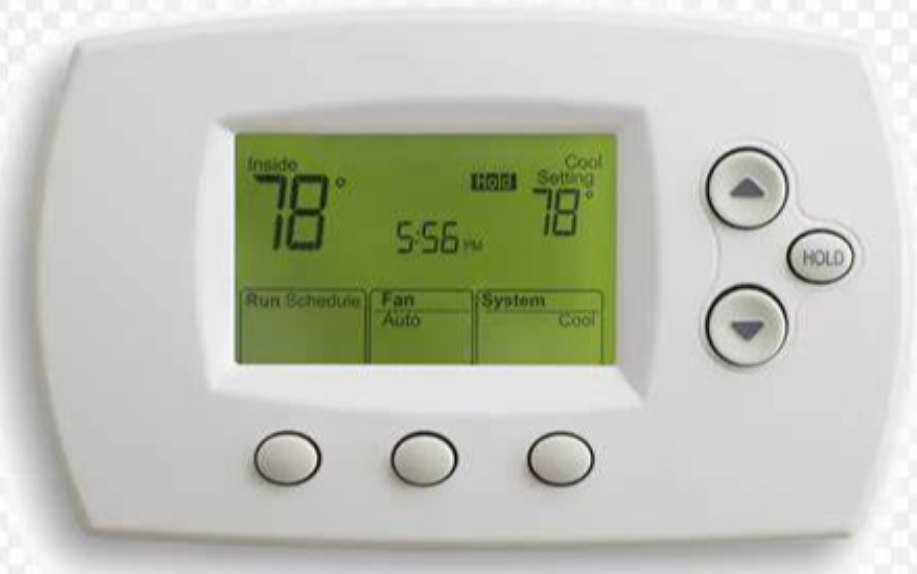

Preparation and Safety Precautions
Before you start testing, it’s essential to prioritize safety. First, turn off the power supply to the water heater. If it’s an electric water heater, switch off the corresponding circuit breaker in your home’s electrical panel. For gas water heaters, turn off the gas supply valve. Additionally, put on a pair of insulated gloves and safety glasses to protect yourself from potential electrical shocks or hot water burns. Gathering the necessary tools, including a multimeter, screwdriver, and pliers, will also make the testing process smoother.
Accessing the Thermostat
The location of the thermostat varies depending on the type of water heater. In most electric water heaters, the thermostat is located behind the access panels on the side of the tank. Use a screwdriver to remove the screws securing the panels, and carefully pull them off. You’ll then see the insulation material; remove it to expose the thermostat. For gas water heaters, the thermostat is often part of the control valve assembly, usually located near the bottom of the unit. Consult your water heater’s manual to locate the specific access points for your model.
Testing the Thermostat with a Multimeter
A multimeter is an essential tool for testing the functionality of the thermostat. Set the multimeter to the resistance or ohms setting. Disconnect the wires connected to the thermostat terminals. Be sure to note their positions so that you can reconnect them correctly later. Touch the multimeter probes to the terminals of the thermostat. If the thermostat is working properly, the multimeter should display a reading close to zero or within the specified range indicated in the manufacturer’s manual. If the reading is infinite or outside the normal range, it indicates that the thermostat may be faulty and needs replacement.
Checking for Continuity
Another way to test the thermostat is to check for continuity. Keep the multimeter on the continuity setting. With the wires still disconnected, touch the probes to the thermostat terminals again. A continuous beep or light on the multimeter indicates that there is a complete electrical path through the thermostat, meaning it’s functioning properly. If there’s no beep or light, it suggests a break in the circuit, and the thermostat likely needs to be replaced.
Reassembling and Final Checks
After testing, if the thermostat appears to be working, carefully reconnect the wires to their original terminals. Replace the insulation material and the access panels, securing them with the screws you removed earlier. Restore the power or gas supply to the water heater. Monitor the water temperature over the next few hours to ensure that the water heater is heating water to the desired temperature. If the problem persists, it may be necessary to consult a professional plumber or technician for further diagnosis.
Testing a water heater thermostat may seem daunting at first, but by following these steps carefully and taking the necessary safety precautions, you can effectively determine whether your thermostat is working correctly and take appropriate action to maintain your water heating system.


how to tell if a thermostat is bad
how to set thermostat
Related Article
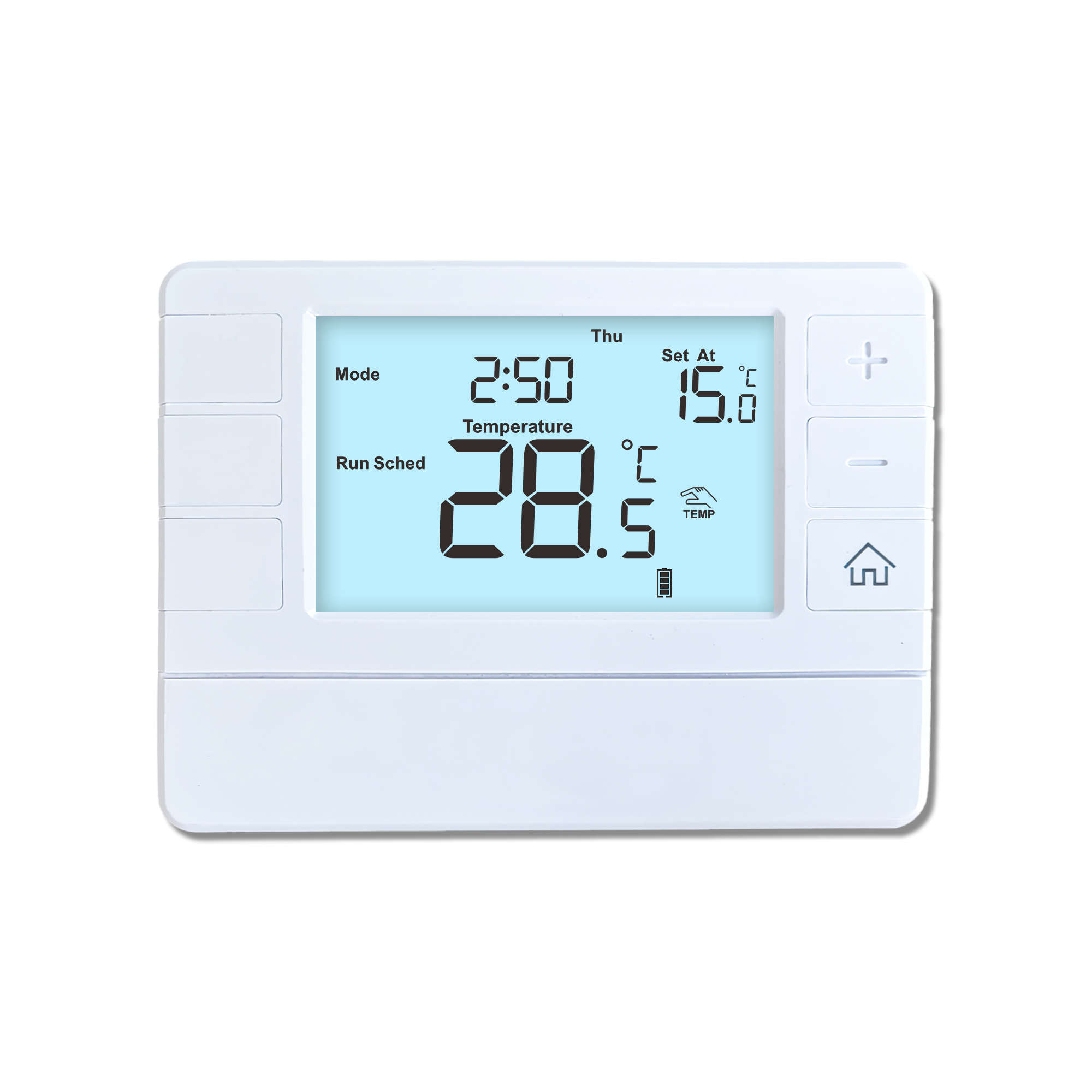
This shift has made traditional, manual thermostats obsolete, paving the way for advanced smart technologies.
Why You Need a Smart Thermostat
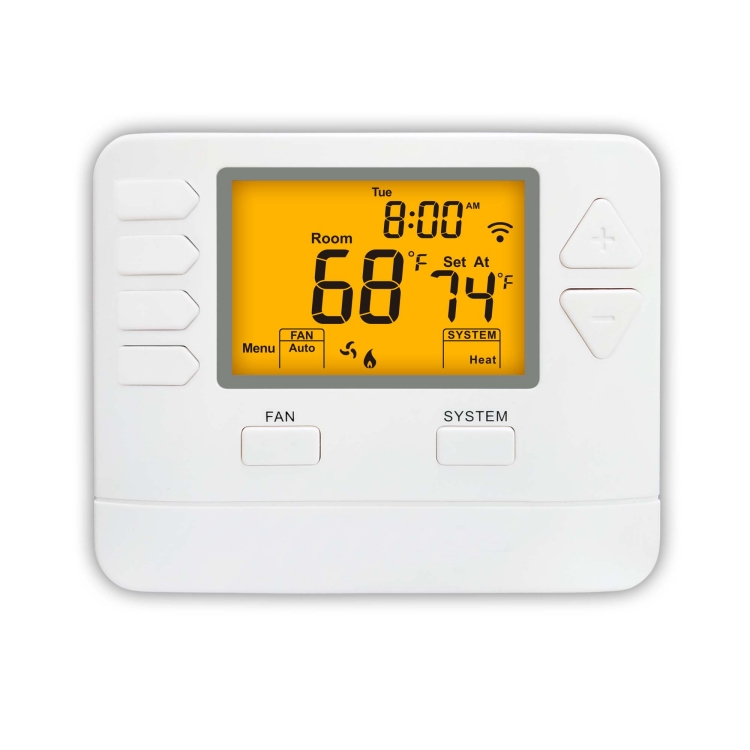
A true 7 Day programmable room thermostat offers the ultimate granular control. It allows users to program a distinct, customized heating and cooling schedule for every single day of the week.
How a 7 Day Programmable Room Thermostat Maximizes Home Comfort and Efficiency
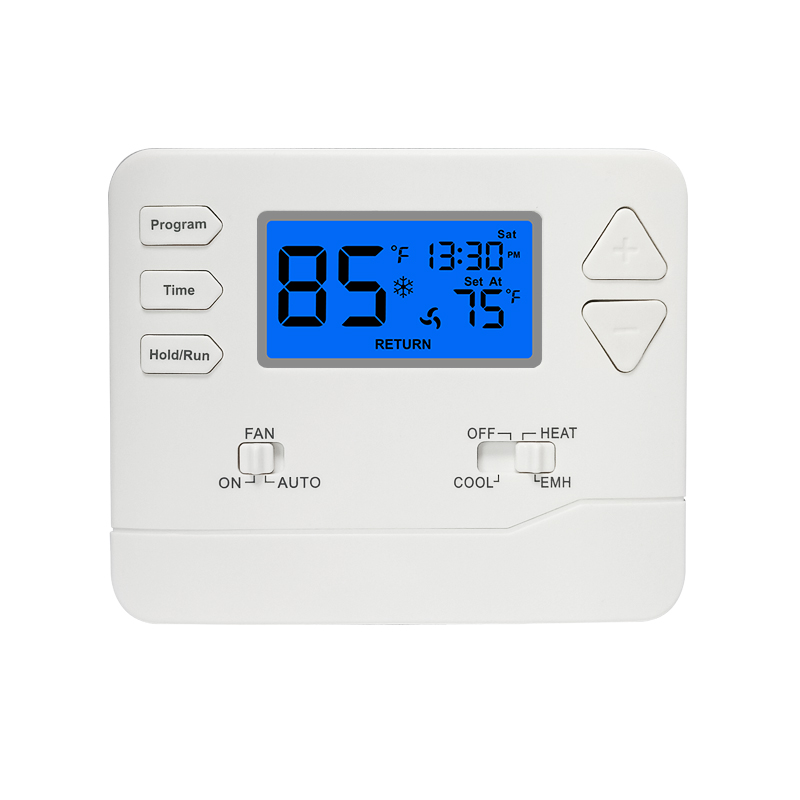
A premium Riseem thermostat is not just a digital display on your wall; it is the ultimate gatekeeper of your indoor environment.
Why a Quality Thermostat Is the Key to a More Comfortable Home
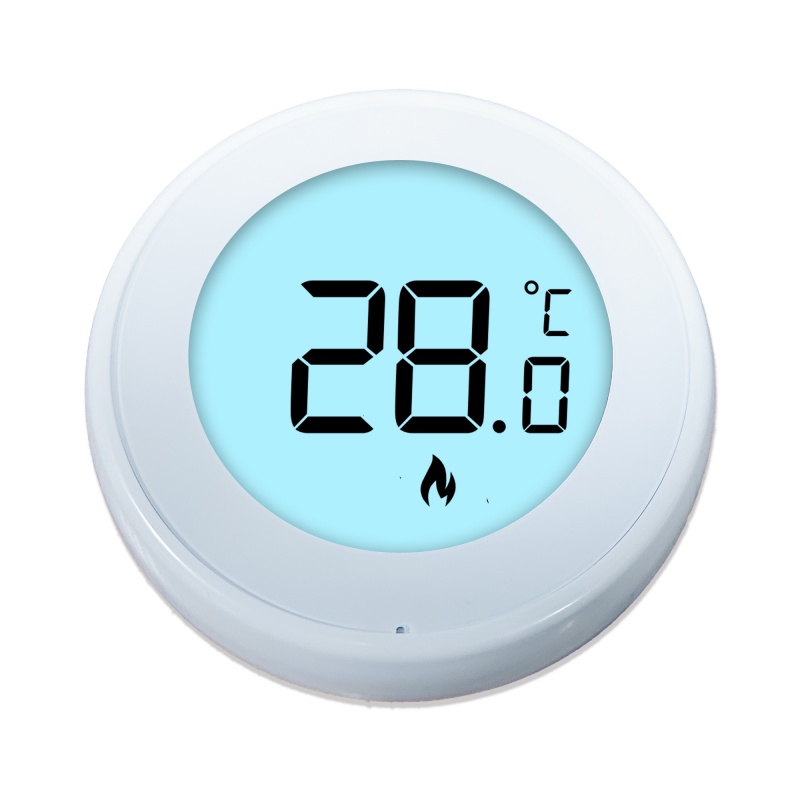
While the TUYA app provides the elegant interface, the physical thermostat remains the brain of the operation. Riseem has engineered a device that looks minimalist on your wall while delivering industrial-grade precision to your HVAC equipment.
Welcome to the Future of Home Automation The Ultimate Guide to TUYA WIFI Smart Thermostats