
How to use a single-unit programmable thermostat
author: Lily
2025-03-20
How to Use a Single-Unit Programmable Thermostat
A single-unit programmable thermostat is a great device that can enhance your home's comfort and energy efficiency. However, for those new to it, the operation might seem a bit daunting. Here's a step-by-step guide to help you make the most of this handy appliance.
Initial Setup
When you first get your programmable thermostat, start by installing it in an appropriate location. Choose a wall that is away from direct sunlight, drafts, and heat sources like radiators or appliances. Once installed, power it on. You'll usually need to set the basic settings such as the time, date, and temperature unit (either Celsius or Fahrenheit). Most thermostats have an easy-to-navigate menu system for these initial configurations. Use the arrow keys or touchscreen (depending on the model) to input the correct information.
Programming the Temperature Schedule
One of the main advantages of a programmable thermostat is the ability to set a customized temperature schedule. To do this, access the programming mode. Look for a button labeled "Program" or something similar. Entering this mode will allow you to set different temperature levels for various times of the day. For example, you can set a lower temperature during the day when you're at work or school, and a warmer temperature in the evening when you're at home. You can usually program up to seven different daily schedules, allowing for flexibility between weekdays and weekends. Set the desired temperature using the temperature adjustment buttons and specify the start and end times for each segment.
Using the Manual Override
There may be times when you want to deviate from the programmed schedule. Most programmable thermostats offer a manual override feature. This is typically accessed by pressing a button like "Hold" or "Override." When you use this function, the thermostat will maintain the current temperature until you either cancel the override or the programmed schedule takes over again. This is useful if you're having guests over and want to adjust the temperature for a short period, or if you suddenly feel too hot or cold and need an immediate change.
Monitoring the Temperature and Battery (if applicable)
Regularly check the thermostat's display to monitor the current room temperature. This ensures that the thermostat is working correctly and maintaining the desired temperature. If your thermostat is battery-powered, keep an eye on the battery indicator. When the battery is running low, replace it promptly to avoid any disruptions in the thermostat's operation. Some models also have a feature that alerts you when the battery is about to die.
Understanding the Different Modes
Programmable thermostats often come with various modes, such as "Heat," "Cool," and "Auto." In "Heat" mode, the thermostat will only activate the heating system to maintain the set temperature. "Cool" mode is for cooling systems like air conditioners. The "Auto" mode is more intelligent; it will automatically switch between heating and cooling based on the programmed temperature and the current room temperature. Familiarize yourself with these modes and select the one that suits your needs at different times of the year.
By following these steps and understanding the functions of your single-unit programmable thermostat, you can enjoy a comfortable living environment while also saving energy and reducing your utility bills.


Heat only Programmable Thermostat
How to choose a single-unit programmable thermostat suitable for home use
Related Article
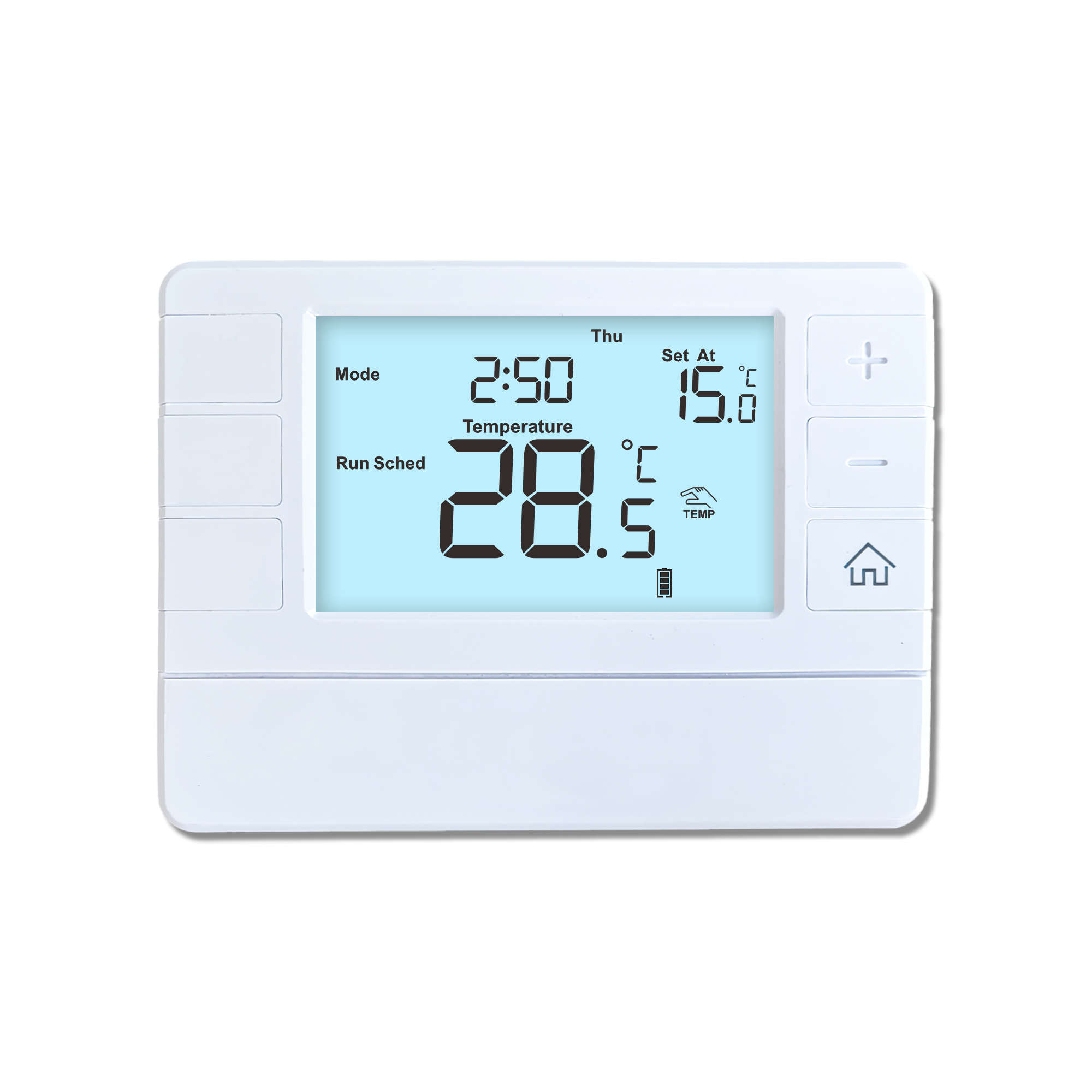
This shift has made traditional, manual thermostats obsolete, paving the way for advanced smart technologies.
Why You Need a Smart Thermostat
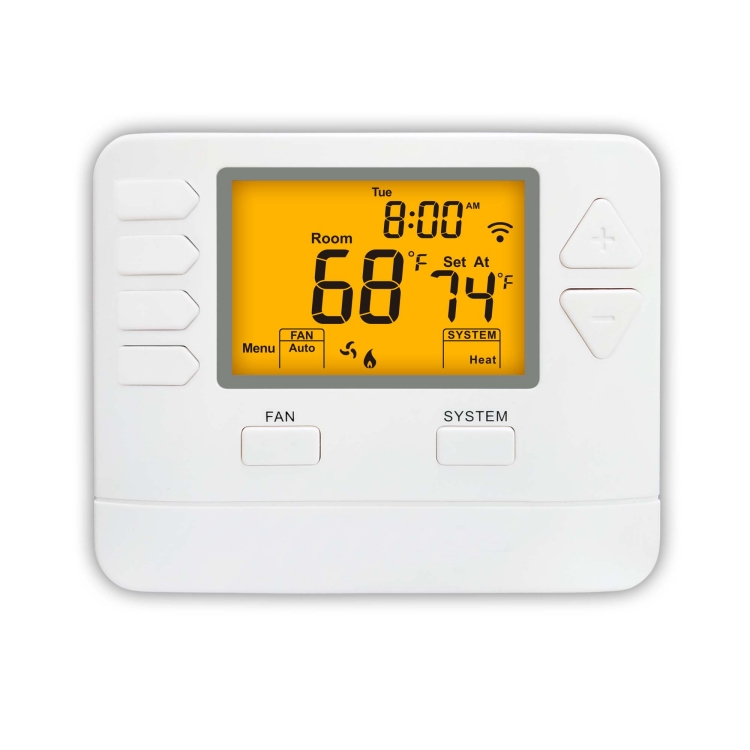
A true 7 Day programmable room thermostat offers the ultimate granular control. It allows users to program a distinct, customized heating and cooling schedule for every single day of the week.
How a 7 Day Programmable Room Thermostat Maximizes Home Comfort and Efficiency
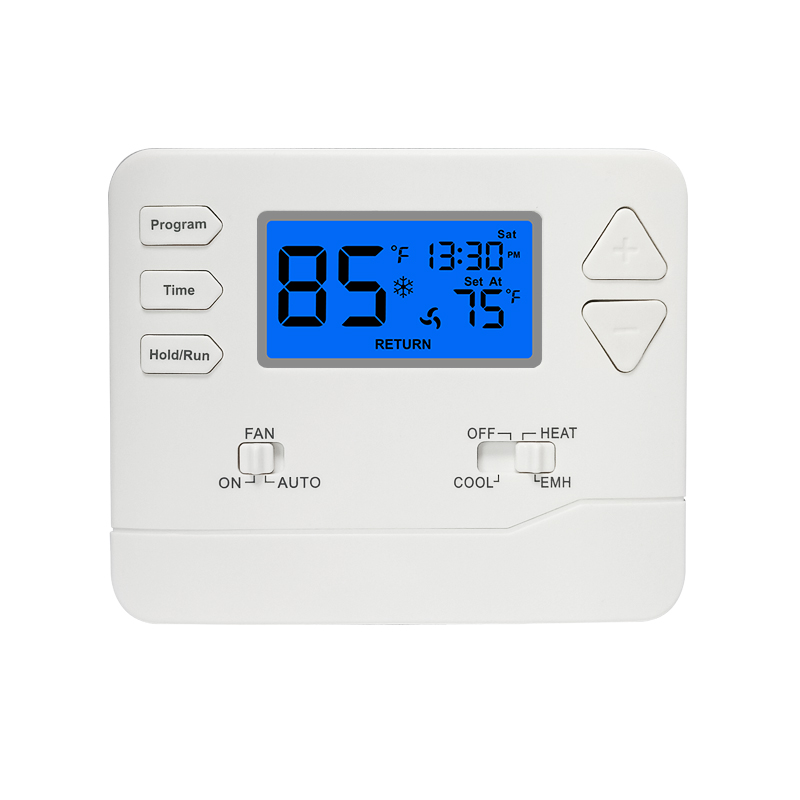
A premium Riseem thermostat is not just a digital display on your wall; it is the ultimate gatekeeper of your indoor environment.
Why a Quality Thermostat Is the Key to a More Comfortable Home
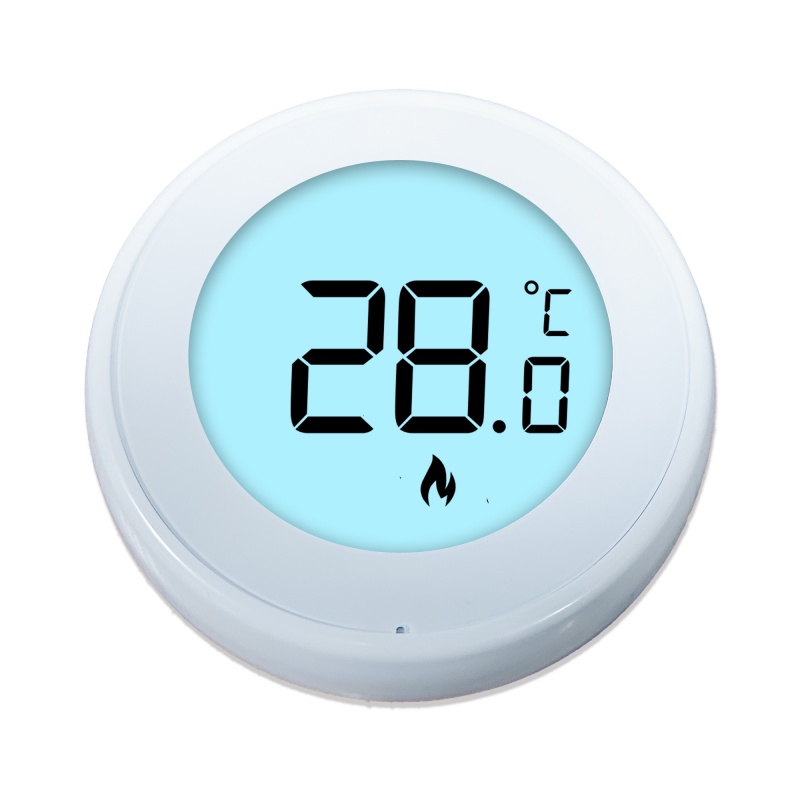
While the TUYA app provides the elegant interface, the physical thermostat remains the brain of the operation. Riseem has engineered a device that looks minimalist on your wall while delivering industrial-grade precision to your HVAC equipment.
Welcome to the Future of Home Automation The Ultimate Guide to TUYA WIFI Smart Thermostats