
Is a thermostat useful
author: Lily
2025-06-27
Is a Thermostat Useful? Absolutely!
In recent times, the question of whether a thermostat is truly useful has been a topic of discussion among homeowners, businesses, and environmentalists alike. As the world becomes more energy - conscious and the demand for comfortable living and working spaces grows, the role of thermostats has come under the spotlight. The answer, without a doubt, is a resounding yes. Thermostats are not only useful but have become an essential part of modern life.

Comfort Control: A Fundamental Benefit
At the most basic level, thermostats are the gatekeepers of comfort in our homes and workplaces. Consider the case of the Johnson family in Minneapolis. During the frigid Minnesota winters, their programmable thermostat is set to raise the indoor temperature to a cozy 70°F (21°C) just before they wake up in the morning. This ensures that they step out of their warm beds into a comfortably heated environment. In the evenings, as they settle down to relax, the thermostat maintains the temperature at a pleasant level for reading, watching TV, or simply unwinding. Similarly, in the sweltering summer months, the thermostat keeps the house cool, preventing the family from feeling the full brunt of the heat outside. In commercial settings, such as offices and retail stores, a well - regulated thermostat is crucial for customer and employee satisfaction. A study by the American Society of Heating, Refrigerating and Air - Conditioning Engineers (ASHRAE) found that an indoor temperature between 68 - 76°F (20 - 24.5°C) is ideal for promoting productivity and comfort. Thermostats make it possible to maintain this optimal temperature range, creating an environment where people can focus on their tasks without being distracted by extreme temperatures.

Energy Efficiency: A Major Advantage
One of the most significant advantages of thermostats, especially programmable and smart ones, is their ability to save energy. Traditional programmable thermostats allow users to set different temperature schedules for different times of the day. For example, a homeowner can program the thermostat to lower the temperature by a few degrees during the day when everyone is at work or school. Then, it can be set to return to a more comfortable temperature just before the family arrives home. This simple adjustment can lead to substantial energy savings. According to the Department of Energy, using a programmable thermostat can save up to 10% annually on heating and cooling costs. Smart thermostats take energy efficiency to the next level. Equipped with advanced sensors and machine - learning algorithms, they can learn the occupants' habits and adjust the temperature automatically. Some smart thermostats can even communicate with other smart home devices and the internet. For instance, if the thermostat detects that no one is at home, it can reduce the heating or cooling output. Additionally, it can adjust the temperature based on the outdoor weather forecast, ensuring that the home is neither over - nor under - heated. A study by Nest Labs (a leading smart thermostat manufacturer) found that their smart thermostats can save users an average of 10 - 12% on heating bills and 15% on cooling bills.

Environmental Impact: A Positive Contribution
The energy savings achieved through the use of thermostats have a direct and positive impact on the environment. By reducing the amount of energy consumed for heating and cooling, fewer fossil fuels need to be burned for power generation. This, in turn, leads to a decrease in greenhouse gas emissions, which are a major contributor to climate change. For example, if a typical household in the United States saves 10% on its annual heating and cooling energy consumption by using a thermostat effectively, it can reduce its carbon dioxide emissions by approximately 1,600 pounds per year. When this is multiplied by the millions of households in the country, the cumulative environmental benefit is significant. In addition to residential use, commercial and industrial buildings also consume a large amount of energy for climate control. Properly functioning thermostats in these buildings can lead to substantial energy savings and a reduction in their environmental footprint.
Beyond Temperature: Additional Benefits
Thermostats also play a crucial role in protecting property. In the case of museums and art galleries, precise temperature control is essential for preserving valuable artworks, historical documents, and artifacts. A thermostat ensures that the temperature and humidity levels remain within the optimal range, preventing damage due to temperature fluctuations. Similarly, in food storage facilities, thermostats are used to maintain the correct temperature for perishable goods, reducing spoilage and waste. In the agricultural sector, thermostats are used in greenhouses to create the ideal growing conditions for plants. They regulate the temperature, humidity, and ventilation, which is vital for maximizing crop yields and ensuring the quality of produce.
In conclusion, thermostats are far more than just simple temperature - regulating devices. They are essential tools for maintaining comfort, saving energy, protecting the environment, and preserving property. As technology continues to advance, thermostats are becoming even more intelligent and efficient, further enhancing their usefulness. Whether it's a basic programmable thermostat in a small home or a state - of - the - art smart thermostat in a large commercial building, these devices have firmly established themselves as a vital part of our modern lifestyle.


Portable Room Thermostats
1 Heat 1 Cool Programmable Thermostats for AC
Related Article
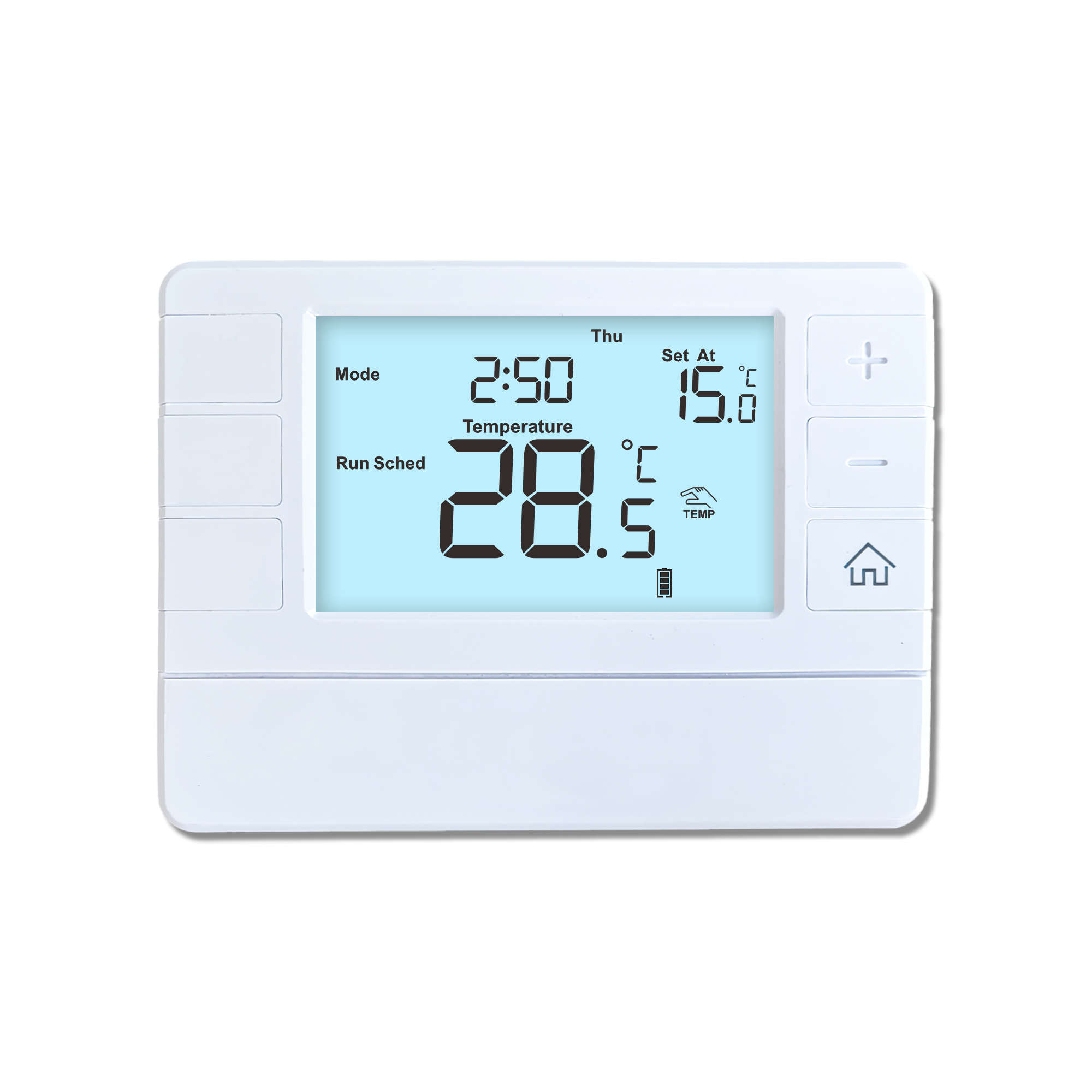
This shift has made traditional, manual thermostats obsolete, paving the way for advanced smart technologies.
Why You Need a Smart Thermostat
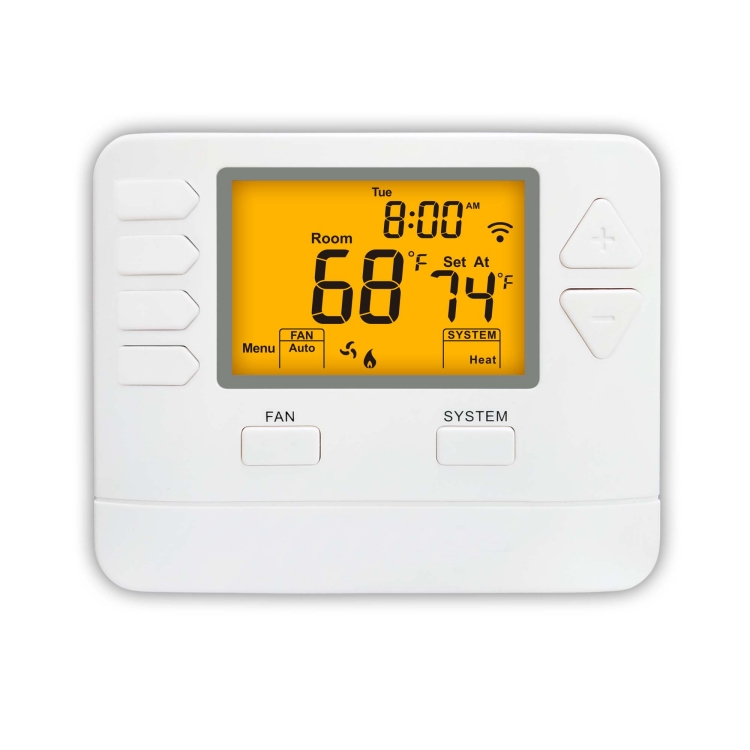
A true 7 Day programmable room thermostat offers the ultimate granular control. It allows users to program a distinct, customized heating and cooling schedule for every single day of the week.
How a 7 Day Programmable Room Thermostat Maximizes Home Comfort and Efficiency
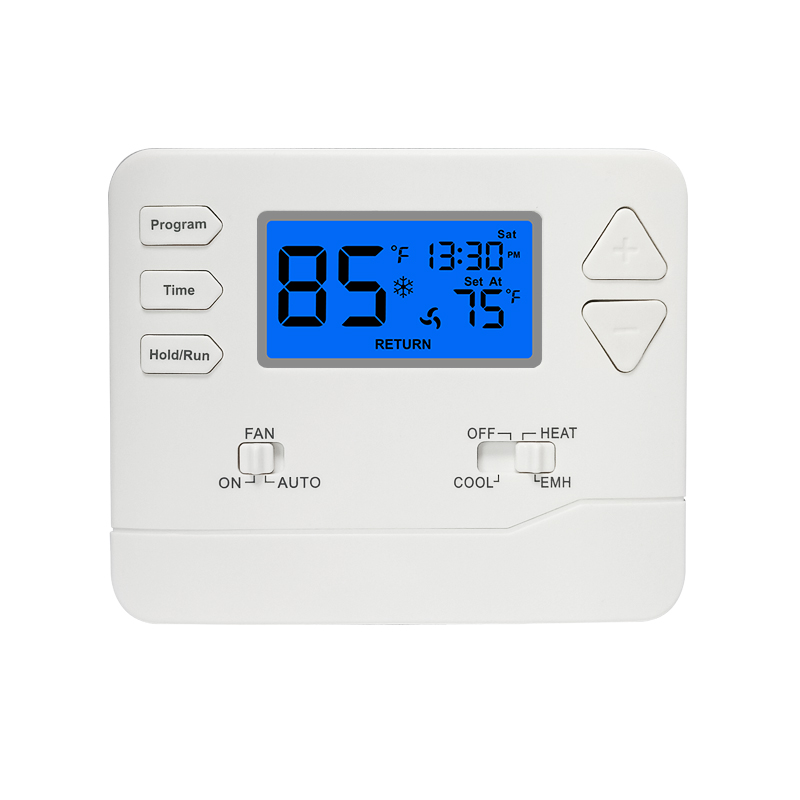
A premium Riseem thermostat is not just a digital display on your wall; it is the ultimate gatekeeper of your indoor environment.
Why a Quality Thermostat Is the Key to a More Comfortable Home
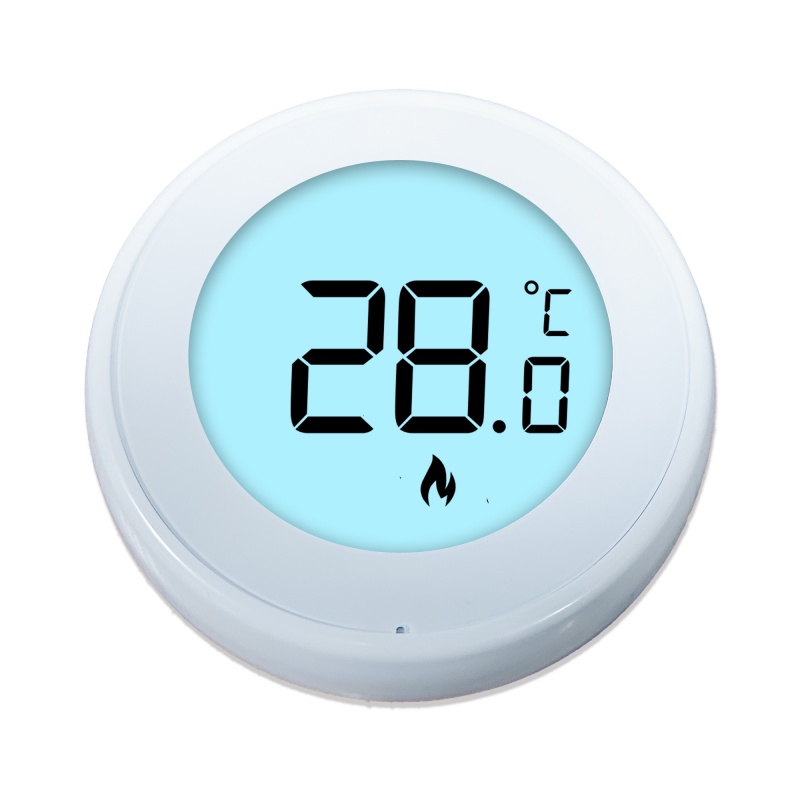
While the TUYA app provides the elegant interface, the physical thermostat remains the brain of the operation. Riseem has engineered a device that looks minimalist on your wall while delivering industrial-grade precision to your HVAC equipment.
Welcome to the Future of Home Automation The Ultimate Guide to TUYA WIFI Smart Thermostats