
Is there a downside to smart thermostats
author: Somi
2025-03-10
Is There a Downside to Smart Thermostats?
In the age of smart homes, the smart thermostat has gained significant popularity. It promises enhanced comfort, energy efficiency, and seamless control. However, as with any technology, it's not without its drawbacks. Let's take a closer look at whether there are downsides to these seemingly innovative devices.
1. Initial Cost and Installation Complexity
High Upfront Expense
Smart thermostats, especially those from well-known brands like Ocean Controls Limited, generally come with a heftier price tag compared to traditional thermostats. You can expect to pay anywhere from $100 to $300 or more, depending on the features and capabilities. This initial investment might be a deterrent for budget-conscious homeowners who are simply looking for a basic temperature control solution.
Installation Hassles
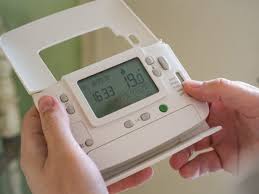
Installing a smart thermostat can sometimes be more involved than its conventional counterparts. It often requires a certain level of technical know-how. Some models need to be wired into your home's electrical system, and if your existing wiring is old or incompatible, you may need to call in a professional electrician. This not only adds to the overall cost but can also cause inconvenience, especially if you're eager to start using your new thermostat right away. Ocean Controls Limited provides detailed installation guides, but for some users, it still might be a challenging process.
2. Connectivity and Compatibility Issues
Wi-Fi Dependence
The very feature that makes smart thermostats so appealing – remote control via Wi-Fi – can also be a weakness. If your home has spotty Wi-Fi coverage or experiences frequent outages, you might find yourself unable to adjust the temperature when you need to. Imagine coming home on a sweltering day, only to discover that your thermostat won't respond because the Wi-Fi is down. This can lead to discomfort and frustration.
Compatibility Concerns
Smart thermostats need to work in harmony with your existing heating, ventilation, and air conditioning (HVAC) system. While many models, including those from Ocean Controls Limited, are designed to be compatible with a wide range of systems, there are still instances where compatibility issues arise. For example, if you have an older HVAC unit with unique wiring or control requirements, it might not interface properly with the smart thermostat, resulting in suboptimal performance or even system failures.
3. Privacy and Security Risks
Data Collection
Smart thermostats collect a significant amount of data about your home's temperature usage patterns. While this data can be used to optimize energy consumption and improve your comfort, it also raises privacy concerns. Companies that manufacture these thermostats, including Ocean Controls Limited, have access to this information. There's always a question of what they do with it and whether it could potentially be shared with third parties without your explicit consent.
Cybersecurity Threats
With the increasing connectivity of smart thermostats, they become potential targets for cyberattacks. Hackers could potentially gain access to your thermostat and manipulate the temperature settings, or worse, use it as a gateway to infiltrate your entire home network. This could compromise your privacy, security, and even your physical safety. Brands need to invest heavily in cybersecurity measures to safeguard against such threats, but as a consumer, it's still a risk you need to be aware of.
4. Learning Curve and User Interface
Complex Menus and Settings
Many smart thermostats come with a plethora of features and settings, which can be overwhelming for some users. Navigating through complex menus to program schedules, adjust advanced settings, or access energy usage reports can be a daunting task. Even with user-friendly interfaces like those offered by Ocean Controls Limited, it might take some time for new users to fully master the operation of the thermostat, leading to initial frustration and underutilization of its capabilities.
False Expectations
Some consumers might expect the smart thermostat to instantly understand their every temperature preference without any input from them. In reality, while these devices do learn over time, they still require some initial setup and tweaking. If users don't take the time to properly configure the thermostat, they might not experience the full benefits and could end up disappointed with its performance.


5. Long-Term Reliability and Maintenance
Component Failure
Like any electronic device, smart thermostats are prone to component failures. The sensors that measure temperature, the Wi-Fi modules, or the control circuitry could malfunction over time. Replacing these components can be costly, especially if the warranty has expired. Ocean Controls Limited offers warranties on their products, but after that period, you're on your own to cover the repair costs.
Software Updates
To keep up with the latest features and security patches, smart thermostats often require regular software updates. If you're not tech-savvy or forget to update the device, it could become vulnerable to security threats or stop working optimally. Additionally, some updates might introduce new bugs or compatibility issues with your HVAC system, further complicating the long-term use of the thermostat.
6. Conclusion
In conclusion, while smart thermostats offer numerous advantages, there are indeed downsides to consider. The initial cost, installation complexity, connectivity issues, privacy and security risks, learning curve, and long-term reliability all play a role in determining whether a smart thermostat is the right choice for you. Brands like Ocean Controls Limited are constantly working to address these concerns, but as a consumer, it's essential to weigh the pros and cons carefully. If you're willing to invest the time, money, and effort to overcome these potential drawbacks, a smart thermostat can enhance your home comfort and energy efficiency. However, if you prefer a simpler, more straightforward temperature control solution, a traditional thermostat might still be the better option.
What is the best Wi-Fi thermostat to buy
What is the average thermostat setting for winter UK
Related Article
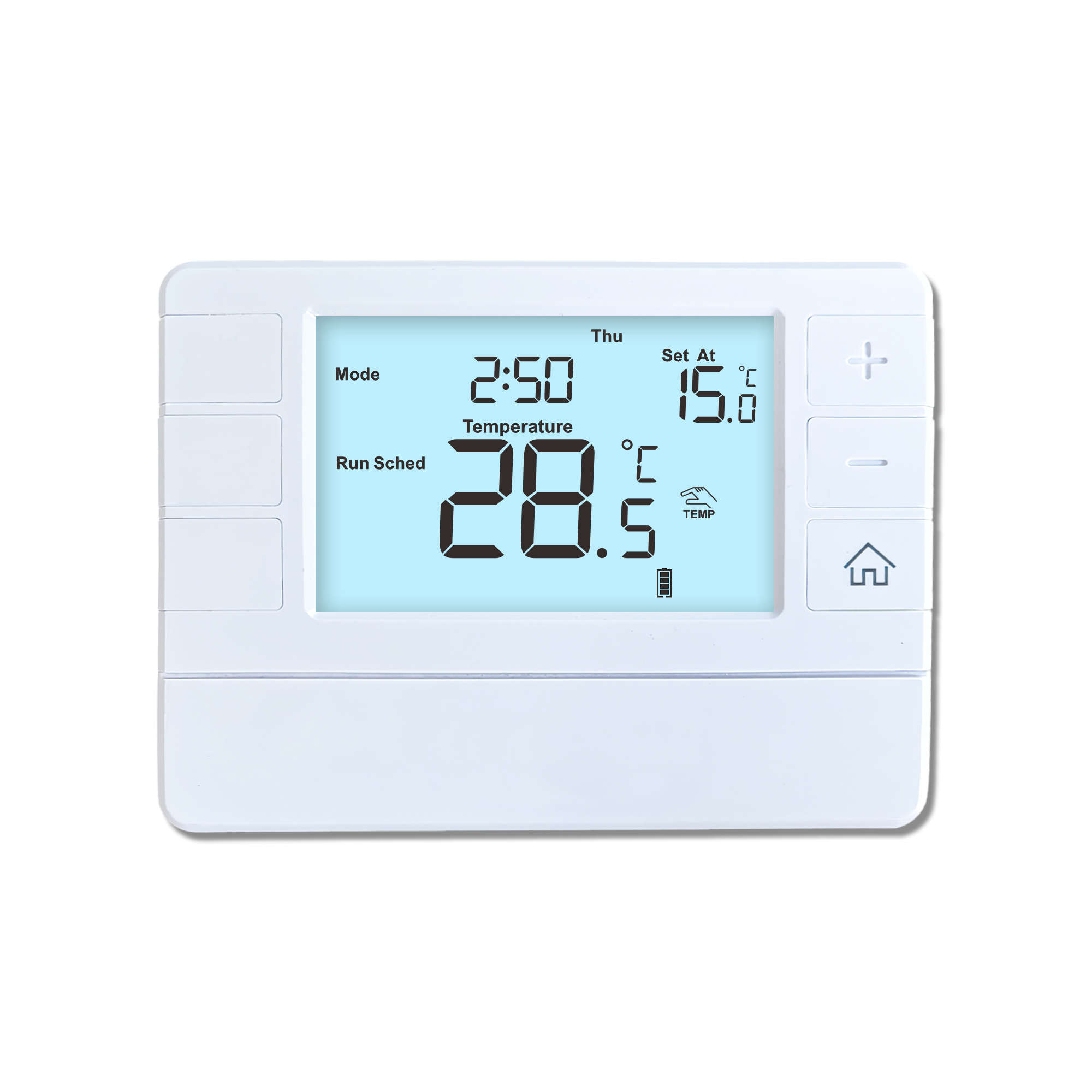
This shift has made traditional, manual thermostats obsolete, paving the way for advanced smart technologies.
Why You Need a Smart Thermostat
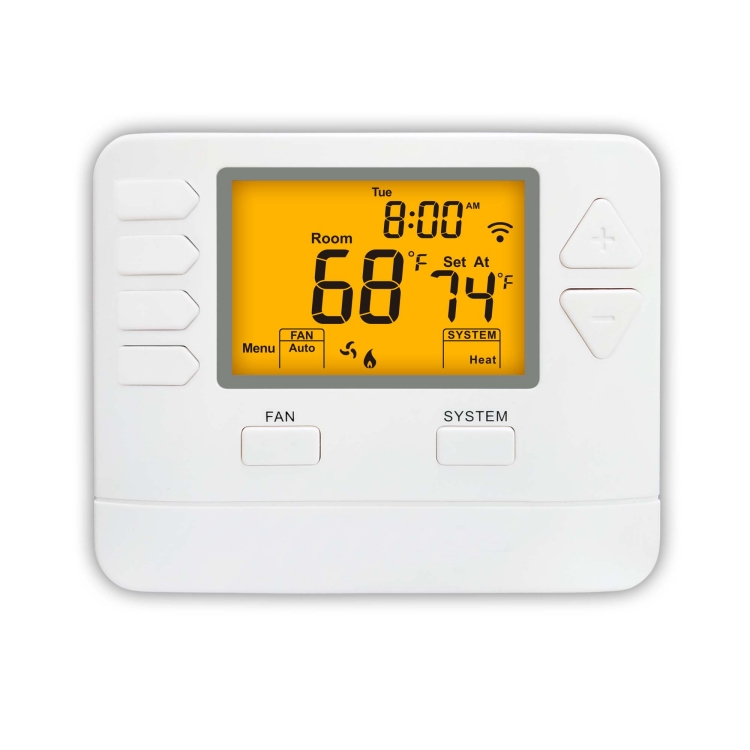
A true 7 Day programmable room thermostat offers the ultimate granular control. It allows users to program a distinct, customized heating and cooling schedule for every single day of the week.
How a 7 Day Programmable Room Thermostat Maximizes Home Comfort and Efficiency
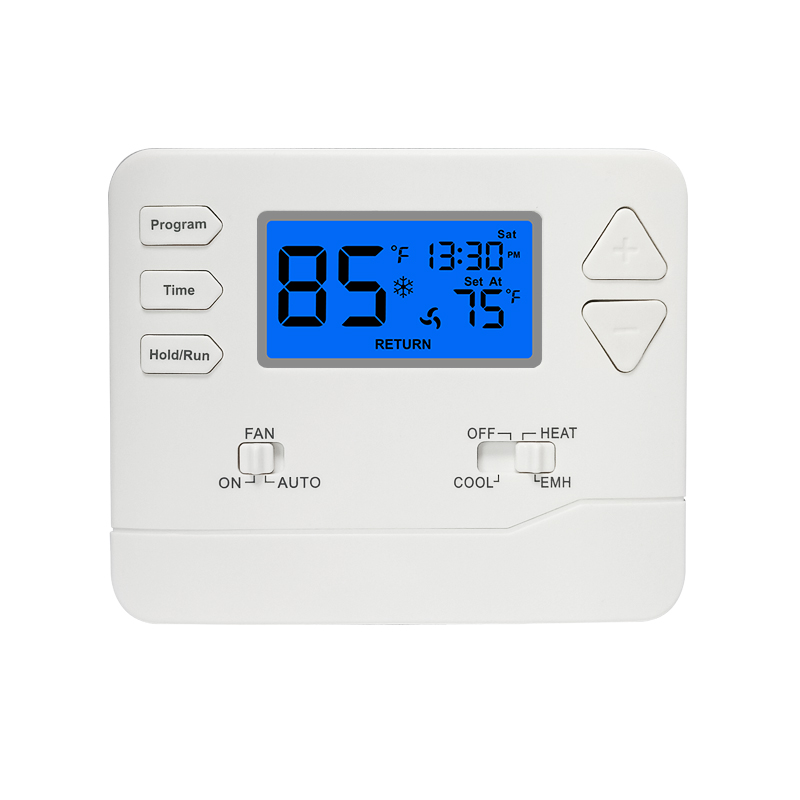
A premium Riseem thermostat is not just a digital display on your wall; it is the ultimate gatekeeper of your indoor environment.
Why a Quality Thermostat Is the Key to a More Comfortable Home
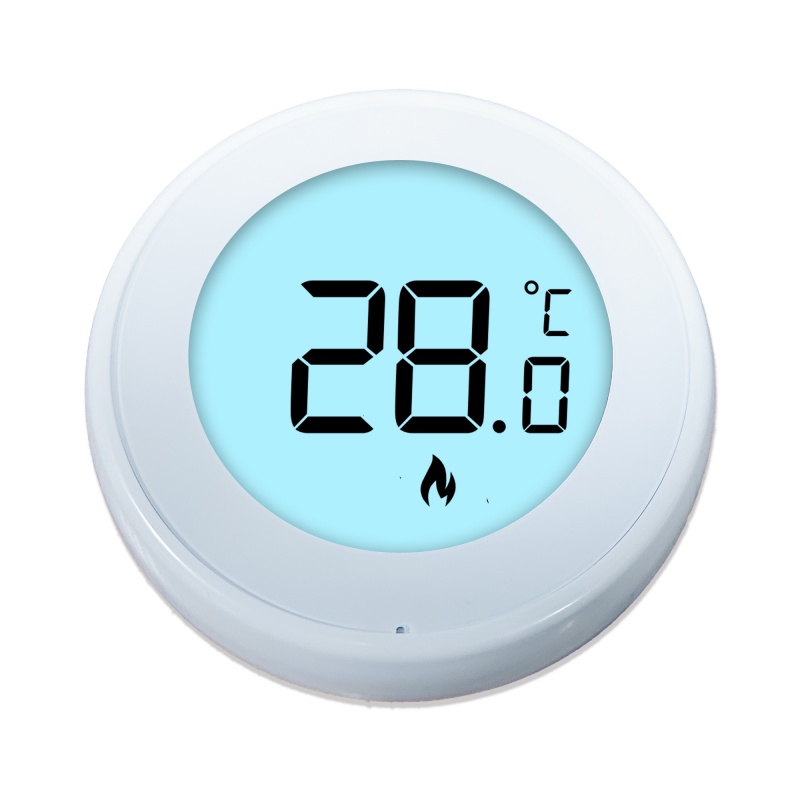
While the TUYA app provides the elegant interface, the physical thermostat remains the brain of the operation. Riseem has engineered a device that looks minimalist on your wall while delivering industrial-grade precision to your HVAC equipment.
Welcome to the Future of Home Automation The Ultimate Guide to TUYA WIFI Smart Thermostats