
is there a wireless thermostat
author: Lily
2025-04-17
Is There a Wireless Thermostat?


In an age where smart home technology is becoming increasingly prevalent, the query “Is there a wireless thermostat?” echoes the curiosity of many homeowners seeking enhanced convenience and efficiency in temperature control. The answer is a definite affirmative. A wireless thermostat represents a cutting - edge device that liberates users from the constraints of traditional wired systems, enabling seamless management of heating, ventilation, and air conditioning (HVAC) setups within residential and commercial spaces.
At the heart of wireless thermostats lies a range of sophisticated wireless communication technologies. Wi - Fi, for instance, is a commonly utilized protocol. It allows the thermostat to establish a connection with home networks, enabling users to control the device remotely via dedicated mobile applications or web interfaces. Bluetooth, on the other hand, offers short - range connectivity, which can be useful for initial setup and local adjustments. Zigbee, with its low - power consumption and mesh networking capabilities, ensures stable communication between the thermostat and other smart devices in a home automation ecosystem. These technologies work in harmony to provide a user - friendly experience, allowing individuals to fine - tune the temperature of their spaces from anywhere in the world with an internet connection.
The practical applications of wireless thermostats are far - reaching. Consider a busy professional who often forgets to turn off the air conditioning before leaving for work. With a wireless thermostat, they can simply open the corresponding app on their smartphone while commuting and switch off the cooling system, thus avoiding unnecessary energy consumption. For those with irregular schedules, smart wireless thermostats can be programmed to adapt to different routines. They can automatically lower the temperature during the day when no one is at home and raise it again just before the residents return, striking the perfect balance between comfort and energy savings.
The market for wireless thermostats has experienced a significant upsurge in recent times. A multitude of manufacturers, both established players in the HVAC industry and new entrants from the tech sector, are vying for a share of this burgeoning market. This intense competition has led to a rapid pace of innovation. New models are frequently launched, boasting features like voice control compatibility with virtual assistants such as Amazon Alexa and Google Assistant. This hands - free operation adds another layer of convenience, allowing users to adjust the temperature with simple voice commands while cooking, reading, or engaged in other activities. Additionally, some advanced wireless thermostats are equipped with occupancy sensors. These sensors detect whether a room is occupied or not and adjust the temperature accordingly, further optimizing energy usage.
Nonetheless, the journey of wireless thermostats is not without its hurdles. Connectivity issues remain a persistent concern. In some households, especially those with complex network architectures or in areas with weak signal strength, the wireless thermostat may face disruptions in its connection to the home network. This can result in delays in receiving commands or inaccurate temperature readings. Security is another critical aspect. As these devices are connected to the internet, they are potential targets for hackers. A compromised wireless thermostat could not only disrupt the HVAC system but also pose a risk to the overall security of the smart home network if it is integrated with other connected devices.
Looking towards the future, the prospects for wireless thermostats are bright. The ongoing development of 6G technology, which promises even faster and more reliable wireless connections, will likely unlock new possibilities for these devices. Integration with the Internet of Things (IoT) will deepen, enabling more complex automation scenarios. For example, a wireless thermostat could communicate with smart blinds to adjust the amount of sunlight entering a room, thereby reducing the need for excessive heating or cooling. Moreover, with the global push towards environmental sustainability, wireless thermostats will play an even more crucial role in optimizing energy usage and reducing carbon footprints.
In summary, wireless thermostats are not just a technological novelty but a transformative solution for modern living. Despite the challenges they face, their numerous benefits in terms of convenience, energy efficiency, and adaptability make them an increasingly attractive option for consumers. As technology continues to evolve, wireless thermostats are poised to become an indispensable part of smart homes, enhancing our quality of life while contributing to a more sustainable future.


how to connect a wireless thermostat
how to install a thermostat
Related Article
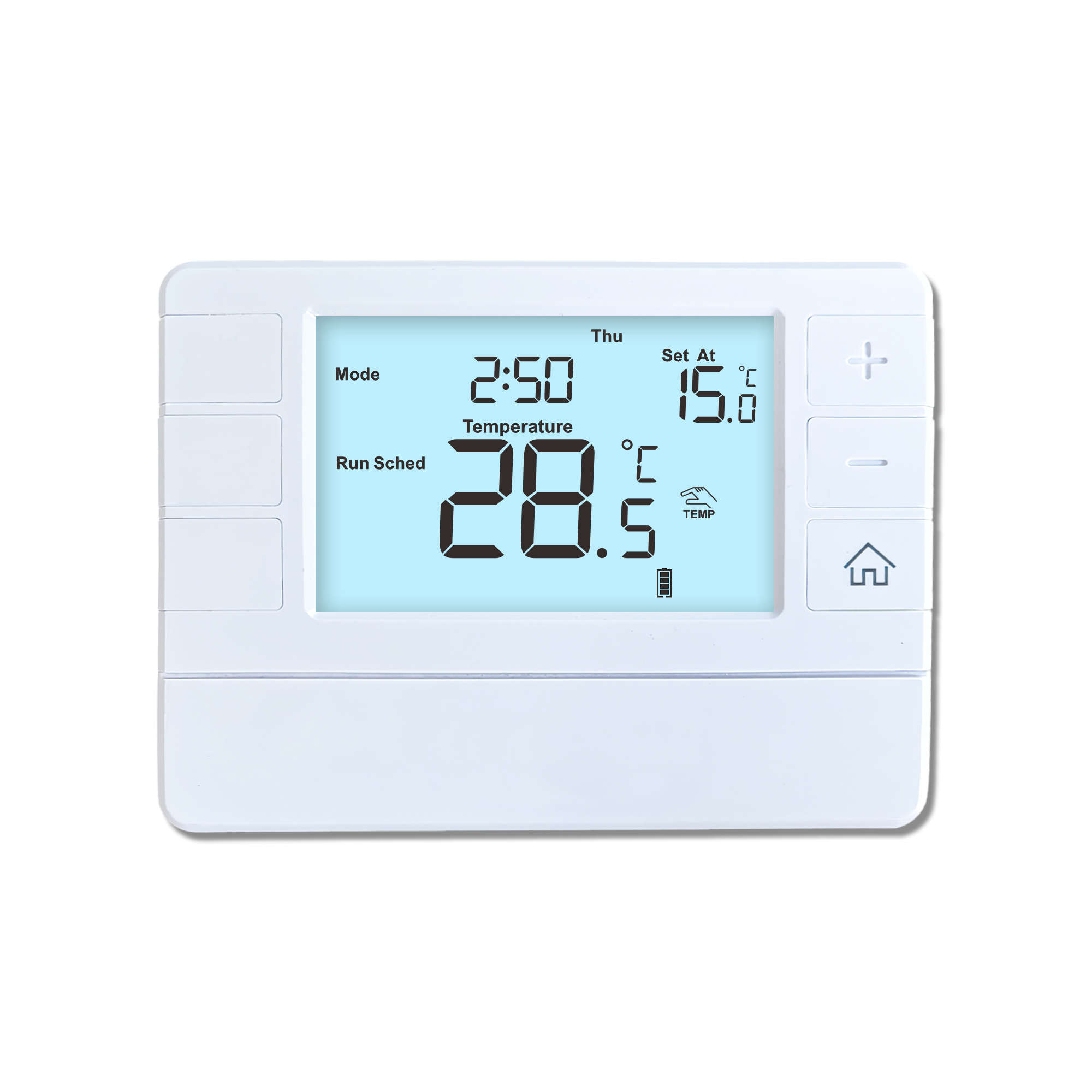
This shift has made traditional, manual thermostats obsolete, paving the way for advanced smart technologies.
Why You Need a Smart Thermostat
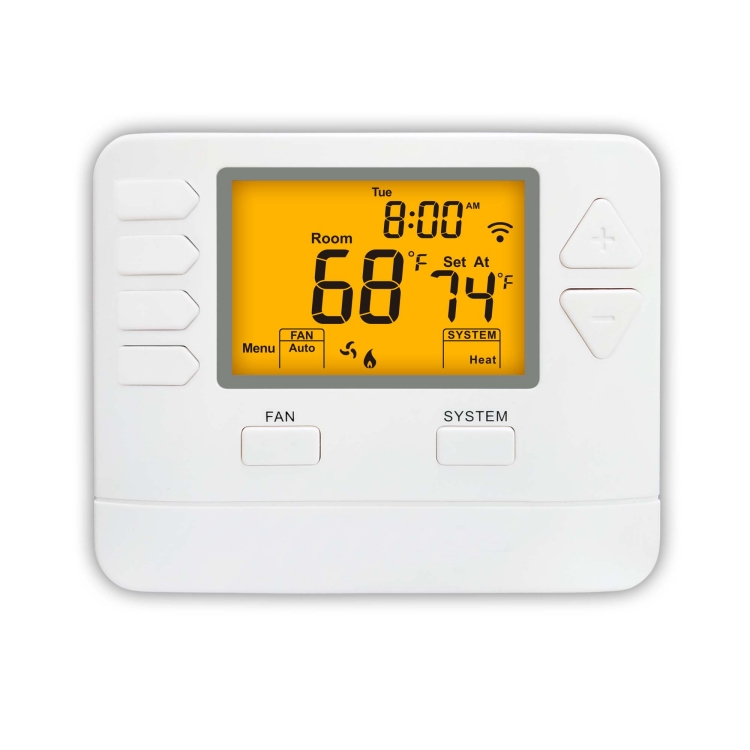
A true 7 Day programmable room thermostat offers the ultimate granular control. It allows users to program a distinct, customized heating and cooling schedule for every single day of the week.
How a 7 Day Programmable Room Thermostat Maximizes Home Comfort and Efficiency
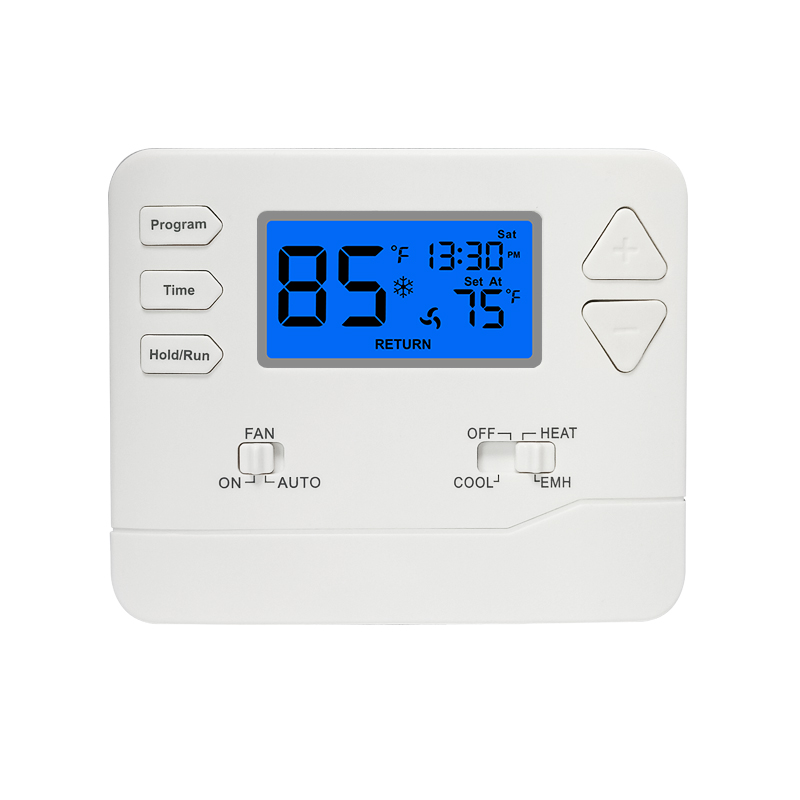
A premium Riseem thermostat is not just a digital display on your wall; it is the ultimate gatekeeper of your indoor environment.
Why a Quality Thermostat Is the Key to a More Comfortable Home
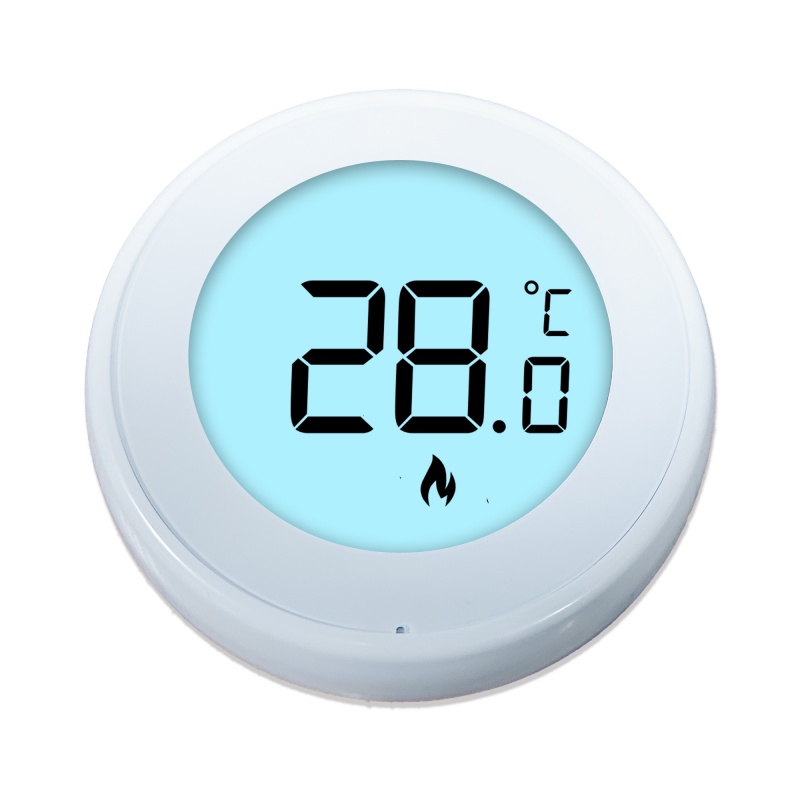
While the TUYA app provides the elegant interface, the physical thermostat remains the brain of the operation. Riseem has engineered a device that looks minimalist on your wall while delivering industrial-grade precision to your HVAC equipment.
Welcome to the Future of Home Automation The Ultimate Guide to TUYA WIFI Smart Thermostats