
Smart thermostat for house
author: Bella
2025-07-01
Smart thermostat for House: The Smart Upgrade Revolutionizing Home Comfort and Energy Efficiency
In an era where sustainability and convenience drive technological innovation, the humble household thermostat has evolved into a sophisticated tool for managing both comfort and energy costs. Modern smart thermostats are transforming how homeowners control their heating, ventilation, and air conditioning (HVAC) systems, offering unprecedented precision, automation, and connectivity.

Energy Efficiency Meets Environmental Goals
With climate change concerns mounting, energy-efficient home solutions have become a priority. Smart thermostats align with global sustainability efforts by reducing unnecessary HVAC operation. The U.S. Department of Energy estimates that proper thermostat programming can cut annual energy consumption by up to 10%, equivalent to preventing hundreds of pounds of CO2 emissions per household. Cities like Los Angeles and Berlin now offer rebates for smart thermostat installations, incentivizing residents to adopt greener technologies.

Integration with Smart Home Ecosystems
Seamless compatibility with voice assistants like Amazon Alexa, Google Assistant, and Apple HomeKit allows users to control their thermostats via smartphones or voice commands. “Hey Google, set the temperature to 72 degrees” or “Alexa, turn off the AC” are now common phrases in smart homes. Additionally, geofencing features use GPS data to detect when occupants leave home, automatically adjusting settings to save energy—a boon for busy families.
Affordability and Accessibility Drive Adoption
While early models carried hefty price tags, competition has driven costs down, making smart thermostats accessible to middle-income households. Basic models now start under $100, with premium options offering advanced features like room-specific sensors and energy usage reports. Utilities and HVAC companies also partner to provide discounted or free installations, further accelerating uptake.
Challenges and Future Innovations
Despite their benefits, smart thermostats face hurdles. Privacy concerns linger over data collection, though manufacturers emphasize encryption and user consent protocols. Additionally, older homes with outdated HVAC systems may require upgrades for full compatibility.
Looking ahead, experts predict tighter integration with renewable energy sources. Future thermostats could sync with solar panels or battery storage systems to prioritize clean energy use. “The next frontier is making homes not just smart but self-sustaining,” says Dr. Emily Chen, a renewable energy researcher at MIT.

Conclusion
The smart thermostat is no longer a luxury—it’s a cornerstone of modern, efficient living. By blending cutting-edge technology with practical savings, these devices empower homeowners to reduce their carbon footprint without sacrificing comfort. As innovation continues, the thermostat for the house will remain at the forefront of the smart home revolution.


which type of thermostats provide the closest temperature control
Underfloor Heating Room Thermostat
Related Article
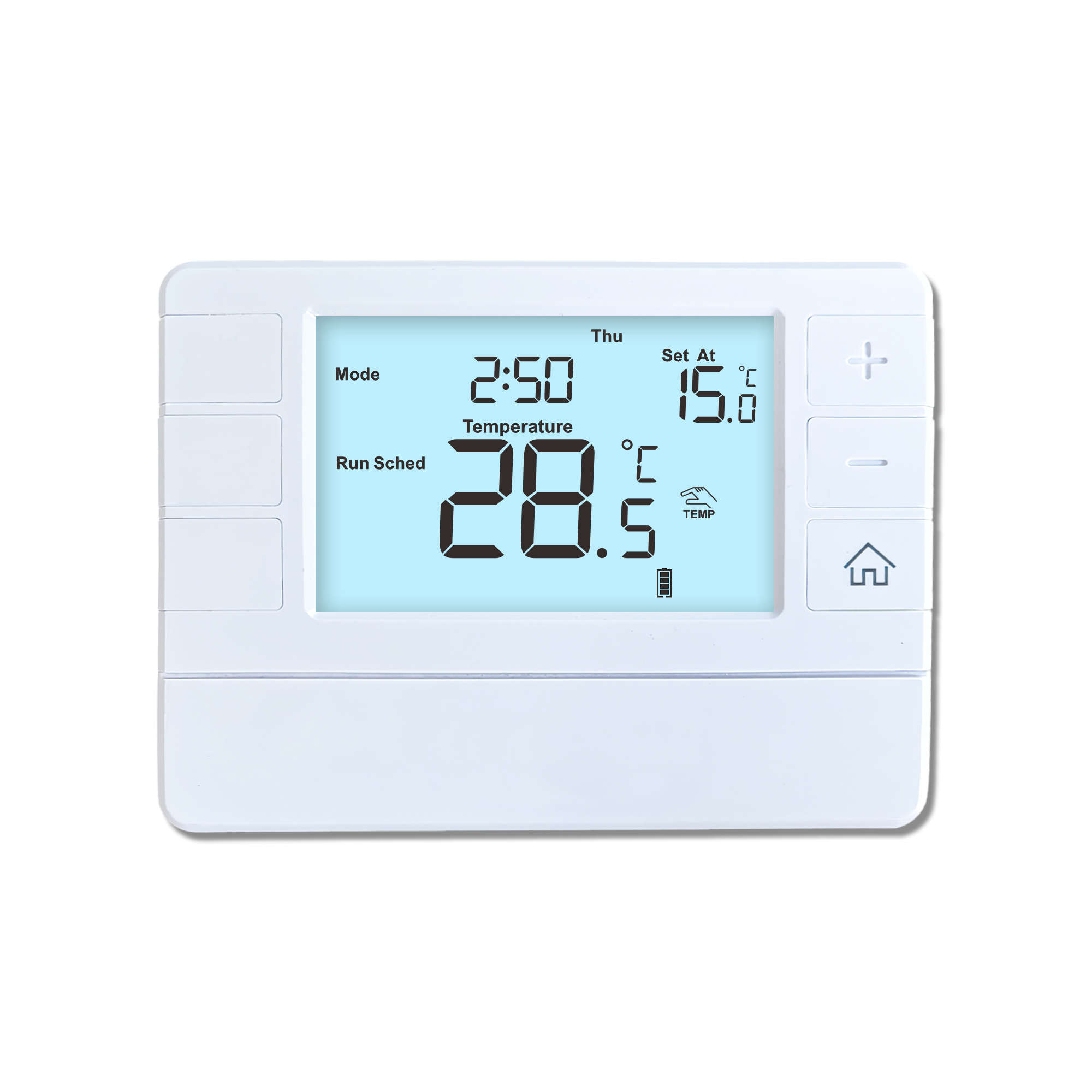
This shift has made traditional, manual thermostats obsolete, paving the way for advanced smart technologies.
Why You Need a Smart Thermostat
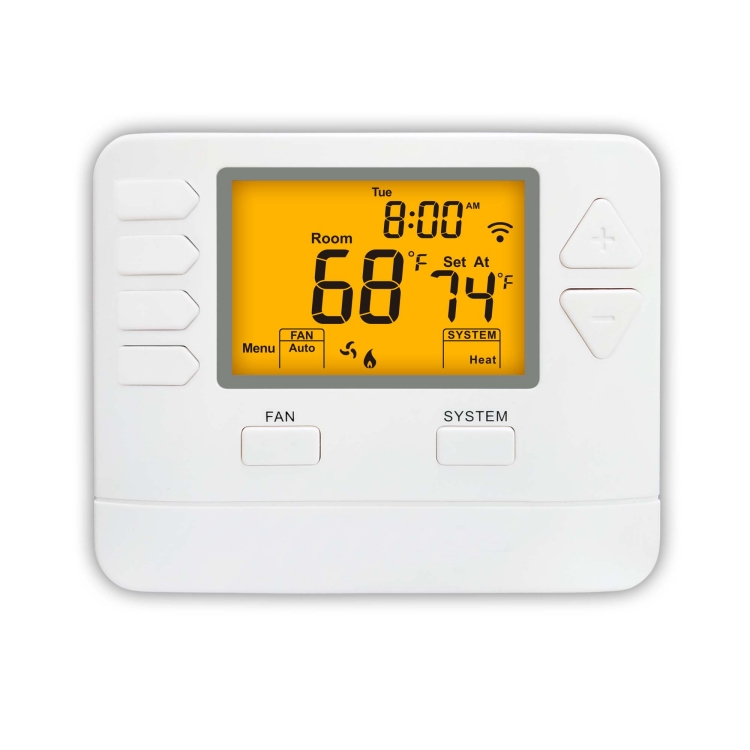
A true 7 Day programmable room thermostat offers the ultimate granular control. It allows users to program a distinct, customized heating and cooling schedule for every single day of the week.
How a 7 Day Programmable Room Thermostat Maximizes Home Comfort and Efficiency
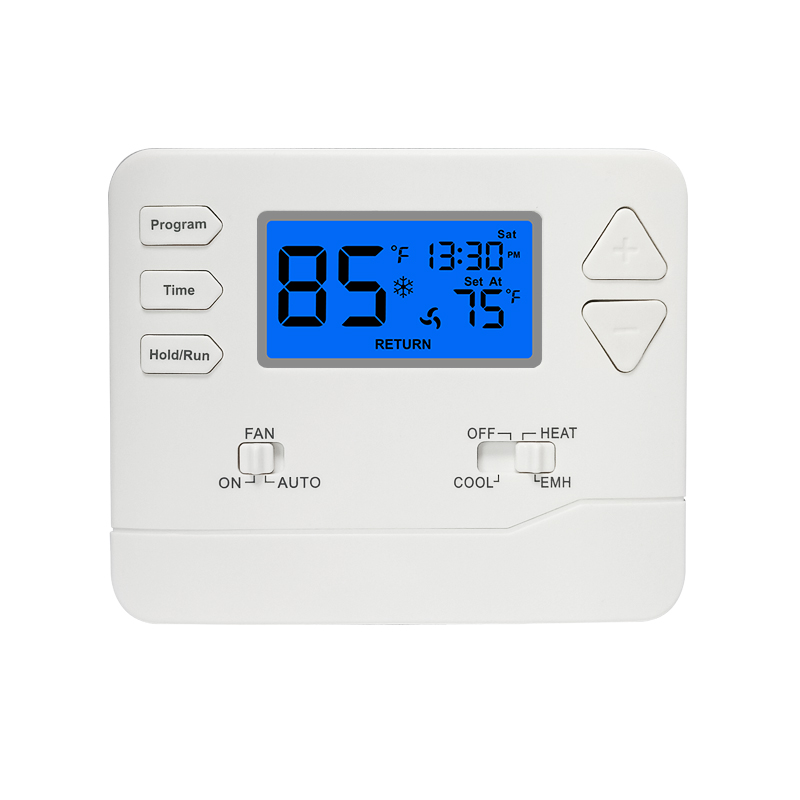
A premium Riseem thermostat is not just a digital display on your wall; it is the ultimate gatekeeper of your indoor environment.
Why a Quality Thermostat Is the Key to a More Comfortable Home
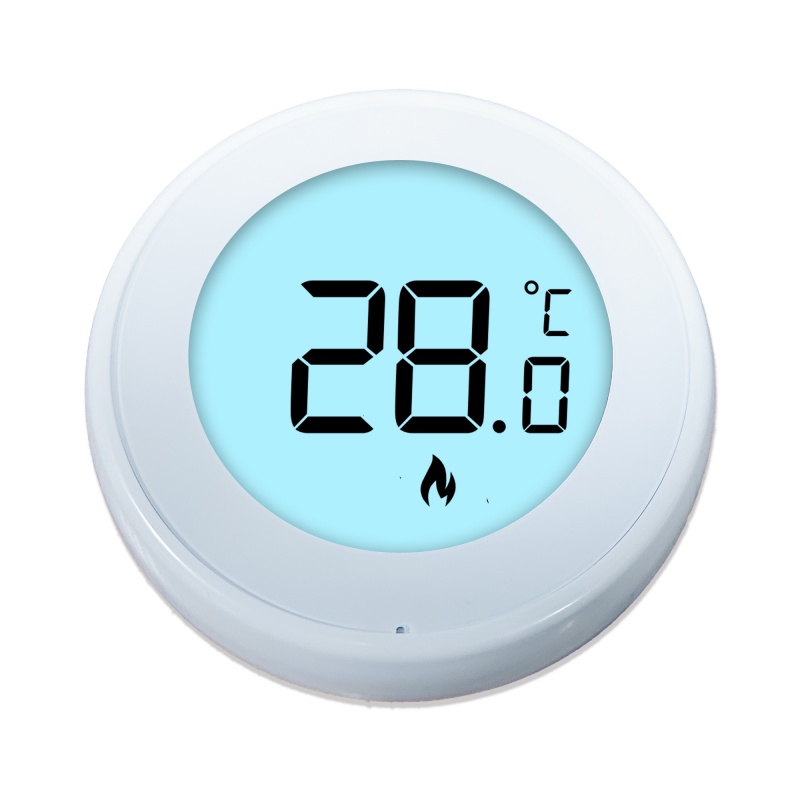
While the TUYA app provides the elegant interface, the physical thermostat remains the brain of the operation. Riseem has engineered a device that looks minimalist on your wall while delivering industrial-grade precision to your HVAC equipment.
Welcome to the Future of Home Automation The Ultimate Guide to TUYA WIFI Smart Thermostats