
Smart thermostats for PTAC
author: Bani
2025-08-22
Smart Thermostats for PTAC: Elevating Packaged Terminal Air Conditioners with Intelligent Control

Packaged Terminal Air Conditioners (PTACs) are workhorses in hotels, apartments, and small commercial spaces—delivering heating and cooling in a compact, self-contained unit. But to unlock their full potential for comfort and efficiency, a smart thermostat for PTAC is a game-changer. Unlike basic thermostats, these intelligent devices add remote access, energy tracking, and adaptive features that transform how PTAC systems operate. In this blog, we’ll explore why smart thermostats are essential for PTAC units, their key benefits, and how Ocean Controls Limited’s offerings—available at www.riseem.cn—lead the way in this category.
What Are Smart Thermostats for PTAC?
A smart thermostat for PTAC is a specialized, Wi-Fi-enabled control device designed exclusively to work with Packaged Terminal Air Conditioners. PTAC systems have unique wiring and operational needs (e.g., integrating heating coils, fan speeds, and energy-saving modes), and these smart thermostats are engineered to match those requirements. Unlike generic smart thermostats that may struggle with PTAC compatibility, dedicated models communicate seamlessly with the unit to regulate temperature, monitor usage, and enable remote adjustments. They act as the “brain” of the PTAC, turning a basic cooling/heating unit into an intelligent, energy-efficient system.
Why PTAC Systems Benefit from Smart Thermostats
PTAC units are often used in spaces where user behavior varies (e.g., hotel rooms with rotating guests, apartments with changing tenants)—making basic thermostats inefficient. A smart thermostat for PTAC solves this by:
- Adapting to occupancy: Many models include occupancy sensors that lower temperatures when a room is empty, cutting energy waste.
- Enabling centralized control: For property managers, smart thermostats let you monitor and adjust multiple PTAC units from a single dashboard, avoiding the need to check each room individually.
- Preventing misuse: With lockable settings, you can set temperature limits (e.g., no lower than 20°C for cooling) to stop guests or tenants from overworking the PTAC.
Ocean Controls Limited notes that PTACs paired with their smart thermostats reduce energy consumption by up to 25% compared to PTACs with basic thermostats.
Key Features of Smart Thermostats for PTAC

Remote Access via App
The biggest advantage of a smart thermostat for PTAC is Wi-Fi connectivity. Using a smartphone app (like the one offered by Ocean Controls Limited), you can adjust the temperature, switch between heating/cooling, or activate fan mode from anywhere—whether you’re at the front desk of a hotel, managing an apartment building remotely, or pre-cooling your vacation rental before arrival.
Energy Usage Tracking
These thermostats log how much energy the PTAC uses, showing you trends (e.g., peak usage times, which rooms consume the most power). This data helps property managers identify inefficiencies and adjust settings to lower utility bills.
Compatibility with PTAC-Specific Modes
PTACs often have unique modes like “eco,” “sleep,” or “fan-only”—and smart thermostats for PTAC are programmed to support these. For example, activating “eco mode” via the thermostat automatically adjusts the PTAC to run at a more efficient speed, balancing comfort and savings.
Ocean Controls Limited’s Smart Thermostats for PTAC
Ocean Controls Limited is a leader in PTAC-specific temperature control, and their smart thermostats for PTAC are designed to meet the demands of both residential and commercial users. Their models stand out for:
- Universal compatibility: They work with most major PTAC brands (e.g., GE, Friedrich, LG) and support 24V low-voltage systems—eliminating the hassle of checking for brand-specific fits.
- User-friendly design: The thermostats have large, backlit digital displays for easy reading (even in dim hotel rooms) and intuitive buttons, while the app features a simple interface for remote control.
- Durability: Built with commercial-grade materials, they withstand heavy use (e.g., frequent guest adjustments in hotels) and resist wear from cleaning or humidity.
To browse their full lineup—including models with occupancy sensors and energy-reporting tools—visit www.riseem.cn.
How to Choose the Right Smart Thermostat for Your PTAC
Verify PTAC Compatibility
First, confirm the thermostat works with your PTAC’s voltage (most are 24V) and wiring configuration (e.g., does your PTAC have a heating coil that requires a “W” wire?). Ocean Controls Limited’s website (www.riseem.cn) has a compatibility checker—simply enter your PTAC model to find matching thermostats.

Prioritize Commercial vs. Residential Needs
For hotels or apartment buildings, look for thermostats with centralized management (e.g., the ability to group units by floor or building). For residential PTACs (e.g., in a studio apartment), focus on app ease-of-use and energy tracking.
Check for Energy-Saving Features
If lowering utility costs is a priority, choose a model with occupancy sensors, programmable schedules (e.g., set cooling to kick in before you get home), or demand-response mode (adjusts during peak energy hours).
Installation Tips for Smart Thermostats for PTAC
Hire a Certified Technician
PTAC wiring is more complex than standard HVAC systems—incorrect installation can damage the PTAC or thermostat. A technician familiar with PTACs will ensure the wires (e.g., “R” for power, “Y” for cooling, “W” for heat) are connected correctly.
Follow Manufacturer Guidelines
Ocean Controls Limited provides detailed installation manuals (available for download at www.riseem.cn) that include wiring diagrams and mounting instructions. The thermostat should be installed away from direct sunlight, PTAC vents, or drafty windows to ensure accurate temperature readings.
Test the Connection
After installation, connect the thermostat to your Wi-Fi and test the app: adjust the temperature, switch modes, and check if the PTAC responds instantly. If there’s a delay, verify the Wi-Fi signal strength near the thermostat—you may need a range extender for large spaces.
Maintenance to Keep Your Smart Thermostat Working Well
- Clean the Sensor: Wipe the thermostat’s temperature sensor with a soft, dry cloth every month to remove dust—dust can cause inaccurate readings, leading to inefficient PTAC operation.
- Update the App and Firmware: Regularly update the thermostat’s firmware (via the app) to access new features and bug fixes. Ocean Controls Limited sends notifications when updates are available.
- Check Wi-Fi Connectivity: If remote control stops working, reset the thermostat’s Wi-Fi or move the router closer—weak signals are the most common issue with smart thermostats.
Conclusion: Upgrade Your PTAC with a Smart Thermostat
A smart thermostat for PTAC turns a basic, manual unit into an efficient, controllable system—saving energy, improving comfort, and simplifying management for property owners and users alike. Ocean Controls Limited’s dedicated models, available at www.riseem.cn, combine compatibility, durability, and smart features that are tailored to PTAC needs. Whether you’re managing a hotel, an apartment building, or a residential PTAC, this upgrade is a cost-effective way to get more out of your heating and cooling system.


WIFI PTAC Thermostats
digital wireless room thermostat
Related Article
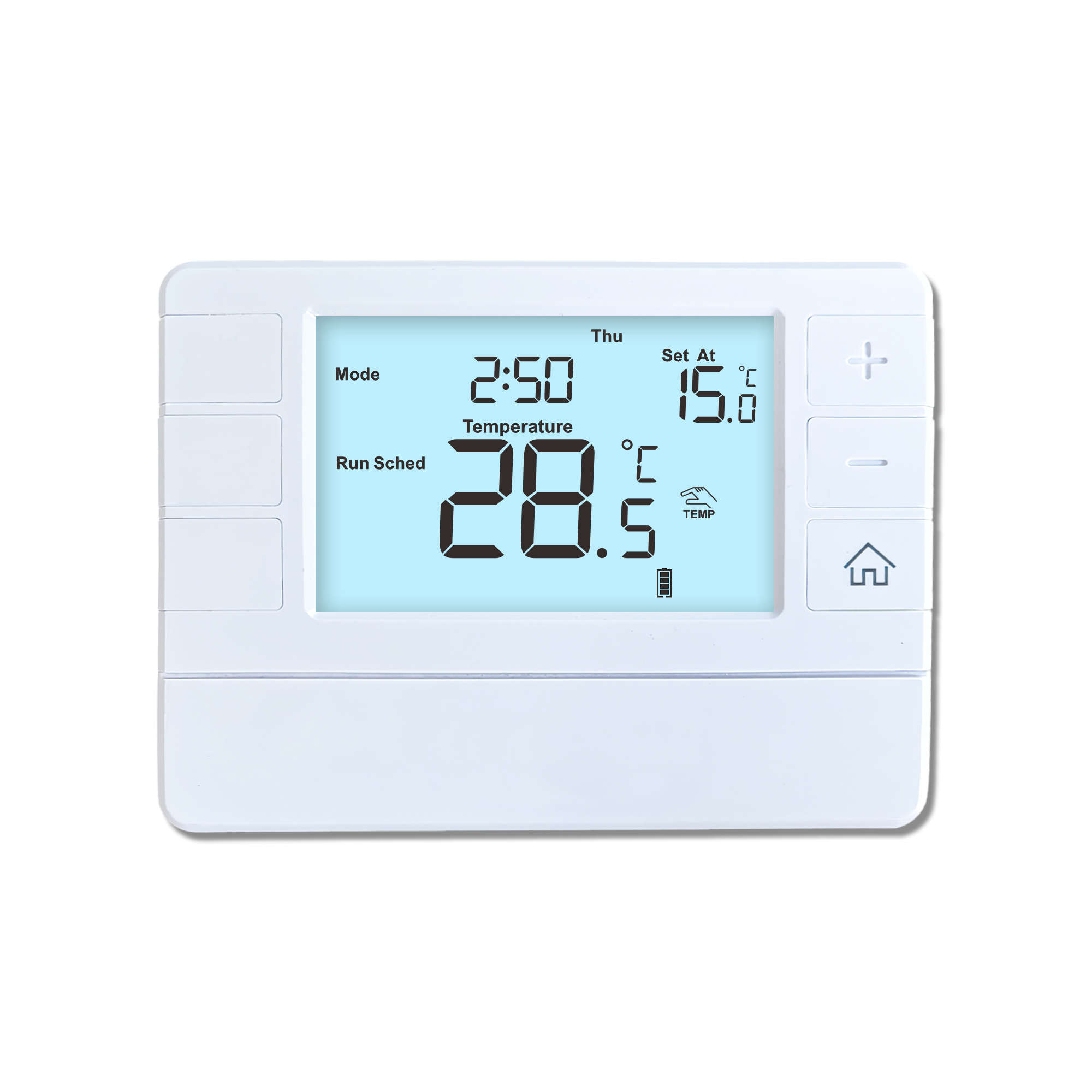
This shift has made traditional, manual thermostats obsolete, paving the way for advanced smart technologies.
Why You Need a Smart Thermostat
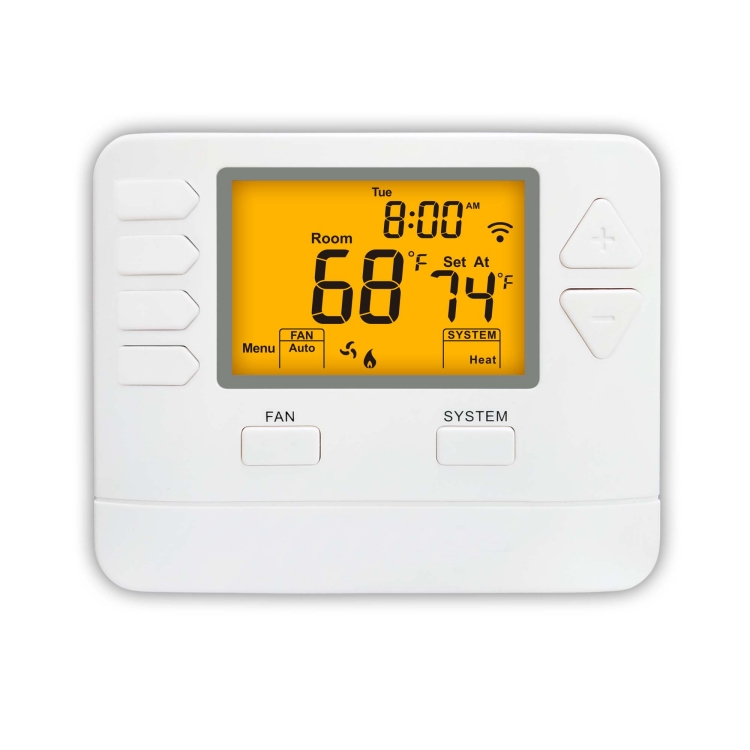
A true 7 Day programmable room thermostat offers the ultimate granular control. It allows users to program a distinct, customized heating and cooling schedule for every single day of the week.
How a 7 Day Programmable Room Thermostat Maximizes Home Comfort and Efficiency
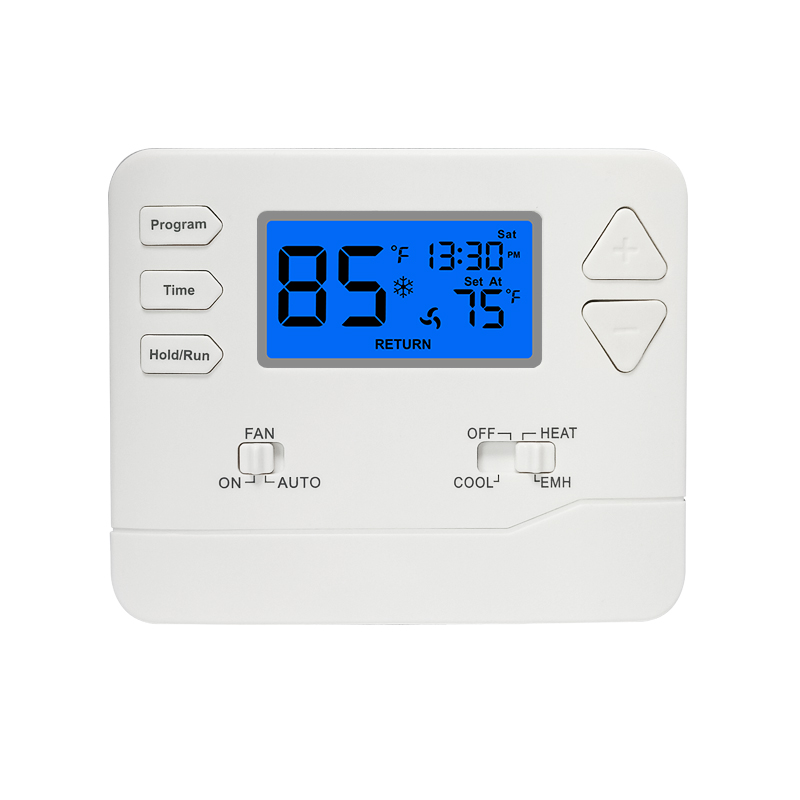
A premium Riseem thermostat is not just a digital display on your wall; it is the ultimate gatekeeper of your indoor environment.
Why a Quality Thermostat Is the Key to a More Comfortable Home
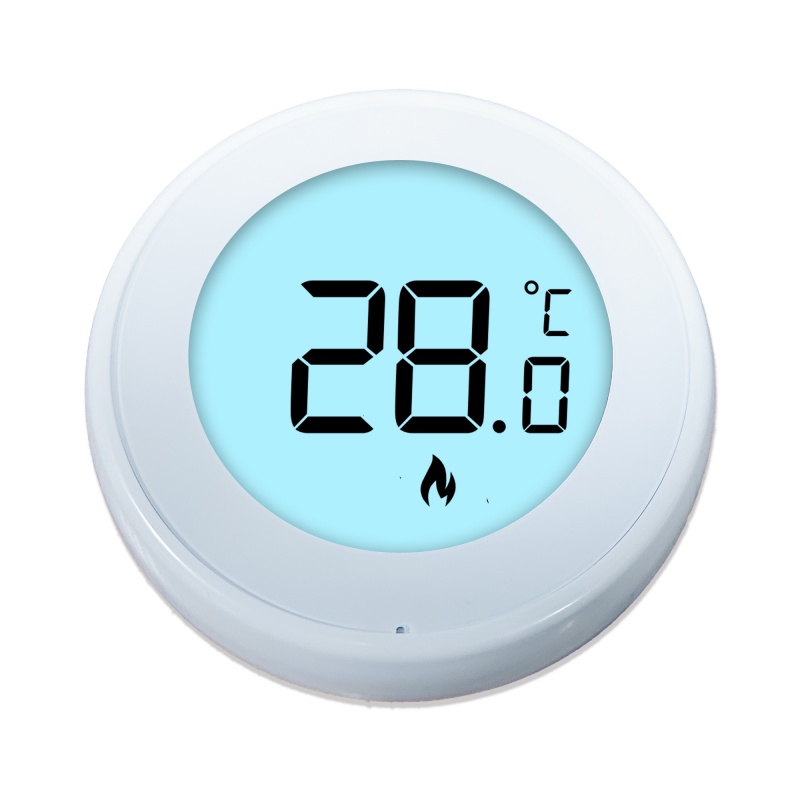
While the TUYA app provides the elegant interface, the physical thermostat remains the brain of the operation. Riseem has engineered a device that looks minimalist on your wall while delivering industrial-grade precision to your HVAC equipment.
Welcome to the Future of Home Automation The Ultimate Guide to TUYA WIFI Smart Thermostats