
The Marvel of Thermostat Heating and Cooling
author: Karen Bin
2025-06-09
The Marvel of Thermostat Heating and Cooling: A Comprehensive Guide
In the realm of home comfort and energy efficiency, thermostats stand as unsung heroes. They are the silent guardians that regulate the temperature within our living spaces, ensuring warmth during frigid winters and coolness in sweltering summers. In this blog, we'll delve deep into the world of thermostat heating and cooling, exploring its benefits, functionality, and how companies like Ocean Controls Limited are revolutionizing the industry.
What is a Thermostat?
A thermostat is a device that senses the temperature of a system and activates a mechanism to maintain the desired temperature. In the context of heating and cooling, it controls the operation of your furnace, air conditioner, or heat pump. Thermostats come in various types, from basic mechanical ones to advanced smart thermostats with Wi-Fi connectivity.
Question 1: What was the first thermostat made of?
Answer: The first thermostat, invented by Andrew Ure in 1830, was a simple bimetallic strip device. The bimetallic strip, composed of two different metals bonded together, would bend with temperature changes, triggering a switch to control heating.
Question 2: Can a thermostat work without electricity?
Answer: Some older mechanical thermostats can work without electricity as they rely on physical components like bimetallic strips. However, most modern thermostats, especially smart ones, require electricity to function.

The Role of Thermostats in Heating and Cooling
Heating
During the winter months, thermostats play a crucial role in keeping our homes warm. When the ambient temperature drops below the set point on the thermostat, it signals the furnace or boiler to start heating the air or water. Once the desired temperature is reached, the thermostat turns off the heating system, preventing overheating and saving energy.
Question 1: What is the ideal winter thermostat setting for energy savings?
Answer: For energy savings, setting your thermostat to 68°F (20°C) when you're at home and awake is a good rule of thumb. You can lower it further when you're asleep or away.
Question 2: How long does it take for a thermostat to start heating after being set?
Answer: It depends on the type of heating system. Generally, it can take anywhere from a few minutes to 15 - 20 minutes for the system to start heating and circulate warm air or water after the thermostat signals it.

Cooling
In the heat of summer, thermostats are equally essential. When the indoor temperature rises above the set temperature, the thermostat activates the air conditioner. The AC then cools the air and circulates it throughout the house. Once the target temperature is achieved, the thermostat shuts off the AC, helping to cut down on electricity consumption.
Question 1: What temperature should I set my thermostat to in summer?
Answer: A setting of 78°F (25.6°C) is recommended for energy - efficient cooling in summer while still maintaining a comfortable indoor environment.
Question 2: Why does my thermostat keep turning the AC on and off frequently?
Answer: This could be due to a dirty air filter, incorrect thermostat placement, or a malfunctioning compressor. Checking and addressing these issues can often solve the problem.

Ocean Controls Limited: Pioneering Thermostat Technology
Ocean Controls Limited is at the forefront of developing innovative thermostat solutions. Their range of thermostats combines cutting - edge technology with user - friendly design. Their smart thermostats offer features such as remote control via smartphone apps, learning capabilities to adapt to your schedule, and integration with other smart home devices. This not only enhances comfort but also maximizes energy savings.
Question 1: What makes Ocean Controls Limited's thermostats different from others?
Answer: Ocean Controls Limited's thermostats stand out due to their advanced learning algorithms, seamless smart home integration, and high - quality build. They are designed to provide precise temperature control and long - term reliability.
Question 2: Can I install an Ocean Controls Limited thermostat myself?
Answer: While some of their thermostats come with easy - to - follow installation guides and can be installed by homeowners with basic DIY skills, for a more secure and accurate installation, especially if dealing with complex wiring, it's recommended to hire a professional.

Energy Efficiency with Thermostats
One of the most significant advantages of using thermostats is energy efficiency. By precisely controlling the heating and cooling systems, thermostats prevent unnecessary energy consumption. Smart thermostats, in particular, can learn your daily routine and adjust the temperature settings accordingly. For example, they can lower the heating at night when you're asleep or turn off the AC when you're away from home.
Question 1: How much energy can I save with a smart thermostat?
Answer: On average, using a smart thermostat can save you around 10 - 15% on your heating and cooling bills, which can amount to significant savings over time.
Answer: Most smart thermostats are designed with energy - saving features, but their actual efficiency can depend on how well they are programmed and used. It's important to choose a reputable brand and configure the settings properly for maximum energy savings.
Choosing the Right Thermostat
Consider Your Heating and Cooling System
The type of heating and cooling system you have will determine the compatibility of the thermostat. For example, a thermostat designed for a gas furnace may not work with an electric heat pump. Make sure to check the product specifications to ensure a proper fit.
Your Lifestyle and Needs
If you have a busy schedule and are often away from home, a smart thermostat with remote control capabilities might be ideal. If you prefer a more straightforward and traditional approach, a basic mechanical or digital thermostat could be sufficient.
Answer: Check the manufacturer's documentation for both your HVAC system and the thermostat. You can also consult with a professional HVAC technician or the customer support of the thermostat brand.
Answer: If you value energy savings, convenience, and the ability to control your home's temperature remotely, upgrading to a smart thermostat is definitely worth it. It can pay for itself over time through energy savings and enhance your overall home comfort experience.
In conclusion, thermostats are an integral part of our heating and cooling systems, offering comfort and energy efficiency. With companies like Ocean Controls Limited continuously innovating, the future of thermostat technology looks promising. Whether you're looking to upgrade your existing thermostat or install a new one, understanding its functionality and choosing the right model can make a world of difference in your home's comfort and energy consumption.


24V Thermostats
How to Wire Thermostat
Related Article
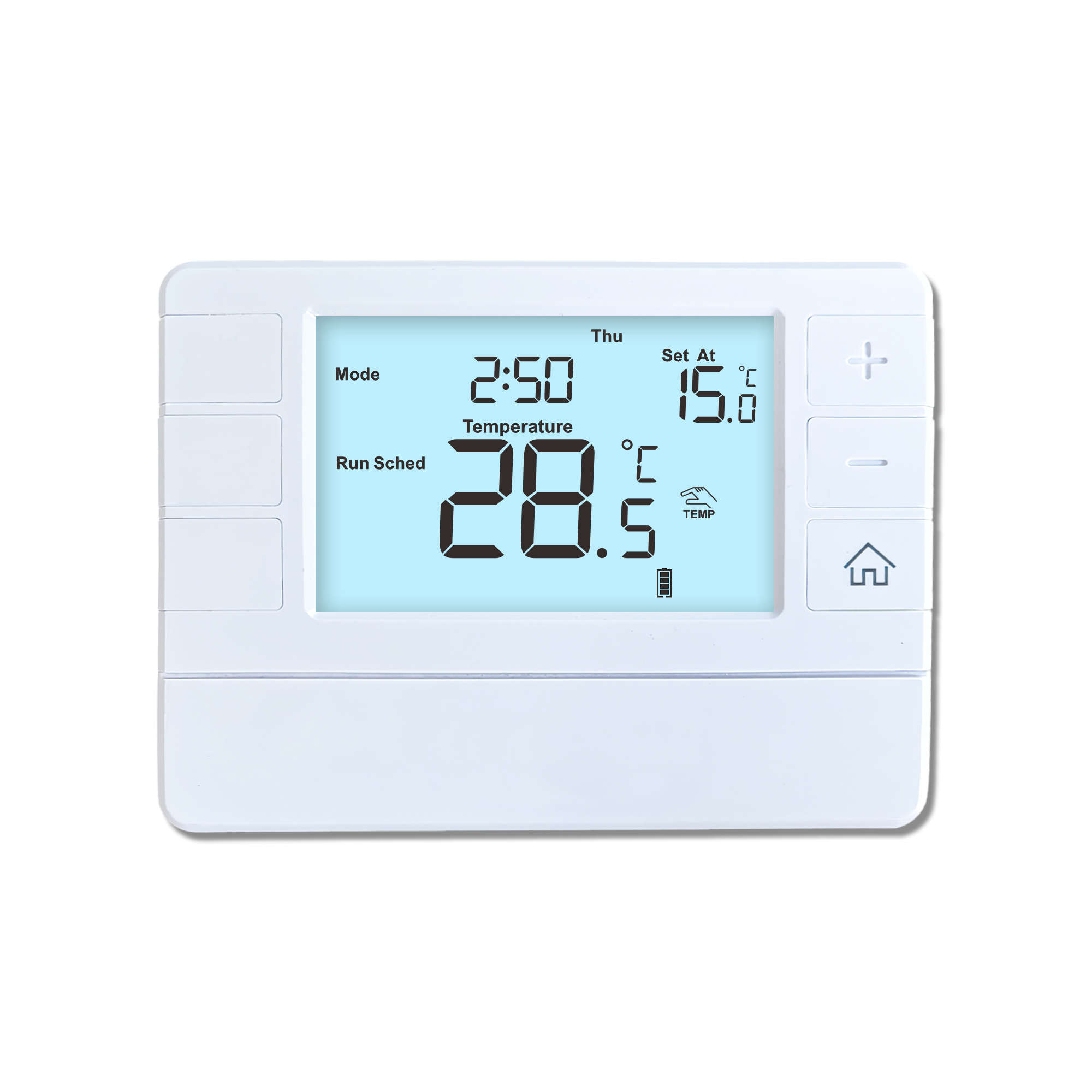
This shift has made traditional, manual thermostats obsolete, paving the way for advanced smart technologies.
Why You Need a Smart Thermostat
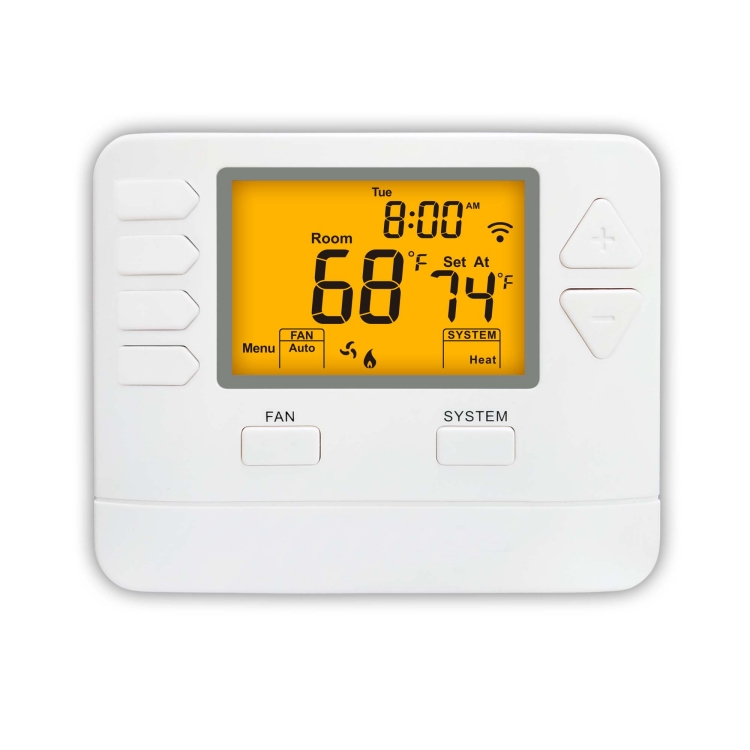
A true 7 Day programmable room thermostat offers the ultimate granular control. It allows users to program a distinct, customized heating and cooling schedule for every single day of the week.
How a 7 Day Programmable Room Thermostat Maximizes Home Comfort and Efficiency
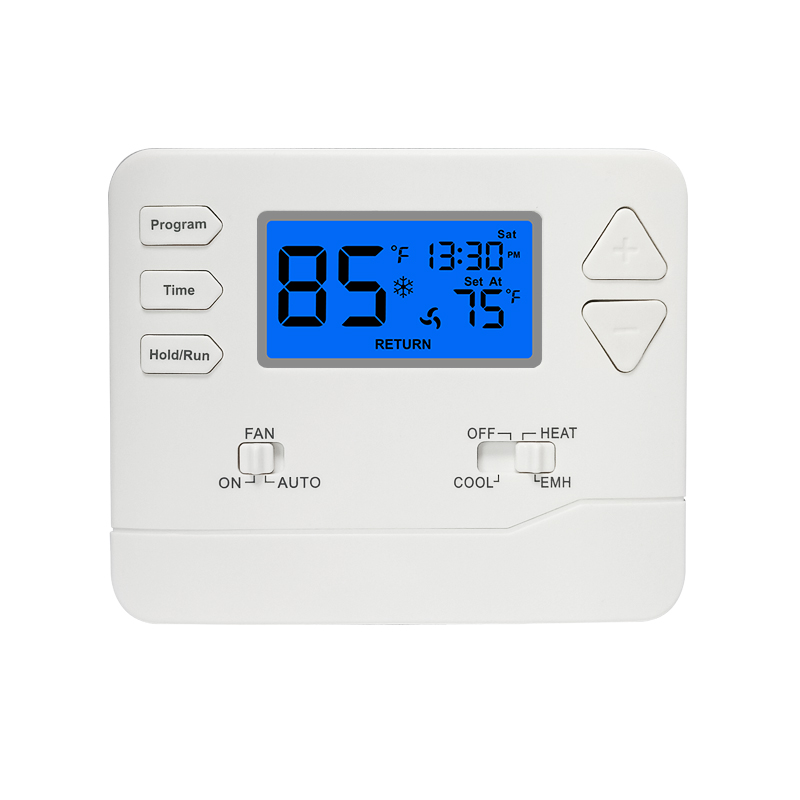
A premium Riseem thermostat is not just a digital display on your wall; it is the ultimate gatekeeper of your indoor environment.
Why a Quality Thermostat Is the Key to a More Comfortable Home
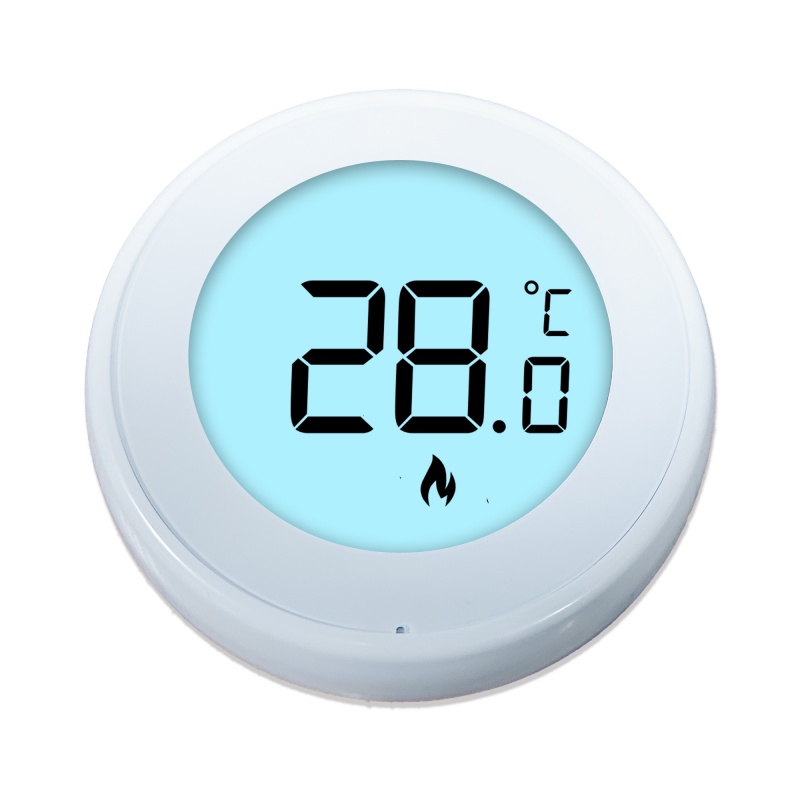
While the TUYA app provides the elegant interface, the physical thermostat remains the brain of the operation. Riseem has engineered a device that looks minimalist on your wall while delivering industrial-grade precision to your HVAC equipment.
Welcome to the Future of Home Automation The Ultimate Guide to TUYA WIFI Smart Thermostats