
The working principle of a thermostat
author: Lily
2025-06-30
How Does a Thermostat Work? Unraveling the Temperature - Control Mystery

In our daily lives, we often rely on thermostats to keep our homes, offices, and vehicles at comfortable temperatures. But have you ever stopped to wonder how these unassuming devices work their magic? A thermostat is essentially a temperature - regulating device that automatically controls heating or cooling systems. It's a crucial component in maintaining a stable and pleasant environment, whether it's during the sweltering heat of summer or the bone - chilling cold of winter.
The Basics of Thermostat Function

At its core, a thermostat operates on a simple principle: it senses the current temperature and compares it to a pre - set target temperature. When the sensed temperature deviates from the set point, the thermostat takes action to bring the temperature back to the desired level. This action typically involves switching on or off a heating or cooling system, such as a furnace, air conditioner, or heat pump.
Temperature Sensing
The first step in the thermostat's operation is temperature sensing. Most thermostats use a temperature sensor to detect the ambient temperature. There are several types of temperature sensors commonly used in thermostats:
- Thermocouples: These sensors consist of two different metals joined together. When there is a temperature difference between the two junctions of the metals, a small voltage is generated. This voltage is proportional to the temperature difference, allowing the thermostat to measure the temperature accurately.
- Thermistors: Thermistors are semiconductor devices whose resistance changes with temperature. Negative - temperature - coefficient (NTC) thermistors are commonly used in thermostats. As the temperature increases, the resistance of an NTC thermistor decreases, and vice versa. The thermostat measures the resistance of the thermistor to determine the temperature.
- Bimetallic Strips: A bimetallic strip is made up of two different metals bonded together. Since different metals expand at different rates when heated, the bimetallic strip will bend when there is a change in temperature. In a thermostat, this bending action can be used to activate a switch or trigger an electrical signal.
Control Unit and Switching Mechanism

Once the temperature sensor has detected the current temperature, the information is sent to the control unit of the thermostat. The control unit is essentially a small computer that compares the measured temperature with the pre - set target temperature. If the measured temperature is lower than the set point in a heating system, or higher than the set point in a cooling system, the control unit will send a signal to the switching mechanism.
The switching mechanism is responsible for turning the heating or cooling system on or off. In older, mechanical thermostats, the switching mechanism was often a simple mercury switch. When the bimetallic strip bent due to temperature changes, it would tilt the mercury switch, causing the mercury to flow and complete an electrical circuit, thus turning on the heating or cooling system. In modern, digital thermostats, solid - state relays or transistors are used as switching devices. These electronic components can switch the electrical power to the heating or cooling system on or off much faster and more precisely than mechanical switches.
Different Types of Thermostats and Their Working Principles

Mechanical Thermostats
Mechanical thermostats are the oldest and simplest type of thermostats. They typically use a bimetallic strip as the temperature - sensing element. As mentioned earlier, the bimetallic strip bends with temperature changes. In a mechanical thermostat, the bending of the bimetallic strip is directly linked to a switch. When the temperature drops below the set point in a heating system, the bimetallic strip bends in a way that closes the switch, completing the electrical circuit to the furnace or heater. When the temperature rises above the set point, the bimetallic strip bends in the opposite direction, opening the switch and turning off the heating system.
For example, in a traditional home heating system, the mechanical thermostat on the wall contains a coiled bimetallic strip. As the room cools, the strip uncoils slightly, pushing a small lever that closes the switch connected to the furnace. Once the room warms up, the strip recoils, and the lever opens the switch, shutting off the furnace.
Digital Thermostats
Digital thermostats have become increasingly popular in recent years due to their greater accuracy and advanced features. These thermostats use electronic temperature sensors, such as thermistors, to measure the temperature. The sensor sends an electrical signal to the microcontroller (the control unit) in the thermostat.
The microcontroller in a digital thermostat is programmed to perform complex calculations. It not only compares the measured temperature with the set point but can also take into account factors like the rate of temperature change. Digital thermostats can be programmed to have different temperature settings for different times of the day. For instance, you can set the thermostat to lower the temperature at night when you're sleeping or raise it slightly before you wake up in the morning. They also often have a digital display that shows the current temperature, the set temperature, and other information.
When the microcontroller determines that the temperature needs to be adjusted, it sends a signal to a solid - state relay or a transistor - based switching circuit. These electronic switches then turn the heating or cooling system on or off. Digital thermostats can also communicate with other devices in a home automation system, allowing for remote control via a smartphone app or integration with other smart home devices.

Smart Thermostats
Smart thermostats are the latest evolution in thermostat technology. They build on the features of digital thermostats and add connectivity and learning capabilities. Smart thermostats are connected to the internet, which enables them to receive updates, be controlled remotely, and interact with other smart home devices.
One of the key features of smart thermostats is their ability to learn the occupants' temperature preferences. Through machine learning algorithms, the thermostat analyzes the temperature settings that the users typically choose at different times of the day and in different weather conditions. Over time, it can automatically adjust the temperature to match the users' habits without the need for manual programming. For example, if it notices that you usually lower the temperature in the living room when you start watching TV in the evening, it can start adjusting the temperature accordingly.

Smart thermostats also often have built - in sensors for other environmental factors, such as humidity. They can use this additional data to optimize the temperature control and provide a more comfortable living environment. In terms of working principle, smart thermostats still rely on temperature sensors and control units. However, the control unit is more sophisticated, with the ability to run complex machine - learning algorithms and communicate over the internet. When the thermostat determines that the temperature needs to be adjusted, it sends a signal to the heating or cooling system in the same way as a digital thermostat, but it can also send notifications to the user's smartphone if there are any issues or if it needs input.
In conclusion, thermostats play a vital role in our lives by ensuring that we are comfortable in our indoor environments. Whether it's a simple mechanical thermostat or a highly advanced smart thermostat, the basic principle of temperature sensing, comparison, and control remains the same. As technology continues to advance, we can expect thermostats to become even more efficient, intelligent, and integrated into our smart homes.

How the thermostat works
How to save energy when using a thermostat
Related Article
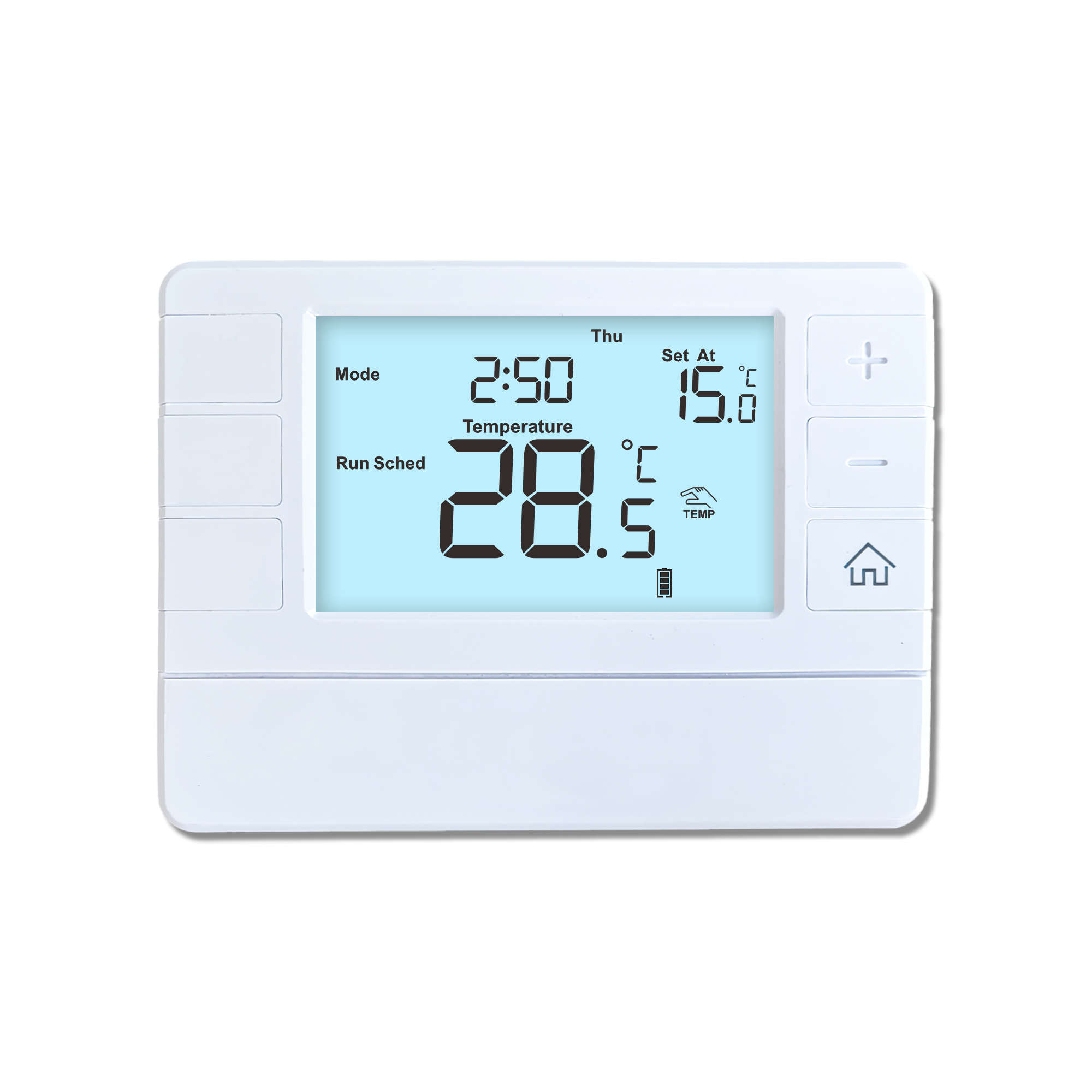
This shift has made traditional, manual thermostats obsolete, paving the way for advanced smart technologies.
Why You Need a Smart Thermostat
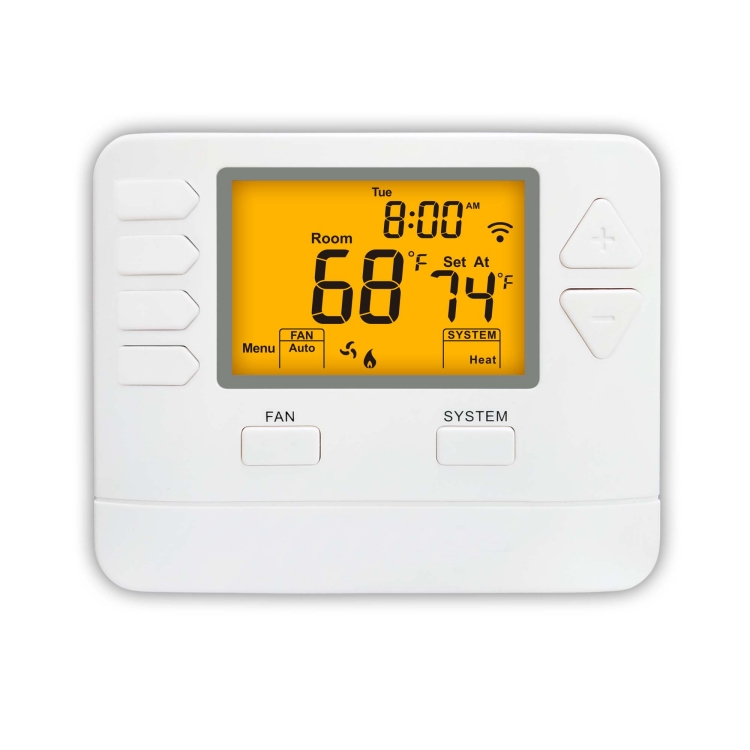
A true 7 Day programmable room thermostat offers the ultimate granular control. It allows users to program a distinct, customized heating and cooling schedule for every single day of the week.
How a 7 Day Programmable Room Thermostat Maximizes Home Comfort and Efficiency
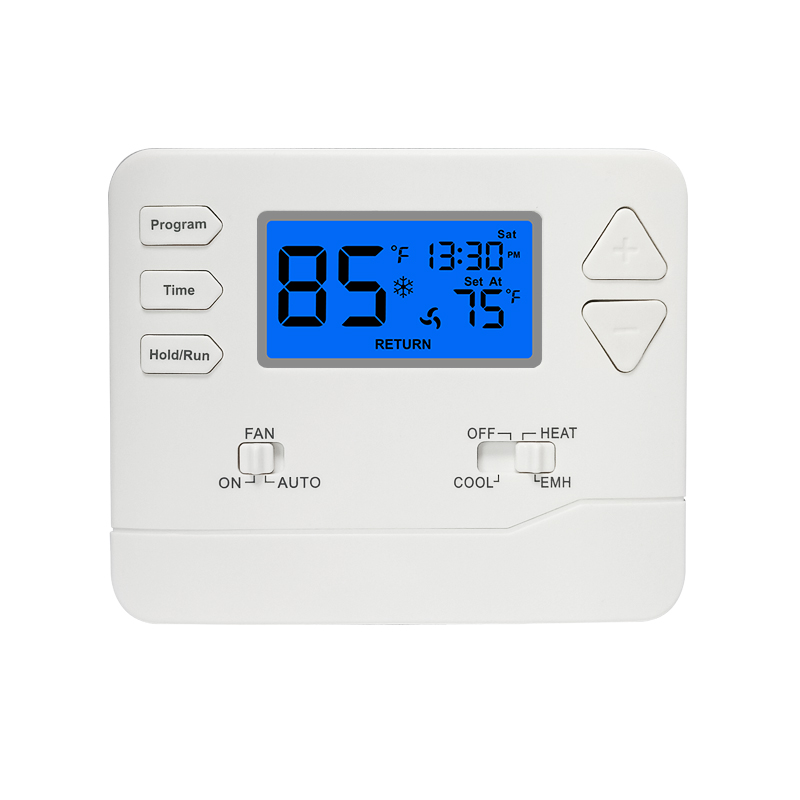
A premium Riseem thermostat is not just a digital display on your wall; it is the ultimate gatekeeper of your indoor environment.
Why a Quality Thermostat Is the Key to a More Comfortable Home
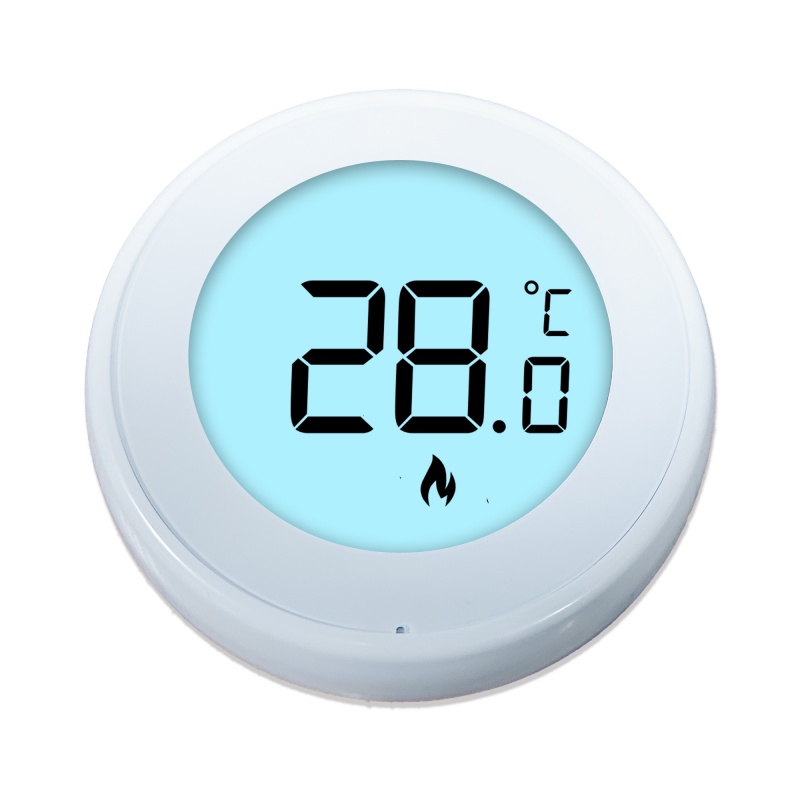
While the TUYA app provides the elegant interface, the physical thermostat remains the brain of the operation. Riseem has engineered a device that looks minimalist on your wall while delivering industrial-grade precision to your HVAC equipment.
Welcome to the Future of Home Automation The Ultimate Guide to TUYA WIFI Smart Thermostats